Linum narbonense
Flax · Blue flax · Perennial Flax · Beautiful flax · Heavenly blue flax
Description
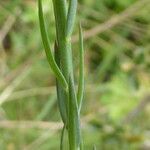
Source: leafsnapLinum narbonense, the perennial flax or blue flax, is a flowering plant in the family Linaceae, native to Europe and similar in appearance to Linum perenne. Growing to 1–2.5 feet tall and 1 foot wide, the stem terminates in a cyme of about ten clear blue flowers with five petals, 2–2.5 cm in diameter, and the small, narrow grayish green leavesk are arranged on the stem in whorls. In early summer it produces teardrops buds. The seed heads are small beige balls.
Care Guide
💧 Water
Beautiful flax flourishes in moderately moist conditions and has an average tolerance for drought. It is best to water it weekly. This deciduous plant is usually grown outdoors and goes dormant during the colder months, significantly reducing its need for water.
☀️ Light Full sun
Beautiful flax is a perennial herbaceous species that favors sunny locations and comes from open habitats, commonly flourishing in meadows and grasslands. It prefers full sun but can also tolerate partial sun conditions.
What are the sunlight requirements for Beautiful flax (Linum narbonense)?
Beautiful flax (Linum narbonense) thrives in various sunlight conditions. For plants to flourish, they require 'Full sun', which means they need above 6 hours of sunlight daily. Alternatively, they can grow in 'Partial sun', which is about 3-6 hours of sunlight each day. It's important to observe the way sunlight moves through your garden, selecting locations that offer an optimal mix of light and shade. This consideration will ensure your plants remain happy and healthy.
🌡️ Temperature 5–35°C
Beautiful flax can endure a wide range of temperatures, yet its range may still be restricted by different combinations of moisture and heat. It performs best in warm summer conditions with sufficient rainfall or irrigation. Long periods of cloudy, rainy weather or extended high temperatures can raise the chance of Beautiful flax dying. In winter, adequate protection from cold can increase the plant's survival rate.
💨 Humidity
🪴 Soil 6-7
🌱 Fertilizer
The best time to fertilize a Beautiful flax is in early spring, as it comes out of dormancy and begins active growth. Fertilization supplies essential nutrients for healthy development. Although a Beautiful flax has relatively low fertilizer requirements, applying fertilizer annually can improve its survival and encourage better, longer-lasting flowers.
🪴 Pot & Repot 2-3 years
To ensure your beautiful flax thrives, repot it every 2 to 3 years in the spring. This encourages healthy root development. Select a medium-sized pot with excellent drainage to prevent waterlogging. After repotting, water sparingly since beautiful flax prefers moderate moisture levels. Using a well-draining soil mix is crucial for achieving vibrant blooms.
✂️ Pruning
Flax is a beautiful plant known for its delicate blue flowers and feathery foliage. To keep it healthy and flourishing, it's best to prune the plant from early to late spring. Removing dead stems during this time encourages growth and enhances flowering. Pruning in early spring helps control the plant's size and shape, while pruning later in the spring enhances its appearance and promotes overall health and longevity.
🌿 Propagating
🐛 Diseases & pets
☠️ Toxicity
Characteristics
- Plant Type
- Herb
- Life Cycle
- Perennial
- Genus
- Linum
- Family
- Linaceae
- Hardiness Zone
- 5-9
- Mature Height
- 30 cm to 76 cm
- Mature Spread
- 30 cm
- Leaf Color
- Green
- Leaf Type
- Semi-evergreen
- Flower Color
- Blue
- Flower Size
- 2.54 cm
- Bloom Time
- Mid spring, Late spring, Early summer
- Planting Time
- Spring, Summer, Autumn
- Harvest Time
- Mid summer, Late summer, Early fall