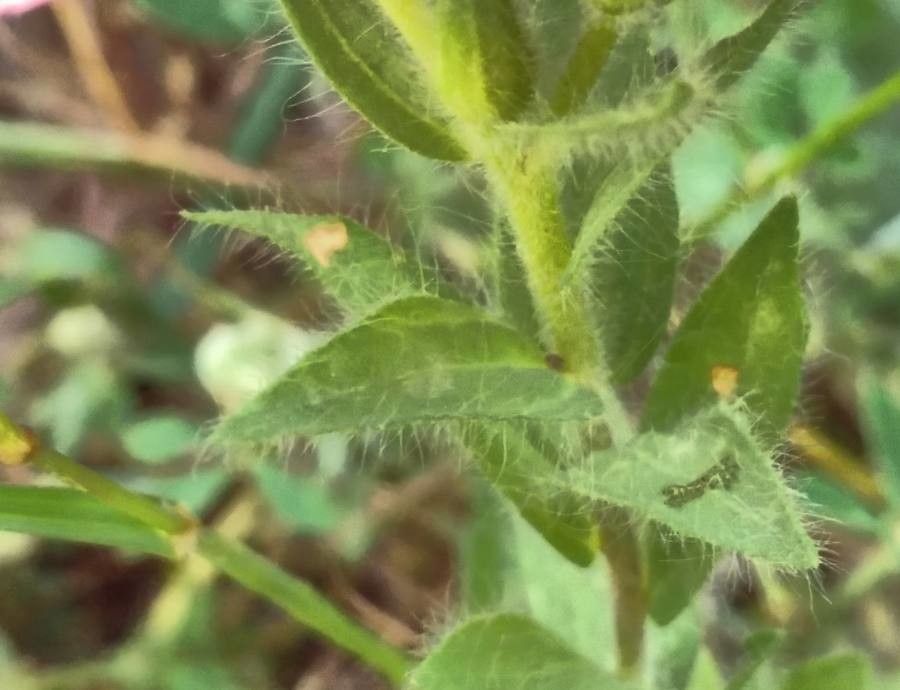
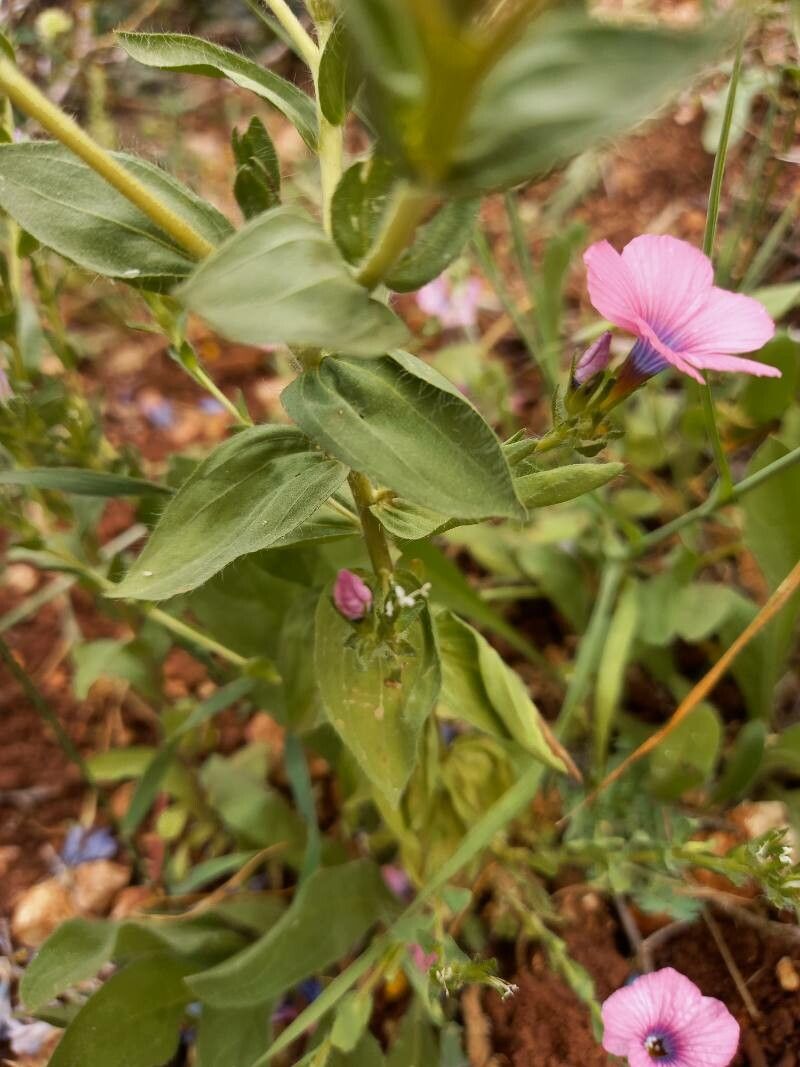
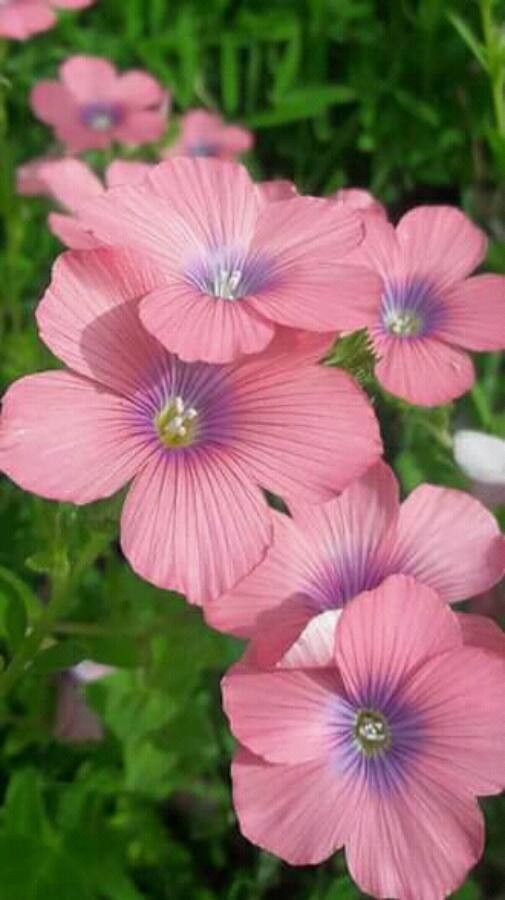
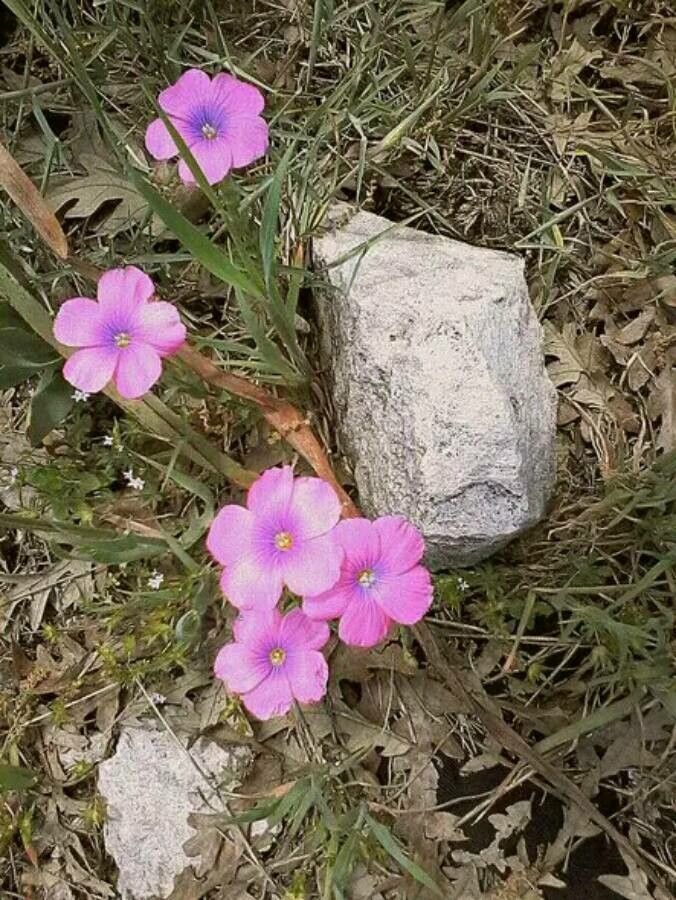
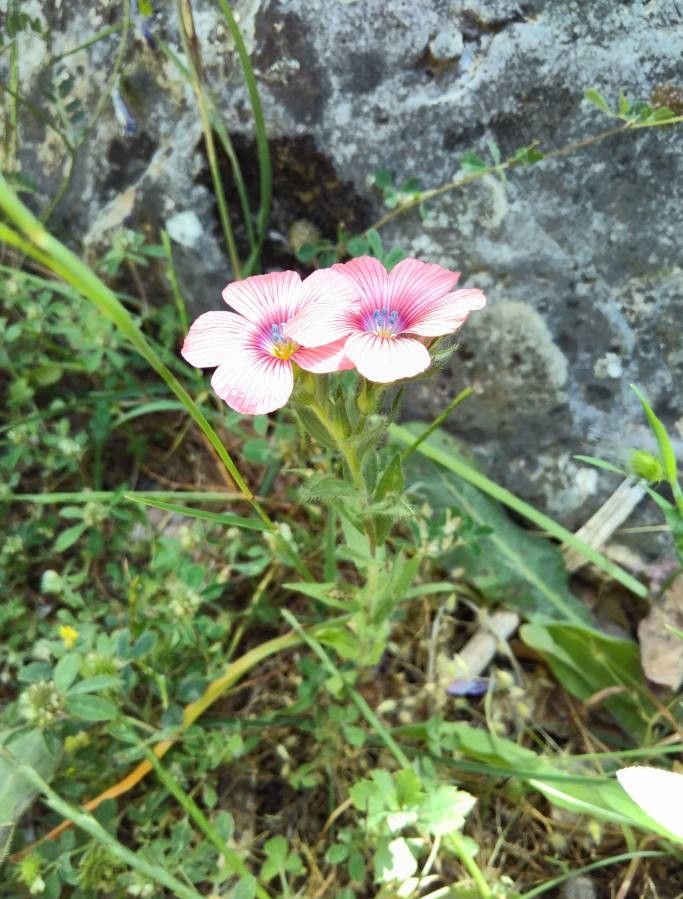
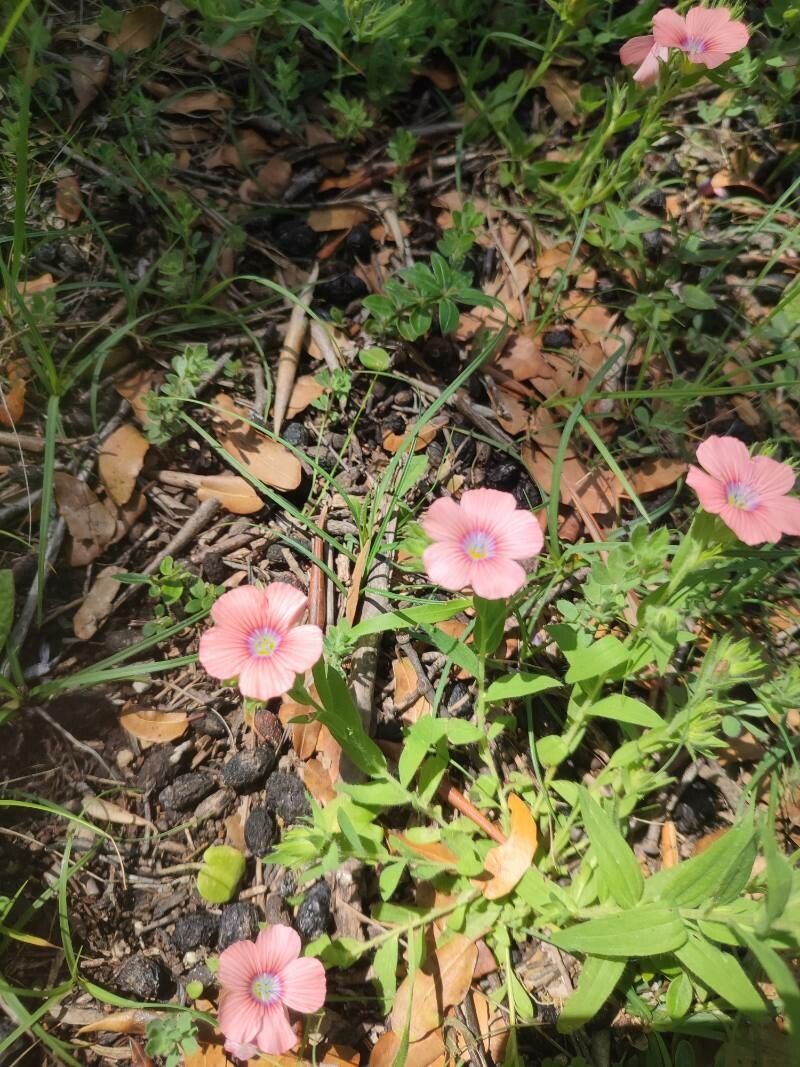
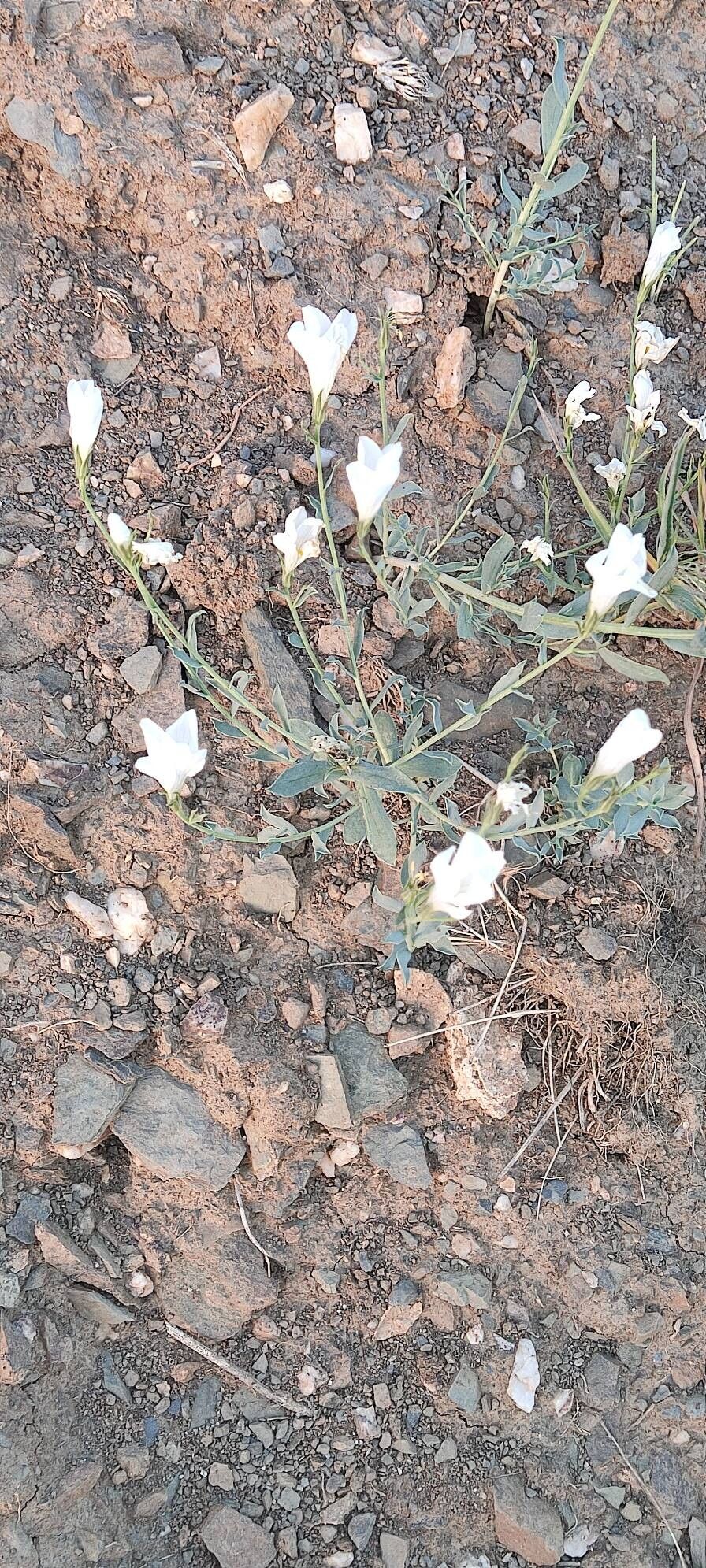
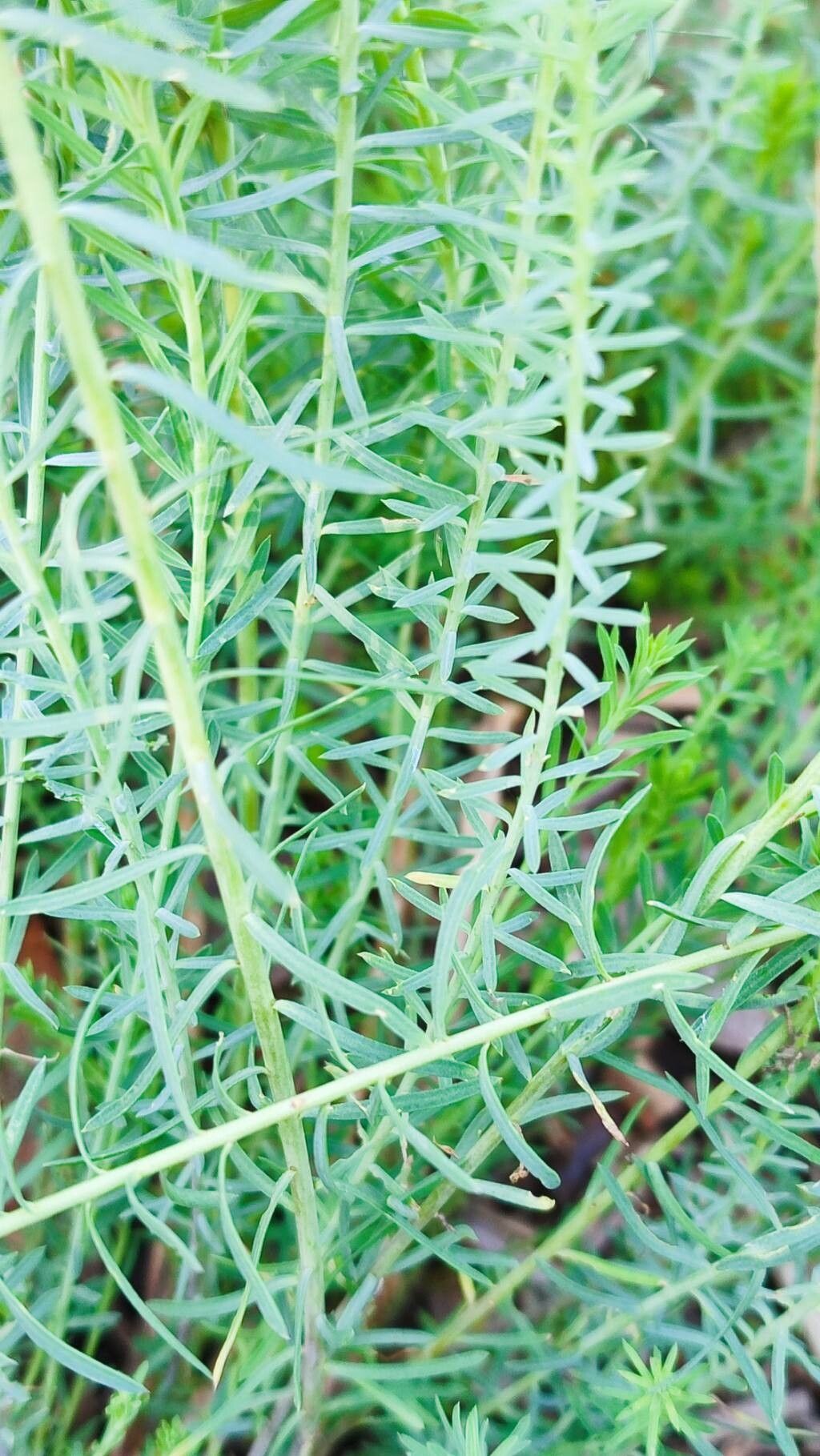
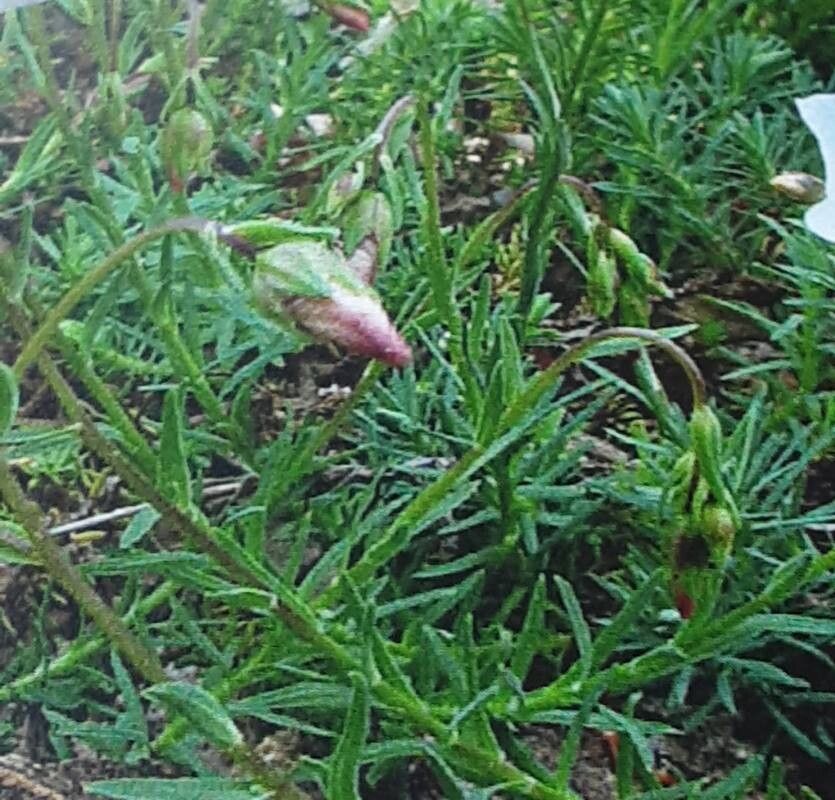
Linum pubescens, the hairy pink flax, is an herbaceous flowering plant in the genus Linum native to the east Mediterranean region. The plant is annual and blooms in the spring.
Hairy pink flax is relatively disease-resistant and usually not highly susceptible to illnesses. Still, it can be affected by pests and diseases present in its environment. These problems tend to be minor. In terms of care, the plant needs moderate maintenance. It should be pruned regularly to preserve a neat appearance and support healthy growth. Fertilizing can also encourage flowering. Hairy pink flax is suitable for anyone who has outdoor space, such as a garden or patio, and does not require extensive gardening experience. It may demand more attention if grown indoors.
How to keep Linum Pubescens.
Light
Hairy pink flax comes from bright, open habitats and does best in full sun. It can tolerate partial sun but prefers direct sunlight for optimal growth. This plant, which can be annual or biennial, is known for its sun-loving nature.
Water
Hairy pink flax, native to arid environments, is highly drought-tolerant and requires watering only twice a week to mimic its natural dry conditions. This resilience makes it an excellent choice for indoor cultivation and container gardening. By carefully managing its water needs, you can ensure healthy growth and prevent over-saturation.
Temperature
Hairy pink flax originates from temperate regions and does best in temperatures of 68 to 100 °F (20 to 38 ℃). Keep this in mind when adjusting climate controls during different seasons.
Fertilizer
When most of Hairy pink flax’s flowers have fully opened, resume fertilizing. At the peak flowering period, apply fertilizer once every three to four weeks, as the weather allows. Afterwards, when Hairy pink flax begins to produce fewer new flowers, stop fertilizing — there’s no need to feed the plant if it can no longer set additional blooms.
Pruning
Hairy pink flax is known for its delicate pink flowers and bushy growth habit. To encourage growth and blooming, prune the plant from early to late spring. Light trimming helps maintain its shape and improves air circulation, while pruning after flowering supports overall health and enhances its appearance.
Botanical profile.
- Plant Type
- Herb
- Life Cycle
- Annual
- Genus
- Linum
- Family
- Linaceae
- Hardiness Zone
- 4-11
- Mature Height
- 30 cm
- Mature Spread
- 15 cm to 25 cm
- Leaf Color
- Green
- Leaf Type
- Semi-evergreen
- Flower Color
- Pink
- Flower Size
- 1.52 cm to 2.03 cm
- Bloom Time
- Early spring, Mid spring
- Planting Time
- Spring, Summer
- Harvest Time
- Late spring, Early summer
Other names.
Reader questions.
What are the sunlight requirements for Hairy pink flax (Linum pubescens)?
Hairy pink flax (Linum pubescens) thrives in different sunlight conditions. Plants that require 'full sun' need above 6 hours of sunlight daily, while 'partial sun' plants are best suited to about 3-6 hours of sunlight each day. It's important to observe how sunlight moves through your garden, allowing you to select locations that offer an ideal balance of light and shade, ensuring your plants grow healthily and happily.
What is the native climate for Hairy pink flax?
Hairy pink flax, or Linum pubescens, thrives in environments that have moderate climates. It is best suited to temperatures ranging from 68 to 100 °F (20 to 38 °C). This is an important factor to consider when adjusting climate controls to accommodate the plant throughout different seasons.