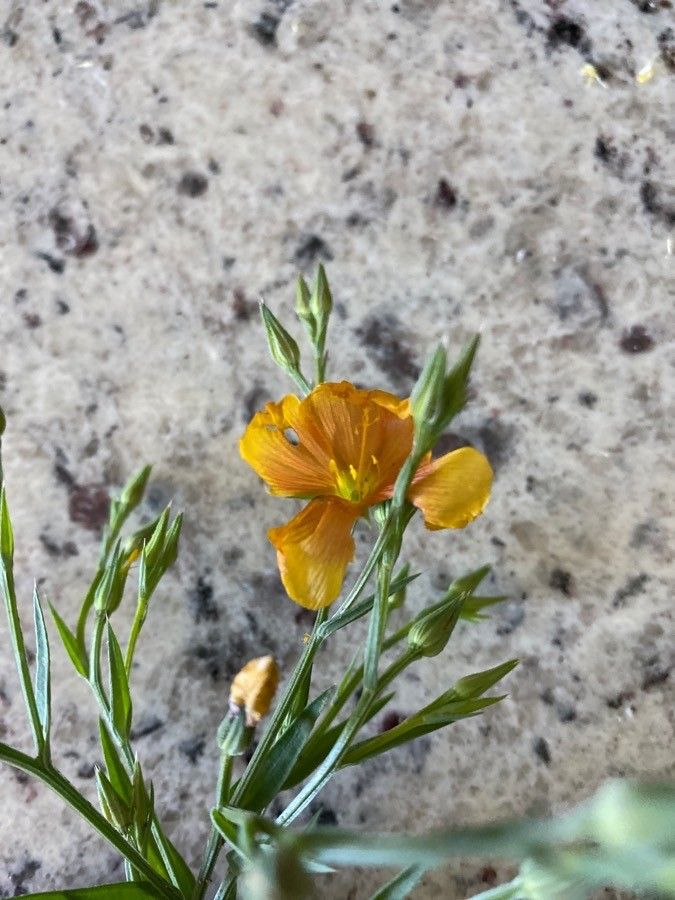
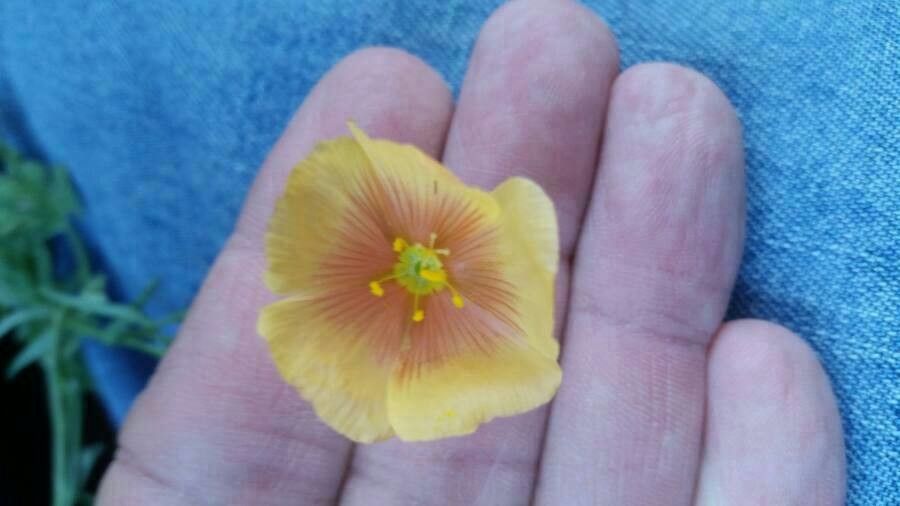
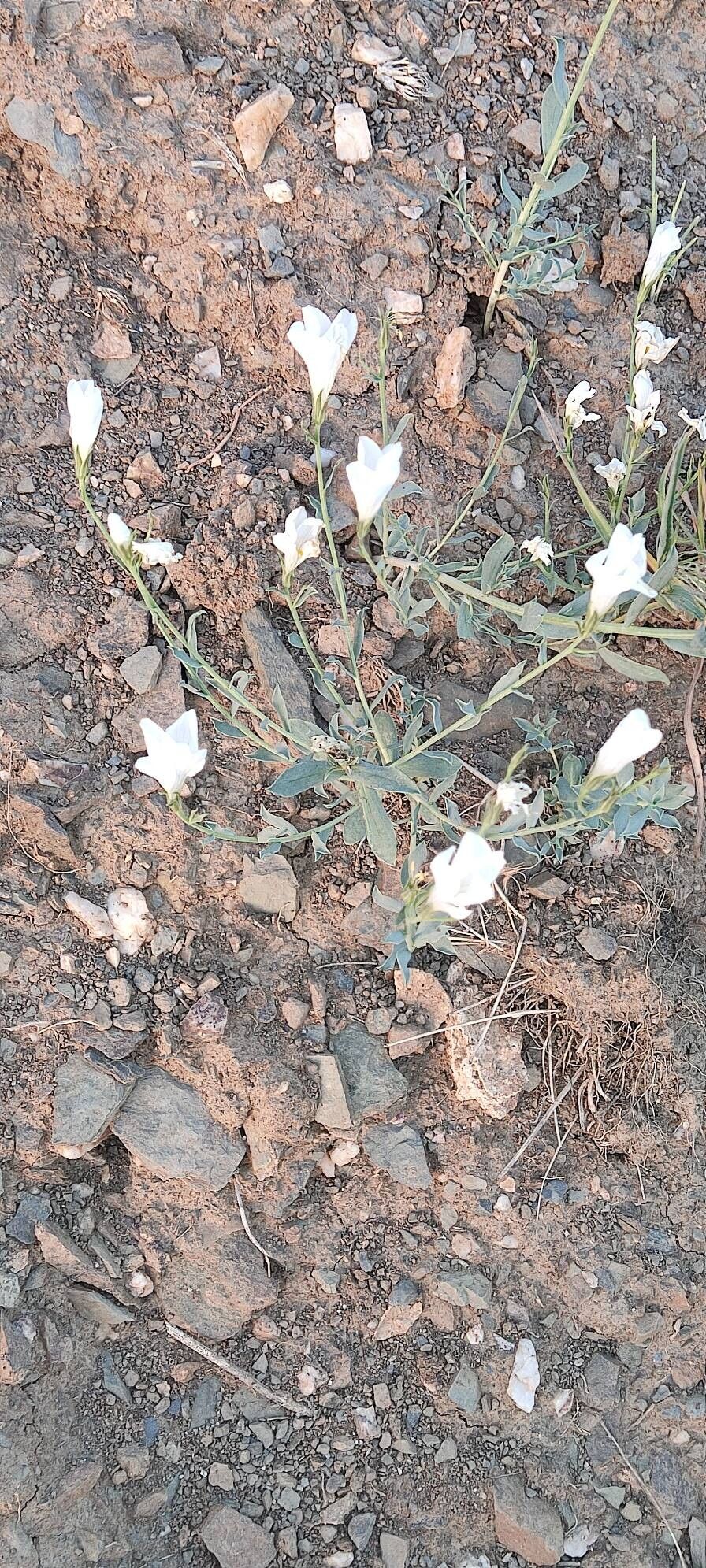
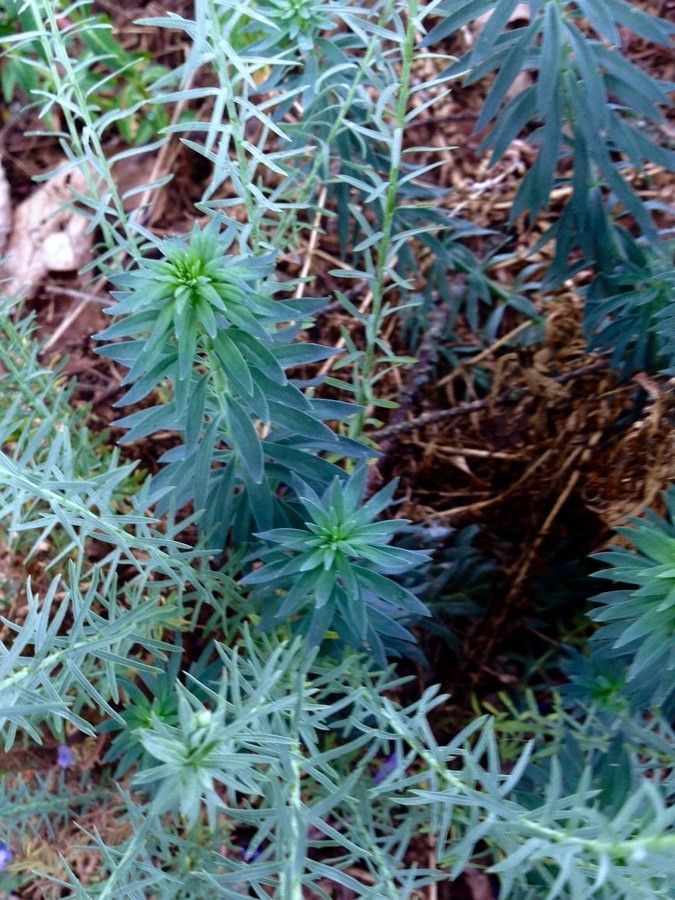
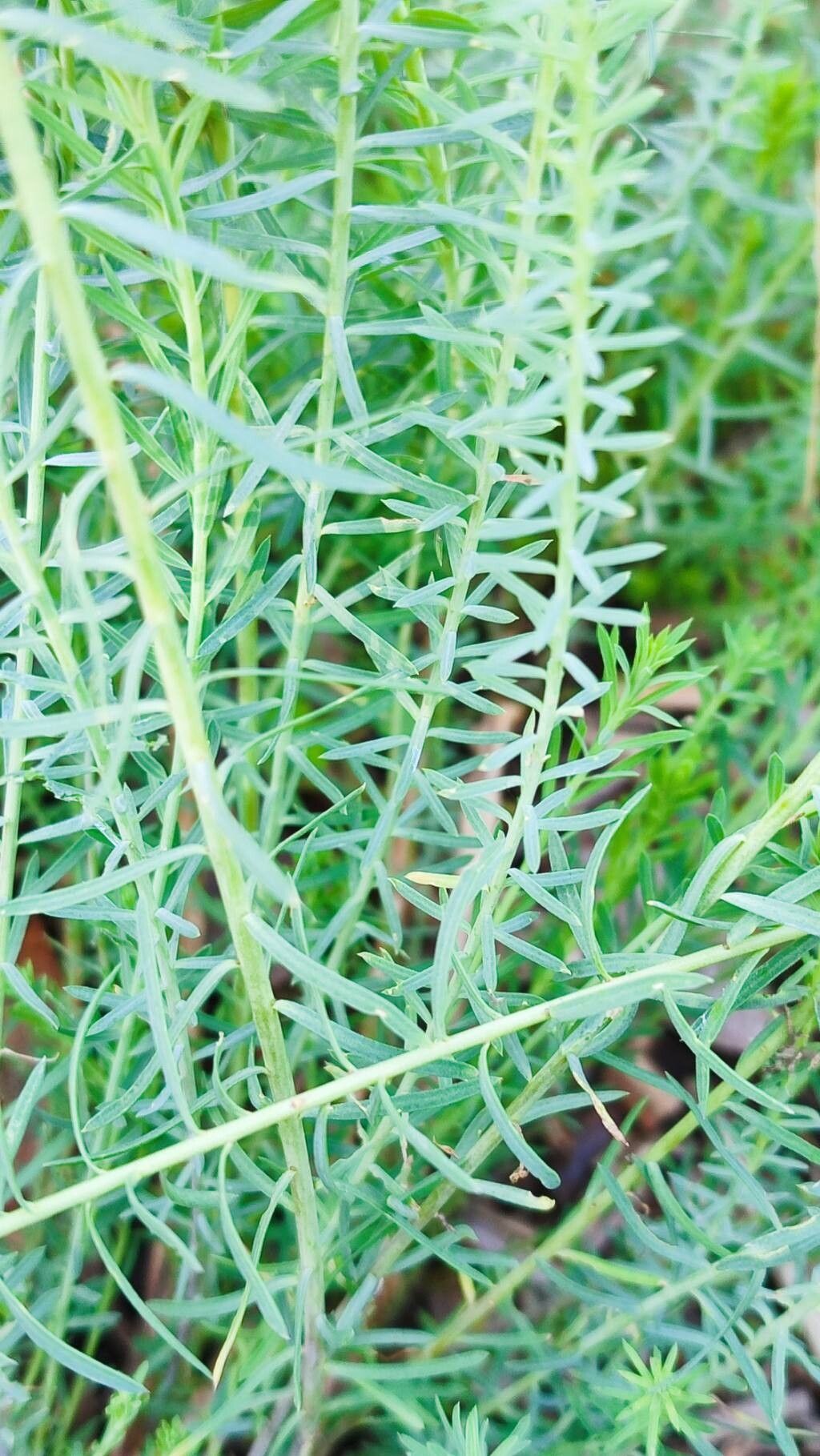
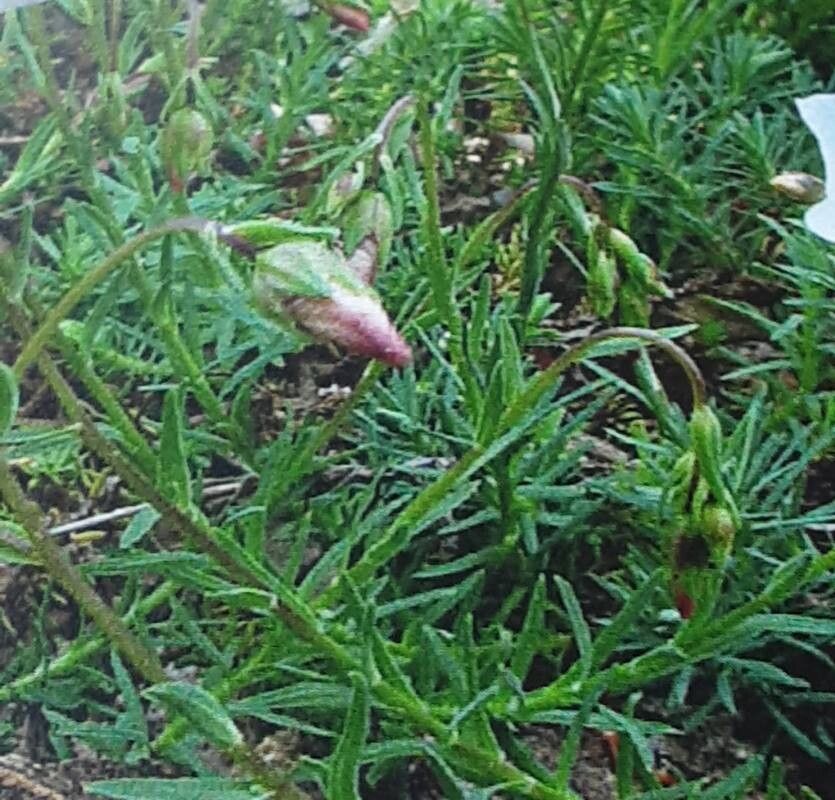
Stiffstem flax is fairly disease-resistant and typically does not suffer from many illnesses. Still, it can be vulnerable to pests and diseases present in its surroundings. Such infections are usually mild. Regarding care, the plant requires moderate maintenance. Regular pruning is needed to keep it looking good and to support healthy growth. Fertilizing can also help encourage flowering. Stiffstem flax is suitable for anyone with outdoor space, such as a garden or patio, and does not demand extensive care experience. It may need more attention when grown indoors.
How to keep Linum Rigidum.
Light
Stiffstem flax needs to receive sunlight throughout the day for best growth. The plant prospers in these conditions, which are similar to its native habitat. Either too much or too little sun can cause health problems for the plant.
Water
Stiffstem flax thrives best with a consistent watering routine, as it prefers balanced soil moisture. While it shows moderate drought tolerance, weekly watering is essential, especially during its active growth season. In temperate regions, this outdoor plant also benefits from the natural rainfall patterns.
Temperature
Stiffstem flax is suited to a temperate climate and does best in temperatures of 68 to 95 °F (20 to 35 ℃). Pay attention to seasonal changes, cutting back on irrigation in the colder months to avoid freezing damage.
Fertilizer
When most of the Stiffstem flax flowers have opened to full size, resume fertilizing. At the peak of bloom production, apply fertilizer every three to four weeks, as weather allows. Once the plant begins producing fewer new blooms, stop fertilizing; there’s no need to feed it when it can no longer produce more blooms.
Pruning
Stiffstem flax is known for its upright stems and striking blue flowers. To promote healthy growth, it is important to prune the plant from early to late spring. This helps remove dead stems and improve air circulation. Regular pruning not only enhances the plant's vigor and appearance but also helps prevent disease and prolong the blooming period.
Botanical profile.
- Plant Type
- Herb
- Life Cycle
- Annual, Perennial
- Genus
- Linum
- Family
- Linaceae
- Hardiness Zone
- 7
- Mature Height
- 15 cm to 52 cm
- Mature Spread
- 25 cm
- Leaf Color
- Green, Blue
- Leaf Type
- Semi-evergreen
- Flower Color
- Yellow
- Flower Size
- 2.03 cm to 2.54 cm
- Bloom Time
- Mid spring, Late spring, Early summer
- Planting Time
- Spring
- Harvest Time
- Summer
Other names.
Reader questions.
How much water does my Stiffstem flax plant need?
To determine how much water to give your Stiffstem flax, there are a few options. Some gardeners prefer to gauge the moisture level of the soil by feeling it. In this case, water until the top six inches of soil are moist. Another method is using a specific measurement. Generally, about two gallons of water per week should be sufficient, considering factors like temperature and how quickly the soil dries out. However, following strict guidelines may lead to overwatering if your plant requires less water. When growing Stiffstem flax in a container, a different approach is necessary. Ensure all layers of dry soil are moistened, which can be tested by sticking your finger into the soil. Additionally, you can water the soil until you see a slight trickle of excess water exiting the pot's drainage holes.
Can the sun harm plants? How can I keep Stiffstem flax safe from sun and heat damage?
When the temperature goes above 90℉ (32℃), the Stiffstem flax can be harmed by excessive heat, especially if they are in the sun for long periods of time. It's best to provide some shade from the afternoon sunlight during the summer. It's important to remember that the sunlight is stronger and lasts longer in the summer compared to the winter. If the Stiffstem flax is stressed from too much sun, make sure they are well-watered. Only water them when the top of the soil is about 2 inches dry, and if it's too hot outside, consider moving them indoors if they are in containers. It is normal for the leaves to wilt during the day, as they usually recover at night. However, if the Stiffstem flax is still drooping, it means the plant is losing water quickly and needs to be watered.
Temperature guidelines for Stiffstem flax during the inactive or slow-growth period.
Stiffstem flax needs cold weather to remain dormant and only sprout at the right time. If it sprouts too early and there's a chance of frost, it could die. Ideally, winter temperatures should stay below freezing, but if they reach 40℉(5℃), it's okay. In more temperate climates with occasional warm spells, Stiffstem flax may sprout early. If there's still a risk of frost, you can protect it by covering it with clear plastic. Once the danger of frost has passed, you can remove the cover. Sometimes, Stiffstem flax will sprout correctly on its own, but using this method increases the chances of a successful second sprouting.
How do I need to water my Stiffstem flax throughout the year?
As the season progresses, the water needs of your Stiffstem flax will increase. In spring, you should water it once a week. However, as the summer heat arrives, you may need to water it more frequently, potentially up to three times per week. This is particularly important for Stiffstem flax in containers, as the soil in containers tends to dry out faster in warm weather compared to soil in the ground. In autumn, when the Stiffstem flax is still blooming, it may require less water due to the declining temperature and less intense sunlight compared to summer.
How many hours of sunlight does Stiffstem flax need each day to grow well?
To ensure the plants thrive, it is crucial to provide them with 6 to 8 hours of sunlight daily. Ideally, they should receive extra morning light, especially during the summer. The Stiffstem flax, in particular, requires full sun and benefits from as much sunlight as possible. The more light these plants receive, the better they can produce food, showcase stunning blooms, and successfully survive.
What temperature is best for Stiffstem flax?
The best temperature for Stiffstem flax depends on the time of year. Let's discuss the two primary seasons: the growing season and the dormancy season. During the growing season, when Stiffstem flax starts sprouting, the ideal temperature range should be between 65~80℉ (18~27℃). If it gets colder than 15℉ (-10℃), the plant will suffer. Its leaves may brown and wilt, but if it's just a short cold snap, Stiffstem flax may survive with some help. On the other hand, during the warmer parts of the year, Stiffstem flax needs protection from temperatures that are too high. The top of its temperature range is 95-105℉ (35-40℃), and anything above that will harm the foliage and blooms. Hotter temperatures can cause wilting, drooping, and sunburn on the leaves, which is hard for the plant to recover from. But don't worry, there are quick and easy ways to combat this issue!
How should I water my Stiffstem flax plant?
To water Stiffstem flax, you have several options. You can use a garden hose with a spray nozzle, a watering can, or any common watering tool. Stiffstem flax is not too particular about the type of water they receive, whether it's rainwater, tap water, or filtered water. However, it's best to avoid watering this plant from above to prevent damage to the leaves and flowers, and to reduce the risk of disease. Instead, consider using a drip irrigation system which provides water evenly and directly to the soil. If you have a container-grown Stiffstem flax, you can use a cup, watering can, or your tap to water it directly into the soil.
What kind of sunlight does Stiffstem flax require?
The Stiffstem flax thrives in full sunlight, so it is important to give them enough space to evenly receive sunlight. Avoid crowding them together, as this could prevent the leaves from getting proper sunlight. If planting in pots, place the herbaceous flowers near windows that receive direct sun, ensuring they get full sunlight throughout the year. These plants do not do well in partial or filtered light, as this can lead to weak stems and unhealthy flowers. It is best to always keep the Stiffstem flax exposed to the sun.
The ideal temperature for young Stiffstem flax plants in their first year or as seedlings.
If this is the first year you are growing Stiffstem flax outdoors, it will require extra attention during the coldest months. Frost can cause severe damage and hinder its growth in the spring. To prevent this, keep the plant above 40℉(5℃) by either bringing it inside for a couple of months or using mulch or fabric barriers. During the first year or two, it is recommended to plant Stiffstem flax in a shadier area as smaller and weaker plants struggle to regulate their temperature in the heat. Limit direct sunlight to no more than five hours per day and use shadecloth and regular watering or misting to control the summer heat.
What should I do if I give my Stiffstem flax plant too much or too little water?
To prevent underwatering Stiffstem flax, simply water it more regularly when you notice it lacks moisture. On the other hand, overwatering can be a serious problem as it can lead to diseases and the decline of the plant. To avoid this, choose a well-suited growing location with ample sunlight and good drainage. For potted plants, consider changing the pot to ensure proper drainage. Use loose soil and a pot that drains efficiently when repotting the overwatered Stiffstem flax.
Should I keep Stiffstem flax away from the sun?
The Stiffstem flax is sun-loving and does not require any protection from the sun. Some species of this plant are even heliotropic, meaning they actively follow the sun. It is recommended to plant them in south-facing gardens so they can receive sunlight from morning to afternoon. However, excessive sun exposure can cause sunburn in some plants, so offering protection from the afternoon and midday sun, such as the shade of a tree or a wall, is beneficial. Growing the Stiffstem flax in shady areas is not possible as the larger flowers need ample energy to grow and bloom. For optimal results, always provide ample sunlight and place them in an area with full sun.
How can I prevent Stiffstem flax from being affected by very hot or very cold weather?
To protect Stiffstem flax from cold damage during the growing season, there are a few steps you can take. If you are growing it in a container, simply bring the container inside when temperatures drop below 15℉(-10℃) until it warms up again. For Stiffstem flax planted in the ground, you can use mulch or horticultural fabric to create a protective barrier around the plant. This will shield it from frost and cold wind. On hot days with temperatures above 80℉(27℃), be careful not to expose the plant to more than six hours of direct sunlight per day. Ideally, do this in the morning. To further reduce sun exposure, you can put up shade cloth or a fine plastic mesh. This will block direct sunlight during the hottest parts of the day. Additionally, consider installing a misting system that releases a cooling mist around the base of the plant. This will help lower ground temperatures during the day.