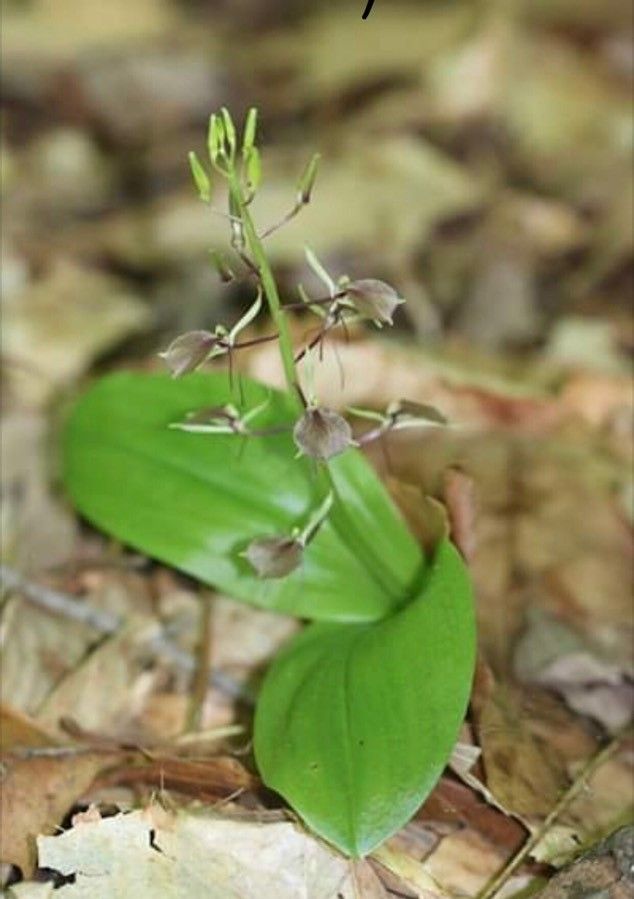
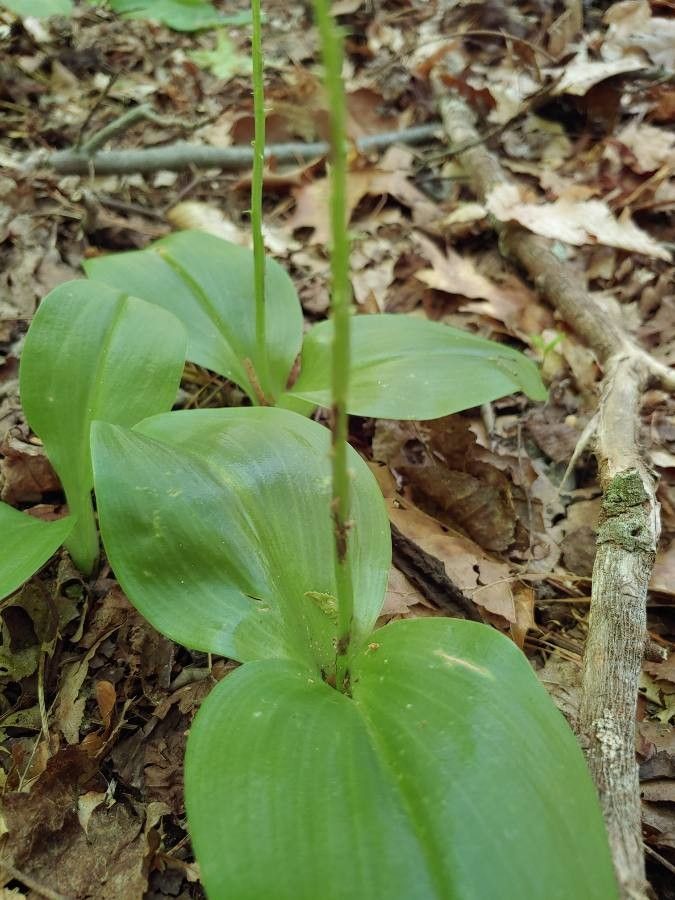
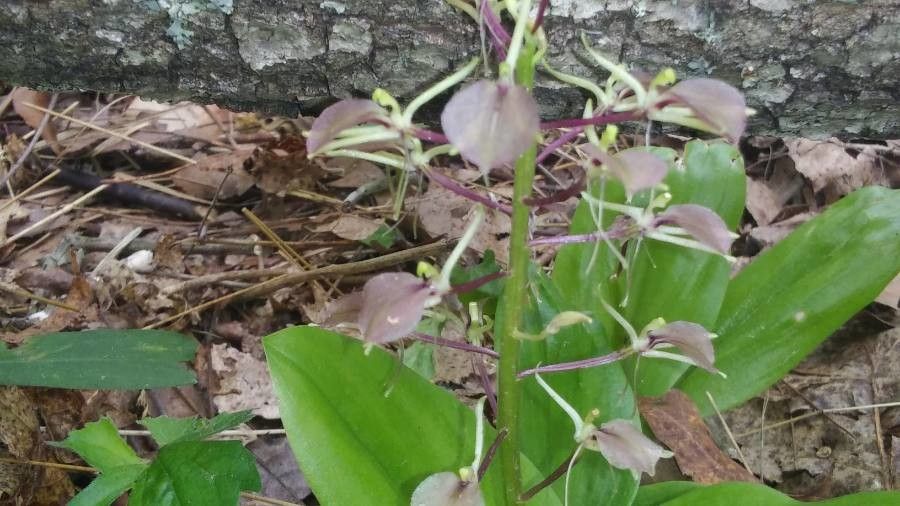
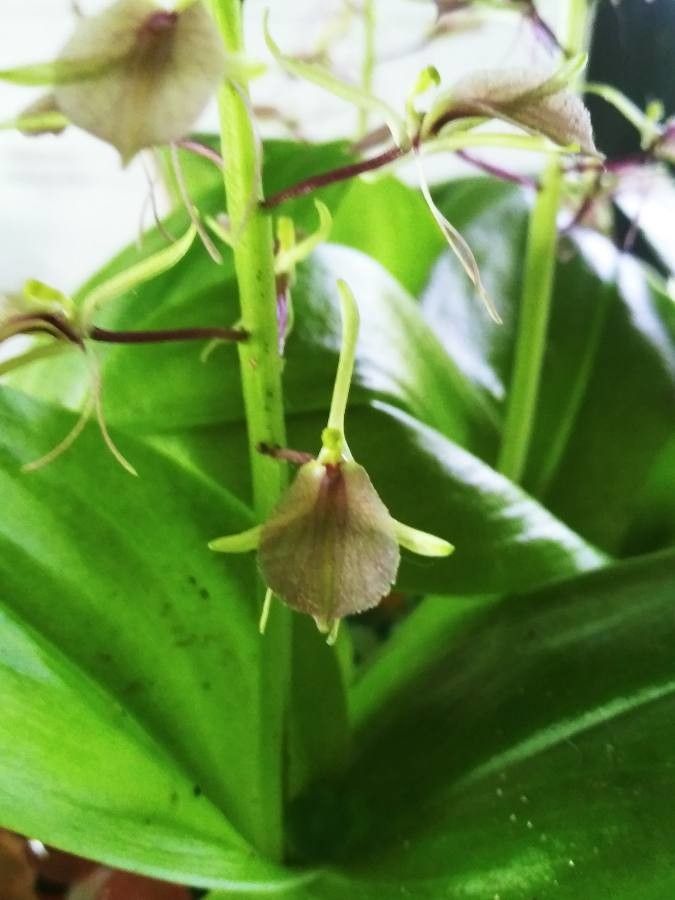
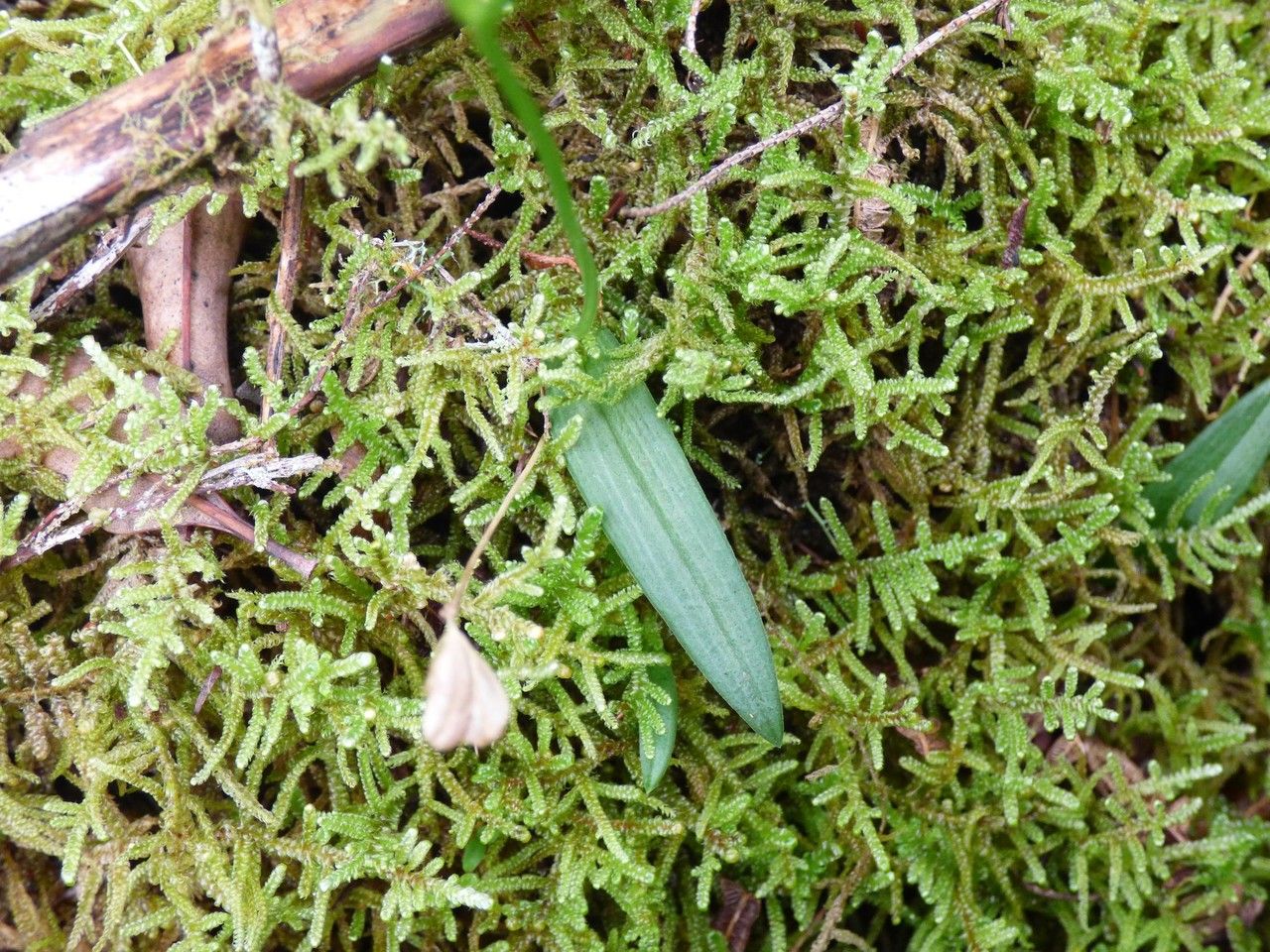
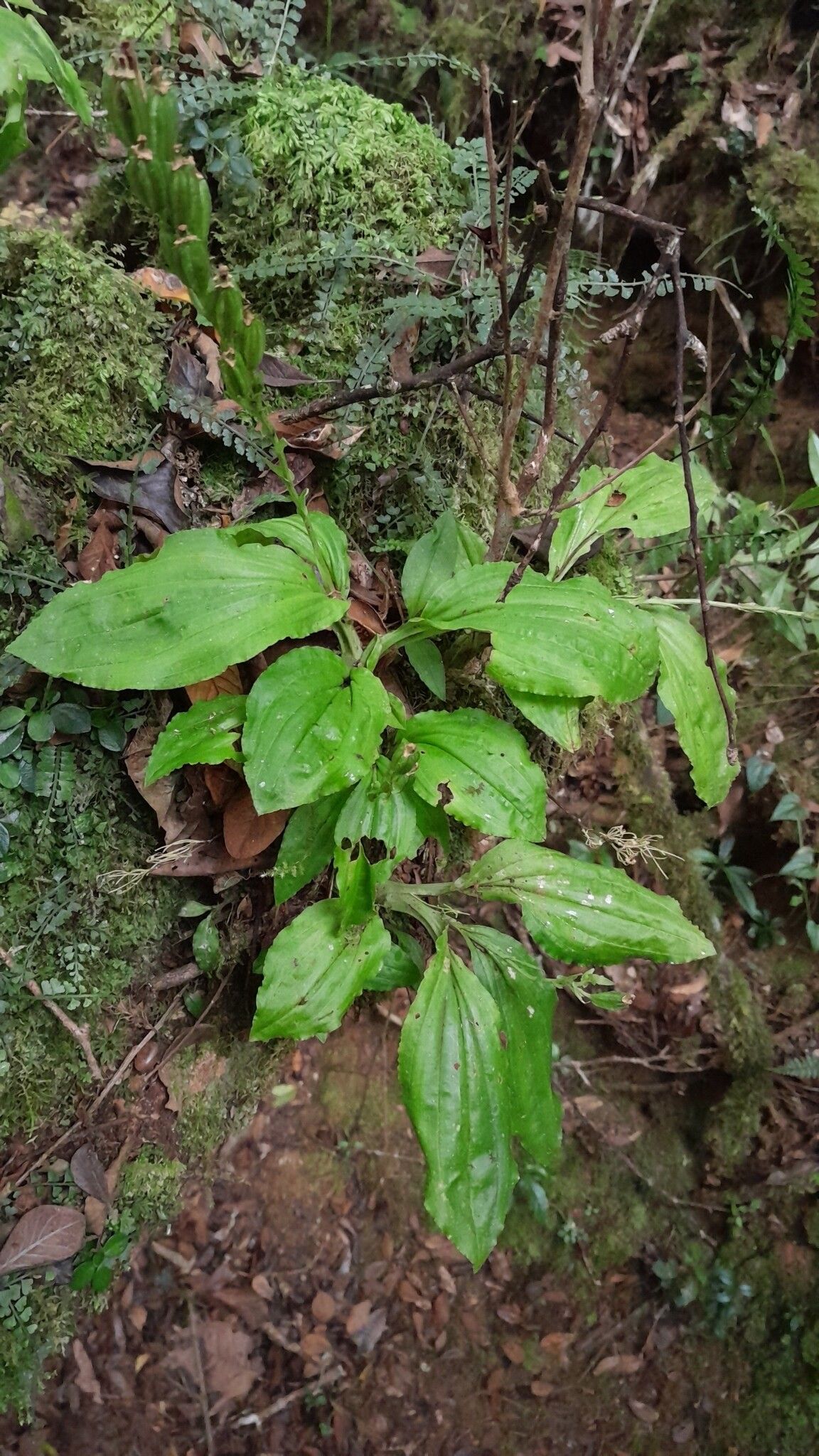
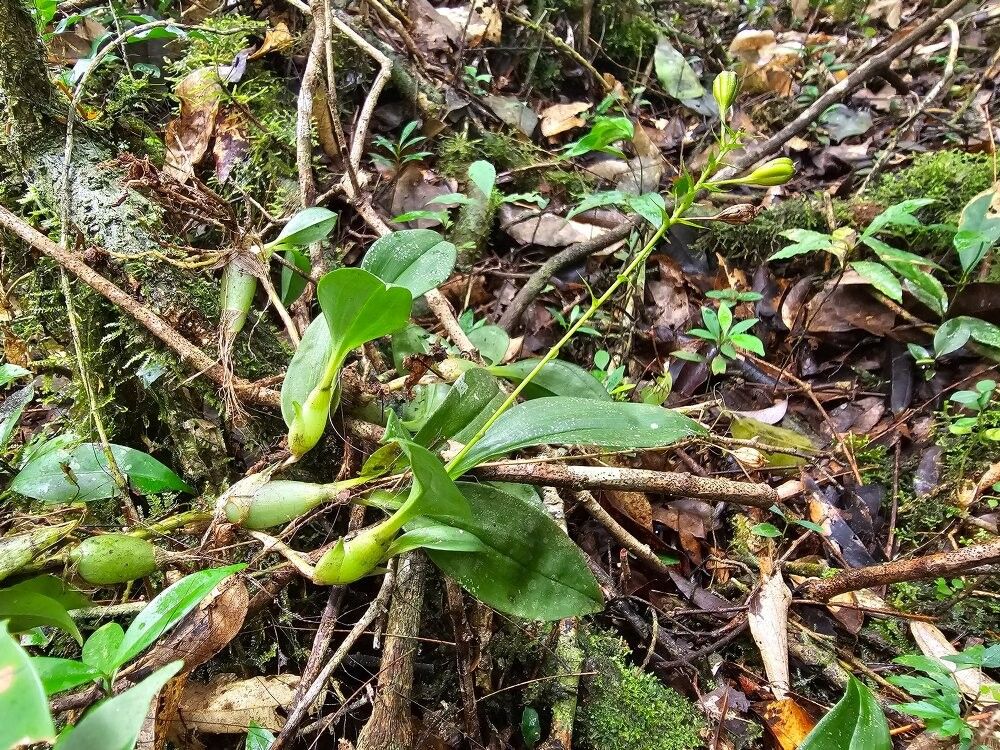
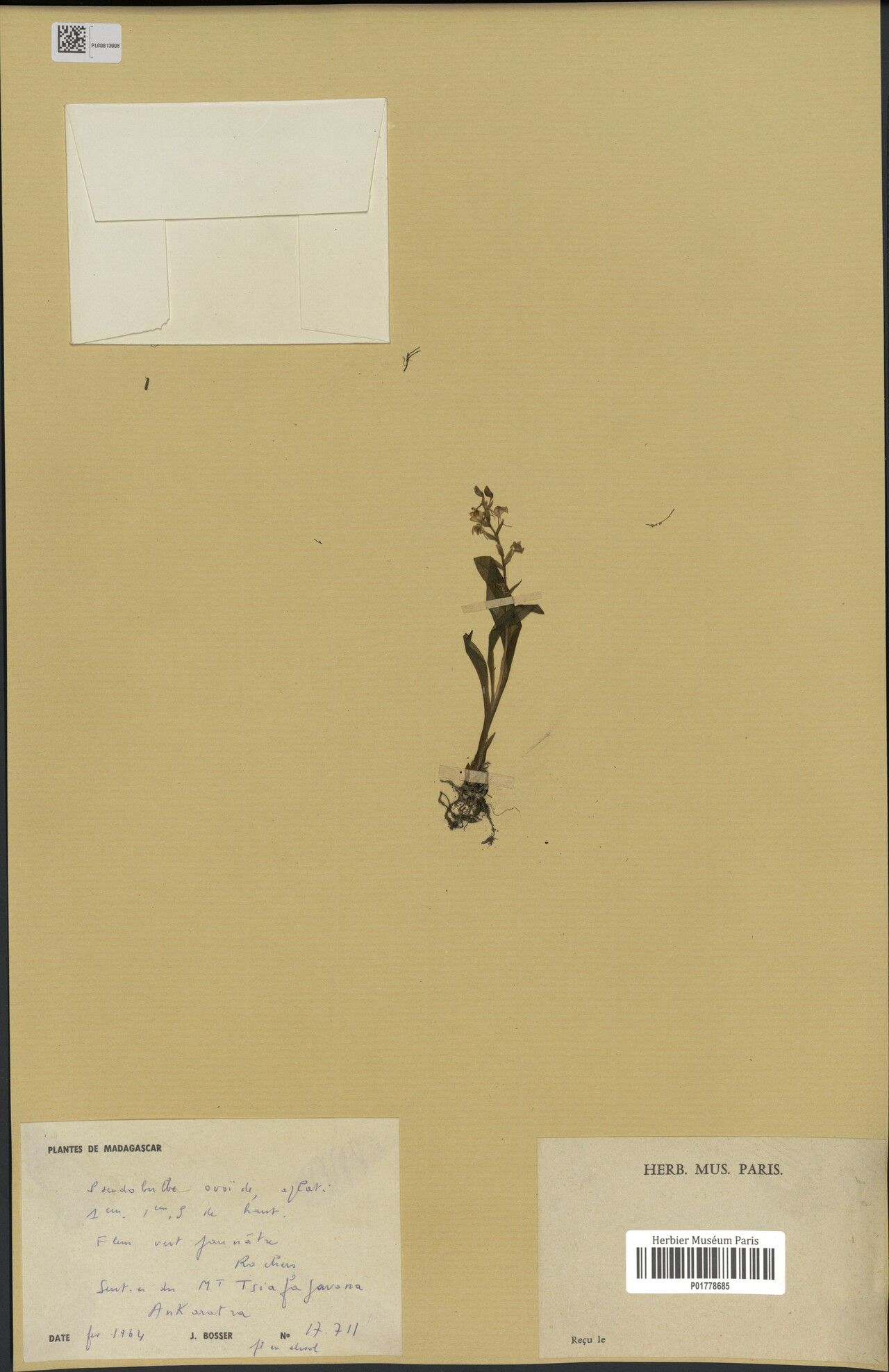
Liparis liliifolia, known as the brown widelip orchid, lily-leaved twayblade, large twayblade, and mauve sleekwort, is a species of orchid native to eastern Canada and the eastern United States. It can be found in a variety of habitats, such as forests, shrublands, thickets, woodlands, and mountains. The orchid is considered globally secure, but it is considered rare or endangered in many northeastern states.
The Brown widelip orchid typically exhibits strong resistance to disease and encounters relatively few insect pests. Its care is considered challenging because it requires high humidity together with good air circulation and minimal harmful pathogens. Overwatering can cause root rot. While anyone can grow the Brown widelip orchid, keeping it healthy and getting it to bloom again requires more cultivation experience.
How to keep Liparis Liliifolia.
Light
The brown widelip orchid grows best with moderate sunlight. It needs a balance of shade and sun, reflecting its original environment. Although it tolerates low light, too little light can hinder its growth. Conversely, too much light can scorch its leaves, harming its health and longevity.
Water
The brown widelip orchid thrives in the humid understories of forests and needs consistent moisture to grow well. When cultivated indoors, it benefits from higher humidity levels. To achieve this, you can place the orchid pot on a tray filled with water and pebbles. This setup provides evaporative moisture without the risk of stagnant water. Additionally, watering the orchid once a week will help maintain the necessary moisture levels for optimal growth.
Temperature
The brown widelip orchid is naturally adapted to a moderate climate and thrives best at temperatures of 41 to 89.6 °F (5 to 32 °C). When cultivating it, provide cool winters and warmer summers to replicate its native environment.
Fertilizer
For the Brown widelip orchid, the main time to fertilize is in early spring while the flowers are forming. Using the proper fertilizer promotes better blooms and helps the Brown widelip orchid produce attractive flowers. Fertilizing in early spring secures excellent flowering during the season and supplies energy for dormant growth periods.
Pruning
The brown widelip orchid showcases stunning flowers and unique leaves. To encourage healthy growth and vibrant blooms, prune the plant from early to late spring, removing any dead leaves and spent flower spikes. Regular pruning also enhances air circulation. Be sure to use clean, sharp tools to prevent the spread of diseases.
Botanical profile.
- Plant Type
- Herb
- Life Cycle
- Perennial
- Genus
- Liparis
- Family
- Orchidaceae
- Hardiness Zone
- 5-8
- Mature Height
- 8 cm to 25 cm
- Mature Spread
- 15 cm
- Leaf Color
- Light Green
- Leaf Type
- Deciduous
- Flower Color
- Purple
- Flower Size
- 1.27 cm to 2.54 cm
- Bloom Time
- Mid spring, Late spring
- Planting Time
- Spring, Summer, Autumn
- Harvest Time
- Early summer, Mid summer
Other names.
Reader questions.
What are the sunlight requirements for the Brown Widelip Orchid?
The Brown Widelip Orchid requires partial sun, meaning it thrives with about 3-6 hours of sunlight daily. It's important to monitor the movement of sunlight through your garden to ensure plants get a balanced mix of light and shade, mimicking their natural environment for optimal health. Excessive sunlight can burn the leaves, while insufficient light may stunt the plant's growth. Additionally, for indoor plants that lack natural sunlight, especially during winter or in less sunny areas, artificial lighting can be a suitable alternative. LED lights are recommended for their ability to provide specific wavelengths needed by the plants, with different wattages suggested based on the plant's sunlight needs.
What is the optimal climate for growing a Brown widelip orchid?
The Brown widelip orchid, also known by its botanical name Liparis liliifolia, thrives in a moderate climate, with temperatures ranging from 41 to 89.6 °F (5 to 32 °C). To mimic its natural habitat and ensure healthy growth, it's beneficial to provide cooler conditions in winter and warmer ones during the summer. This species exhibits strong cold resistance and generally does not require special frost protection measures. However, in exceptionally cold winters where temperatures might fall below -25°C, it's crucial to protect the plant using materials like soil or straw to cover it. Additionally, watering the plant abundantly before the first freeze in autumn is recommended, as this keeps the soil moist and protects the plant from drought and water scarcity throughout the winter and into early spring.
What symptoms indicate insufficient or excessive sunlight for my Brown Widelip Orchid?
Symptoms of insufficient sunlight in the Brown Widelip Orchid include smaller new leaves, leggy or sparse growth, accelerated leaf drop, slowed or halted growth, and paler new leaves. Excessive sunlight can lead to chlorosis (leaves turning yellow due to the breakdown of chlorophyll), sunscald (damaged leaves or stems from intense exposure), leaf curling (to minimize water loss), wilting (due to increased water loss), and leaf scorching (brown, crispy leaf edges/parts). These symptoms help identify if the plant is not receiving the optimal amount of sunlight.
How should I care for my Brown widelip orchid in low temperatures?
The Brown widelip orchid is cold-tolerant and best kept in temperatures above 5°C. If winter temperature predictions fall below -20°C, and especially under -25°C, the plant might not show immediate changes but could suffer delayed sprouting or potentially not sprout at all in the following spring. In such cases, at the arrival of spring, it is advisable to remove any parts of the plant that have failed to sprout as part of the orchid's care regimen.
How can I manage light exposure for my Brown Widelip Orchid to optimize its growth?
To optimize light exposure for the Brown Widelip Orchid, consider gradually shifting the plant to sunnier spots each week to reach the recommended 3-6 hours of direct sunlight daily. For indoor plants, particularly large ones or those not easily moved, supplementing with artificial light, such as keeping a desk or ceiling lamp on for at least 8 hours daily, can be beneficial. Outdoor plants should also be gradually moved to sunnier locations to avoid sunburn. If sunlight is blocked by trees or other obstructions, pruning or transplanting the plant to a sunnier location may be necessary. Remember that parts of the plant affected by poor light conditions may not recover, but new growth should appear healthy with improved light exposure.
What measures should be taken if a Brown widelip orchid experiences high temperatures?
During the summer months, it's important to ensure that temperatures around the Brown widelip orchid do not exceed 32°C. Exposure to temperatures above 35°C can result in the plant's leaves turning a lighter color, becoming more prone to curling, suffering from sunburn, and in severe circumstances, wilting and drying out completely. To combat these issues, sunburned and dried parts of the plant should be trimmed away. Moving the plant to a shaded area or utilizing a shade cloth can protect it from the harsh midday and afternoon sun. Additionally, watering the plant in the morning and evening will help keep the soil moist and further aid in protecting the plant under high temperature conditions.