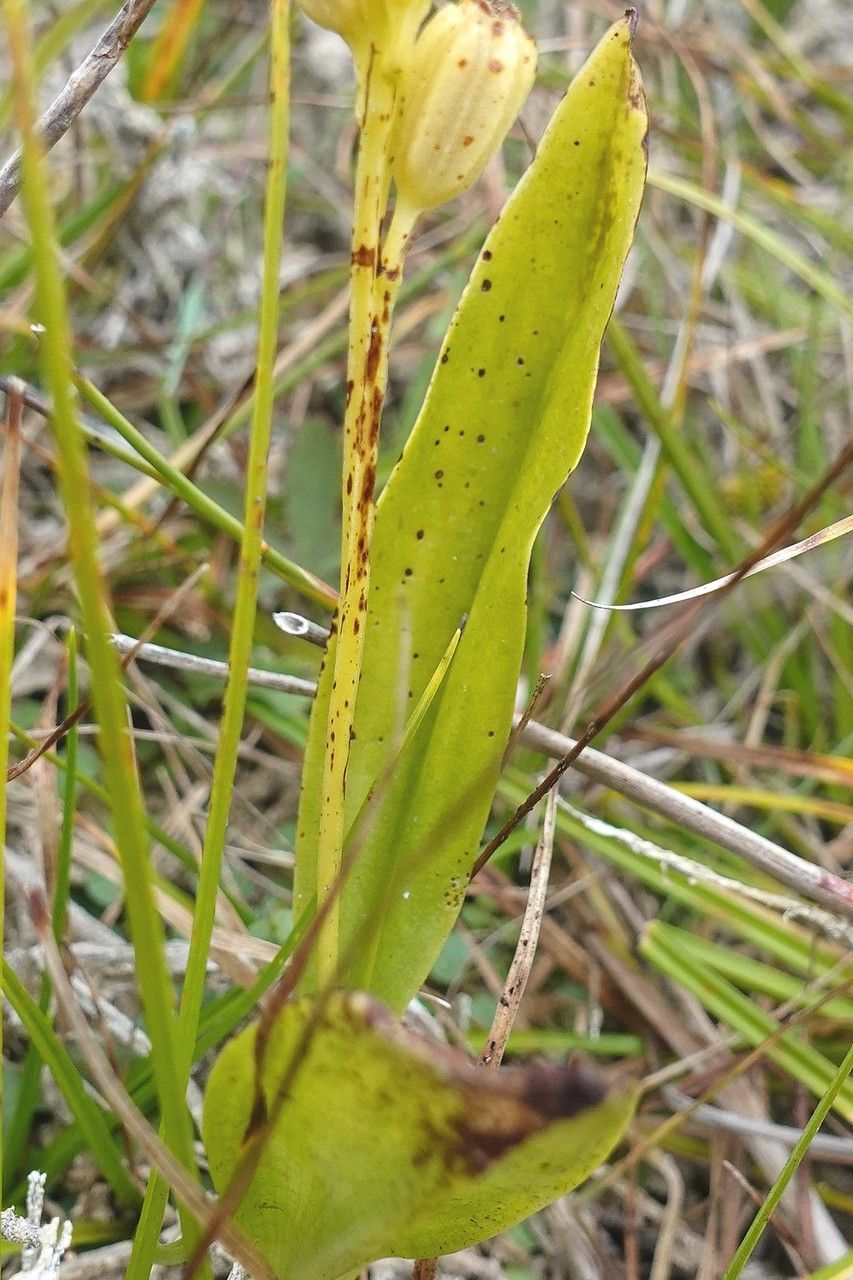
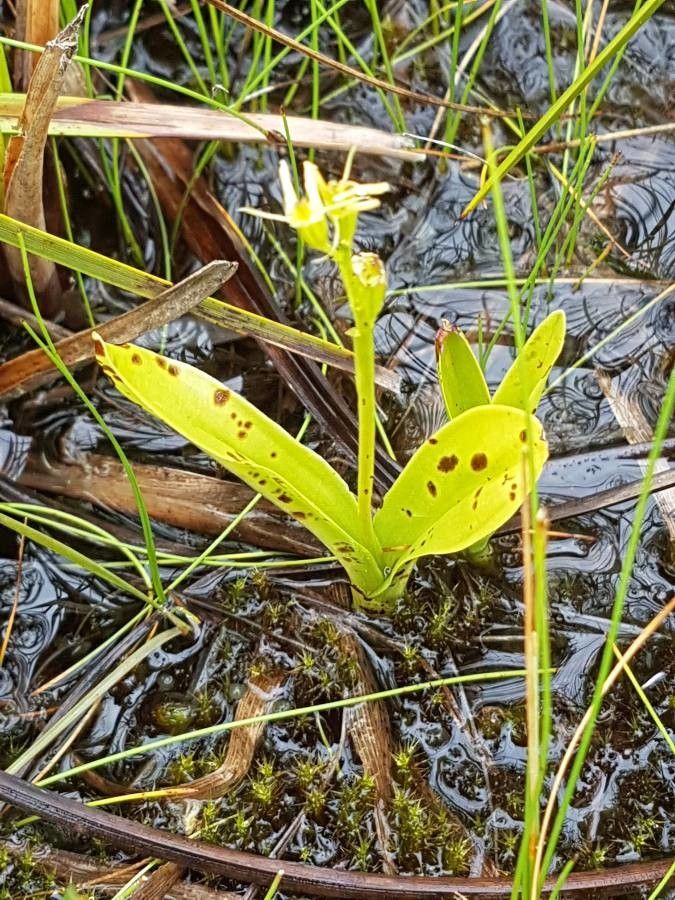
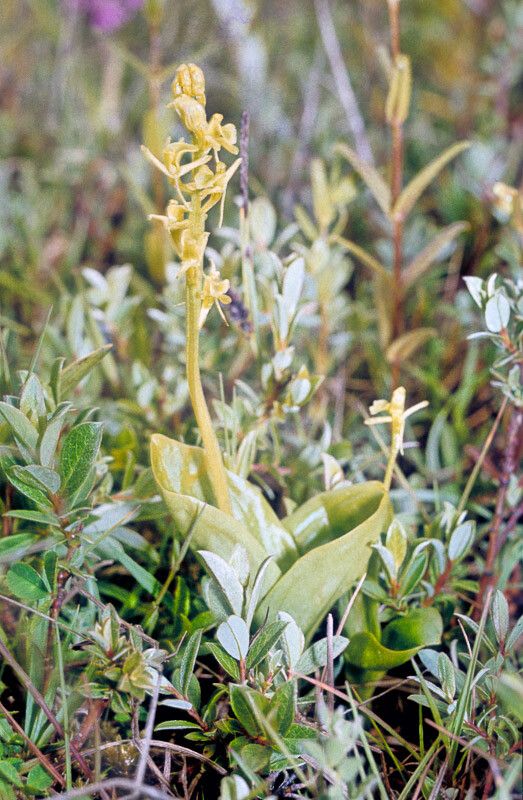
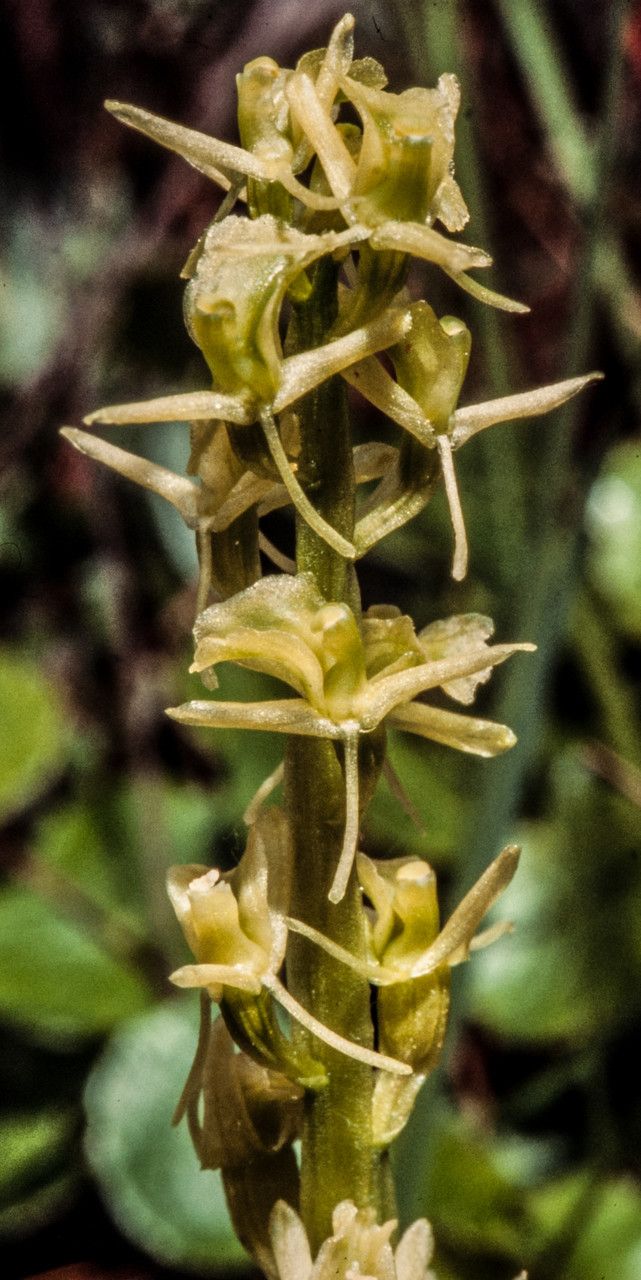
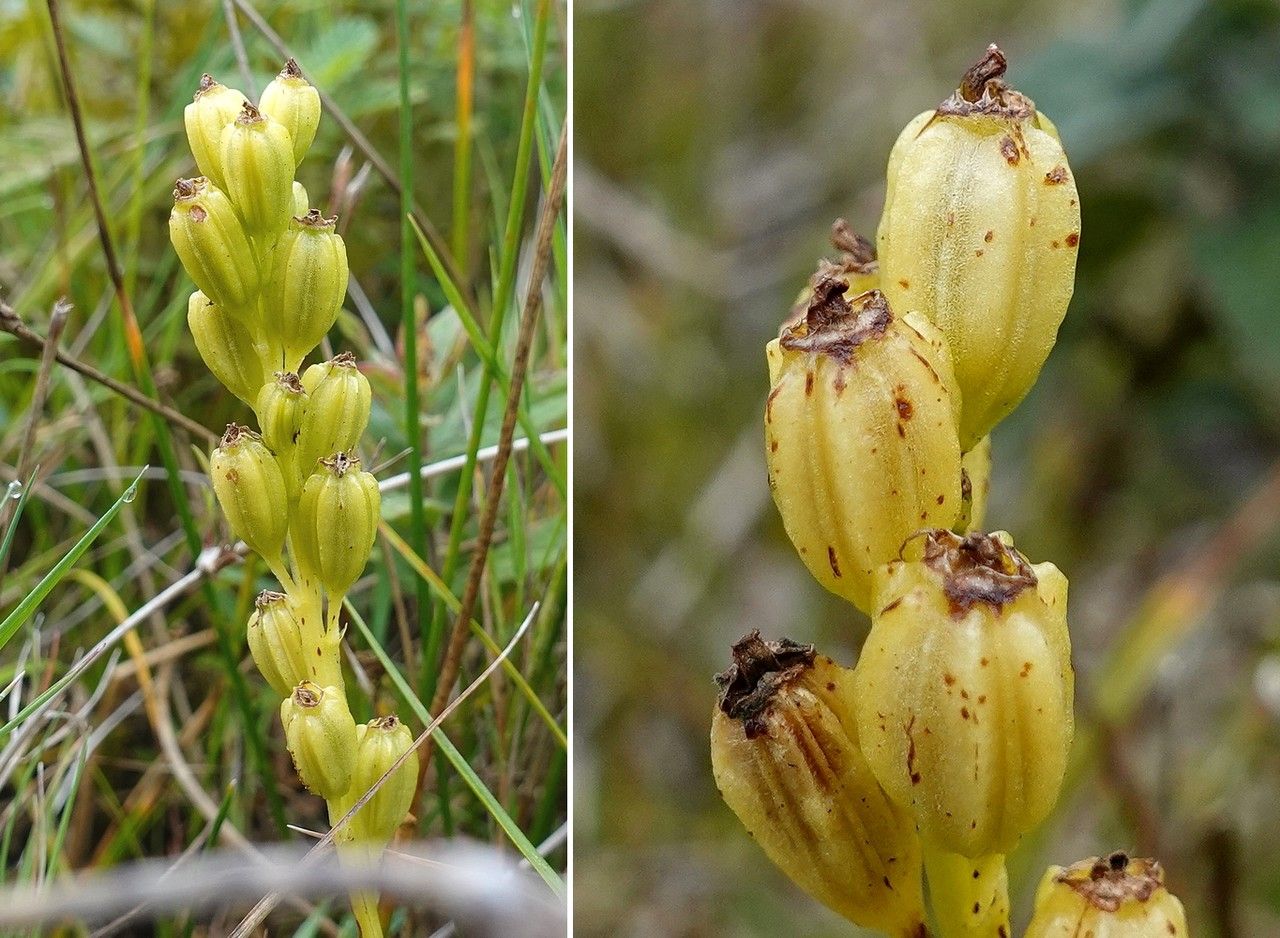
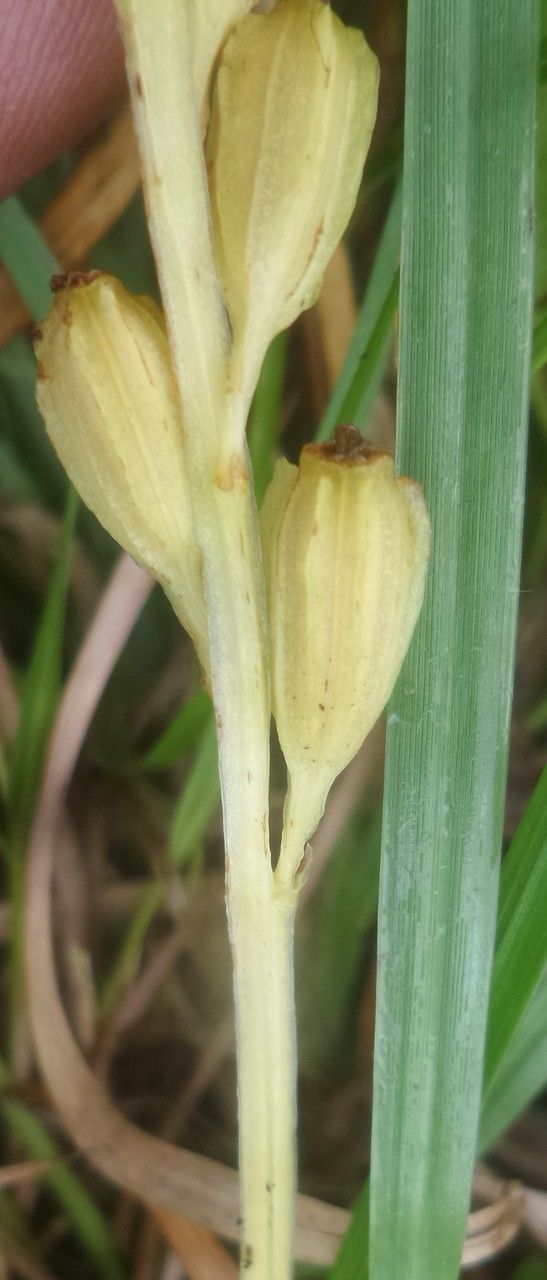
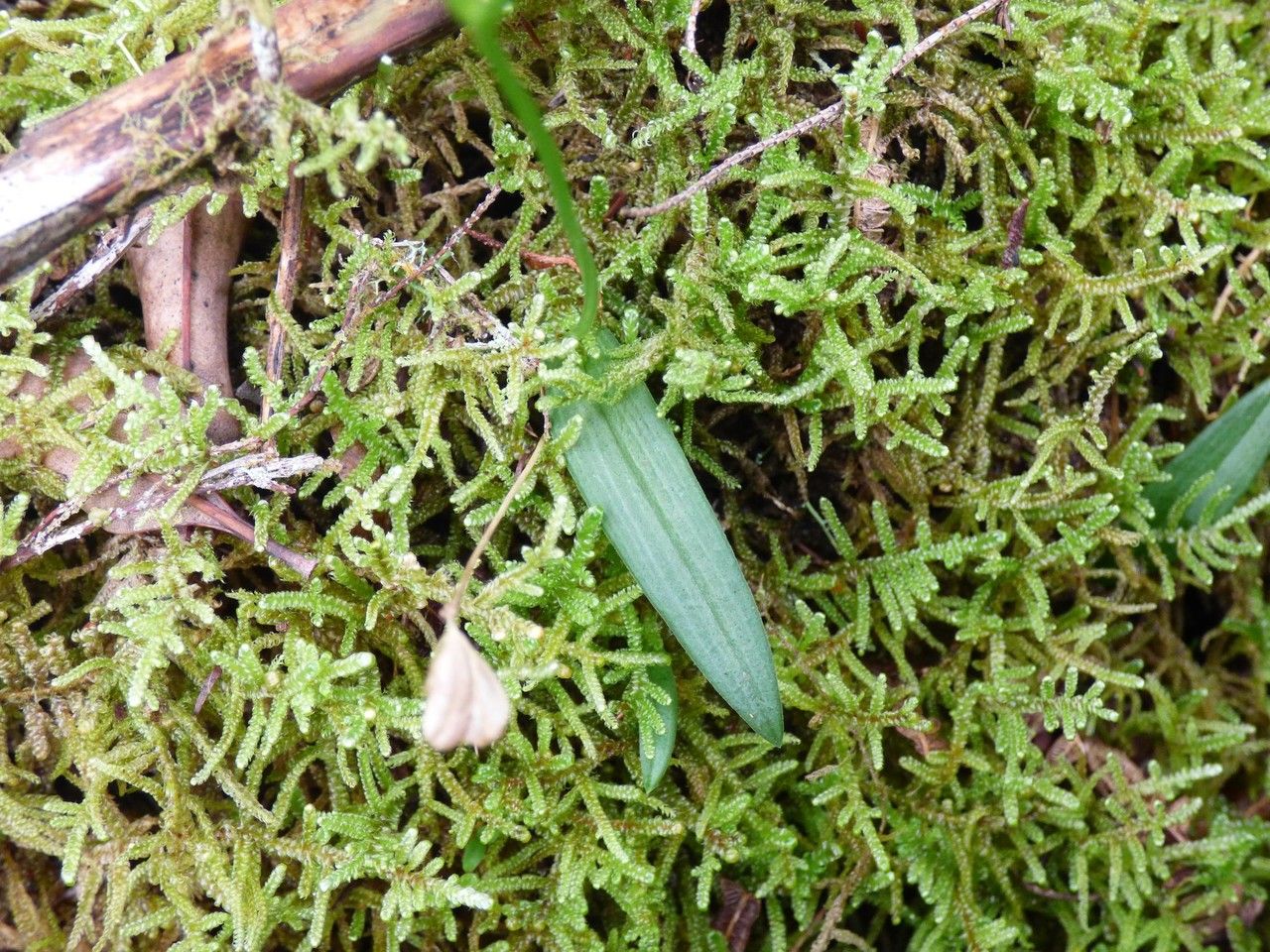
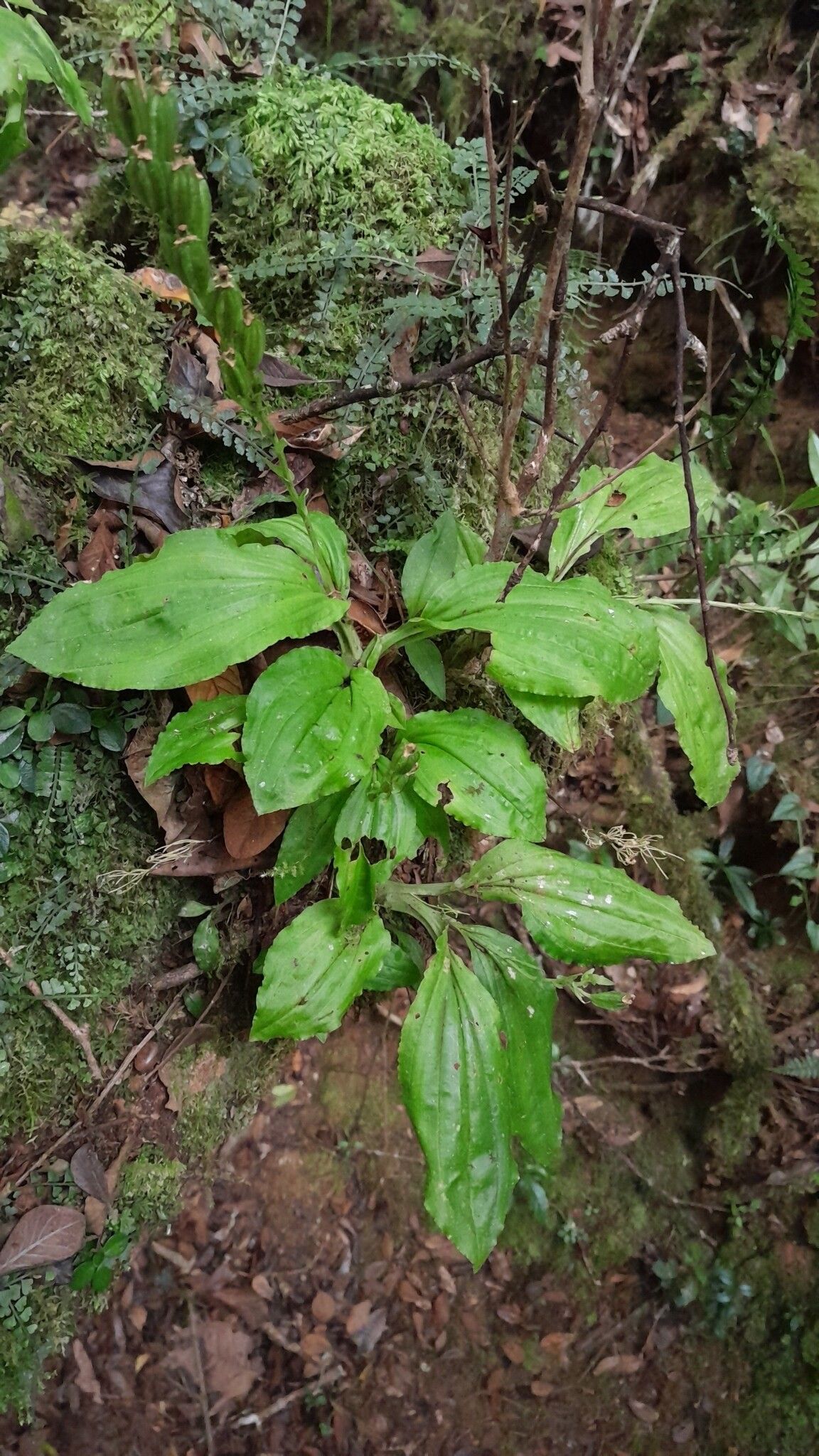
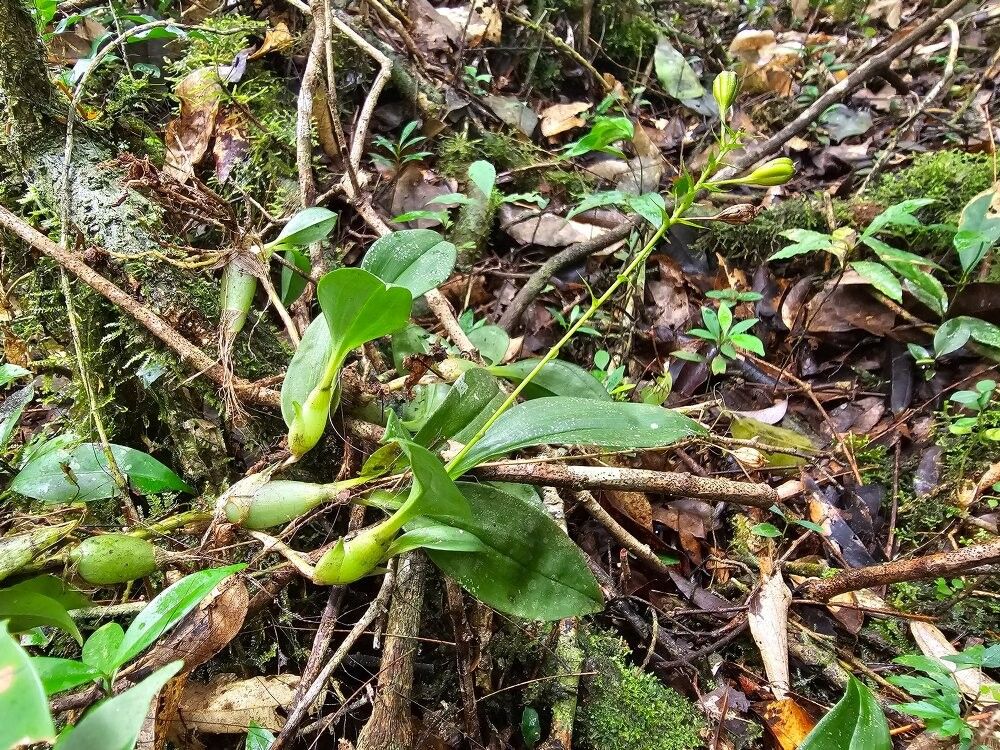
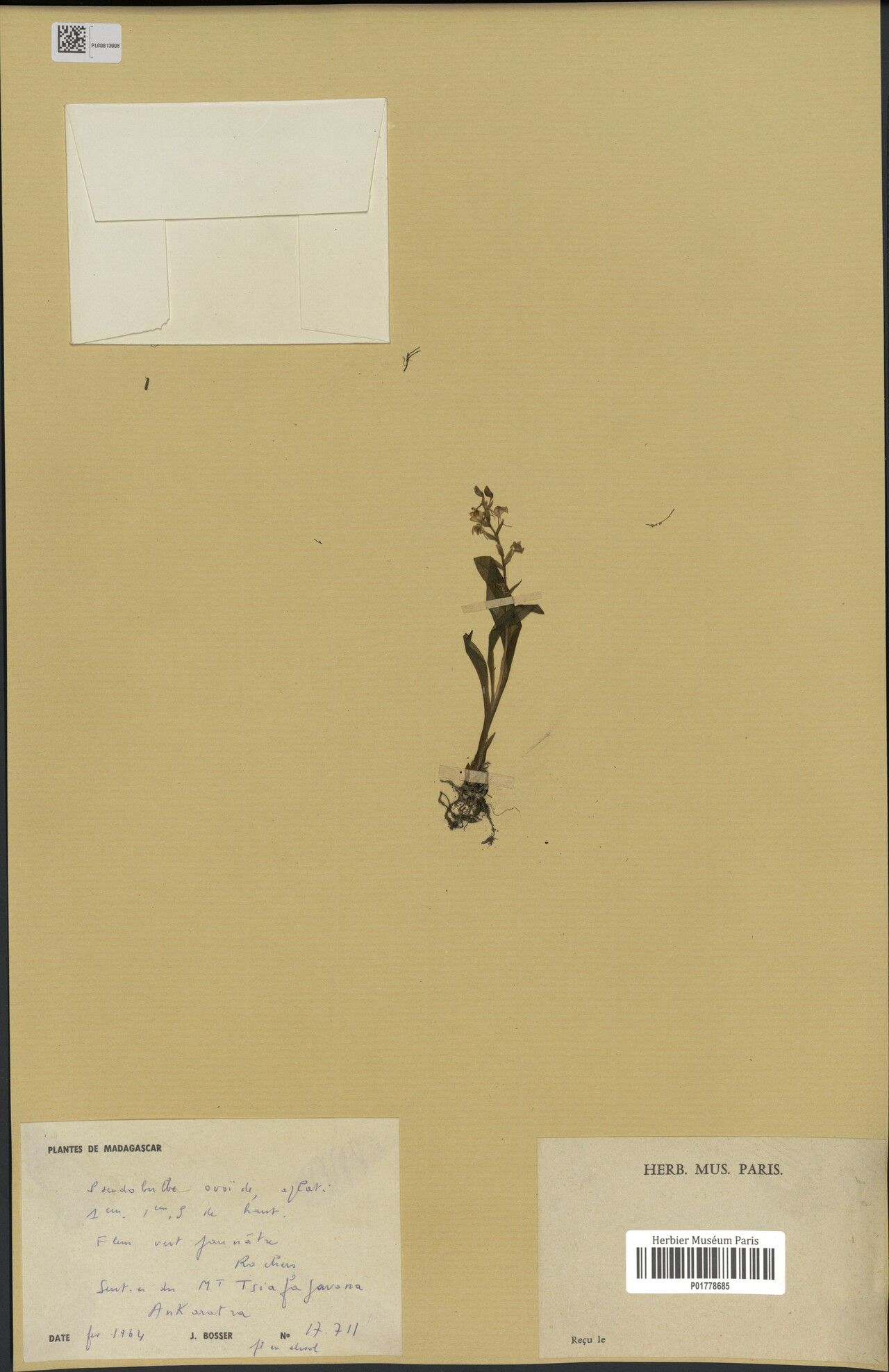
Liparis loeselii, the fen orchid, yellow widelip orchid, or bog twayblade, is a species of orchid. It is native to Europe, northern Asia, the eastern United States, and eastern Canada. It grows in fens, bogs and dune slacks. It has yellow flowers and glossy yellow-green leaves. SubspeciesLiparis loeselii subsp. loeselii - Europe, Russia, Kazakhstan, Canada, United States Liparis loeselii subsp. orientalis Efimov - Altay region of Russia Liparis loeselii subsp. sachalinensis (Nakai) Efimov - Sakhalin Island in Russia
The Yellow widelip orchid is generally resistant to disease and is affected by relatively few insect pests. Its care is considered difficult because it requires high humidity along with good ventilation and an environment with few harmful pathogens. Overwatering can result in root rot. Anyone can grow the Yellow widelip orchid, but keeping it healthy and encouraging it to flower again requires more growing experience.
How to keep Liparis Loeselii.
Light
Yellow widelip orchid thrives in full, unshaded sunlight and can also sustain growth in areas that receive moderate solar radiation. However, excessive sun exposure can accelerate wilting, while insufficient light can impede its growth and delay flowering. It is notable that this plant evolved in habitats with abundant sunshine.
Water
The Yellow Widelip Orchid thrives in moist environments, preferring consistent humidity and weekly watering. It is best suited for indoor cultivation, where humidity can be controlled. Providing adequate moisture during its growth cycles is essential for healthy foliage and blooms, although the plant can withstand brief periods of dryness.
Temperature
The yellow widelip orchid does best in cool, temperate climates and generally prefers temperatures between 41 and 89.6 °F (5 to 32 ℃). To promote proper growth, keep a close eye on seasonal temperatures and cool or warm as needed to maintain that preferred range.
Fertilizer
For the Yellow widelip orchid, the best time to fertilize is in early spring when the flowers are forming. The appropriate fertilizer promotes improved blooms and helps the Yellow widelip orchid produce attractive flowers. Fertilizing in early spring ensures good flowers throughout the season and provides energy for dormant growth phases.
Pruning
The yellow widelip orchid is characterized by its vibrant yellow flowers and slender form. For optimal health, prune the plant from early to late spring. This helps improve air circulation and lowers the risk of disease. Be sure to remove any damaged stems, but avoid excessive cutting to prevent stressing the plant. This approach encourages healthier blooms and enhances the orchid's vitality.
Botanical profile.
- Plant Type
- Herb
- Life Cycle
- Perennial
- Genus
- Liparis
- Family
- Orchidaceae
- Hardiness Zone
- 4-7
- Mature Height
- 8 cm to 25 cm
- Mature Spread
- 30 cm
- Leaf Color
- Yellow Green, Light Green
- Leaf Type
- Evergreen
- Flower Color
- Yellow, Green
- Flower Size
- 0.51 cm to 0.76 cm
- Bloom Time
- Early summer, Mid summer
- Planting Time
- Spring, Summer, Autumn
- Harvest Time
- Late summer, Early fall
Other names.
Reader questions.
How should I water my Yellow widelip orchid in the best way?
The way you water your Yellow widelip orchid depends on whether it is in an active growth phase or not. During this phase, you should water the soil and occasionally water overhead if it's warm to allow the plant to absorb moisture through its leaves. In winter or cool, wet weather, stick to watering the soil directly. Signs that your orchid needs more water include thin and dry roots and leaves or discoloration. Too much water will make the orchid look mushy and limp. Use a pot with excellent drainage and water the plant multiple times per week during the growing season. Make sure the water drains quickly to avoid standing water. The size of the pot determines the amount of water needed, with larger pots needing less frequent watering. Rainwater and distilled water are best, and try to match the water temperature to the air.
What are the sunlight requirements for a Yellow widelip orchid?
The Yellow widelip orchid requires full sun, meaning it needs above 6 hours of sunlight daily, to thrive. It can also grow in partial sun, which entails about 3-6 hours of sunlight. It's essential to observe your garden's sunlight patterns to ensure you plant your Yellow widelip orchid in a location that provides a balance of light and shade, catering to its needs for optimal growth.
What is the ideal temperature range for the Yellow Widelip Orchid?
The Yellow Widelip Orchid, also known by its botanical name Liparis loeselii, thrives in cooler, temperate climates, favoring temperatures between 41 to 89.6 °F (5 to 32 °C). To ensure proper growth, it's important to monitor and adjust the environmental temperature according to the seasons to stay within this preferred range. This plant is highly cold-tolerant and does not require additional frost protection measures. However, to prepare for winter, it is recommended to water the plant generously before the first freeze in autumn to keep the soil moist and help prevent drought and water scarcity during the colder months.
What should I do if I give my Yellow widelip orchid too much water or too little water?
To avoid killing your Yellow widelip orchid, be mindful of the moisture level in the soil. While these plants require frequent watering during active growth, it's important that the soil drains quickly. Overwatering can lead to root rot, making the plant mushy. In such cases, use sterile pruning shears to remove any rotted roots and repot the orchid in a container with good drainage and a fast-draining potting mix. Keep in mind that excessive repotting may not be beneficial for this type of orchid, so it's crucial to find the right balance when watering. If your orchid appears underwatered and starts to shrivel or feel dry, it's likely that the soil is drying out faster than you anticipated. Increase the frequency of watering in such situations.
How does the Yellow widelip orchid react to different light conditions?
The Yellow widelip orchid flourishes under full, unobstructed sun and can also sustain growth moderately in zones with moderate solar radiation. However, too much sun can accelerate wilting, while insufficient sun might impede its growth and delay flowering. This plant originally evolved in environments with abundant sunshine. If natural sunlight is lacking, especially during winter or in darker spaces, artificial lighting such as LED lights may be used to substitute natural light, supporting healthier and faster growth. For full sun plants, 30-50W/sq ft of artificial light is recommended, partial sun plants require 20-30W/sq ft, and full shade plants need 10-20W/sq ft.
What should I do if the temperature drops below -30°C for my Yellow Widelip Orchid?
Although the Yellow Widelip Orchid is extremely cold-tolerant, temperatures below -30°C can be harmful. While there may not be any visible damage during the winter, there could be a significant decrease in or complete absence of sprouting in the spring. If this occurs, it's advisable to remove any parts of the plant that have failed to sprout as part of its spring care routine.
How frequently should I water my Yellow widelip orchid?
To ensure the proper care of your Yellow widelip orchid, follow these watering guidelines: 1. In the active growth stage (spring and summer), water the orchid once or twice per week. If the weather is hot and dry for an extended period, increase watering to three times per week or more. 2. In winter, the orchid still needs to be watered, but not as frequently. During the coldest months, watering two to three times per month is sufficient to keep the orchid alive. 3. If you keep the orchid indoors during winter, be aware that indoor growing locations can cause the soil to dry out faster. Consider increasing the number of monthly waterings accordingly. 4. Use the fall season to gradually reduce the watering frequency from the summer rate to the reduced winter watering schedule.
What are the signs of improper lighting for Yellow widelip orchids?
Improper lighting can lead to several symptoms in Yellow widelip orchids. Low light may cause smaller than usual new leaves, leggy growth, premature leaf drop, slower or stopped growth, and pale new leaves indicating a lack of chlorophyll and nutrients. Excessive sunlight can cause chlorosis, where leaves turn yellow and lose green color, sunscald marked by bleached areas on plant tissues, leaf curling as a defense against too much sunlight, wilting from water loss through transpiration, and leaf scorching characterized by brown, dry edges on leaves.
How do I care for my Yellow Widelip Orchid in high temperatures?
The Yellow Widelip Orchid struggles in high temperatures, specifically when the temperature exceeds 32°C. Under such conditions, its growth may halt, and it becomes prone to rot. To mitigate these effects, it's important to trim away any sunburned and dried-up parts of the plant. Relocating the plant to a shaded area or using a shade cloth to protect it from the midday and afternoon sun can be beneficial. Additionally, watering the plant in the morning and evening can help keep the soil moist and support the plant's health during hot weather.
What do I need to think about when watering my Yellow widelip orchid during different seasons and stages of growth?
When planning the watering schedule for your Yellow widelip orchid, there are two important growth phases to consider. The first is the active growth period, which occurs in spring and summer. During this time, the plant should be watered multiple times per week. The second important growth period is the rest period, which occurs in winter for about two to three months. During this time, the Yellow widelip orchid requires less water and fertilization. Watering once or twice per month is sufficient. In the fall, gradually reduce the frequency of watering from multiple times per week to once or twice per month, which is the appropriate rate for winter.
How can I address lighting issues for my Yellow widelip orchid?
To optimize growth, gradually move your Yellow widelip orchid towards a location where it gets at least 6 hours of sunlight if indoors, possibly near a south-facing window while keeping curtains open during the day. If the plant cannot be moved or requires additional light, consider utilizing artificial lighting for at least 8 hours daily. For outdoor plants, gradually acclimatize them to sunnier spots to prevent sunburn. If natural light is obstructed, trim obstructions or relocate the plant to ensure it receives sufficient sunlight. Remember, while adjusting light conditions can foster new healthy growth, parts of the plant already damaged by lighting issues might not recover.
If I grow my Yellow widelip orchid indoors, how should I water it differently?
The Yellow widelip orchid thrives in a relatively humid environment. However, indoor growing locations often lack the necessary air moisture, causing the plant and its soil to dry out quickly. To address this, it is recommended to use a humidifier in the room where you grow the orchid, and water it more frequently. It's important to note that while the orchid prefers humidity, it also needs proper air circulation to avoid excessive moisture and potential diseases. Including a fan in the room will help maintain the necessary air flow.