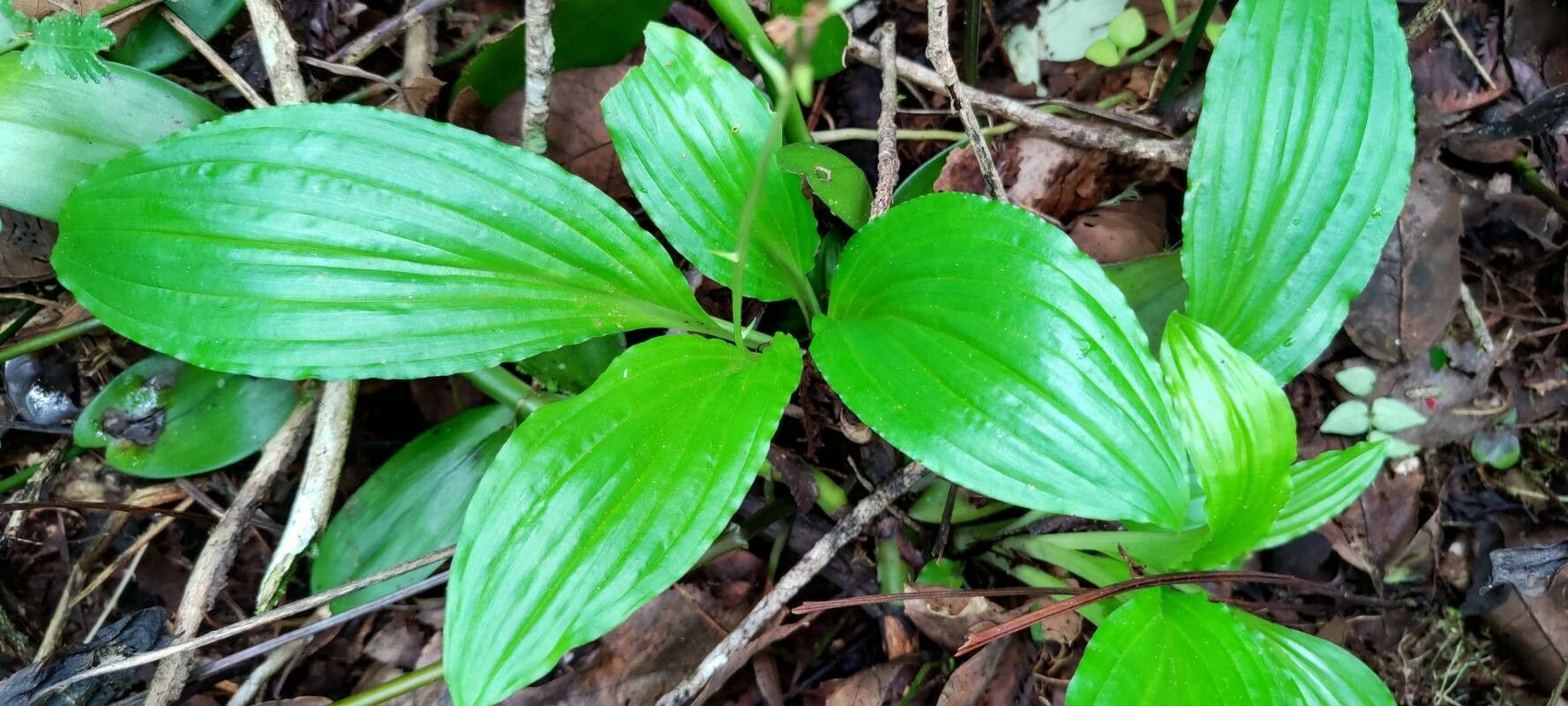
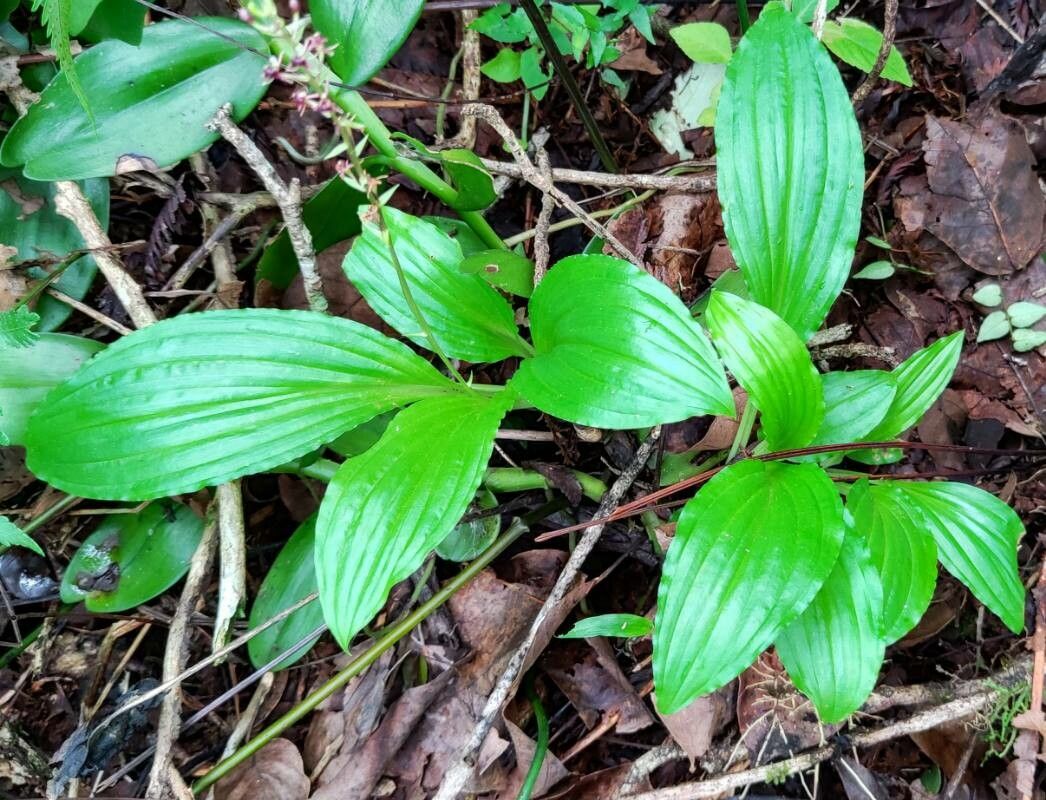
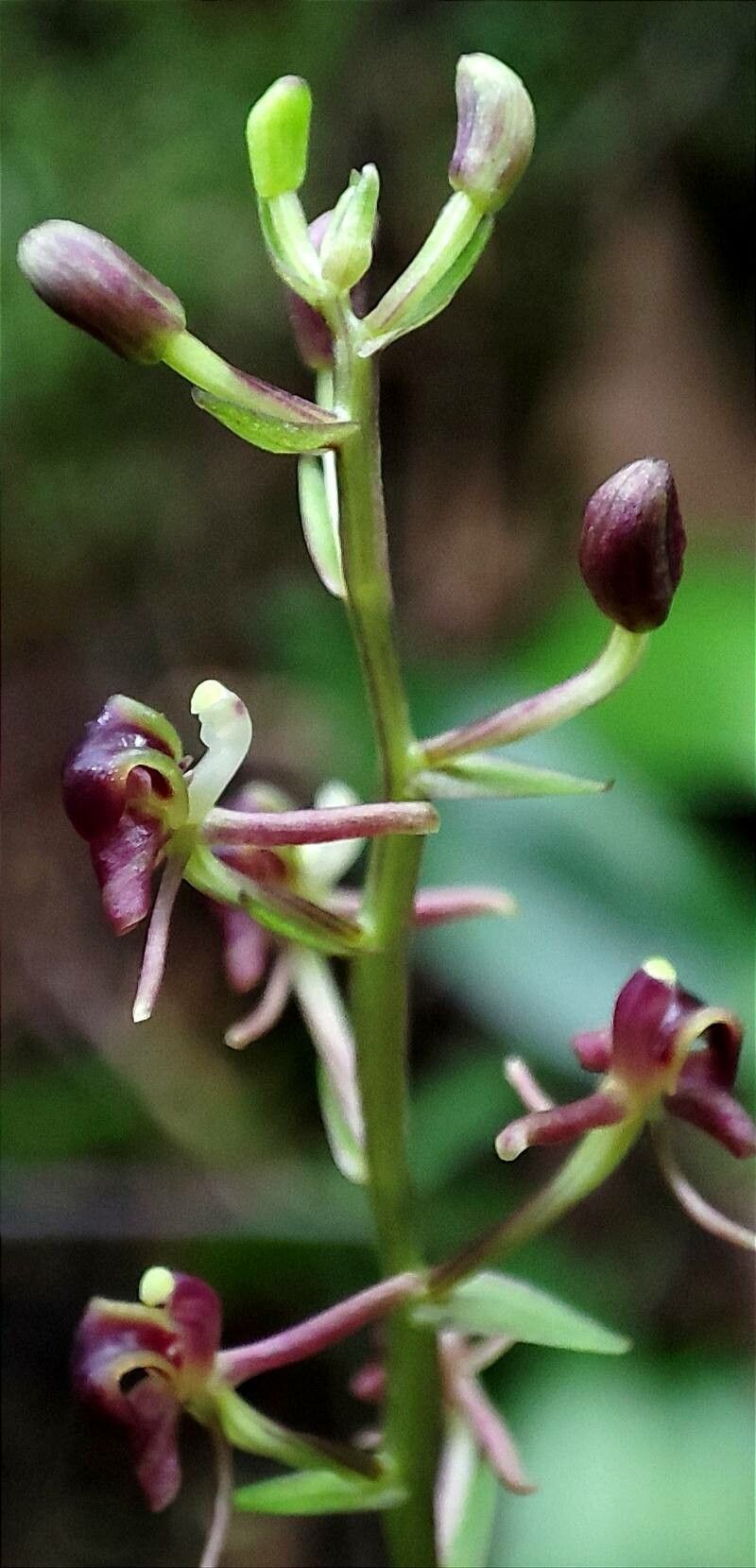
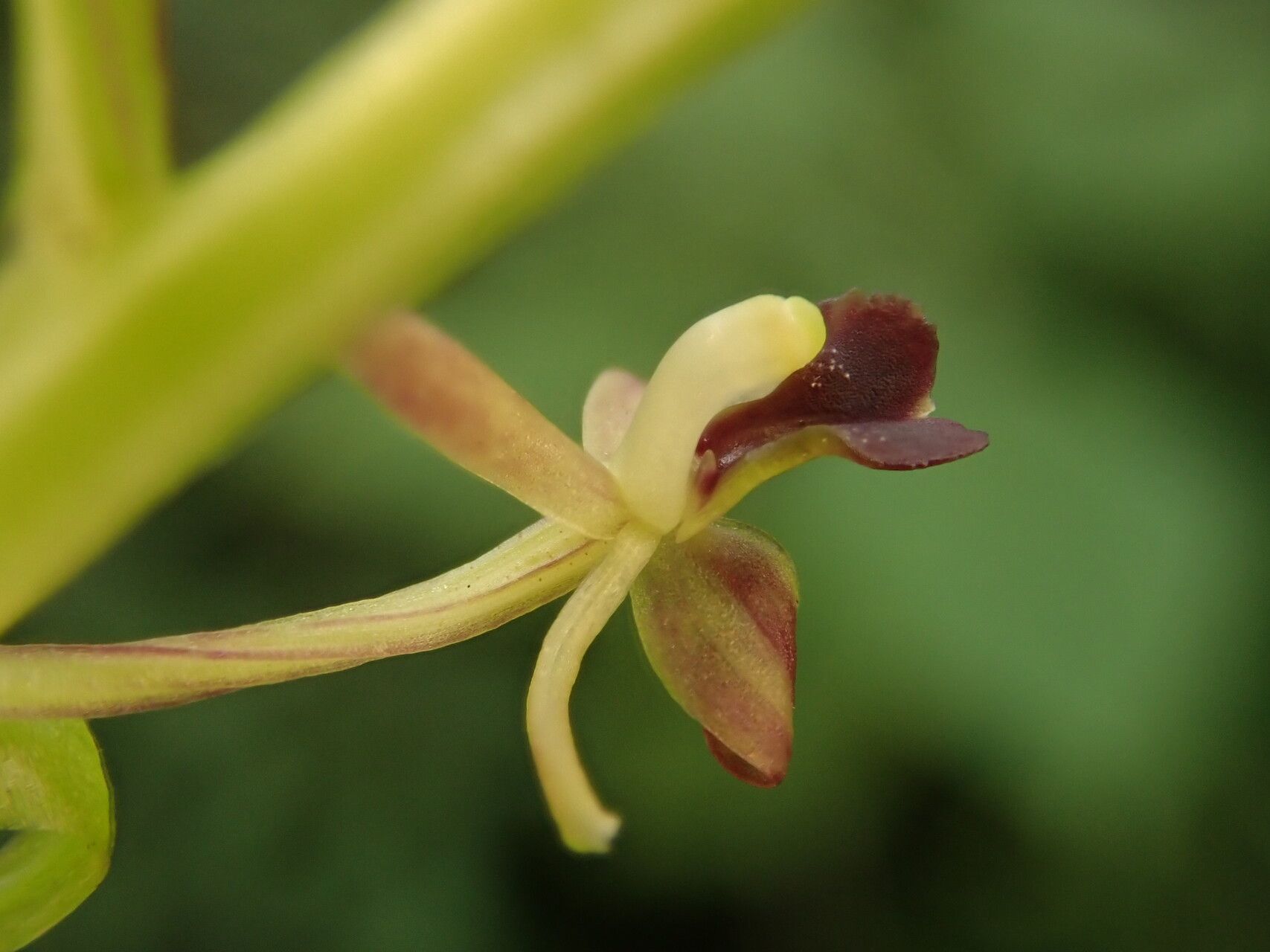
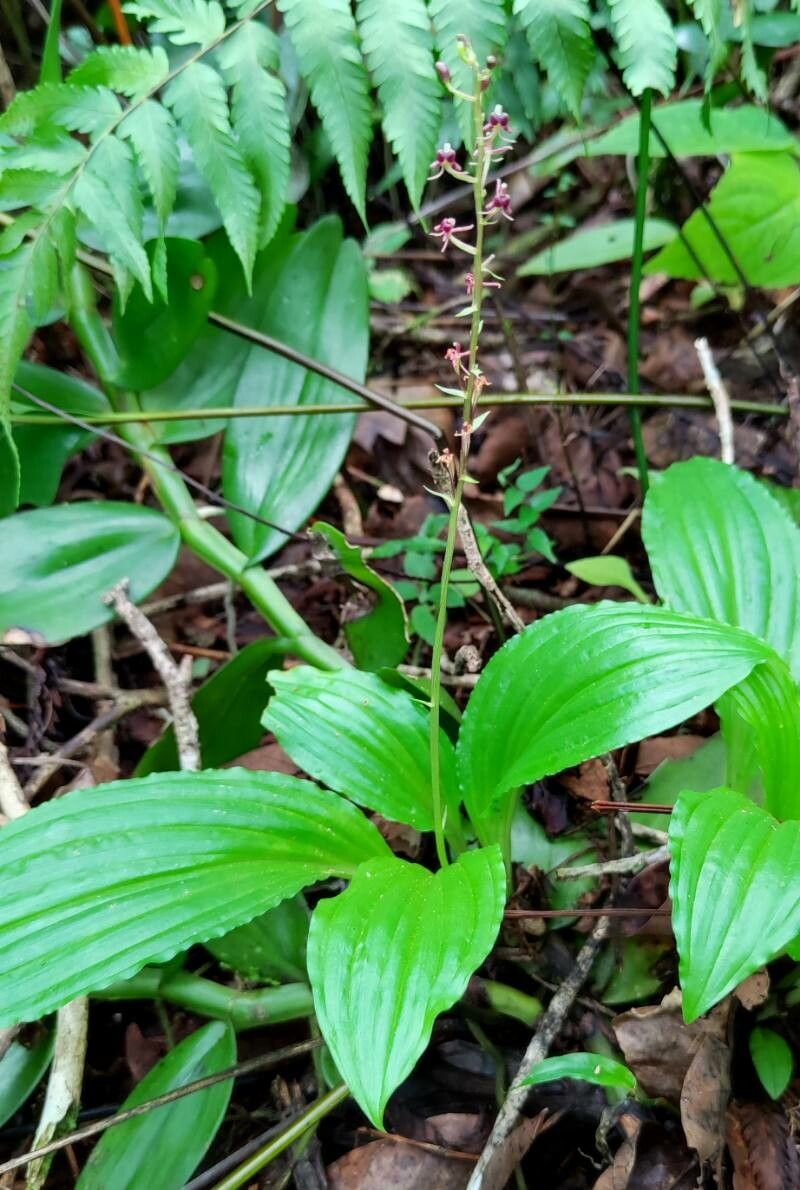
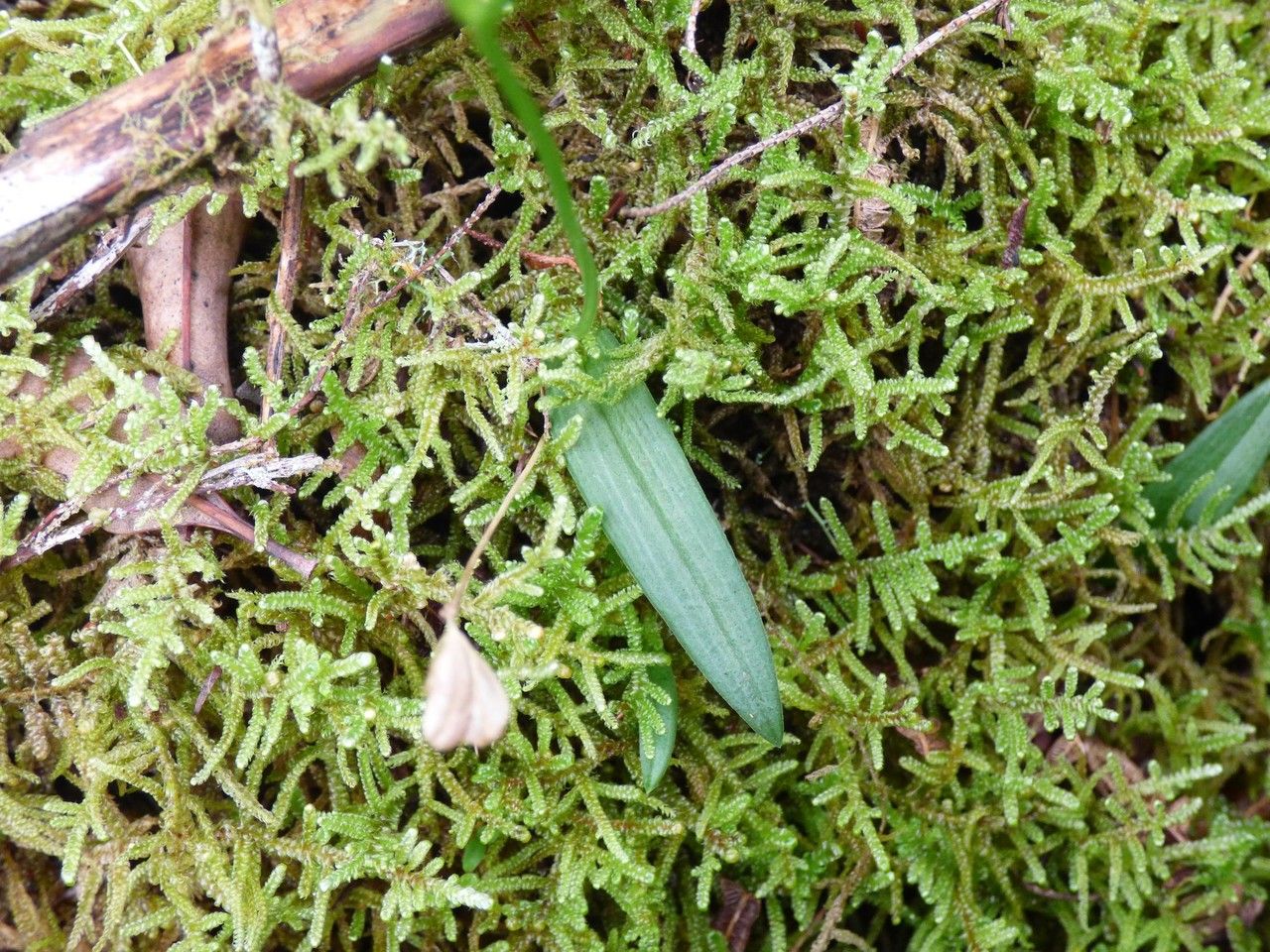
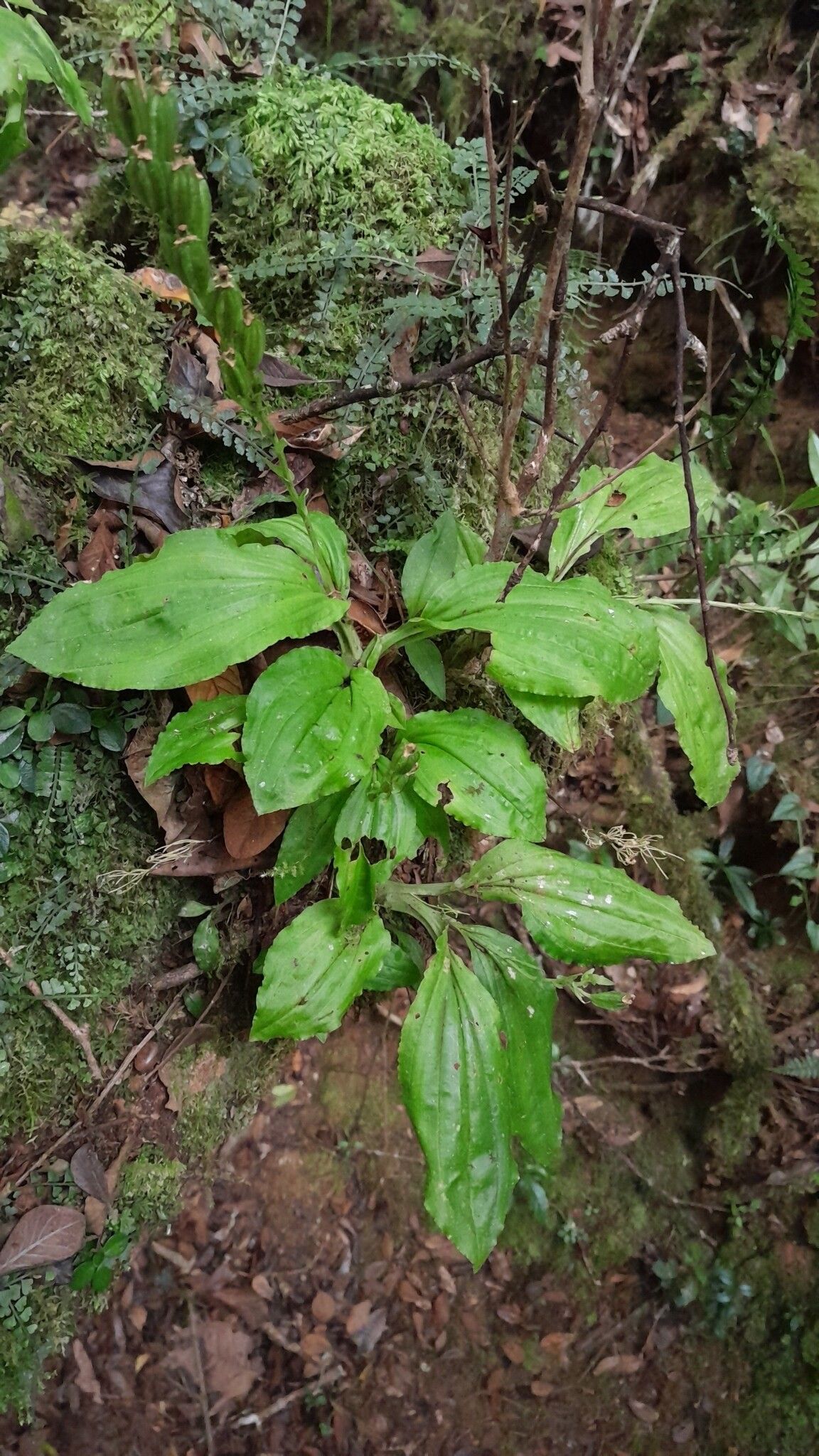
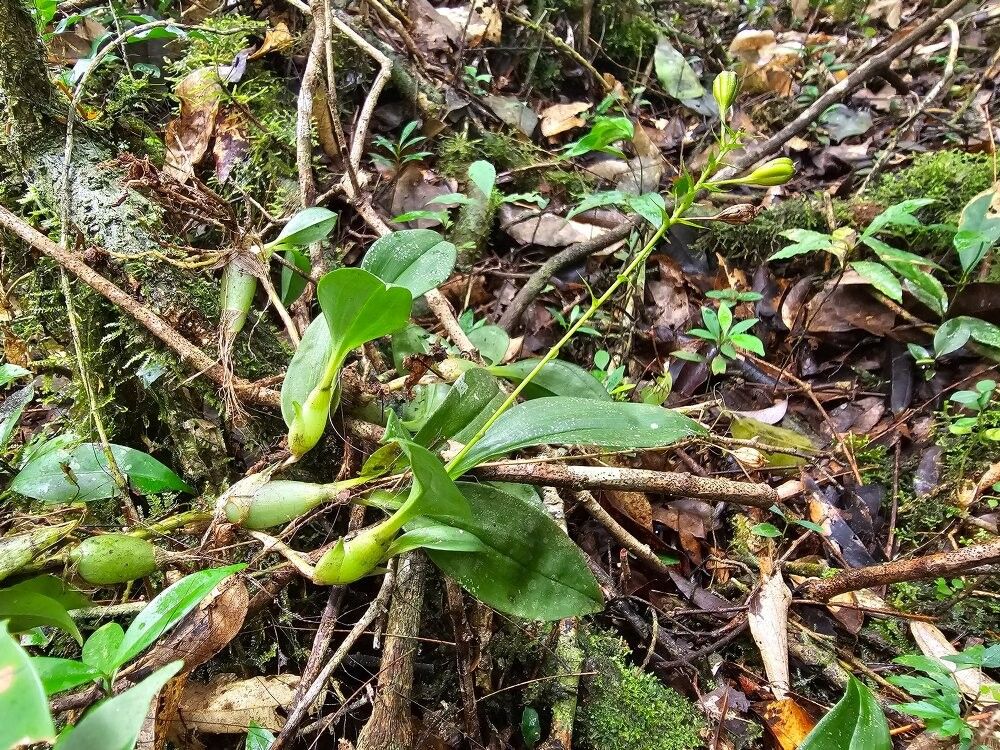
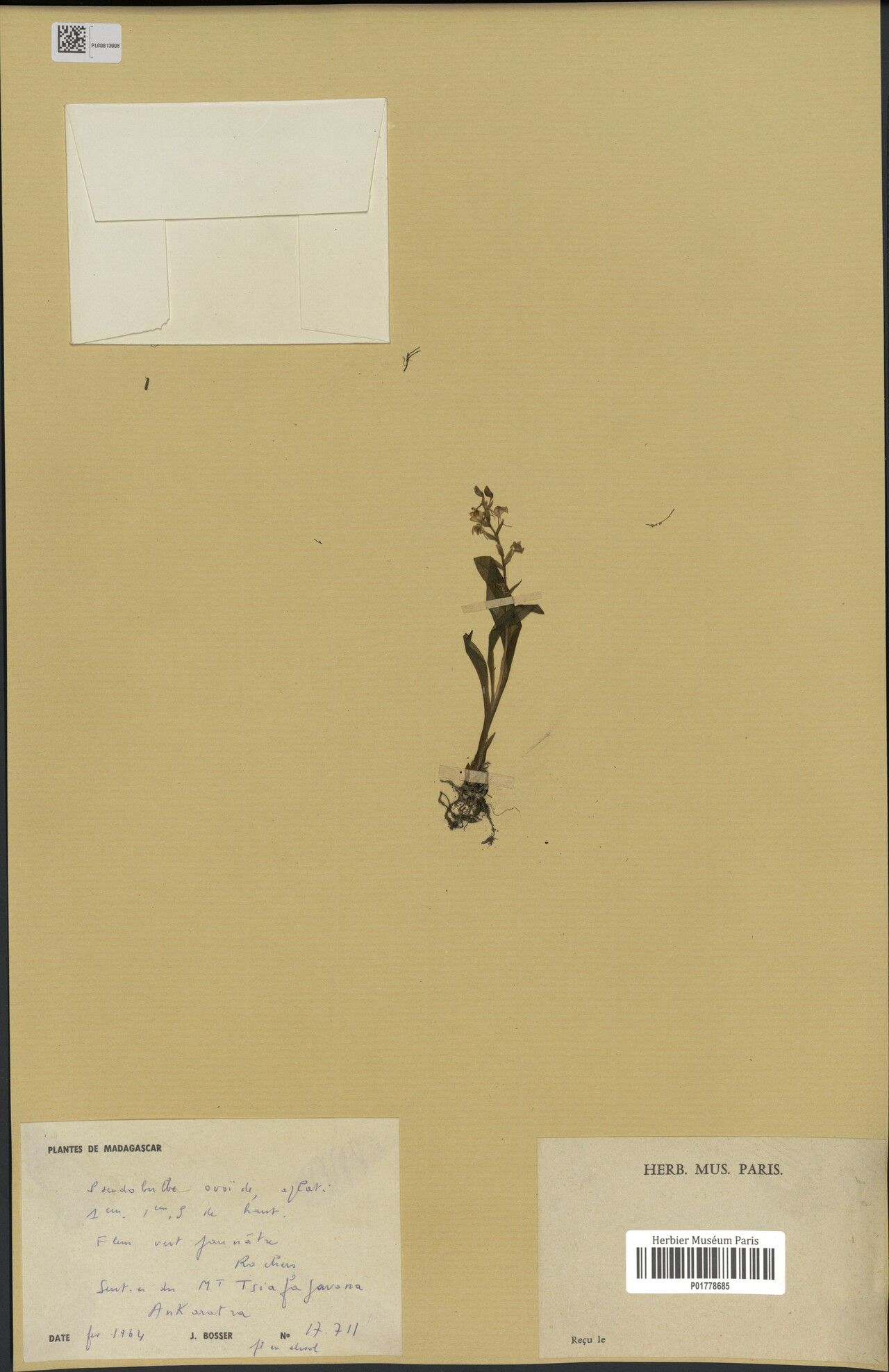
Liparis nervosa is a species of orchid found in the Tropics of Asia, Africa and America. It is a terrestrial species that grows in woodlands and grasslands.
The Pantropical widelip orchid is generally resistant to disease and encounters relatively few insect pests. Its care is considered difficult because it requires high humidity combined with good ventilation and an environment with few harmful pathogens. Too much watering can cause root rot. Although anyone can grow the Pantropical widelip orchid, keeping it healthy and getting it to flower again requires more growing experience.
How to keep Liparis Nervosa.
Light
Pantropical widelip orchid naturally occurs in habitats like forest understories or rocky areas, where it receives natural shade. It prefers partial sun but can adapt to full sun or full shade, showing its versatile and hardy nature.
Water
The pantropical widelip orchid flourishes in humid tropical environments, needing constant moisture and high humidity to thrive. Water it weekly, making sure the soil stays evenly moist but not waterlogged. Although usually grown indoors, this orchid benefits from misting or using pebble trays to mimic its natural epiphytic conditions.
Temperature
Pantropical widelip orchid is indigenous to temperate regions and grows best where temperatures range from 59 to 95 °F (15 to 35 ℃). Temperature adjustments may be needed across different seasons for optimal growth.
Fertilizer
The best time to fertilize a Pantropical widelip orchid is in early spring, as it breaks dormancy and starts active growth. Fertilizer supplies essential nutrients for healthy development. Although the Pantropical widelip orchid has fairly low fertilizer requirements, yearly fertilization can boost its survival and encourage improved, longer-lasting flowers.
Pruning
The Pantropical Widelip Orchid is characterized by its broad leaves and pale flower racemes. It thrives particularly well with selective pruning. The best time to enhance growth and improve air circulation is from early to late spring, when you can remove overcrowded areas. These practices not only enhance the plant's appearance but also reduce the risk of disease, leading to a vibrant and healthy orchid.
Botanical profile.
- Plant Type
- Herb
- Life Cycle
- Perennial
- Genus
- Liparis
- Family
- Orchidaceae
- Hardiness Zone
- 8-9
- Mature Height
- 11 cm to 61 cm
- Mature Spread
- 15 cm to 30 cm
- Leaf Color
- Green, Dark Green
- Leaf Type
- Evergreen
- Flower Color
- Green
- Flower Size
- 0.05 cm
- Bloom Time
- Summer
- Planting Time
- Spring, Summer, Autumn
- Harvest Time
- Late summer, Early fall, Mid fall
- Native Area
- Colombia, Venezuela
Other names.
Reader questions.
What are the sunlight requirements for Pantropical widelip orchid?
Pantropical widelip orchid thrives in environments that offer partial sun, approximately 3-6 hours of sunlight daily, but can also adapt to full shade conditions, where it receives less than 3 hours of sunlight. It's crucial to observe how sunlight moves through your garden throughout the day to choose locations that provide a suitable balance of light and shade, which is essential for the plant's health and happiness.
What climate does the Pantropical widelip orchid thrive in?
The Pantropical widelip orchid, botanically known as Liparis nervosa, thrives in temperate climates. It prefers temperatures ranging from 59 to 95 °F (15 to 35 ℃). However, it can tolerate some cold and generally does not require any additional cold protection measures if the temperature remains above -5°C. During different seasons, adjustments in temperatures may be crucial for its optimal growth.
What conditions do Pantropical widelip orchids naturally grow in, and how can artificial lighting be used?
Naturally, Pantropical widelip orchids are found in forest understories or rocky areas where they receive natural shade. This makes them preferential to partial sun but capable of tolerating full shade, highlighting their adaptability as a perennial herbaceous plant. When growing indoors or in conditions with insufficient natural sunlight, especially during winter or in less sunny spaces, artificial lighting becomes crucial for optimal growth. Using the right type of artificial light, like LEDs that can be customized to provide specific wavelengths, is important. Full sun plants typically need 30-50W/sq ft of artificial light, partial sun plants require 20-30W/sq ft, and full shade plants need 10-20W/sq ft. The light should be placed 12-36 inches above the plant, mimicking natural sunlight for 8-12 hours per day.
What should I do if the temperature drops below -5\u00b0C?
If the temperature is expected to drop below -5°C, it is necessary to take temporary measures to protect your Pantropical widelip orchid from the cold. Wrapping the plant with plastic film, fabric, or other suitable materials can help. Once the temperature rises again, remember to remove these protective measures promptly to avoid any potential harm to the plant.
What are the symptoms of light deficiency in Pantropical widelip orchids?
Pantropical widelip orchids may exhibit various symptoms under light deficiency, including smaller new leaves, leggy or sparse growth, faster leaf drop, reduced or halted growth, paler new leaves, chlorosis (yellowing of the leaves due to chlorophyll breakdown), sunscald (damage from intense sunlight), leaf curling, wilting due to water loss, and leaf scorching. These signs indicate that the plant is not receiving adequate light, which impacts its health and growth.
How does low temperature affect Pantropical widelip orchid and what are the solutions?
The Pantropical widelip orchid has a moderate tolerance to low temperatures, thriving best when the temperature is above 15°C. During winter, it's important to keep it above -5°C to avoid damage. If temperatures fall below -10°C, the leaves may droop, and in severe cases, wilt and fall off. To manage frost damage, trim off affected parts and before facing low temperatures again, wrap the plant with non-woven fabric or cloth and create a wind barrier for additional protection.
How can you address light deficiency in Pantropical widelip orchids for optimal growth?
To counteract light deficiency in Pantropical widelip orchids, gradually expose them to more sunlight by shifting them to sunnier spots each week until they achieve 3-6 hours of direct sunlight daily. For plants that are large or difficult to move, consider using a desk or ceiling lamp for at least 8 hours daily or invest in professional plant grow lights. Outdoors, transition plants to sunnier locations gradually to avoid sunburn. Additionally, minimizing obstructions like pruning branches of trees or transplanting smaller plants during their dormant period can help increase sunlight exposure. Note, however, that parts of the plant already affected by insufficient light may not recover, but new growth will be healthy with proper light adjustments.
What should I do if the Pantropical widelip orchid is exposed to high temperatures?
During the summer when temperatures climb above 35°C, it's crucial to keep your Pantropical widelip orchid in conditions below 35°C to prevent stress. Exceeding 38°C can lead to discoloration of leaves, drying and withering of leaf tips, leaf curl, and increased risk of sunburn. To alleviate these issues, trim away sunburnt and dry parts. Relocate the plant to a shaded area or employ a shade cloth to protect it from the intense midday and afternoon sun. Ensuring the soil remains moist with morning and evening watering can also help mitigate the effects of high temperatures.