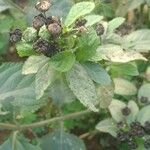
Lippia alba
Bushy Lippia · Bushy matgrass · Curacao Sage · Bush Tea · Colic Mint
Description
Source: leafsnapLippia alba, commonly known as bushy lippia or lemon verbena, is a perennial shrub from the Verbenaceae family. Native to South America, it has since been introduced and naturalized in various regions worldwide. The plant can grow up to 3 meters tall and features a woody stem with small white or pink flowers that bloom in the summer. Renowned for its strong lemon scent, Lippia alba is widely used for its medicinal properties. The leaves are rich in essential oils, including citral, limonene, and geraniol. These oils are utilized in aromatherapy and traditional medicine for their calming effects on the nervous system. Lippia alba also possesses antiseptic properties and can be applied topically to treat skin infections such as acne or eczema. Additionally, it can be brewed into a tea that may aid in alleviating digestive issues like bloating or indigestion. Beyond its medicinal uses, Lippia alba is frequently cultivated for ornamental purposes due to its attractive foliage and fragrant flowers. The plant thrives in warm climates with well-drained soil but can tolerate some drought conditions once established. Overall, Lippia alba is a versatile plant with numerous medicinal and aesthetic uses, making it an excellent addition to any garden or herbal medicine cabinet.
Care Guide
💧 Water Every 7 days
Bushy lippia is well-suited for arid conditions due to its excellent drought tolerance, needing water only every 2 to 3 weeks. As an evergreen plant, it keeps its leaves throughout the year and requires regular watering during winter to support its growth cycle.
How should I water my Bushy lippia plants in the best way possible?
To ensure excellent root development, consider these steps for watering your plants: 1. Place a garden hose at the base of the plant rather than directly spraying the leaves. If the plants are outside and exposed to direct sunlight, keep in mind that the leaves may need additional watering. 2. For each plant, you can use bubblers to moisten the roots thoroughly. Soaker hoses are also an effective option, allowing you to cover the entire garden or bed while adding or removing plants. This will help the roots penetrate deeply into the soil. 3. After watering, make sure to drain any excess water and allow the soil to dry before watering again. 4. To prevent diseases, water at ground level rather than spraying the leaves. However, on a sunny day, it may be beneficial to spray the entire bush with water. 5. Whether your plants are potted or in the ground, it's important to remember that Bushy lippia prefers deep watering rather than light sprinkling.
What should I do if I give too much or too little water to Bushy lippia?
If you overwater your Bushy lippia, its leaves may turn yellow and drop off, and the plant might look unhealthy with mushy stems. Adjust your watering schedule to address these signs. On the other hand, wilting can also indicate under watering. Underwatered leaves become crispy and dry, while overwatered leaves become soft and wilted. Check the soil's moisture level, and if it is dry and simply watering is not enough, give the plant a thorough watering. However, even with enough water, the Bushy lippia may still display dry and yellow leaves due to a damaged root system. Once the plant recovers, the leaf yellowing will stop. When keeping the Bushy lippia indoors, regularly check the moisture levels in the pot, avoiding overwatering and watching for signs of black spots. If black spots appear, allow the soil to dry out by refraining from watering for a few days. Overwatering can cause root rot, so if you discover discolored and slimy roots, consider transferring the plant to a different pot. Always take steps to prevent root rot and avoid excessively soggy soil. When planting the Bushy lippia outdoors, check the soil's moisture by digging a little deeper. If it feels too dry, it might indicate underwatering, so make sure to provide adequate watering for the plant's recovery.
How often do I need to water my Bushy lippia plant?
The Bushy lippia plant prefers deep and infrequent watering. If you have them in pots, it's important to soak them in a gallon of water each time, as the soil dries out quickly in pots. In colder regions, water every 3 to 5 days, ideally in the morning when the soil is dry. Check the soil depth to determine if watering is needed - if the top 2-3 inches are dry, it's time to water. During hot days, check the soil moisture daily as it can dry out rapidly. If you have a garden, irrigation is necessary, and in hot climates, water once a week. Be cautious not to overwater if there's already ample rainfall. Adding mulch to outdoor plants helps conserve water. Sandy soil requires more frequent watering, while clay soil needs less to prevent root rot. Keep track of watering dates on a calendar, and watch for drooping leaves as a sign that watering may be overdue.
How much water does my Bushy lippia plant need?
The Bushy lippia plant typically needs approximately a gallon of water on a regular basis. For potted plants, it's best to water them until you notice the water dripping out of the bottom of the pot. After that, wait for the soil to dry before watering again. To determine the amount of water you've given your plant in a week, you can use a water calculator or a moisture meter. During the flowering period, it's important to provide ample water, but allow the moisture to evaporate to prevent root rot. If you have planted the Bushy lippia outdoors and it receives sufficient rainfall, you may not need to water it additionally. However, when the Bushy lippia is young or recently planted, it should receive around 1-2 inches of rain per week. As the Bushy lippia matures, it can survive solely on rainfall. Only when the weather is excessively hot or there has been no rainfall for 2-3 weeks should you consider giving the Bushy lippia a thorough watering during the cooler parts of the day to prevent heat damage. Additional watering will be needed during extended dry periods.
Should I change how often I water my Bushy Lippia depending on the time of year or weather?
The Bushy lippia should be grown outdoors and prefers rainwater, but can be watered during persistent dry weather. During the spring and fall, the soil should be kept moist but not soggy, with alternating dry and moist conditions being beneficial for growth. In the summer, hot weather and lack of rainfall can cause the soil to dry out quickly, so more frequent watering is needed. However, during the winter, the Bushy lippia needs less water as it goes dormant and can rely on rainfall. Use a well-draining but moisture-retentive soil mixture in terracotta pots to help water evaporate quicker. When the plant begins to leaf out and go dormant, watering can be skipped. Good drainage is important, especially during winter, as the plant does not like standing water. If in pots, water them well, especially in summer, and ensure adequate drainage to avoid cold and wet roots. Watering deeply once or twice a week is best, avoiding shallow sprinkles that only reach the leaves and encourage fungi growth. Even in dormancy, the Bushy lippia should not be allowed to dry out completely in the fall and winter. Avoid overwatering, as sitting in water for too long can be detrimental, especially in winter. Mulching is recommended to reduce stress, conserve water, and promote healthy blooms.
☀️ Light Full sun
Bushy lippia is native to open habitats, such as sunny meadows and forest margins, which provide abundant light. It thrives in Full Sun but can also tolerate Partial Sun, showing good adaptability to different sunlight conditions.
How many hours of sunlight does Bushy lippia need each day to grow well?
To ensure healthy growth, it is important to provide Bushy lippia with at least 3-6 hours of sun every day. This is the minimum amount of sun it needs, but it can actually thrive in full sun as well. Plants that can tolerate part sun are more adaptable because they require less light for photosynthesis compared to those that need full sun or part shade.
What kind of sunlight does Bushy lippia require?
Bushy lippia thrives when it is exposed to full or partial sun. For optimal growth, it is recommended to provide direct morning light. During the summer, however, it is important to shield the plant from the intense afternoon sun to prevent leaf burning and maintain its overall health and appearance.
Can the sun harm Bushy lippia? How can I keep Bushy lippia safe from the sun and heat?
When transitioning bushy lippia plants from indoors to outdoors, direct sunlight can easily cause damage. To prevent sunburn, it is best to gradually move the pots from a shaded area to a brighter spot. However, even plants accustomed to the summer sun can still be harmed by excessive heat. During a heatwave, it is crucial to keep the soil consistently moist to help the plants withstand extreme temperatures. To protect sensitive bushy lippia during severe weather, consider moving them to shaded areas in the afternoon or using a shade cloth to provide extra coverage.
Should I keep Bushy lippia away from the sun?
Bushy lippia benefits from bright morning sun and some full sun exposure. However, the intense midday sun of summer can be overwhelming. If planted in the ground, the plant can gradually adapt to the increasing intensity of the summer sun. However, potted plants that have been indoors or in a protected location may suffer when suddenly exposed to direct summer sun at its hottest. To protect the plant from the harsh afternoon sun, it is best to plant or place it in a shaded area at midday, such as under taller trees, plants, a building, or a landscape feature.
What happens if Bushy lippia doesn't get enough sunlight?
When Bushy lippia doesn't get enough sunlight, it can turn pale green or have drooping, yellow leaves. It's normal for the plant to lose some leaves, but if they are falling off without any new ones growing back, that indicates a problem. In cases where Bushy lippia does manage to grow under inadequate light, the new growth is usually weak, pale, and easily infested by insects. By paying attention to these signs and adjusting the lighting conditions, you can make a big improvement in the plant's health.
🌡️ Temperature 20–37.8°C
Bushy lippia shows good temperature adaptability, tolerating higher heat and considerable temperature fluctuations. In hot weather, it is important to monitor watering and provide adequate shade to avoid sunburn. However, bushy lippia is relatively sensitive to low temperatures: it can endure some cold, but excessively cold conditions may result in frost damage.
💨 Humidity normal (40-60%)
This plant will thrive in moderate humidity, which is probably the level in your home. However, misting it a few times a week can be very beneficial. Make sure the room has good ventilation.
🪴 Soil 6-7
🌱 Fertilizer
Proper timing is essential for fertilizing Bushy lippia. Apply fertilizer in early spring and repeat monthly until early summer. Fertilizer promotes attractive blooms and supplies energy both during dormant periods and active growth.
🪴 Pot & Repot
✂️ Pruning
Bushy lippia is a hardy, aromatic shrub that benefits from being pruned in early spring. This helps to promote healthy growth and maintain its shape. Thinning out dense areas improves air circulation, while trimming after the blooming period encourages more flowering. These practices enhance the shrub's structural integrity and help control its size, ensuring it remains vibrant throughout the growing season.
🌿 Propagating
🐛 Diseases & pets
☠️ Toxicity
Characteristics
- Plant Type
- Shrub
- Life Cycle
- Perennial
- Genus
- Lippia
- Family
- Verbenaceae
- Hardiness Zone
- 9-12
- Mature Height
- 1.83 m to 3.66 m
- Mature Spread
- 0.91 m to 1.52 m
- Leaf Color
- Green
- Leaf Type
- Semi-evergreen
- Flower Color
- Pink, Purple, White
- Flower Size
- 2.03 cm
- Bloom Time
- All year round
- Planting Time
- Spring, Summer, Autumn
- Harvest Time
- All year round
- Native Area
- Belize, Honduras, Mexico, Guatemala, Peru, Panama, Jamaica, Colombia, Bahamas, Cuba, Bolivia, Venezuela, Guyana, Nicaragua, Ecuador, Costa Rica