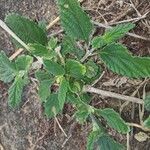
Lippia javanica
Fever Tea · Musukudu · Verbena lippia · Lemonbush
Care Guide
💧 Water
The lemon bush thrives in subtropical regions and prefers consistent moisture, although it can tolerate short dry spells. To keep it healthy, water it weekly. As an outdoor plant, the lemon bush is resilient and effectively manages its water uptake during the growing season to optimize flowering.
☀️ Light Full sun
The lemon bush is native to open habitats, for example sunlit meadows and forest margins, which supply abundant light. It does best in Full Sun but will tolerate Partial Sun, showing good adaptability to different light levels.
What are the sunlight requirements for a Lemon Bush?
A Lemon Bush, scientifically known as Lippia javanica, has specific sunlight requirements to thrive. It needs full sun, which means it should receive above 6 hours of sunlight daily. It can also grow under partial sun conditions, which entails about 3-6 hours of sunlight each day. It's crucial to observe the movement of sunlight through your garden over time, selecting locations that offer the ideal blend of light and shade. This careful placement ensures the plants' health and happiness by providing an optimal growing environment.
🌡️ Temperature 15–37.8°C
Native to several different climates, the lemon bush grows best at temperatures from 59 to 100 °F (15 to 38 °C). It flourishes in warmer seasons but can endure cooler winters. Care should be taken to keep temperatures stable to preserve its healthy growth.
What is the botanical name of the lemon bush?
The botanical name of the lemon bush is Lippia javanica.
What type of climate does the lemon bush prefer?
The lemon bush is adaptable to a variety of climates, ideally preferring temperatures ranging between 59 to 100 °F (15 to 38 °C). It flourishes in the warmth of the warmer seasons but is also capable of withstanding cooler winters. However, it is crucial to ensure temperature stability to promote its healthy growth.
💨 Humidity
🪴 Soil 6-8
🌱 Fertilizer
Proper timing matters when fertilizing a lemon bush. Apply fertilizer in early spring and continue monthly until early summer. Fertilizer encourages attractive blooms and supplies energy both during dormancy and in periods of active growth.
🪴 Pot & Repot
✂️ Pruning
The lemon bush offers aromatic leaves and various medicinal benefits. For optimal growth, prune the bush from early to late winter. Use clean tools to shape the plant and encourage denser growth. Keep the center open to improve airflow, rejuvenate older plants, and control their size. Additionally, enhance flowering by removing old blooms.
🌿 Propagating
🐛 Diseases & pets
☠️ Toxicity
Characteristics
- Plant Type
- Shrub
- Life Cycle
- Perennial
- Genus
- Lippia
- Family
- Verbenaceae
- Hardiness Zone
- 8-11
- Mature Height
- 1.22 m
- Mature Spread
- 0.91 m to 1.52 m
- Leaf Color
- Green
- Leaf Type
- Evergreen
- Flower Color
- White
- Flower Size
- 0.51 cm to 2.03 cm
- Bloom Time
- Late spring, Summer, Fall
- Planting Time
- Spring, Autumn
- Harvest Time
- Mid summer, Late summer, Fall, Early winter
- Native Area
- Malawi, India, Mozambique, Tanzania, South Africa, Zambia, Eswatini, Ethiopia, Kenya, Congo (DRC), Uganda, Botswana, Zimbabwe