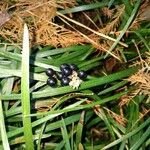
Liriope muscari
Big blue lilyturf · Monkey grass · Lilyturf · Border grass · Blue Liriope
Description
Source: leafsnapLiriope muscari, commonly known as Lilyturf, is a perennial herbaceous plant belonging to the Asparagaceae family. Native to East Asia, it can be found in China, Japan, and Korea. The plant features long, narrow, glossy dark green leaves that grow in clumps from the base of the stem. Liriope muscari produces spikes of small flowers that bloom from late summer to early fall. These flowers are typically purple or white, with six petals arranged in two layers. Widely used as ground cover due to its ability to spread rapidly through rhizomes, Liriope muscari can grow up to 12 inches tall and spread up to 24 inches wide. The plant thrives in well-drained soil and prefers partial shade or full sun exposure. Though drought-tolerant once established, it requires regular watering during its initial growth period. Overall, Liriope muscari is an attractive ornamental plant that adds beauty and texture to gardens and landscapes when used as ground cover or border plants.
🌳 Although lilyturf is widely recognized for its lush foliage that often decorates gardens and landscapes, its usefulness goes beyond mere appearance. In some practices, its dense growth is used to prevent soil erosion, demonstrating a notable ecological benefit. Additionally, though not commonly known, the leaves of lilyturf are thought to have potential as an eco-friendly bioindicator for certain heavy metals in contaminated soils, since they can accumulate these metals in their tissues without obvious harm, but this application is still being explored and is not widely used.
🎭 Cheerfulness and intelligence
Care Guide
💧 Water Every 7 days
Big blue lilyturf thrives in humid woodlands, where it needs consistently moist yet well-drained soil. It benefits from being watered weekly to maintain its lush foliage. As an ornamental ground cover, it draws strength from natural rainfall and local microclimate conditions, which enhance its resilience in changing weather.
When Should I Water My Big Blue Lilyturf?
Timely watering of big blue lilyturf is crucial for its health and growth, aiding in vital cell structure maintenance, nutrient transport, and root development. To determine when to water, check the soil for dryness by inserting your finger 1 inch into the soil; if it feels dry, it's time to water. Look for signs like wilting or collapsing foliage, reduced leaf rigidity, browning leaf tips, stunted growth, and changes in leaf color, which indicate the plant's need for water. Be mindful of the risks associated with both overwatering and underwatering, adjusting your watering regime to avoid root rot or plant stress.
How Should I Water My Big Blue Lilyturf?
Watering big blue lilyturf effectively involves specific techniques and considerations. Bottom-watering by placing the pot in a tray of water allows the plant to absorb moisture from the bottom up, reducing the risk of fungal diseases. When using a watering can, opt for one with a narrow spout to direct water to the base and avoid wetting the foliage. Utilizing a moisture meter can help accurately determine when the plant needs water. Focus on watering the base and surrounding soil, keeping the leaves dry to prevent disease. Ensure good drainage to avoid overwatering or waterlogging and adjust watering frequency to keep the soil slightly moist without being saturated.
How Much Water Does Big Blue Lilyturf Really Need?
The amount of water needed for big blue lilyturf varies with the size of the pot and the plant. For small pots, about one pint of water may suffice, whereas larger plants could require up to a quart to ensure the water reaches deep into the soil to the roots. Proper hydration is evident through bright, vibrant foliage. Overwatering can lead to yellow, limp leaves or soft roots, while underwatering manifests as wilting or browning leaves. Balancing the moisture levels is essential to prevent issues like root rot or dehydration.
What Kind of Water is Best for Big Blue Lilyturf?
Big blue lilyturf thrives best with distilled water, which is free from contaminants, or rainwater collected before it reaches the ground. Tap water is an alternative but may contain chlorine, fluoride, and minerals that could harm the plant. To mitigate chlorine effects, let tap water sit for at least 24 hours before use, and consider using a water softener if your water has a high mineral content. Room temperature water (around 68-72°F or 20-22°C) is preferred to avoid shocking the plant.
How Do Big Blue Lilyturf's Watering Needs Change with the Seasons?
Seasonal changes affect big blue lilyturf's watering needs. In spring, ensure the soil remains moist as the plant reawakens and grows. Summer demands more regular watering due to higher temperatures, with mulching helping to conserve moisture. Autumn requires a reduction in watering frequency as the plant prepares for dormancy, keeping the soil slightly damp. Winter sees a significant decrease in the plant's watering needs; water sparingly, focusing on preventing the soil from drying out entirely.
☀️ Light Partial sun
Lilyturf prefers a moderate amount of light, though it adapts to both higher and lower levels of illumination. The plant does best with a balanced mix of sun and shade, similar to its original undergrowth environment. Excessive solar exposure can stress the plant, and insufficient light may limit its growth.
What are the sunlight requirements for big blue lilyturf?
Big blue lilyturf, also known as Liriope muscari, requires a balanced blend of shade and sun, thriving in conditions that mimic its native undergrowth environment with a moderate amount of light. The plant can tolerate varying amounts of sunlight, with partial sun being about 3-6 hours of sunlight and full sun or full shade needing above 6 hours of sunlight. It is essential to monitor the movement of sunlight through your garden to identify the best spots that offer the ideal balance for your plants, ensuring their health and happiness.
How can artificial lighting benefit indoor big blue lilyturf plants?
Artificial lighting plays a crucial role in the growth of indoor big blue lilyturf plants, especially when natural sunlight is insufficient, such as during winter or in less sunny spaces. LED lights are recommended due to their ability to be customized to provide the specific wavelengths of light needed by plants. Full sun plants require 30-50W/sq ft of artificial light, partial sun plants need 20-30W/sq ft, and full shade plants need 10-20W/sq ft. The light source should be placed 12-36 inches above the plant and be on for 8-12 hours per day to mimic natural daylight hours effectively.
What are the symptoms of incorrect lighting for big blue lilyturf?
When big blue lilyturf is grown in insufficient light conditions, it may display several symptoms indicating a need for better lighting. These symptoms include the development of small leaves, leggy or sparse growth, faster leaf drop, slower or no new growth, and lighter-colored new leaves. Additionally, excessive sunlight can lead to chlorosis, where leaves lose their green color and turn yellow, sunscald, characterized by damaged plant tissue, leaf curling as a defense mechanism against sunlight, wilting due to increased water loss, and leaf scorching, which appears as brown, dry, and crispy leaf edges.
What solutions are recommended for big blue lilyturf experiencing improper light conditions?
To address improper light conditions for big blue lilyturf, gradually adapt the plant to changing light conditions by shifting them to sunnier spots each week until they achieve the desired 3-6 hours of direct sunlight daily. For indoor plants that are large or not easily movable, consider providing additional light, such as keeping a desk or ceiling lamp on for at least 8 hours daily or investing in professional plant grow lights. For outdoor plants, move them to a better sunlight spot gradually to avoid sunburn. If sunlight is obstructed, consider pruning branches and leaves from trees that block the sun or transplant smaller plants during their dormant period to a location with ample sunlight and good drainage. Note that parts of the plant affected by insufficient sunlight may not recover, but new growth will be healthy after adjusting the light exposure.
🌡️ Temperature 15–37.8°C
Lilyturf originates from regions where temperatures fall between 68 and 100.4 °F (20 to 38 ℃). It performs best when kept within that temperature range. Variations, especially colder conditions, can impede its growth.
What is the native environment temperature range for Big blue lilyturf?
Big blue lilyturf, also known by its botanical name Liriope muscari, is native to environments where the temperature ranges from 68 to 100.4 °F (20 to 38 °C). It thrives best when kept within this temperature range. The plant has some degree of cold tolerance, generally not requiring additional measures when the temperature remains above 0°C. However, if the temperature is expected to drop below 0°C, temporary cold protection measures should be taken, such as wrapping the plant with materials like plastic film, fabric, or others, which should be removed once the temperature rises again.
How does Big blue lilyturf react to low temperatures?
Big blue lilyturf has a moderate tolerance to low temperatures, thriving best when temperatures are above 20°C and should be kept above 0°C during winter. When temperatures fall below -10°C, the leaves may start to droop; they can recover in mild cases, but in severe cases, the leaves will wilt and eventually fall off. To deal with frost damage, trim off the frost-damaged parts, and before encountering low temperatures again, wrap the plant with materials such as non-woven fabric or cloth and construct a wind barrier to protect it from the cold wind.
How does Big blue lilyturf react to high temperatures?
During summer, Big blue lilyturf should be kept below 38°C to avoid negative effects. When temperatures exceed 43°C, the plant's leaves may lighten in color, tips may dry and wither, leaves may curl, and the plant becomes more susceptible to sunburn. To mitigate damage from high temperatures, trim away the sunburned and dried-up parts, move the plant to a shaded location, especially from the midday and afternoon sun, or use a shade cloth. Additionally, keep the soil moist by watering the plant in the morning and the evening.
💨 Humidity normal (40-60%)
This plant will thrive in moderate humidity, which is probably the level in your home. However, misting it a few times a week can be very beneficial. Make sure the room has good ventilation.
🪴 Soil 5-7
🌱 Fertilizer
One fertilizer application in spring is generally enough for Lilyturf, though repeated feedings can boost growth. Apply fertilizer every month to every month and a half. Fertilizing improves the leaves' appearance and function, encouraging even color and a healthy texture. It also encourages root development and nutrient uptake, supporting long-term plant health.
When is it not a good idea to add fertilizer to my Big blue lilyturf?
During late fall and winter, your Big blue lilyturf goes into a dormant phase, meaning it stops growing. During this time, avoid fertilizing it. In spring and summer, if you decide to fertilize, start reducing the amount as summer approaches, since the growth rate will slow down. In general, it's not a good idea to fertilize your Big blue lilyturf when the weather is excessively hot or the soil is extremely dry. Doing so can stress the plant and cause it to die earlier.
Why should I put fertilizer on my Big blue lilyturf?
The leaves of the Big blue lilyturf are essential for its structure, so it's important to fertilize them properly. This will ensure that the leaves look great and function well. Fertilization not only improves leaf color and texture, but also helps the plant grow new roots and maintain existing ones. By fertilizing, you not only keep your plant healthy now, but also enhance its ability to absorb nutrients from the soil in the future.
When should I add fertilizer to my Big blue lilyturf?
If you grow your Big blue lilyturf outdoors, it will start to grow again in early spring. This is when you should start fertilizing it for the year. Typically, one application of fertilizer is enough for the plant to do well. However, if you want the plant to grow as much as possible, you can fertilize it multiple times throughout the spring and early summer. In this case, you can fertilize your Big blue lilyturf about once every month or month and a half.
What kind of fertilizer does my Big blue lilyturf plant need?
Choosing the best fertilizer for a Big blue lilyturf is simple. These plants thrive on general-purpose garden fertilizer with equal amounts of nitrogen, phosphorus, and potassium, such as a 10-10-10 ratio. Avoid using fertilizers high in nitrogen when unsure. The recommended fertilizers often come in granular form, specifically slow-release, making application easy. Additionally, feeding the lilyturf with organic soil amendments like compost can be beneficial.
How can I make my Big blue lilyturf grow better?
To ensure proper growth of your Big blue lilyturf, start by waiting for the first leaves to emerge in early spring. Apply a granular slow-release fertilizer with a balanced formula to the soil surrounding the base of the plant. If desired, you can repeat this process later in the season. When reapplying fertilizer, remember to focus on the soil at the base of the plant, not on the plant itself. This may involve moving some leaves to access the soil above the roots. It's also recommended to water the plant before and after feeding it.
🪴 Pot & Repot 2-3 years
When repotting Lilyturf, select a pot 1-2 inches (2.5–5.1 cm) larger that provides ample drainage. Use a well-draining potting mix. Repot in spring or fall, making sure the root ball sits slightly lower than the rim of the flower pot. Water thoroughly after repotting and place the plant in a warm spot with indirect sunlight.
✂️ Pruning
The big blue lilyturf is an easy-to-care-for evergreen groundcover with grass-like leaves and purple flower spikes. To promote growth and prevent fungal problems, prune the plant to a height of 2-3 inches in early spring. Be sure to use clean, sharp tools for pruning to minimize damage and the risk of disease.
🌿 Propagating
🐛 Diseases & pets
☠️ Toxicity
Liriope (Liriope muscari) has no known toxic effects on people or pets, making it an ideal plant for nearly any landscape.
Characteristics
- Plant Type
- Herb
- Life Cycle
- Perennial, Annual
- Genus
- Liriope
- Family
- Asparagaceae
- Hardiness Zone
- 8-11
- Mature Height
- 30 cm to 46 cm
- Mature Spread
- 30 cm
- Leaf Color
- Green, White, Yellow
- Leaf Type
- Evergreen
- Flower Color
- Lavender, Violet
- Flower Size
- 0.25 cm to 0.51 cm
- Bloom Time
- Mid summer
- Planting Time
- Spring
- Harvest Time
- Mid summer, Late summer, Early fall
- Native Area
- Vietnam, Japan, Philippines, South Korea, China