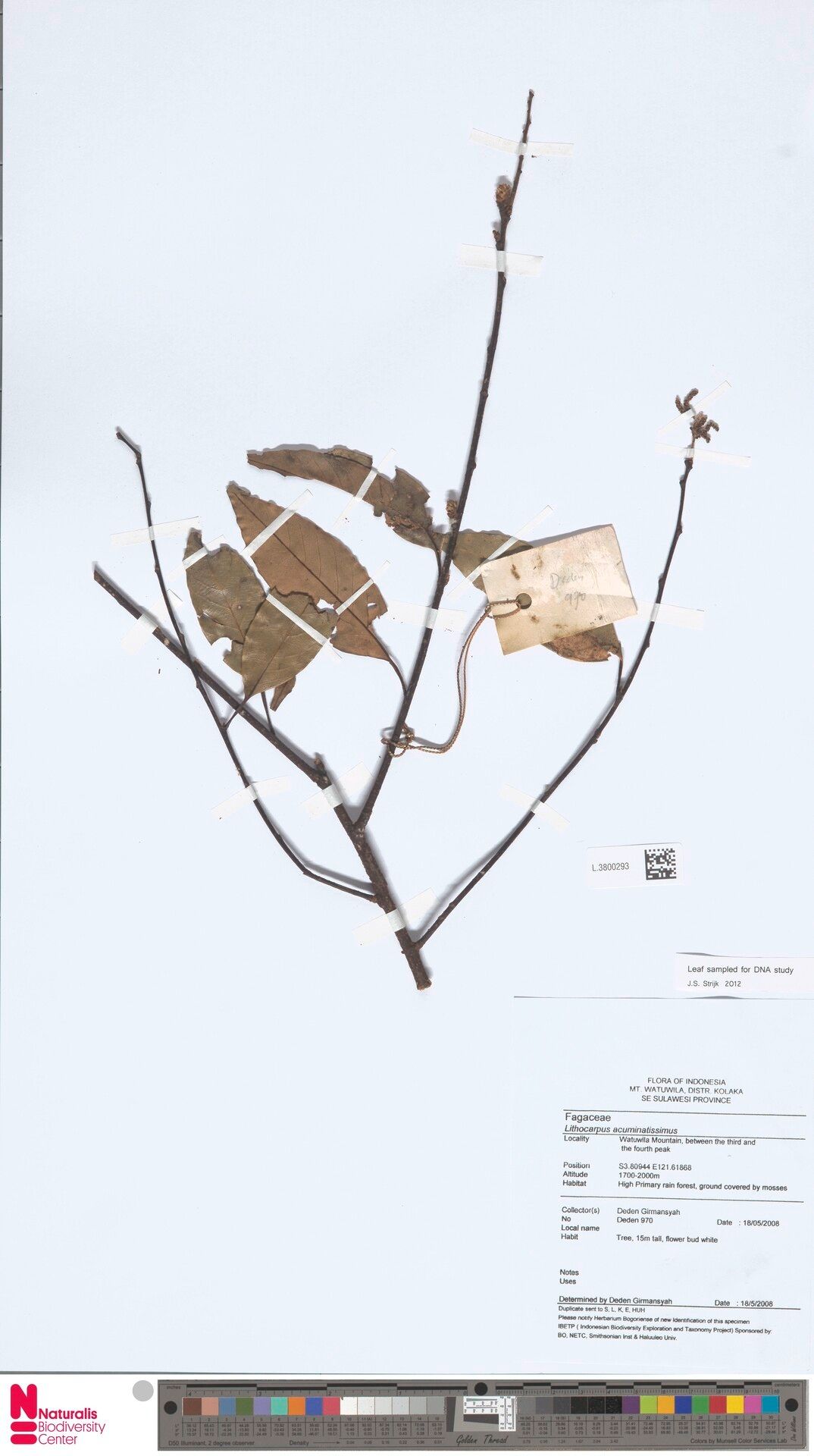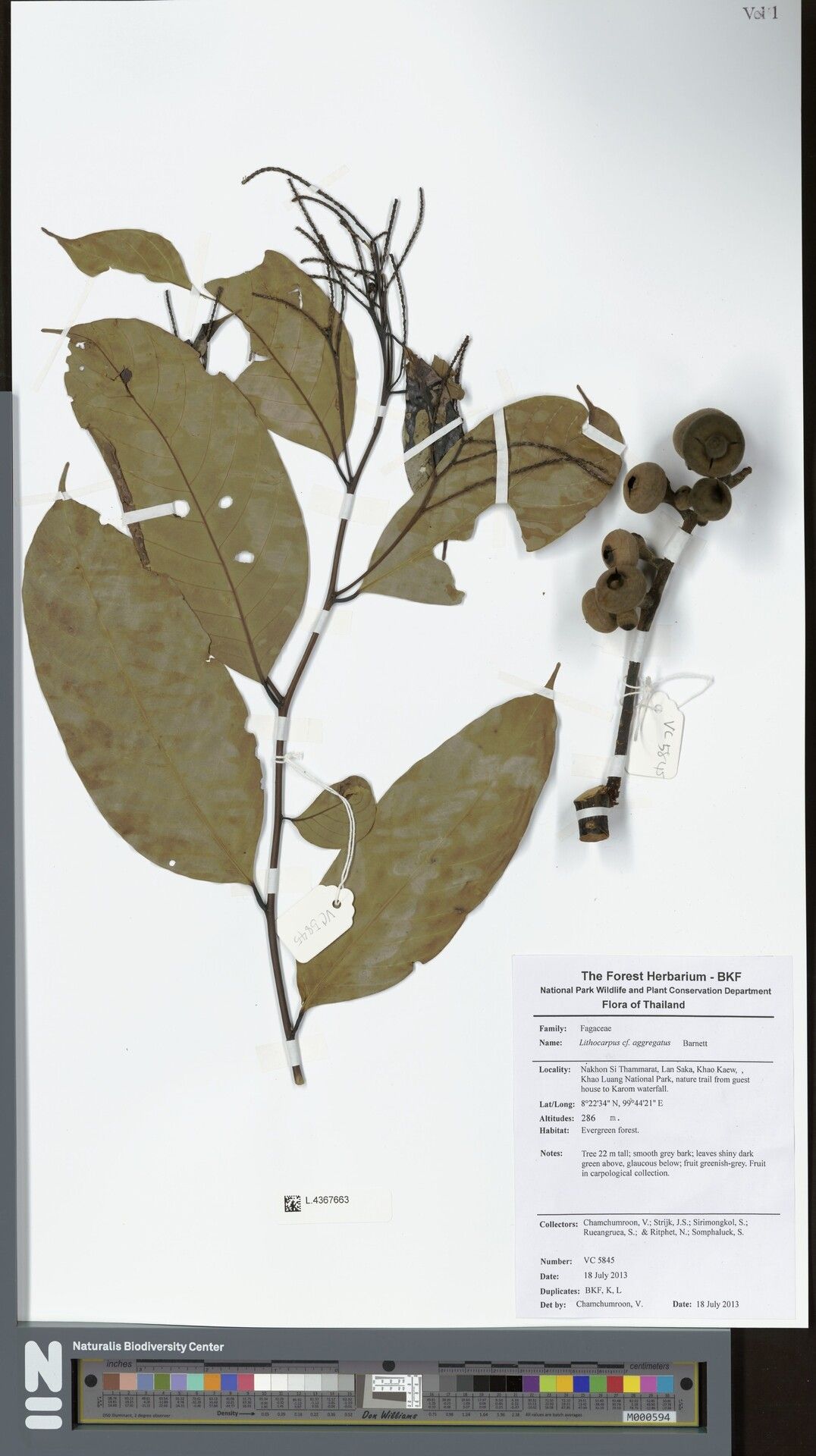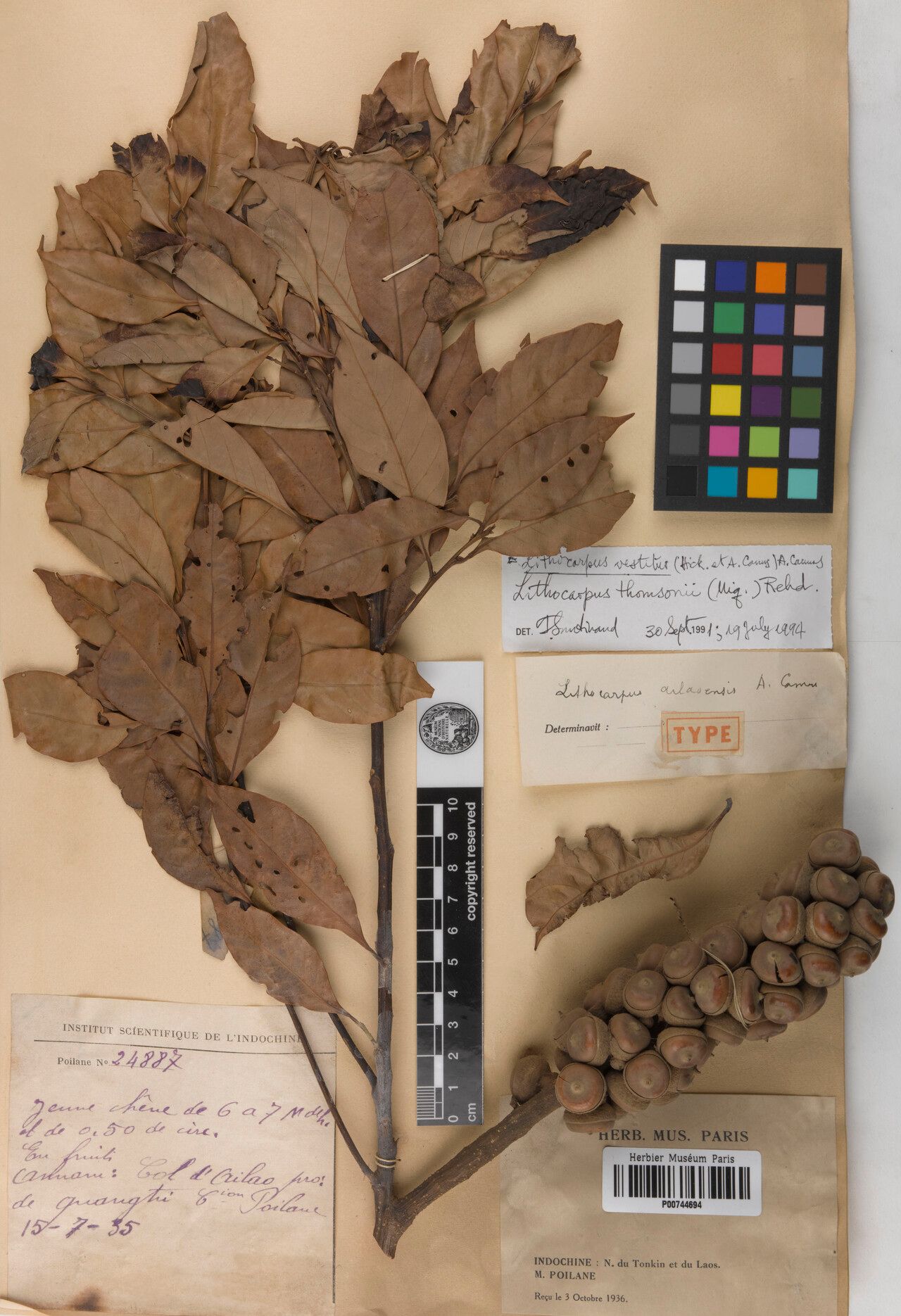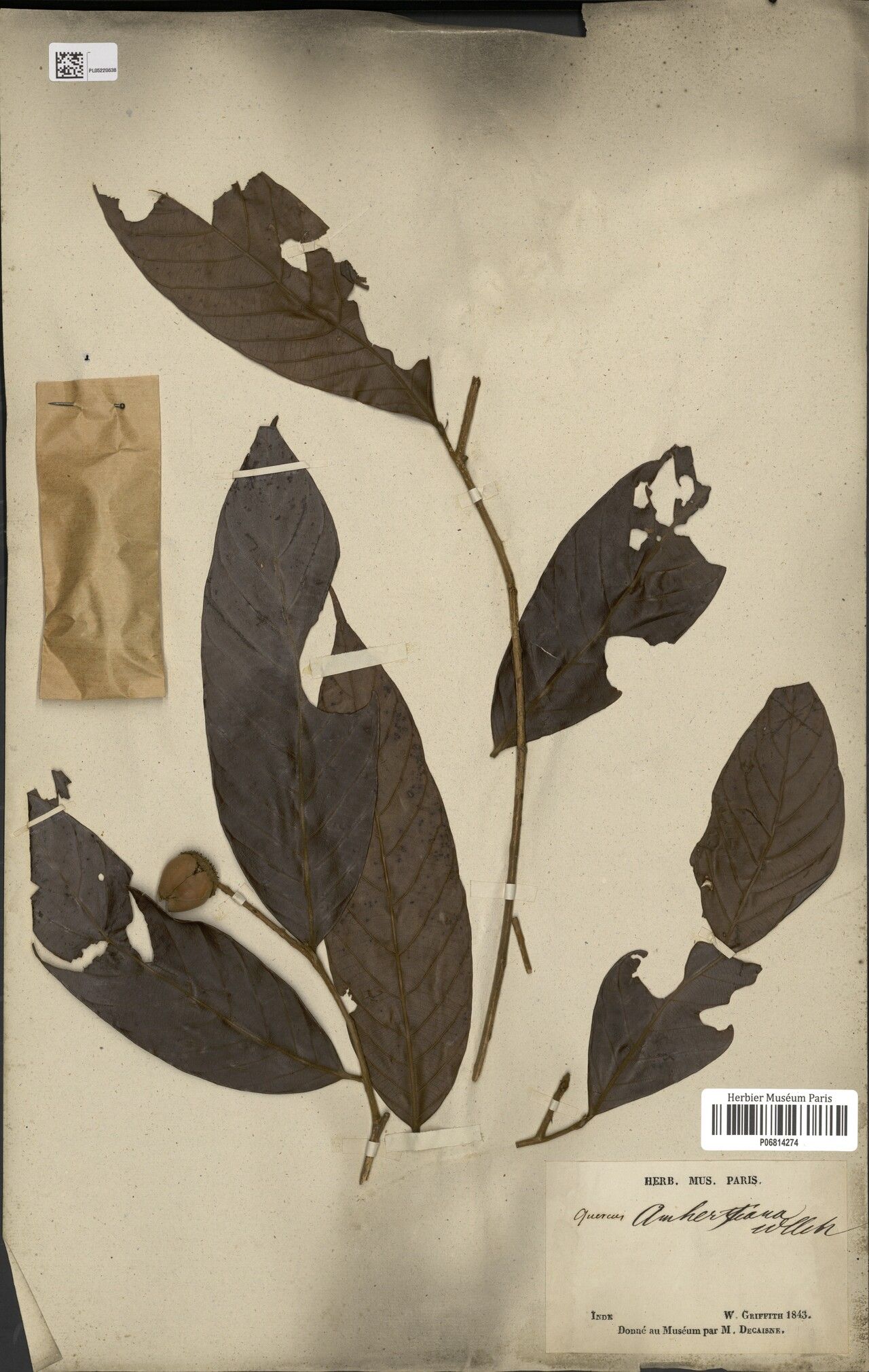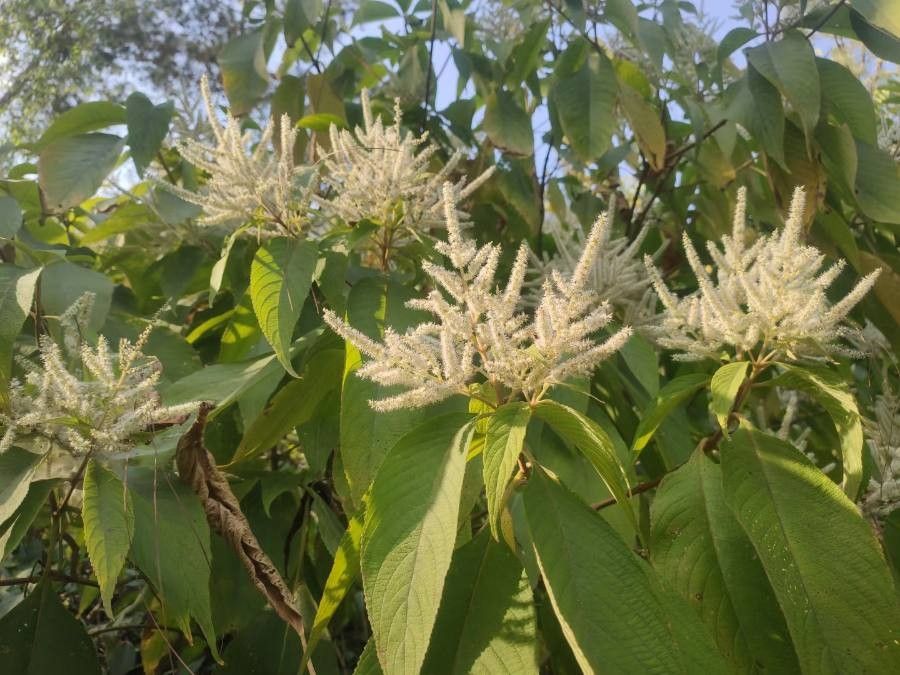
Lithocarpus glaber, the Japanese oak, is a tree species in the genus Lithocarpus found in Japan, China and Taiwan. Mitami Shrine, a Shinto shrine in Sakai, Osaka Prefecture, Japan, is famous locally for its comparatively large population of Lithocarpus glaber, known as Shiribukagashi (尻深樫 シリブカガシ). In China, it is called ke (柯). In Cantonese, it is called Seklik (石櫟). Condensed tannins from L. glaber leaves have been analysed through acid-catalyzed degradation in the presence of cysteamine and have a potent free radical scavenging activity.
Japanese oak shows strong disease resistance and is generally not susceptible to illnesses. As for care, this plant is fairly low-maintenance. If grown outdoors, it needs little watering, and larger specimens usually do not require pruning. However, smaller plants should be trimmed after they finish blooming. Japanese oakt is suitable for anyone with an outdoor area, such as a garden or deck, and does not demand much experience in plant care.
How to keep Lithocarpus Glaber.
Light
Japanese oak comes from open habitats, for example sunny meadows and forest margins, which offer plenty of light. It prefers full sun but can tolerate partial sun, performing well under various light conditions.
Water
Japanese oak thrives in regions with moderate rainfall, exhibiting average drought tolerance and a preference for balanced humidity. It needs watering every two weeks and, as a deciduous tree, it sheds its leaves seasonally to conserve water during dry periods.
Temperature
Japanese oak displays good temperature adaptability, tolerating high heat and wide temperature fluctuations. When temperatures rise, it's important to monitor watering and provide adequate shade to prevent sunburn. However, Japanese oak is relatively susceptible to low temperatures; although it can endure some cold, extremely cold conditions can cause frost damage.
Fertilizer
Fertilize your Japanese oak in early spring to encourage healthy growth. Regular fertilization improves overall health, producing vigorous growth, greater tolerance of harsh conditions, and increased resistance to pests and diseases. Follow a consistent fertilization schedule for your Japanese oak to preserve vibrant foliage with deep color and a lush appearance.
Pruning
The Japanese oak is an evergreen tree known for its glossy leaves and vigorous growth. To keep the tree healthy and well-maintained, it is best to prune it from early to late winter. During pruning, remove dead limbs and thin out crowded branches to preserve its natural shape, improve air circulation, and promote healthy growth. Make sure to use sharp, sterilized tools to ensure clean cuts.
Botanical profile.
- Plant Type
- Tree
- Life Cycle
- Perennial
- Genus
- Lithocarpus
- Family
- Fagaceae
- Hardiness Zone
- 6-9
- Mature Height
- 6.1 m to 9.14 m
- Mature Spread
- 3.05 m to 4.57 m
- Leaf Color
- Dark Green, Olive Drab
- Leaf Type
- Evergreen
- Flower Color
- White, Green
- Flower Size
- 0.51 cm to 0.76 cm
- Bloom Time
- Late spring, Early summer
- Planting Time
- Spring, Summer, Autumn
- Harvest Time
- Late summer, Early fall, Mid fall
- Native Area
- Japan, China
Other names.
Reader questions.
How should I water my Japanese oak tree?
You can water your Japanese oak using various common watering tools such as watering cans, hoses, or even cups. It's not too picky about the watering method. However, regardless of which tool you choose, make sure to water the soil directly. It's important to evenly moisten all areas of the soil to ensure the entire root system receives water. Filtered water is recommended to avoid harmful particles found in tap water. Additionally, using water at or slightly above room temperature is beneficial, as extremely hot or cold water can shock the plant. Nevertheless, the Japanese oak generally responds well to any type of water.
What are the sunlight requirements for Japanese Oak?
Japanese Oak thrives in environments with ample light, originating from open spaces like sunny meadows and forest edges. It requires full sun, defined as more than 6 hours of direct sunlight daily, but can also adapt to partial sun, which means about 3-6 hours of sunlight. When planning your garden or arranging your indoor plant setup, it's crucial to watch how sunlight moves through the area and select locations that offer a suitable balance of light and shade to ensure the well-being of your plants.
How important is artificial lighting for indoor Japanese Oak plants?
Artificial lighting plays a crucial role in the growth of indoor Japanese Oak plants, especially when natural sunlight is inadequate, such as during winter or in less sunny spaces. For optimal growth under artificial lights, it's advisable to choose LED lights due to their customizable light wavelengths. Full sun plants require 30-50W/sq ft, partial sun plants need 20-30W/sq ft, and full shade plants should have 10-20W/sq ft of artificial light. The light source should be positioned 12-36 inches above the plants to mimic natural sunlight, and for most species, 8-12 hours of light per day is recommended.
What symptoms indicate that a Japanese Oak is receiving insufficient light?
Japanese Oak shows several symptoms when it does not receive enough light. These include smaller new leaves than the previous ones, leggy or sparse growth indicating a thin appearance, premature leaf drop to conserve resources, a halt in new leaf production leading to slower or no growth at all, and paler or irregularly colored new leaves due to a lack of chlorophyll. Too much sunlight can also be harmful, causing conditions such as chlorosis, sunscald, leaf curling, wilting, and leaf scorching, which negatively impact the plant's health.
What solutions can help Japanese Oak plants with insufficient sunlight?
For indoor Japanese Oak plants struggling with low light, gradually moving them to a sunnier spot, ensuring they get at least 6 hours of sunlight by using a south-facing window, and supplementing with artificial light if needed are effective solutions. For outdoor plants, transition them progressively to brighter areas to prevent sunburn. Reducing obstructions like pruning trees that block sunlight or transplanting to sunnier locations can also benefit plants in the ground. However, damaged parts of the plant might not recover, but new growth should be healthy with improved light conditions.