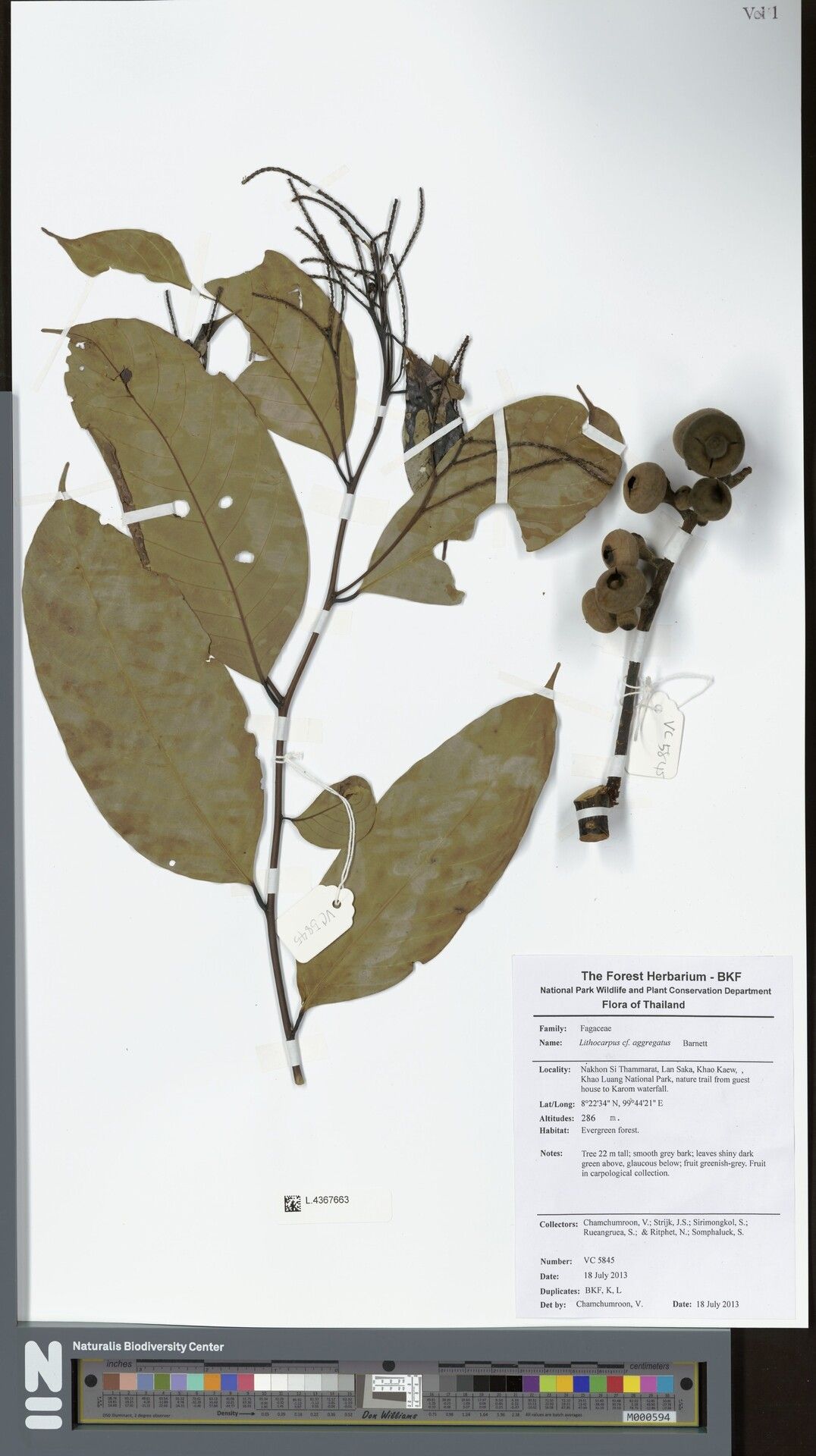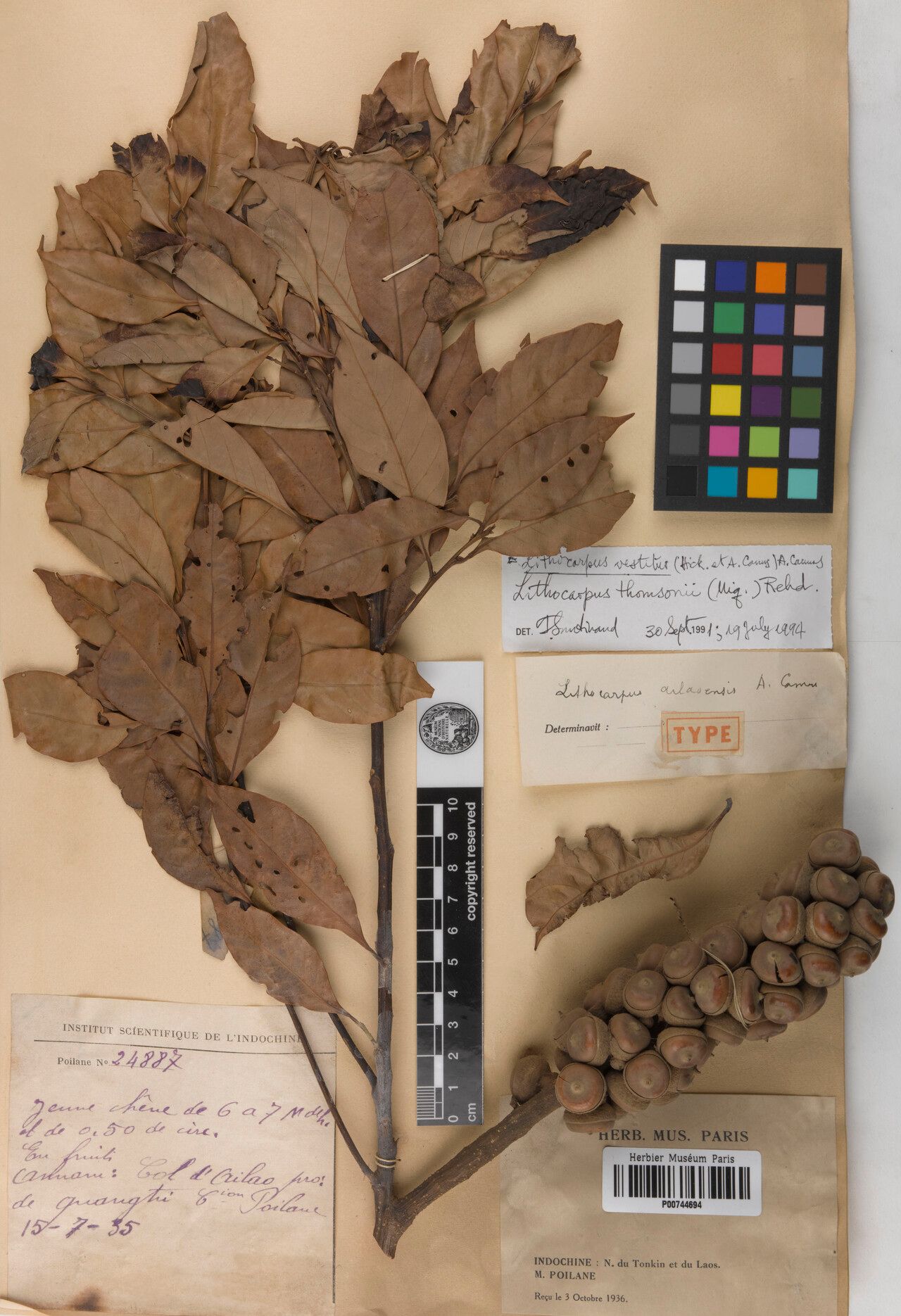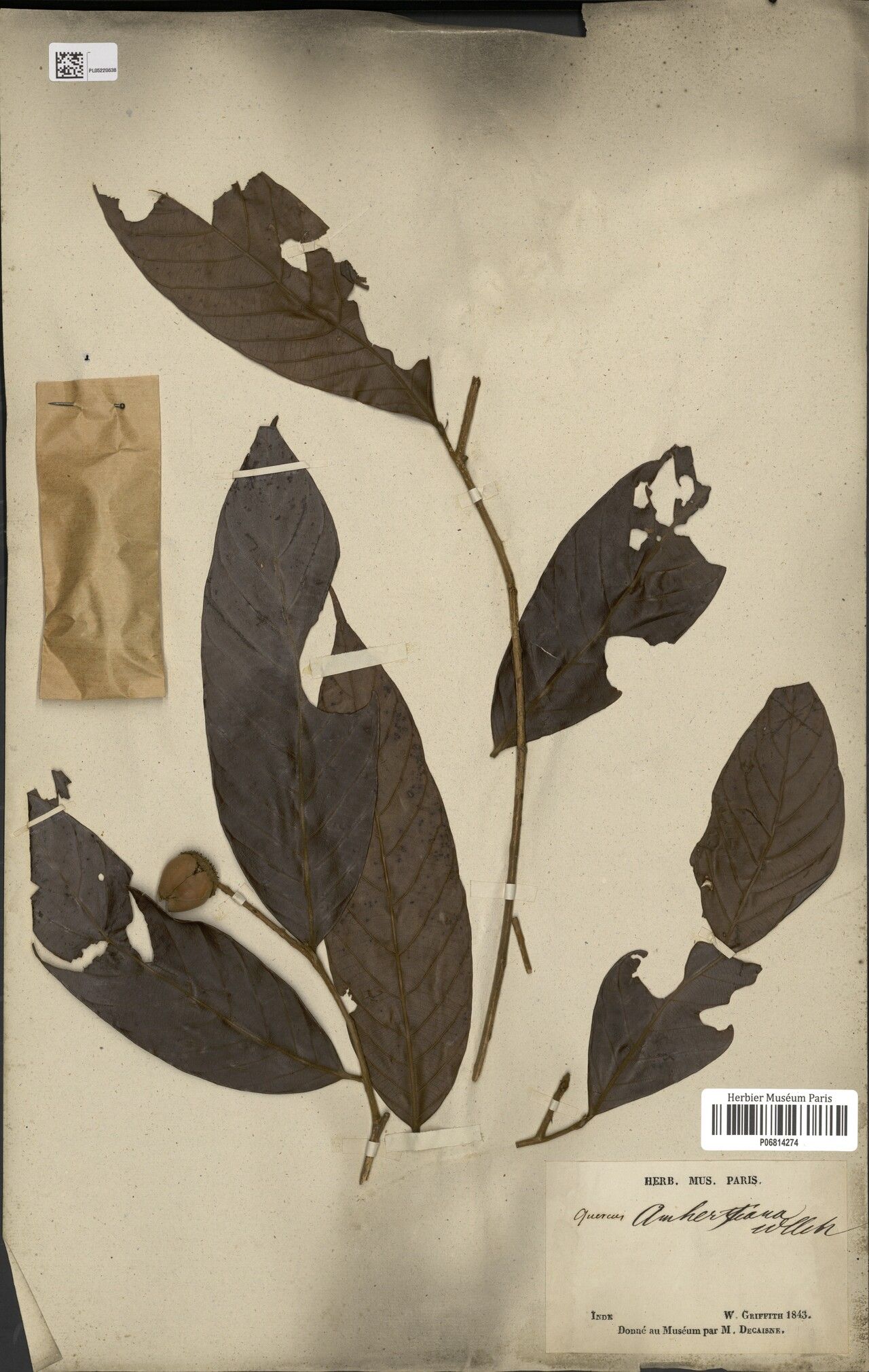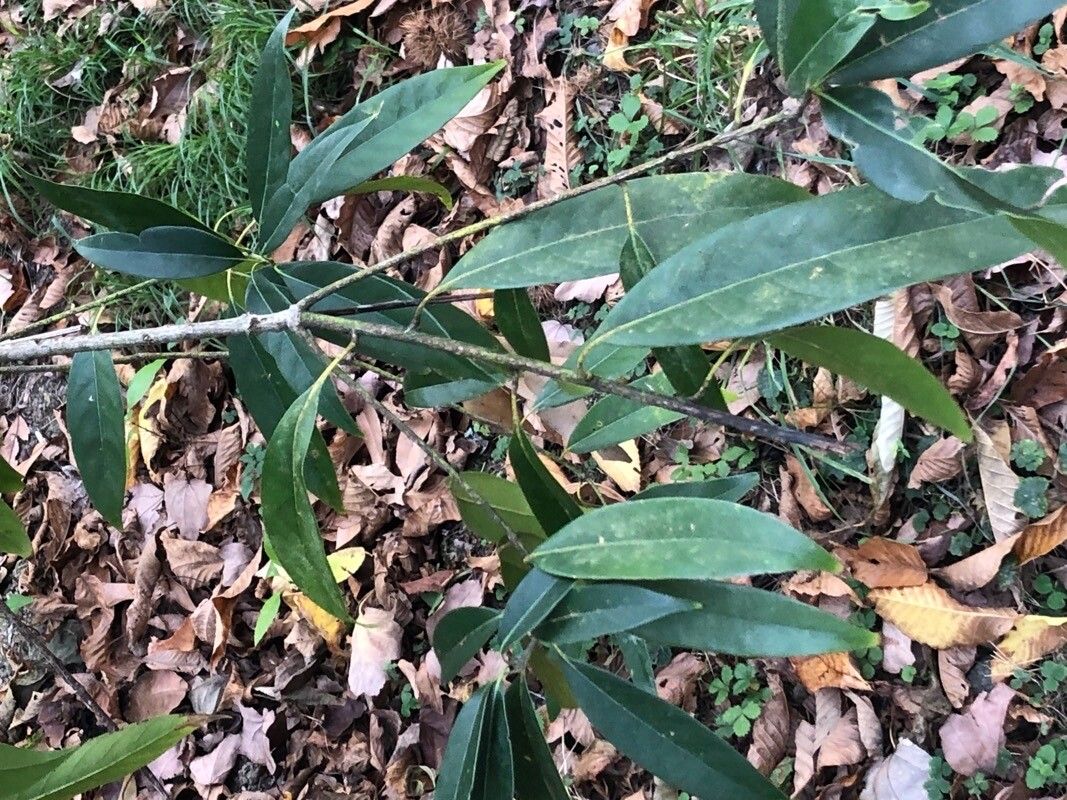
Harland's tanbark has good disease resistance and is generally not prone to diseases. In terms of care, this plant is fairly low-maintenance. When grown outdoors it needs minimal watering, and larger plants typically do not require pruning. Smaller plants, however, should be pruned after they have finished blooming. Harland's tanbark is appropriate for anyone with an outdoor area, such as a garden or deck, and does not demand much prior care experience.
How to keep Lithocarpus Harlandii.
Light
Harland's tanbark thrives in native habitats like forest understories and rocky regions, where it is naturally shaded. While partial sun is its preferred sunlight exposure, it can also adjust to complete sun or total shade, highlighting its flexible and robust characteristics.
Water
Harland's tanbark flourishes in environments with consistently moist conditions, as it prefers soil that remains evenly moist. It also shows moderate tolerance to drought. For optimal health, especially when grown outdoors, it is important to water it weekly. Being an evergreen, Harland's tanbark retains its foliage throughout the year, making a steady water supply crucial for its continuous growth in different climate zones.
Temperature
Harland's tanbark demonstrates solid adjustment to different temperatures, with a capacity to endure both elevated temperatures and considerable temperature fluctuations. It is crucial to keep in mind the watering needs and suitable shading to avoid sunburn when the temperatures are soaring. On the other hand, Harland's tanbark doesn't fare too well with low temperatures. It can survive certain levels of cold, however, in extremely cold situations, there's a risk of frostbite.
Fertilizer
For encouraging robust development, apply fertilizer to your Harland's tanbark at the onset of spring. Consistent fertilizing boosts the total health, leading to strong expansion, enhanced tolerance to harsh circumstances, and better resistance to disease and infestations. Adhere to a predefined fertilizing timetable for your Harland's tanbark to guarantee its leaves remain radiant with an intense hue and a flourishing look.
Pruning
Harland's tanbark is characterized by its dense foliage and sturdy structure. To maintain its shape and encourage healthy growth, it is best to prune from early to late winter. During pruning, remove any dead branches and thin out dense areas to improve air circulation. Be sure to use sharp and clean tools to maintain the plant's health.
Botanical profile.
- Plant Type
- Tree
- Life Cycle
- Perennial
- Genus
- Lithocarpus
- Family
- Fagaceae
- Hardiness Zone
- 8-10
- Mature Height
- 17.98 m
- Mature Spread
- 4.88 m to 7.92 m
- Leaf Color
- Dark Green, Forest Green
- Leaf Type
- Evergreen
- Flower Color
- Green
- Flower Size
- 0.51 cm to 0.76 cm
- Bloom Time
- Mid spring, Late spring
- Planting Time
- Spring, Summer
- Harvest Time
- Late summer, Early fall, Mid fall
- Native Area
- China