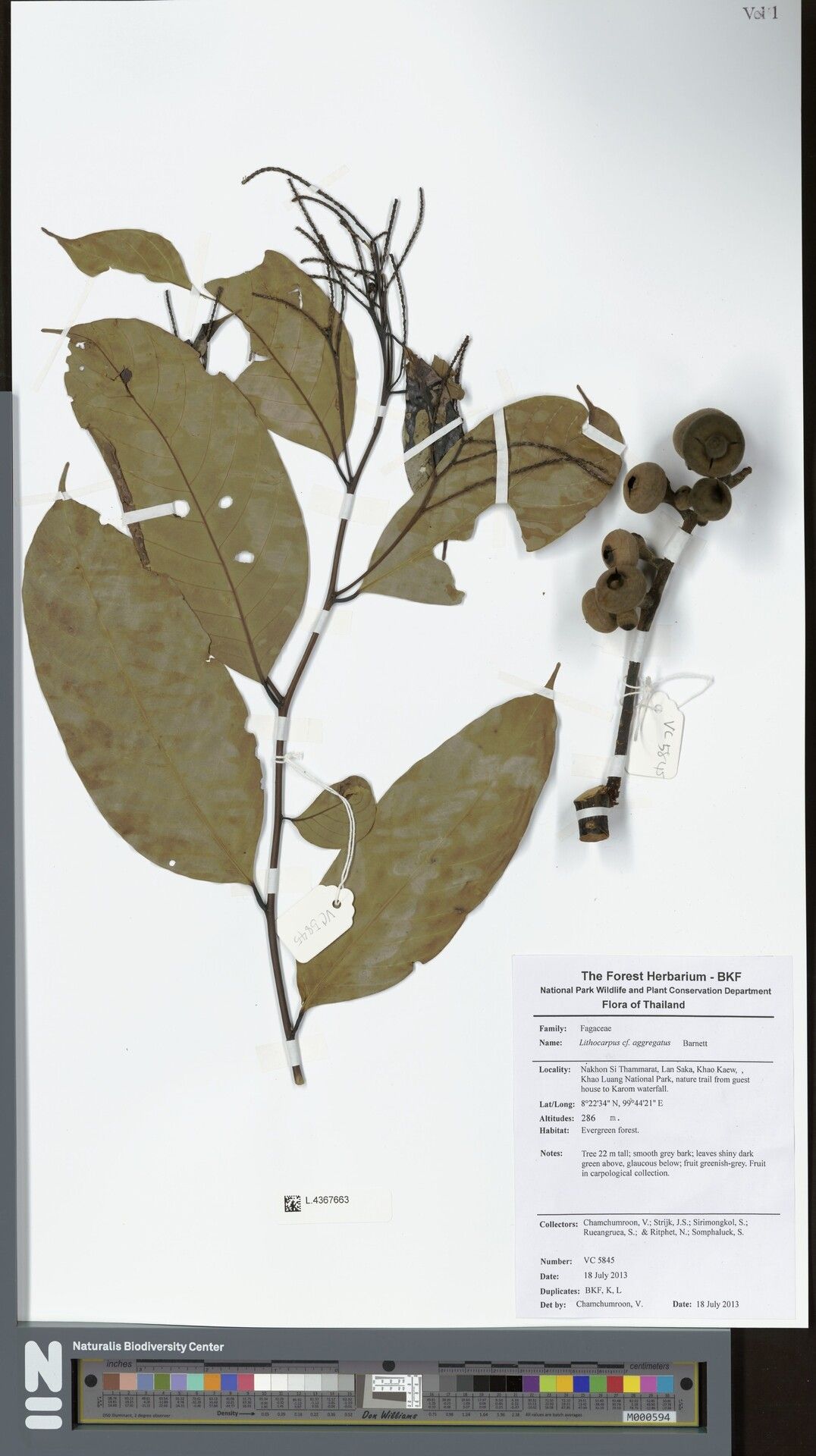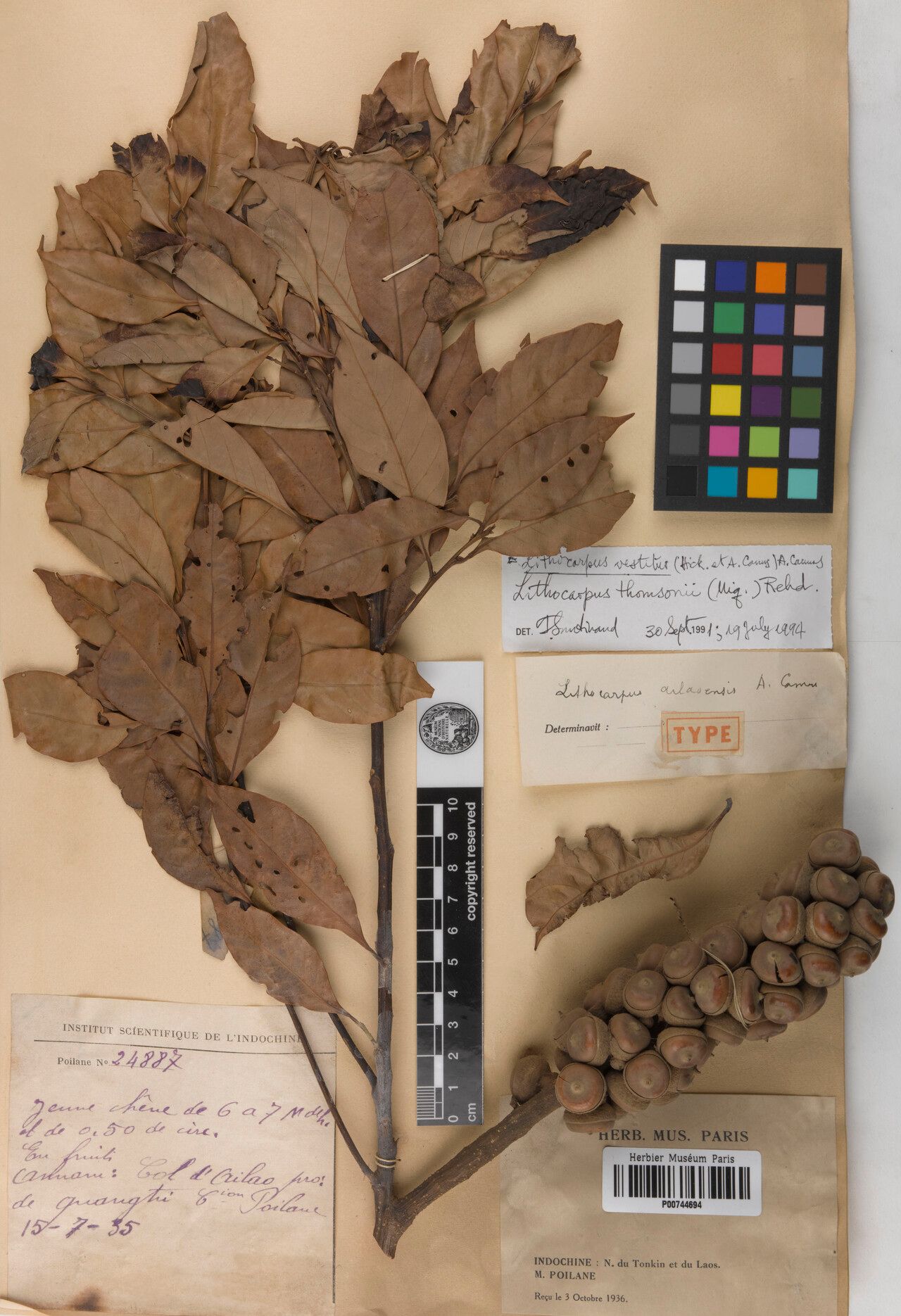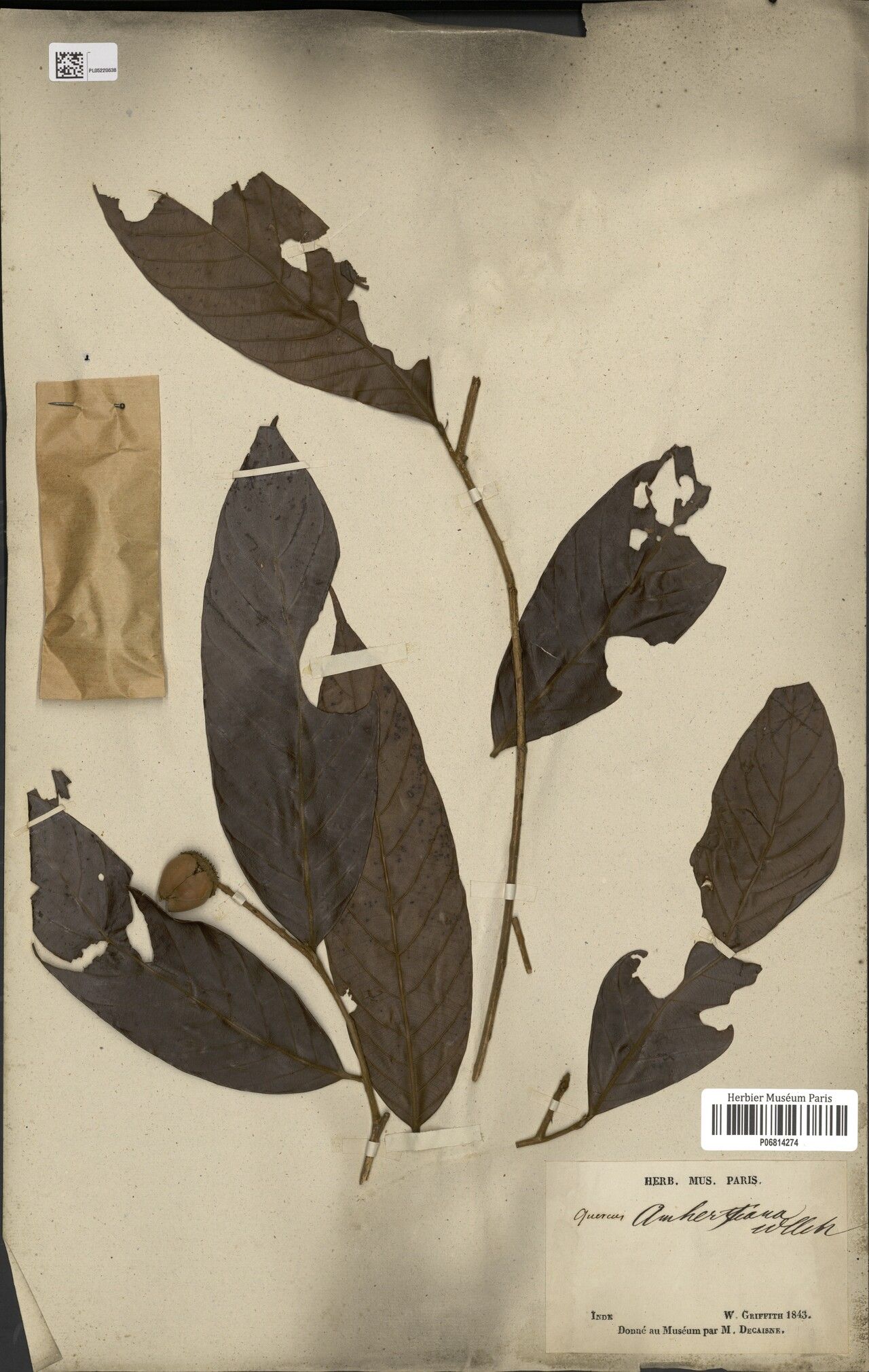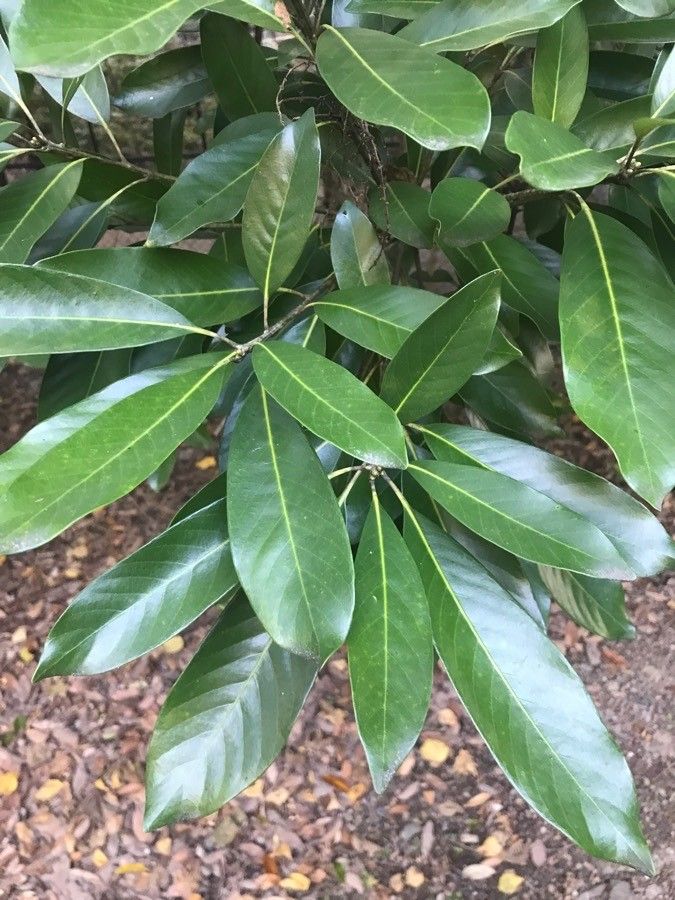
The Henry tanbark oak shows strong disease resistance and is generally unlikely to suffer from illnesses. As for care, this plant is fairly low-maintenance. Planted outdoors it needs only minimal watering, and larger specimens typically do not require pruning. Smaller plants, however, should be trimmed after they have finished blooming. The Henry tanbark oak is suitable for anyone with outdoor space, such as a garden or deck, and does not demand extensive care experience.
How to keep Lithocarpus Henryi.
Light
The Henry tanbark oak flourishes under the nourishing glow of the sun, welcoming patches of filtered light. Originating from an environment soaked in intense sunlight, it still enjoys slight shade at times. Either an excess or shortage of sunlight might disrupt its well-being and energy, leading to unnecessary strain on the plant.
Water
The Henry tanbark oak thrives in moderate humidity and should be watered every one to two weeks. It manages its water requirements effectively and grows best outdoors. This tree flourishes particularly well during the rainy season, when its hydration needs are naturally met.
Temperature
Henry tanbark oak has decent resilience against temperature and can withstand both extreme and fluctuating temperatures. In hot conditions, it's vital to monitor the watering diligently and shelter it suitably to avoid sun scorching. Conversely, Henry tanbark oak has a relatively low resistance to chilly temperatures. Even though it can survive moderate coldness, too much cold can result in frost harm.
Fertilizer
To encourage robust development, feed your Henry tanbark oak at the onset of spring. Consistent fertilization bolsters general health, contributing to dynamic growth, the ability to withstand harsh conditions, and heightened resistance to ailments and pests. Uphold a distinct feeding timetable for your Henry tanbark oak to guarantee leaves of vibrant, deep hues and a luxuriant presentation.
Pruning
The Henry tanbark oak is an evergreen plant that benefits from being pruned in the winter. To promote healthy growth, remove any dead branches and thin out crowded areas to improve airflow, but avoid making severe cuts. This approach helps maintain the plant's natural shape, reduces the risk of disease, and encourages robust growth in the spring. As a result, the tree develops a strong framework and a more attractive appearance.
Pot & Repot
When repotting the Henry tanbark oak, select a pot that is 1-2 inches (2.5-5 cm) larger featuring sufficient drainage capabilities. Opt for a potting mixture that drains well. Carry out the repotting process in spring or fall, ensuring the root ball is somewhat below the rim of the planting pot. After repotting, water the plant thoroughly and put it in a warm location with indirect exposure to sunlight.
Botanical profile.
- Plant Type
- Tree
- Life Cycle
- Perennial
- Genus
- Lithocarpus
- Family
- Fagaceae
- Hardiness Zone
- 8-9
- Mature Height
- 20.12 m
- Mature Spread
- 4.57 m to 6.1 m
- Leaf Color
- Dark Green, Olive Drab
- Leaf Type
- Evergreen
- Flower Color
- White, Yellow
- Flower Size
- 0.51 cm to 0.76 cm
- Bloom Time
- Late spring, Early summer
- Planting Time
- Autumn, Winter
- Harvest Time
- Late summer, Early fall, Mid fall
- Native Area
- China
Other names.
Reader questions.
How can I know if I'm giving enough water to my Henry tanbark oak?
The Henry tanbark oak is often overwatered, and there are clear signs to watch out for. When overwatered, the leaves turn yellow and may fall off. Additionally, overwatering can cause the plant to shrink and lead to root rot. On the other hand, if the oak is underwatered, it will start to wilt and have brown or brittle leaves. Regardless of whether you notice signs of overwatering or underwatering, it is important to take action and revive the health of your Henry tanbark oak.
What are the sunlight requirements for Henry tanbark oak?
Henry tanbark oak requires full sun, which means it thrives in areas that receive more than 6 hours of direct sunlight daily. It can also grow in partial sun, where it gets about 3-6 hours of sunlight. This plant, originating from environments with strong sunlight, benefits from the interplay of light and shade, appreciating mild shadows at times. Insufficient or excessive exposure to sunlight may adversely affect its health, making it crucial to provide the right balance of sunlight to ensure optimal growth.
What is the common name of Lithocarpus henryi?
The common name of Lithocarpus henryi is Henry tanbark oak.
How should I water my Henry tanbark oak tree?
Your Henry tanbark oak is not too particular about how you water it. You can use any common watering tool, such as watering cans, hoses, or cups. It's important to water the plant directly into the soil and make sure all areas of the soil are evenly moistened. Using filtered water is helpful because tap water may contain harmful particles. Additionally, using water that is at or slightly above room temperature is beneficial, as water that is too cold or hot can shock the plant. However, the Henry tanbark oak generally responds well to any type of water.
How important is artificial lighting for indoor Henry tanbark oak plants?
Artificial lighting is crucial for indoor Henry tanbark oak plants, especially when natural sunlight is insufficient, such as during winter or in less sunny spaces. Adequate lighting promotes faster, healthier growth. LED lights are recommended because they can be adjusted to provide specific light wavelengths needed by the plant. Full sun plants need 30-50W/sq ft, partial sun plants require 20-30W/sq ft, and full shade plants need 10-20W/sq ft of artificial light. The light source should be placed 12-36 inches above the plant to mimic natural sunlight, and most plants need 8-12 hours of light per day.
What is the botanical name of Henry tanbark oak?
The botanical name of Henry tanbark oak is Lithocarpus henryi.
What should I do if I give my Henry tanbark oak tree too much or too little water?
Outdoor plants, especially newly planted ones or seedlings, are prone to lack of watering. It's important to water them enough for a few months until they establish their roots. Once the roots are established, they can rely on rain most of the time. When it comes to Henry tanbark oak planted in pots, overwatering is more likely to happen. If you accidentally overwater your plant, you need to take immediate action. First, stop watering it to minimize the effect of overwatering. Then, remove the plant from its pot and check the roots. If there are no signs of root rot, you can return the plant to its container. However, if there is root rot, trim the affected roots and consider applying a fungicide to prevent further damage. Finally, repot the plant in well-draining soil. In the case of underwatered Henry tanbark oak, simply water the plant more frequently. Underwatering is an easy fix, as the leaves will droop and dry out, but they will quickly recover their fullness after sufficient watering. Be sure to adjust your watering frequency when you notice underwatering.
What are the symptoms of incorrect light exposure in Henry tanbark oak?
Incorrect light exposure can lead to several symptoms in Henry tanbark oak, including small leaves, leggy or sparse growth, faster leaf drop, slower or no new growth, lighter-colored new leaves, chlorosis (leaf yellowing), sunscald, leaf curling, wilting, and leaf scorching. These symptoms indicate either too much or too little sunlight, affecting the plant's ability to photosynthesize properly, maintain structural integrity, and overall health.
How frequently should I give water to my Henry tanbark oak?
If your area gets enough rainfall, most plants growing outdoors can thrive without additional watering. However, if you experience low rainfall, you should water your plants adequately every 2 weeks in the spring and fall, and more frequently in the summer. In winter, when plants grow slower and require less water, you can water them less frequently or not at all. Young or newly planted Henry tanbark oak trees may need more frequent watering to help them establish and grow into more adaptable and drought-tolerant plants. When it comes to potted plants, there are two main approaches to determine watering frequency for your Henry tanbark oak. The first is to follow a set watering schedule, such as once a week or every other week. However, this may not be sufficient as it does not consider the specific conditions of your plant's environment. Watering frequency may also vary depending on the season, with higher needs during summer. An alternative is to check the soil moisture before watering. Wait until the top two to four inches of soil (about ⅓ to ½ depth of the pot) have dried out completely before giving more water.
How can I adjust lighting conditions for my Henry tanbark oak?
To optimize lighting for Henry tanbark oak, gradually increase its exposure to sunlight if it's been in low light, aiming for at least 6 hours of direct sun daily. Use a south-facing window for indoor plants, keeping curtains open during the day. Consider artificial light for additional support. For outdoor plants, avoid sudden changes in light to prevent sunburn. You can also minimize obstructions by pruning or transplanting smaller plants to sunnier areas, ensuring they're placed during their dormant period for best results. Note that parts of the plant that suffered from insufficient light may not recover, but new growth should be healthy with adjusted light exposure.
How much water does my Henry tanbark oak tree need?
When watering your Henry tanbark oak, remember that it doesn't always need a lot of water. If only a few inches of soil have dried since the last watering, give it about five to ten ounces of water. You can also gauge the water volume based on how dry the soil is. If more than half of the soil is dry, give it more water until excess water drains from the pot. If your oak tree is planted in a rainy area, it may not need extra watering. When it's young or establishing, give it 1-2 inches of rain per week. As it grows, it can rely on rainwater, but during hot weather with no rain for a couple of weeks, give it a full watering to prevent stress.
How should I water my Henry tanbark oak tree as it grows?
When the Henry tanbark oak is young, especially in the seedling stage, it requires more water compared to when it is mature. It is crucial to keep the soil consistently moist during the early stages of this plant's life to promote root development. The same applies if you have transplanted a Henry tanbark oak to a new location. Additionally, with proper care, the Henry tanbark oak can produce beautiful flowers and fruits. If your tree is in a flowering or fruiting phase, it will likely need slightly more water than usual to support these plant structures.