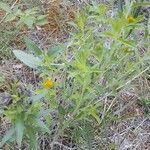
Lithospermum canescens
Indian-paint · Hoary puccoon · Puccoon · Hoary gromwell
Description
Source: leafsnapLithospermum canescens, commonly known as hoary puccoon or orange puccoon, is a perennial herb native to North America. It belongs to the Boraginaceae family and typically grows to a height of 1 to 2 feet. The plant features a woody taproot and produces multiple stems with narrow, finely-haired leaves that give a grayish appearance. The flowers of Lithospermum canescens are a striking orange-red and bloom from late spring to early summer. These tubular flowers, with their five-petaled, funnel-like structure, are particularly attractive to pollinators such as bees and butterflies. Hoary puccoon is commonly found in prairies, meadows, open woods, and along roadsides throughout the central United States. Historically, Native Americans used the plant for medicinal purposes, including treating coughs and sore throats. This plant is an attractive addition to gardens or landscapes due to its vibrant blooms. It thrives in well-drained soil and full sun but can also tolerate some shade. Once established, Lithospermum canescens requires minimal maintenance, though it may need occasional watering during extended dry periods. Overall, Lithospermum canescens is an easy-to-grow perennial that enhances the beauty of natural settings while also offering medicinal benefits for those who seek them.
Care Guide
💧 Water Every 7 days
The hoary puccoon, native to dry prairies, is a drought-tolerant plant that requires weekly watering once its roots are established. It efficiently stores water, allowing it to thrive outdoors in natural light and synchronize its growth cycle with rainy periods. This herbaceous plant is well adapted to the moisture fluctuations of its native habitat.
How often do I need to water my Hoary puccoon?
If you have a potted Hoary puccoon plant, the best way to know if it needs water is to check the soil with your finger. If the top two to three inches of soil are dry, then it's time to water it. For those who have Hoary puccoon plants planted in the ground, you can use the same method to check the soil. When the top few inches of soil are dry, it's time to water. In spring and early fall, watering once a week is usually enough. However, during very hot weather, you might need to water the plant twice or more per week. Despite this, mature and well-established Hoary puccoon plants can handle dry conditions well.
How should I water my Hoary puccoon?
To properly care for the Hoary puccoon plant, it is recommended to use filtered water that is at room temperature. Filtered water is preferable because tap water may contain harmful particles. It is important to use room temperature or slightly warmer water because the Hoary puccoon is accustomed to warm environments and cold water can be detrimental. Additionally, it is advised to avoid watering the plant from above, as this can cause issues with the foliage. Instead, you should gently water the plant by applying filtered room temperature water directly to the soil. It is best to soak the soil thoroughly as this provides vital moisture to the roots and helps them absorb nutrients effectively.
What should I do if I give my Hoary puccoon plant too much or too little water?
Overwatering is a more common problem than underwatering for the Hoary puccoon. When this plant gets too much water, its stems and leaves may wilt and turn yellow. Prolonged overwatering can also lead to diseases like root rot, mold, and mildew, which can be fatal. Underwatering is less common because the plant is somewhat drought tolerant, but it can still happen. In that case, the leaves will become brittle and brown. It's important to spot overwatering signs early to prevent irreversible damage. If you notice early signs, reduce watering immediately and check the soil's drainage. If it drains poorly, replace it with a well-draining potting mix. In cases of underwatering, increase watering until the signs improve.
How much water does my Hoary puccoon plant need?
To properly water your Hoary puccoon, don't hold back on the amount of water you give. Make sure the top few inches of soil are dry before watering, and then give it a thorough soaking. The water should be enough to completely saturate the soil and should cause excess water to drain out of the pot's drainage holes. If you don't see any excess water draining, it means you haven't watered enough. However, be careful not to let water accumulate in the soil as it can harm the plant. On the other hand, if water doesn't drain properly through the pot, it could mean the soil doesn't drain well, which is bad for the plant's health. If the plant is outside, receiving about 1 inch of rain per week will be adequate.
How should I water my Hoary puccoon as it grows?
The water needs of the Hoary puccoon can vary depending on different growth stages. In the first few years of its life or when you have just transplanted it, you will need to provide more water than usual. During these stages, the plant focuses on sprouting new roots to support future growth, so these roots require additional moisture. As the Hoary puccoon matures, it will require less water. Another stage that may require increased watering is during the bloom period, as flower development requires more moisture.
☀️ Light Full sun
For healthy growth, hoary puccoon does best in a setting that gets abundant sunlight for the majority of the day. Its native habitat points to a preference for direct, unfiltered light, and it cannot tolerate dimmer conditions. Insufficient sun can produce subpar growth, while excessive light can also stress the plant.
What are the sunlight requirements for Hoary puccoon?
Hoary puccoon requires full sun, meaning it needs above 6 hours of sunlight each day for healthy growth. It thrives best in environments that are predominantly bathed in sunlight throughout the day. Due to its origin habitat, Hoary puccoon prefers unfiltered light and may not perform well in less-lit conditions. Insufficient sun exposure can lead to sub-optimal growth, while too much sunlight can stress the plant. Observing how sunlight moves through your garden and choosing spots that provide a balance of light and shade is essential for the plant's happiness.
Can artificial lighting be used for Hoary puccoon, and how?
Yes, artificial lighting can be used for Hoary puccoon, especially when natural sunlight is insufficient, like during winter or in less sunny spaces. Artificial lights are crucial for promoting faster, healthier growth. LED lights are a popular choice because they can be customized to mimic natural sunlight by providing specific wavelengths of light needed by the plants. Full sun plants need 30-50W/sq ft of artificial light, partial sun plants need 20-30W/sq ft, and full shade plants should get 10-20W/sq ft. The ideal distance to place the light source is 12-36 inches above the plant, and most plants require 8-12 hours of light per day to mimic natural daylight hours.
What are the signs of light deficiency in Hoary puccoon?
The signs of light deficiency in Hoary puccoon include the presence of smaller new leaves compared to mature ones, leggy or sparse growth resulting in a thinner appearance, faster leaf drop as the plant tries to conserve resources, slower or halted new growth, paler new leaves indicating a lack of chlorophyll, and symptoms of chlorosis, where leaves lose their green color and turn yellow. These signs suggest that the plant is not receiving enough sunlight for optimal growth.
How does excessive sunlight affect Hoary puccoon?
Excessive sunlight can negatively impact Hoary puccoon, leading to conditions such as sunscald, which damages plant tissues with intense sun exposure; leaf curling, a defense mechanism to minimize water loss; wilting due to increased water loss; and leaf scorching, characterized by brown, dry, crispy leaf edges. These symptoms showcase the plant's struggle to cope with too much sunlight, affecting its health and growth.
What solutions can mitigate light-related issues for Hoary puccoon?
To mitigate light-related issues for Hoary puccoon, gradual acclimation to more sunlight is crucial. For indoor plants, moving them to a sunnier location each week until they receive at least 6 hours of direct sunlight daily is recommended. Utilizing artificial light, such as desk lamps or professional grow lights for at least 8 hours a day can also help. For outdoor plants, it's important to avoid sudden light intensity changes by progressively moving them to sunnier spots. Reducing obstructions like trees by pruning, and if necessary, transplanting smaller plants during their dormant period to areas with better sunlight and drainage is recommended. Note, parts affected by insufficient sunlight may not recover, but new growth should be healthy with proper light exposure.
🌡️ Temperature 0–32.2°C
Hoary puccoon is native to temperate regions and prefers temperatures between 32 and 90°F (0 to 32℃). Seasonal adjustment advice: in cooler conditions, providing protective cover for it may be necessary.
What is the native environment of Hoary Puccoon?
Hoary Puccoon, also known by its botanical name Lithospermum canescens, is native to temperate environments. It prefers a temperature range of 32 to 90°F (0 to 32°C), thriving in conditions that closely mimic its natural habitat. This plant is well adapted to seasonal changes and has specific requirements for maintaining its health throughout the year.
How does Hoary Puccoon react to cooler temperatures?
Hoary Puccoon is highly cold-tolerant, capable of withstanding low temperatures without the need for additional frost protection measures during winter. However, to prepare for the first freeze in autumn, it is advisable to water the plant generously. This ensures the soil remains moist and enters a frozen state properly, which helps prevent drought and water scarcity for the plant during the colder months and into early spring. Protective covers might be beneficial in exceptionally cool temperatures to safeguard the plant.
What should be done if Hoary Puccoon experiences extremely cold temperatures?
Despite its extreme cold tolerance, it's important to keep the winter temperature above -35°C for Hoary Puccoon. If temperatures drop below this threshold, the plant may not show immediate signs of damage but could have decreased sprouting or fail to sprout at all come spring. If this occurs, it's recommended to carefully remove any parts of the plant that have failed to sprout as a way to stimulate new growth and maintain plant health.
How should Hoary Puccoon be cared for in high temperature conditions?
Hoary Puccoon does not tolerate high temperatures well. Once the temperature exceeds 32°C, its growth may halt, and the plant becomes more susceptible to diseases, such as rot. To help the plant cope, trim away any sunburned or dried-up parts. Moving the plant to a shaded area or utilizing a shade cloth can protect it from the harshest midday and afternoon sun. Additionally, watering the plant in the morning and evening will help keep the soil moist and reduce temperature stress.
💨 Humidity
🪴 Soil 6-7
🌱 Fertilizer
Early spring, when the Hoary puccoon is coming out of dormancy and starting active growth, is the best time to fertilize it. Fertilization supplies essential nutrients for healthy growth. While Hoary puccoon has fairly low fertilizer requirements, an annual application can improve its survival and support better, longer-lasting flowers.
🪴 Pot & Repot
✂️ Pruning
Hoary puccoon is a small perennial plant known for its bright yellow flowers. To promote growth, prune the plant in early to late spring by removing dead stems and spent flowers. Regular pruning helps maintain the plant's health, encourages denser growth, and can extend the blooming period.
🌿 Propagating
🐛 Diseases & pets
☠️ Toxicity
Characteristics
- Plant Type
- Herb
- Life Cycle
- Perennial
- Genus
- Lithospermum
- Family
- Boraginaceae
- Hardiness Zone
- 3-7
- Mature Height
- 15 cm to 46 cm
- Mature Spread
- 8 cm to 15 cm
- Leaf Color
- Green, Dark Green
- Leaf Type
- Semi-evergreen
- Flower Color
- Orange
- Flower Size
- 2.54 cm
- Bloom Time
- Spring
- Planting Time
- Spring, Summer
- Harvest Time
- Summer