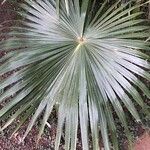
Livistona australis
Australian cabbage palm · Australian fan palm · Gippsland palm · Cabbage fan palm · Cabbage palm
Description
Source: leafsnapLivistona australis, the cabbage-tree palm, is a plant species in the family Arecaceae. It is a tall, slender palm growing up to about 25 m in height and 0.35 m diameter. It is crowned with dark, glossy green leaves on petioles 2 m long. It has leaves plaited like a fan; the cabbage of these is small but sweet. In summer it bears flower spikes with sprigs of cream-white flowers. The trees accumulate dead fronds or leaves, which when the plant is in cultivation are often removed by an arborist. Seeking protection from the sun, early European settlers in Australia used fibre from the native palm to create the cabbage tree hat, a distinctive form of headwear during the colonial era.
Care Guide
💧 Water Every 2 weeks
Native to the subtropical forests of Australia, the cabbage-tree palm thrives in consistently humid conditions and benefits from being watered every two weeks. Although it can withstand short periods of dryness by storing water, it requires adequate soil moisture and protection from extreme temperatures to maintain its lush foliage throughout the year.
☀️ Light Full sun
The cabbage-tree palm grows best when it gets nearly continuous sunlight. It can, however, adjust to light shade as long as it still receives some sun. This preference originates from its native habitat, which enjoys sun for most of the day. Too little light can affect growth, while too much can cause leaf scorch.
What are the sunlight requirements for a Cabbage-tree palm?
The Cabbage-tree palm thrives best under continuous sun exposure but can adapt to slightly shaded environments for some of its day. Originating from habitats that enjoy abundant sunlight, these palms prefer environments that mimic their natural conditions. Insufficient lighting may hinder their growth, while excessive exposure can lead to leaf scorch. It's essential to observe how sunlight moves through your garden, aiming to place your palms in locations that offer a balance of light and shade to ensure their optimal growth and health.
How does artificial lighting benefit indoor Cabbage-tree palms?
Indoor Cabbage-tree palms require adequate lighting to grow optimally, especially in conditions where natural sunlight is limited, such as during winter or in spaces that do not receive sufficient sunlight. Artificial lighting serves as an excellent alternative, promoting healthier and faster growth. LED lights are particularly beneficial as they can be tailored to provide specific wavelengths needed by the plants. Depending on the plant's sun exposure needs, the intensity of artificial light should vary: 30-50W/sq ft for full sun plants, 20-30W/sq ft for partial sun plants, and 10-20W/sq ft for full shade plants. Adjusting the light source's distance (12-36 inches above the plant) and duration (mimicking natural daylight hours, usually 8-12 hours daily) is crucial for simulating natural sunlight conditions.
What are the signs of insufficient lighting in a Cabbage-tree palm?
When Cabbage-tree palms are cultivated indoors or under insufficient lighting conditions, several symptoms may indicate light deficiency. These include smaller new leaves, which grow smaller in size compared to previously matured ones; leggy or sparse growth, with increased distance between leaves or stems giving a thin appearance; faster leaf drop as the palm sheds older leaves to conserve resources; delayed or halted growth due to poor light conditions; lighter-colored new leaves suggesting a lack of chlorophyll; and chlorosis, where leaves lose their green color and turn yellow, usually due to excessive light. Also, sunscald from intense light exposure, leaf curling as a defense against extreme sunlight, wilting from increased water loss, and leaf scorching, characterized by brown, dry edges on leaves, can occur.
What are the solutions for Cabbage-tree palms experiencing insufficient sunlight?
For optimal growth, gradually relocate your indoor Cabbage-tree palms to sunnier spots, ensuring they receive at least 6 hours of direct sunlight daily. Utilizing south-facing windows and keeping curtains open maximizes sunlight exposure. If the plant is large or immovable, supplement with artificial light, keeping lamps on for at least 8 hours daily or investing in professional plant grow lights. For outdoor palms, move them gradually to sunnier locations each week to avoid sunburn, allowing time to adapt. If sunlight is blocked, trim branches or leaves that cause shade, or transplant smaller plants during their dormant phase to sunnier locations with good drainage. Note that parts of the plant already affected by light deficiency may not recover, but new growth will be healthy with improved light conditions.
🌡️ Temperature 20–37.8°C
The cabbage-tree palm is native to warm climates and performs best at temperatures between 68 and 100 °F (20 to 38 ℃). During colder months, safeguard the plant by keeping indoor temperatures no lower than 68 °F (20 ℃).
What is the ideal temperature range for Cabbage-tree palm?
The Cabbage-tree palm thrives in warm regions and prefers a temperature range between 68 to 100°F (20 to 38°C). To ensure healthy growth, it's crucial to protect the plant from cold by maintaining indoor temperatures not less than 68°F (20°C) during the colder seasons. This palm is extremely heat-loving, and exposure to cold can be harmful. During winter or cold autumn days, it is advisable to bring the plant indoors, placing it near a bright window yet away from direct heat sources to maintain favorable temperatures.
How do cold temperatures affect Cabbage-tree palm and what should I do?
Cabbage-tree palm is sensitive to cold and prefers temperatures above 20°C. Exposure to temperatures below this threshold, and especially approaching 0°C, can be detrimental. Frost can cause the leaves to lighten in color, gradually turning brown or black, and lead to wilting and drooping. To remedy this, trim off frost-damaged parts and move the plant to a warmer indoor location immediately. Placing it near a south-facing window ensures it gets enough sunlight, but it should not be placed near heaters or air conditioning vents to avoid air dryness.
What is the impact of high temperatures on Cabbage-tree palm and how can I mitigate it?
During summer, it's essential to keep the Cabbage-tree palm below 38°C to prevent heat stress. Temperatures exceeding 43°C may cause the leaves to lighten, and the plant becomes prone to sunburn. To address this, trim away the sunburned and dried parts of the plant. Relocating the plant to a shaded area, especially away from the harsh midday and afternoon sun, can help protect it. Ensuring the soil remains moist through morning and evening watering sessions is also beneficial for the plant's health under high temperature conditions.
💨 Humidity
🪴 Soil 6-8
🌱 Fertilizer
The best time to fertilize a Cabbage-tree palm is in early spring, when it is coming out of dormancy. This encourages general growth and supports flower development. Fertilization improves the foliage, stems, and branches, and helps produce flowers that are larger, more vivid, and longer-lasting. It also helps move nutrients from the roots to the flowers and enhances the plant’s overall health and resistance to disease.
🪴 Pot & Repot
✂️ Pruning
The cabbage-tree palm is characterized by its large, fan-shaped fronds and slender trunk. To promote growth and improve air circulation, prune the plant in early spring by removing any dead fronds. Be careful not to cut healthy fronds. To ensure safety when pruning, use sharp tools and wear gloves, as the edges of the fronds can be sharp.
🌿 Propagating
🐛 Diseases & pets
☠️ Toxicity
Characteristics
- Plant Type
- Tree
- Life Cycle
- Perennial
- Genus
- Livistona
- Family
- Arecaceae
- Hardiness Zone
- 9-11
- Mature Height
- 10.06 m
- Mature Spread
- 2.13 m
- Leaf Color
- Green
- Leaf Type
- Evergreen
- Flower Color
- Cream, Yellow
- Flower Size
- 1.02 cm
- Bloom Time
- Mid spring, Late spring
- Planting Time
- Spring, Summer, Autumn
- Harvest Time
- Late summer, Early fall, Mid fall