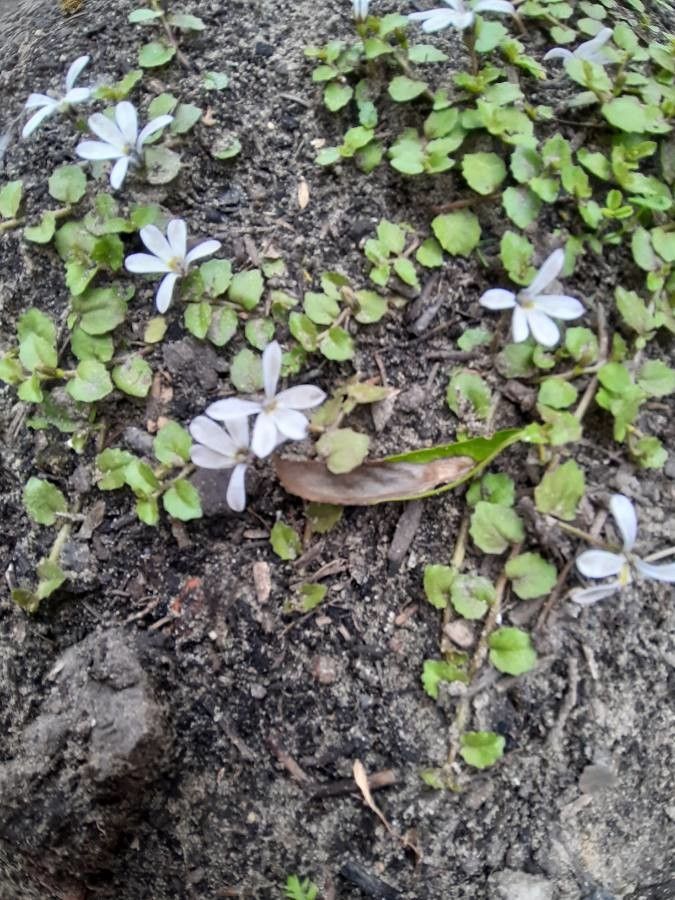
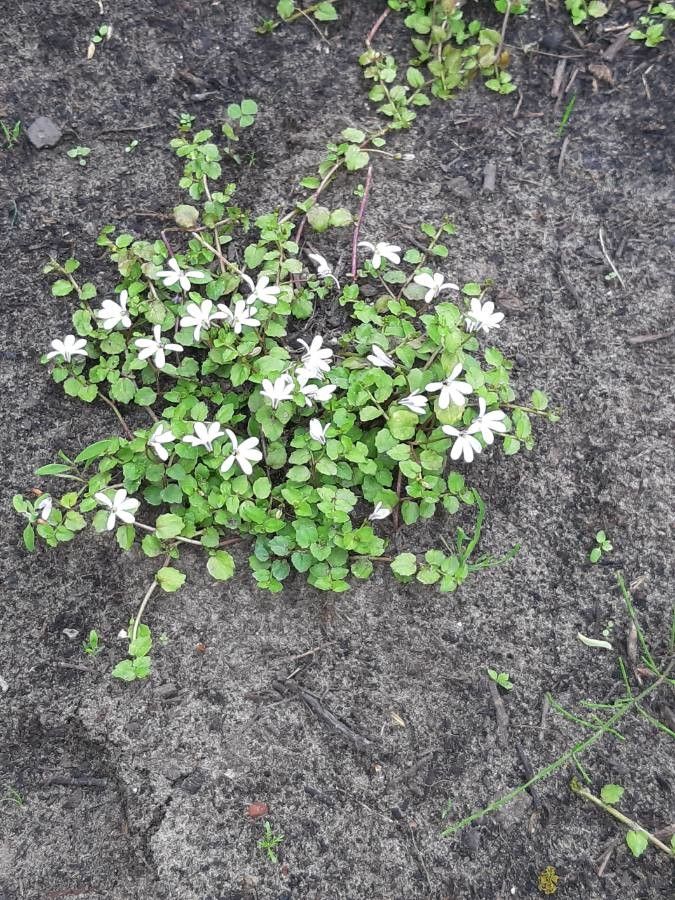
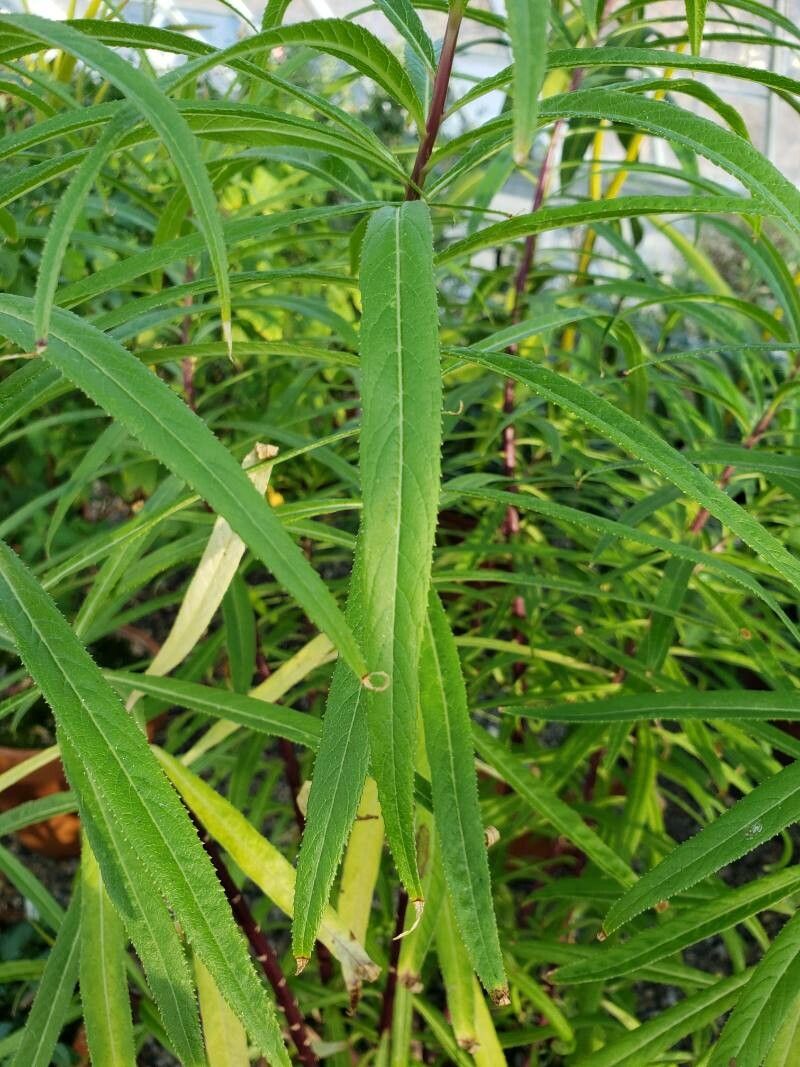
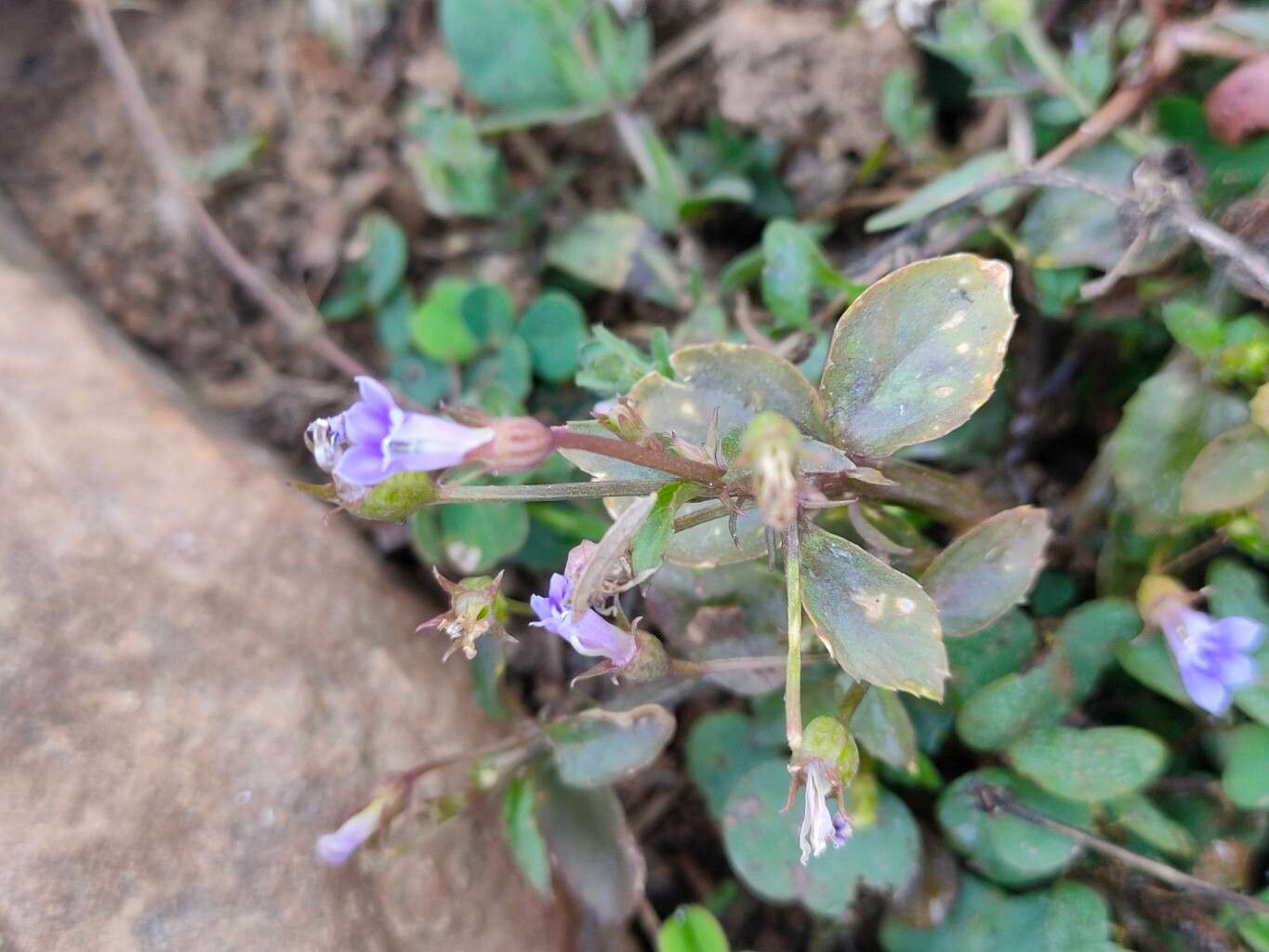
Lobelia angulata, commonly known as the angled lobelia, is a species of flowering plant in the Campanulaceae family. It is native to various parts of North America, including Canada and the United States.
This plant typically reaches a height of up to 3 feet and features a slender stem with alternate, lance-shaped leaves. Its small, tubular flowers are blue-purple in color and form a bell shape with five petals.
Lobelia angulata thrives in moist soil and is commonly found in wetlands, marshes, meadows, and along streams or rivers. It plays an important ecological role by serving as a food source for pollinators such as bees and butterflies.
Native American tribes have traditionally used the plant for medicinal purposes to treat respiratory ailments like asthma and bronchitis. However, it is important to note that Lobelia angulata contains toxic alkaloids, which can cause adverse effects if ingested improperly.
Overall, Lobelia angulata is an attractive wildflower species with significant ecological importance due to its support of pollinator populations. It also holds traditional medicinal value for indigenous communities.
Lawn lobelia shows good resistance to disease and is generally not prone to infections. Still, it can be affected by pests and diseases present in its surroundings, though these problems are usually mild. As for care, the plant needs moderate maintenance. It should be pruned regularly to keep a neat appearance and support healthy growth. Fertilizing can also help encourage flowering. Lawn lobelia is suitable for anyone with outdoor space, such as a garden or patio, and does not require extensive gardening experience. It may need more attention if grown indoors.
How to keep Lobelia Angulata.
Light
Lawn lobelia does best in spots that receive ample but not excessive sunlight. This mirrors its natural habitat, which is similar to areas without intense light. This light requirement stays the same throughout its various growth stages. However, too much or too little sun can harm the plant, causing abnormal growth or discoloration.
Water
Lawn lobelia grows best in moist conditions and should be kept consistently hydrated, although it can tolerate some drought. It's important to water it weekly, making sure not to oversaturate the soil. This plant thrives in humid environments and does particularly well outdoors in areas where natural rainfall supports its growth cycles.
Humidity
This plant will thrive in moderate humidity, which is probably the level in your home. However, misting it a few times a week can be very beneficial. Make sure the room has good ventilation.
Temperature
Lawn lobelia is a flexible plant, flourishing in temperatures from 50 to 95 °F (10 to 35 ℃). It does best in conditions similar to its native climate, though slight temperature adjustments across seasons can improve growth.
Fertilizer
One fertilizer application in spring is generally adequate for Lawn lobelia, although several feedings can optimize growth. Apply fertilizer every month to a month and a half. Feeding improves the leaves' appearance and function, encouraging even color and a healthy texture. It also promotes root development and nutrient uptake, supporting the plant's long-term health.
Pruning
Lawn lobelia is a low-growing herb that features small blue or white flowers. It's best to prune it from early to late spring to help shape the plant, encourage dense growth, and promote more blooms. Regular pruning also improves air circulation and helps prevent disease. Additionally, thin out overcrowded areas to allow better light penetration.
Botanical profile.
- Plant Type
- Herb
- Life Cycle
- Perennial
- Genus
- Lobelia
- Family
- Campanulaceae
- Hardiness Zone
- 6-9
- Mature Height
- 5 cm
- Mature Spread
- 49 cm
- Leaf Color
- Green, Dark Green
- Leaf Type
- Deciduous
- Flower Color
- White
- Flower Size
- 2.54 cm
- Bloom Time
- Mid spring, Late spring, Early summer
- Planting Time
- Spring, Summer, Autumn
- Harvest Time
- Summer
- Native Area
- New Zealand
Other names.
Reader questions.
What do I do if I give my Lawn lobelia too much or too little water?
Overwatering is a more common issue for Lawn lobelia, which can cause wilting, yellowing of leaves, and diseases like root rot, mold, and mildew. Underwatering is less common but can make the leaves brittle and brown. It's important to recognize signs of overwatering early and reduce watering, particularly if the soil doesn't drain well. Conversely, if signs of underwatering are present, simply increase watering until the signs disappear.
Why should I add fertilizer to my Lawn lobelia?
Proper fertilization is crucial for maintaining the health and appearance of the leaves of your Lawn lobelia. By fertilizing correctly, you can ensure that the leaves of your plant have consistent color and a healthy texture. Fertilization also has benefits for the roots of your Lawn lobelia. It helps generate new roots and maintain the existing ones, improving the plant's ability to absorb nutrients from the soil both now and in the future.
How much sunlight does Lawn lobelia need to grow?
To help Lawn lobelia thrive, it needs both sunlight and shade. Around 3-6 hours of direct sunlight each day is necessary, but during the hottest parts of the day, some shade is needed to avoid sun damage. The best time for sun exposure is in the morning, although Lawn lobelia can handle a little afternoon sun as long as it's not too hot. For the perfect balance, it's recommended to plant Lawn lobelia in a spot that receives partial sun, like under a tree or on the east side of a building.
What temperature is best for Lawn lobelia?
The best temperature for Lawn lobelia depends on the time of year. There are two primary seasons to consider: the growing season and the dormancy season. During the growing season, which is when Lawn lobelia begins to sprout, the ideal temperature range should be between 65-80℉ (18-27℃). If the temperature goes below 15℉ (-10℃), the plant will suffer and its leaves may turn brown and wilt. However, if it's just a short cold snap, Lawn lobelia may survive with some assistance. In the warmer parts of the year, Lawn lobelia also needs protection from high temperatures. The upper limit for this plant's temperature range is 95-105℉ (35-40℃). Anything above that can harm the foliage and blooms of Lawn lobelia. Higher temperatures can lead to wilting, drooping, and even sunburn on the leaves, which can be challenging for Lawn lobelia to recover from. Fortunately, there are several quick and easy methods to address this issue.
How do I water my Lawn lobelia in the best way?
To keep your Lawn lobelia healthy, it's best to use filtered water at room temperature. Tap water may have particles that can harm the plant. Since the Lawn lobelia is accustomed to warm environments, it's important to avoid using cold water, as it could shock the plant. Instead of overhead watering, it's better to pour filtered room temperature water onto the soil until it's thoroughly soaked. This method benefits the plant by keeping the roots moist and helping them spread and absorb nutrients from the soil.
What is the right time to add fertilizer to my Lawn lobelia?
When you grow your Lawn lobelia outdoors, it will start growing new leaves in early spring, indicating it's time to fertilize. Normally, a single application of fertilizer in spring is enough. However, if you want to maximize growth, you can fertilize multiple times throughout spring and early summer. In this case, you can feed your Lawn lobelia about once every month to a month and a half.
What happens if Lawn lobelia doesn't get enough sunlight?
Lawn lobelia may experience sun damage if exposed to excessive direct sunlight. This can cause the leaves to turn yellow, dry out, or even burn, and may also result in wilting or stunted growth. To prevent sun damage, it is important to provide some shade for Lawn lobelia during the hottest parts of the day. This can be achieved by using a shade cloth or planting Lawn lobelia near taller plants that can provide natural shade.
What temperature does a lawn lobelia seedling need in its first year?
If you have just planted a new Lawn lobelia outside for the first time, it may need some extra care during the coldest months. Frost can cause significant damage and prevent the plant from regrowing in the spring. To protect the plant from the cold, it should be kept at a temperature of 40℉(5℃) or above. This can be achieved by either bringing it indoors for a month or two or using mulch or fabric barriers to shield it from frost. In the first year or two, it is advisable to plant the Lawn lobelia in a shadier area. Smaller and weaker plants struggle to regulate their temperature in the heat. Therefore, the plant should receive no more than five hours of direct sunlight per day, especially if the temperature rises above 80℉(27℃). Using shadecloth and providing ample watering or misting will help control the plant's exposure to summer heat.
How often do I need to water my Lawn lobelia?
If your Lawn lobelia is in a pot, the best way to check if it needs water is by sticking your finger into the soil. If the top two to three inches feel dry, it's time to water it. The same method can be used for Lawn lobelia grown outdoors in the ground. When the first few inches of soil have dried out, it's time to water. In the spring and early fall, watering once a week is usually sufficient. However, during extremely hot weather, you may need to water twice or more per week. It's worth noting that mature, well-established Lawn lobelia plants are quite resilient and can tolerate drought.
When is not a good time to fertilize my Lawn lobelia?
During late fall and winter, your Lawn lobelia goes into a dormant phase and stops growing. It's best to avoid fertilizing it during this time. In spring and summer, if you decide to fertilize, start reducing the amount as summer arrives because the growth rate of your Lawn lobelia will decrease too. In general, it's not a good idea to fertilize your Lawn lobelia during exceptionally hot weather or when the soil is extremely dry. Fertilizing under those conditions can put stress on your Lawn lobelia and lead to premature death.
What will happen if Lawn lobelia gets too much sunlight?
If Lawn lobelia doesn't receive sufficient sunlight, it might become tall and spindly, with sparse leaves. The leaves might also turn yellow or pale green, which means the plant is not getting enough sunlight to produce chlorophyll. To fix this, consider relocating Lawn lobelia to a sunnier spot or trim nearby foliage for better light penetration.
How do I keep Lawn lobelia safe from really hot or really cold weather?
If cold temperatures (below 15℉(-10℃)) occur during the growing season, there are steps you can take to protect Lawn lobelia from frost or cold damage. For container-grown Lawn lobelia, bring the container inside in bright, indirect light until temperatures rise above the lower threshold again. If you have ground-planted Lawn lobelia, you can use mulch or horticultural fabric to create an insulated barrier around the plant, shielding it from frost and cold wind. On the other hand, for temperatures hotter than 80℉(27℃) in the shade during the day, be cautious about exposing Lawn lobelia to more than six hours of sunlight per day, preferably in the morning. To reduce direct sunlight during the hottest parts of the day, consider putting up shade cloth or a fine plastic mesh. Additionally, installing a misting system that releases cooling mist around the plant's base during the day can lower ground temperatures.