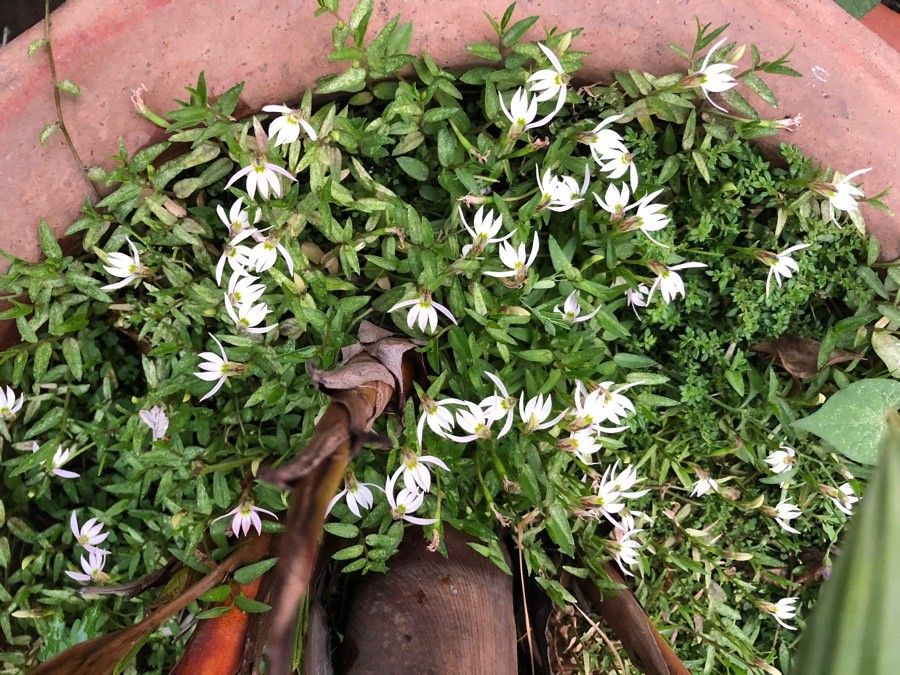
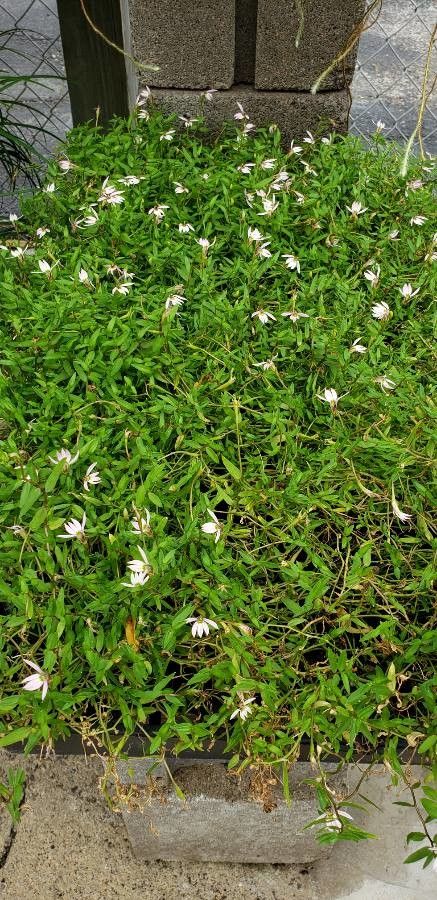
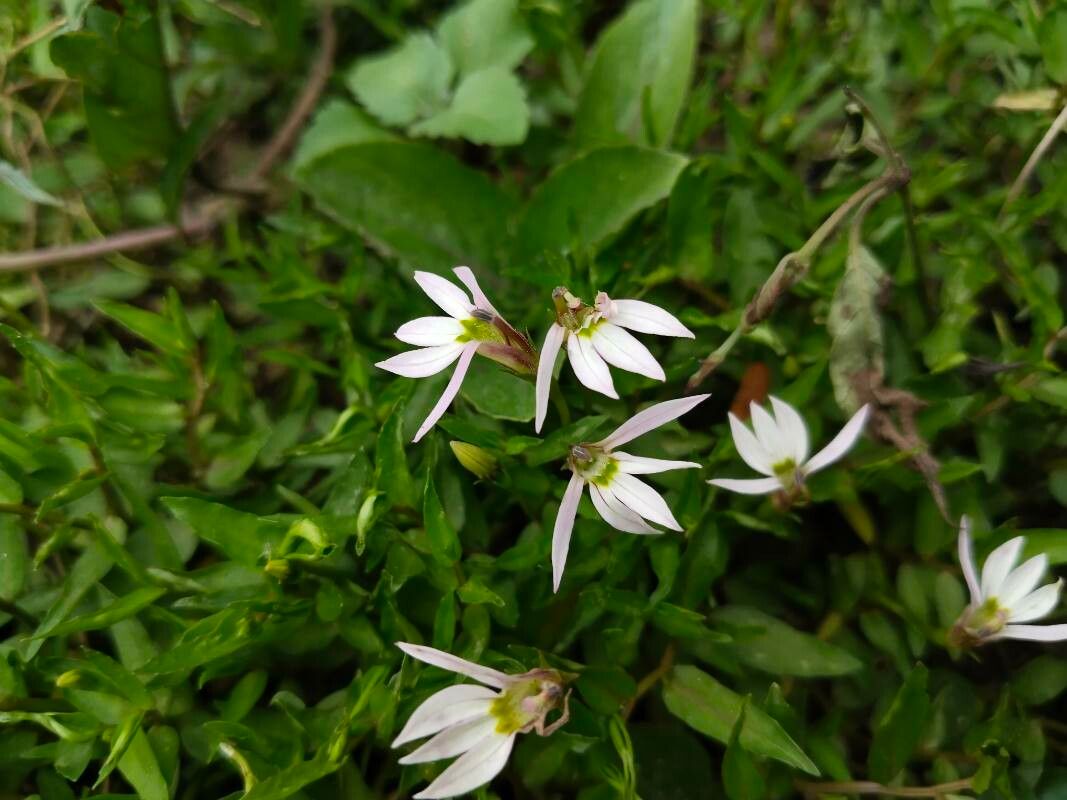
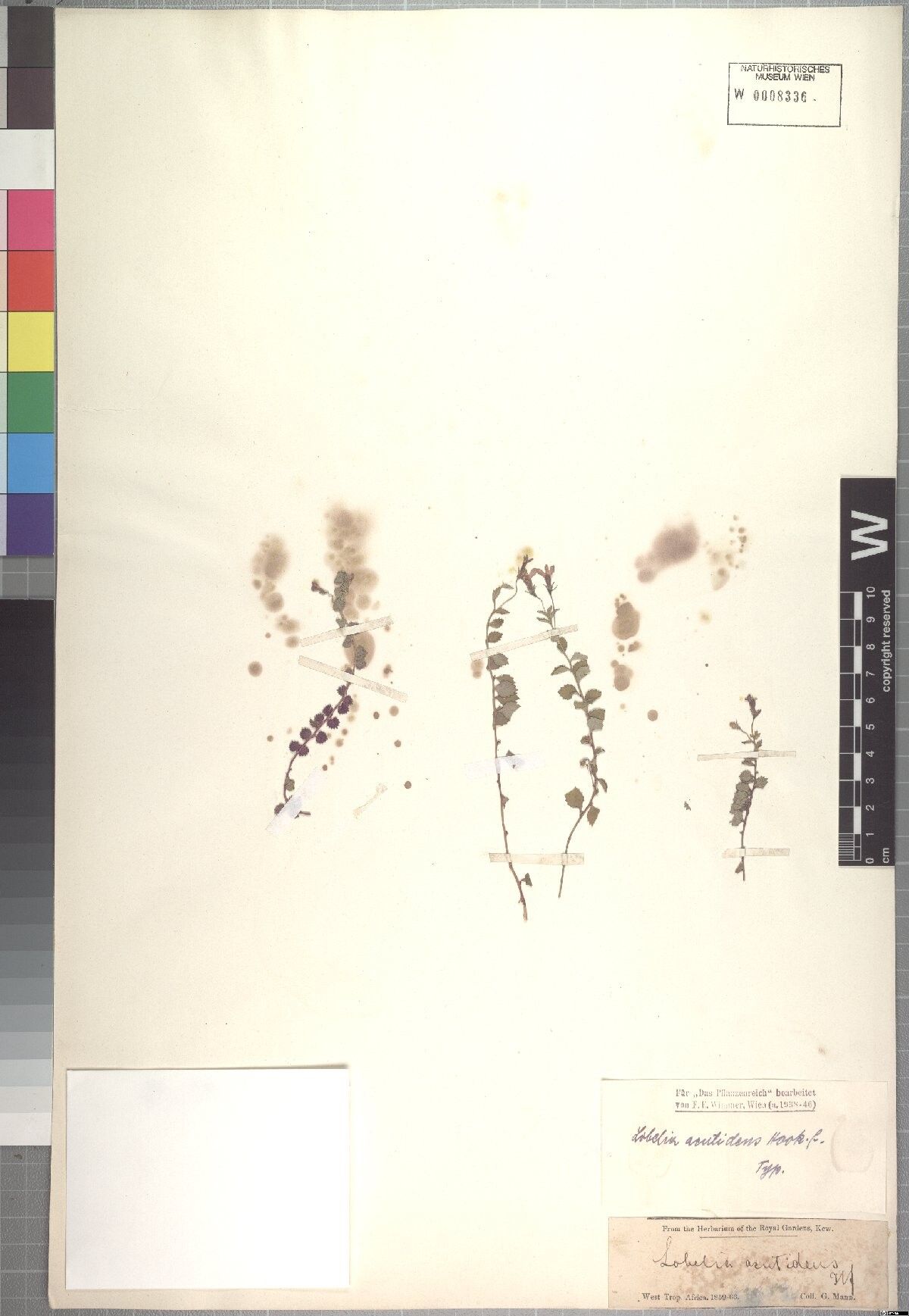
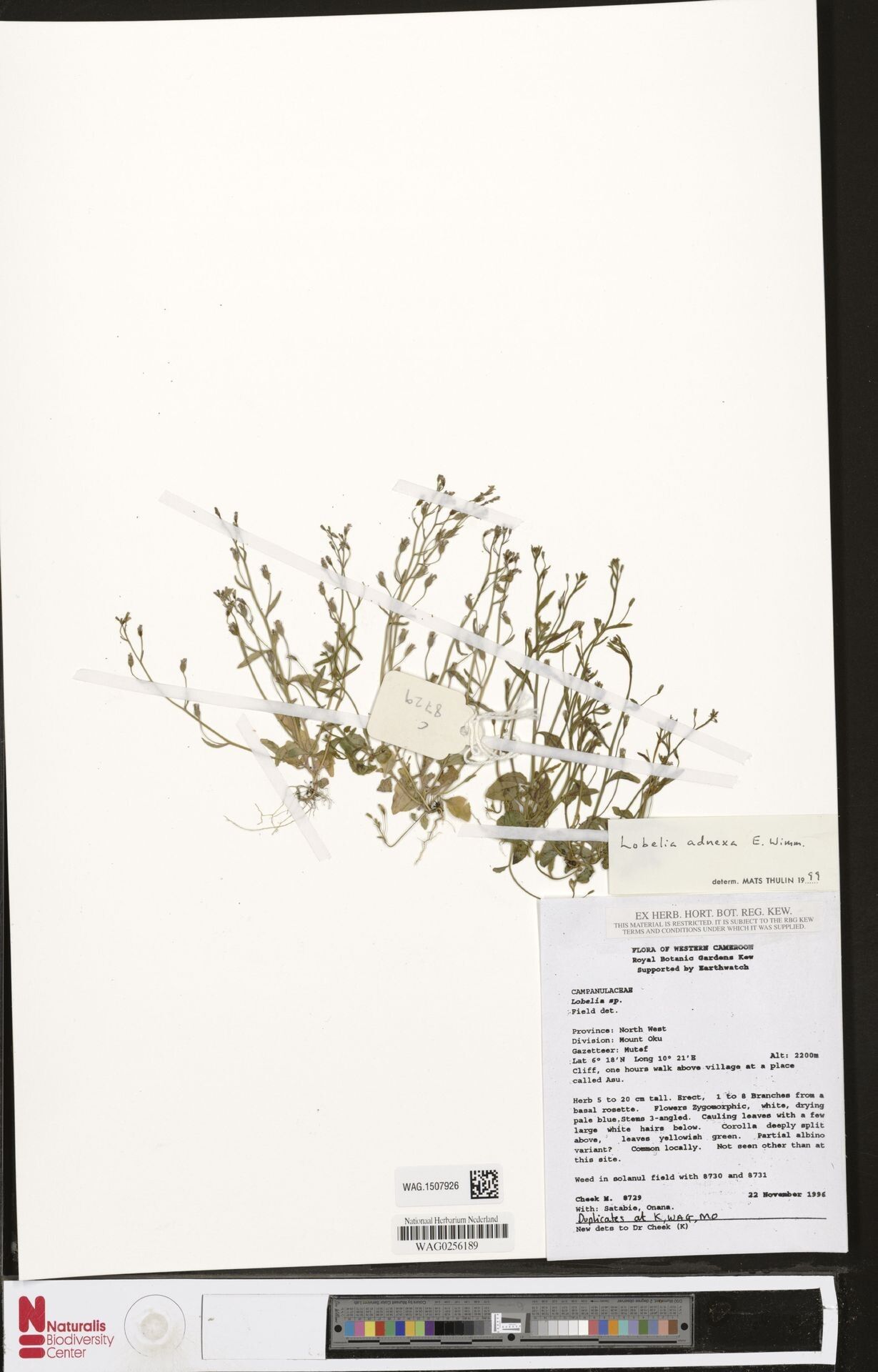
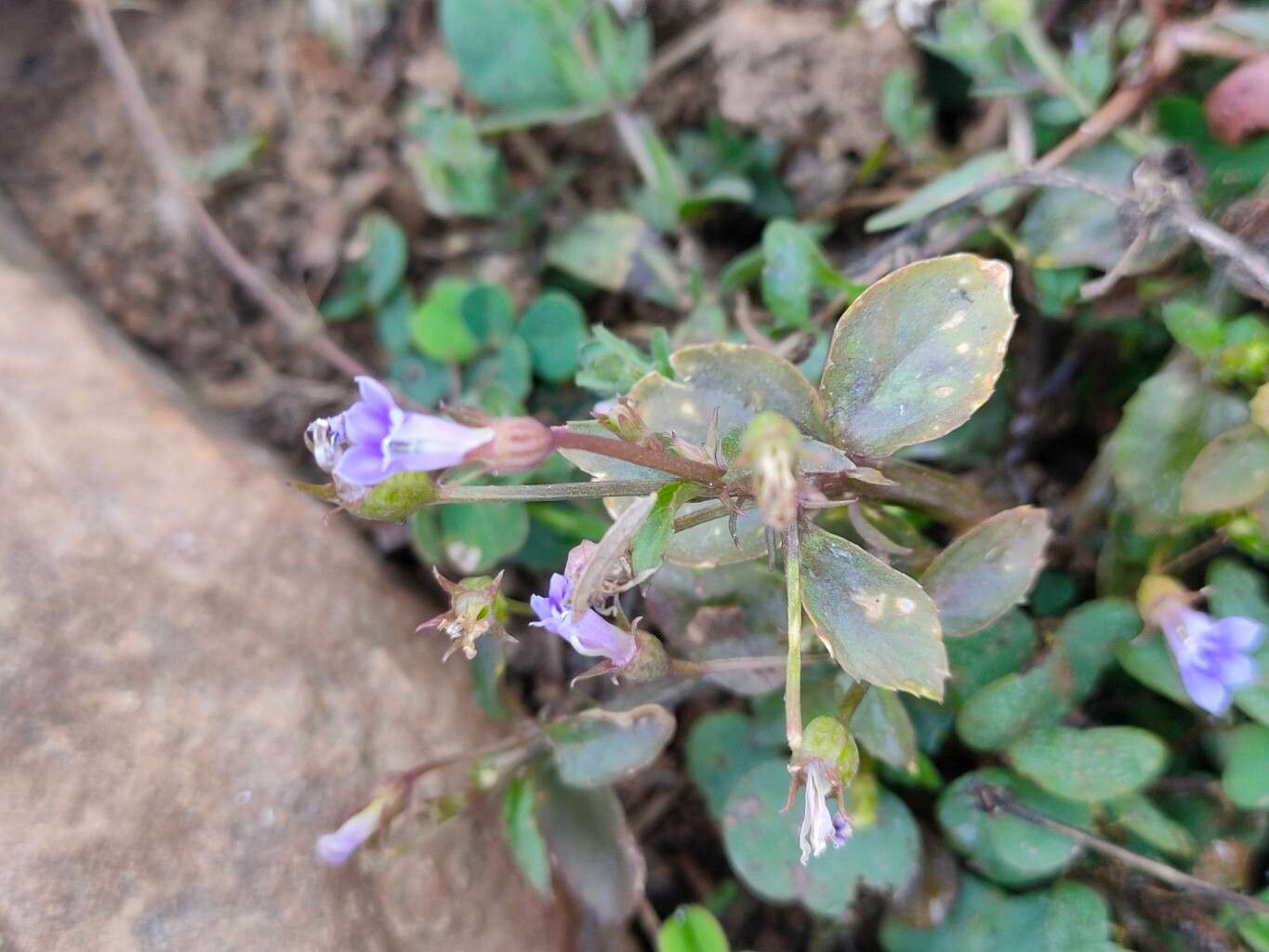
Lobelia chinensis, commonly known as Asian lobelia, Chinese Lobelia, and Herba Lobellae Chinensis, is a species of flowering plant in the family Campanulaceae. It is one of the 50 fundamental herbs used in traditional Chinese medicine, where it has the name (Chinese: 半边莲; pinyin: bàn biān lián).
Chinese lobelia is fairly disease-resistant and generally not prone to illness. Still, it can be affected by pests and diseases present in its surroundings, though such problems are usually mild. Regarding upkeep, this plant needs moderate care. It should be pruned regularly to keep a tidy appearance and encourage healthy growth. Applying fertilizer can also help stimulate flowering. Chinese lobelia is appropriate for anyone with an outdoor area like a garden or patio and does not demand extensive care experience. It may need more attention if grown indoors.
How to keep Lobelia Chinensis.
Light
Chinese lobelia comes from habitats like forest understories and rocky locales, where it grows in natural shade. It prefers partial sun but can tolerate both full sun and full shade, showing its versatile and hardy character.
Water
Chinese lobelia flourishes in high humidity environments, which is a reflection of its tropical origins. This plant maintains a balance between water absorption and transpiration, and requires weekly watering to achieve optimal growth. As an herbaceous species, Chinese lobelia grows best outdoors, where it benefits from sufficient rainfall during its growth season.
Temperature
Chinese lobelia originates from habitats where temperatures typically range from 50 to 95 °F (10 to 35 °C). It prefers moderate climates. To maintain its health, consider adjusting the plant’s environment to match these temperatures, especially during severe seasonal changes.
Fertilizer
Usually one fertilizing in spring is enough for Chinese lobelia, though repeated feedings can boost growth. Apply fertilizer about every month to a month and a half. Fertilizing improves the leaves' appearance and function, maintaining even color and a healthy texture. It also promotes root development and nutrient uptake, supporting the plant's long-term health.
Pruning
Chinese lobelia is known for its vibrant blooms and low-growing habit. To keep it healthy, regular pruning is beneficial. Techniques for pruning include removing dead stems and pinching back new shoots in the spring. Pruning during the plant's active growth phase improves air circulation, reduces the risk of disease, and helps maintain a compact structure.
Pot & Repot
When repotting Chinese lobelia, select a pot 1-2 inches (2.5–5.1 cm) larger with good drainage. Use a well-draining potting mix. Repot in spring or fall, making sure the root ball sits slightly below the rim of the flower pot. Water thoroughly after repotting and place in a warm spot with indirect sunlight.
Botanical profile.
- Plant Type
- Herb
- Life Cycle
- Perennial
- Genus
- Lobelia
- Family
- Campanulaceae
- Hardiness Zone
- 6-9
- Mature Height
- 8 cm to 15 cm
- Mature Spread
- 91 cm
- Leaf Color
- Green
- Leaf Type
- Deciduous
- Flower Color
- White, Pink
- Flower Size
- 6.35 cm
- Bloom Time
- Summer, Early fall, Mid fall
- Planting Time
- Spring, Summer, Autumn
- Harvest Time
- Late summer, Fall, Early winter
- Native Area
- Nepal, Sri Lanka, India, Malaysia, Indonesia, Cambodia, Vietnam, Japan, Koppen, Bangladesh, Laos, South Korea, Thailand, China
Other names.
Reader questions.
What are the sun requirements for Chinese Lobelia?
Chinese lobelia, also known by its botanical name Lobelia chinensis, thrives in specific sunlight conditions to ensure its happiness and health. It requires partial sun, meaning about 3-6 hours of sunlight a day. For those areas of your garden that receive less sunlight, it's important to note that Chinese lobelia can also tolerate full shade conditions, which is less than 3 hours of sunlight. When choosing the perfect spot for your Chinese lobelia, pay attention to the movement of sunlight through your garden throughout the day. This observation will help you find a location that offers the ideal balance of light and shade suited to the needs of this plant.
What is the native environment of Chinese lobelia?
Chinese lobelia, botanically known as Lobelia chinensis, originates from environments that typically range in temperature from 50 to 95 °F (10 to 35 °C). These regions are characterized by their moderate climates, indicating that the plant has a preference for such conditions. To maintain its health, especially during periods of extreme seasonal shifts, it's beneficial to adjust the plant's surroundings to replicate these moderate temperature ranges as closely as possible.