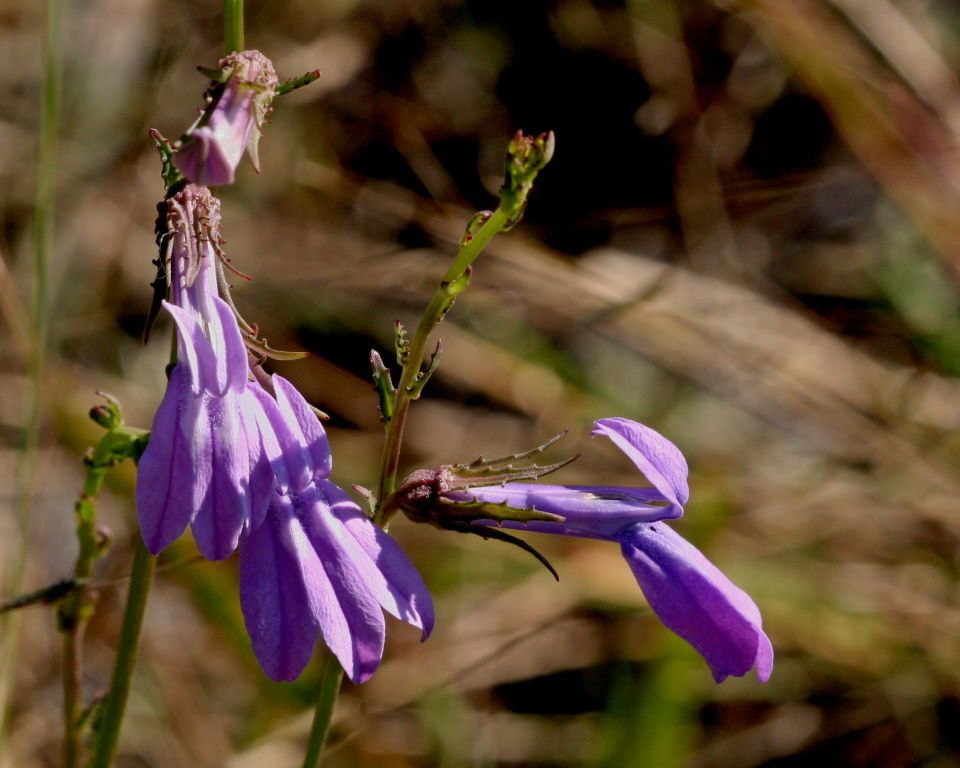
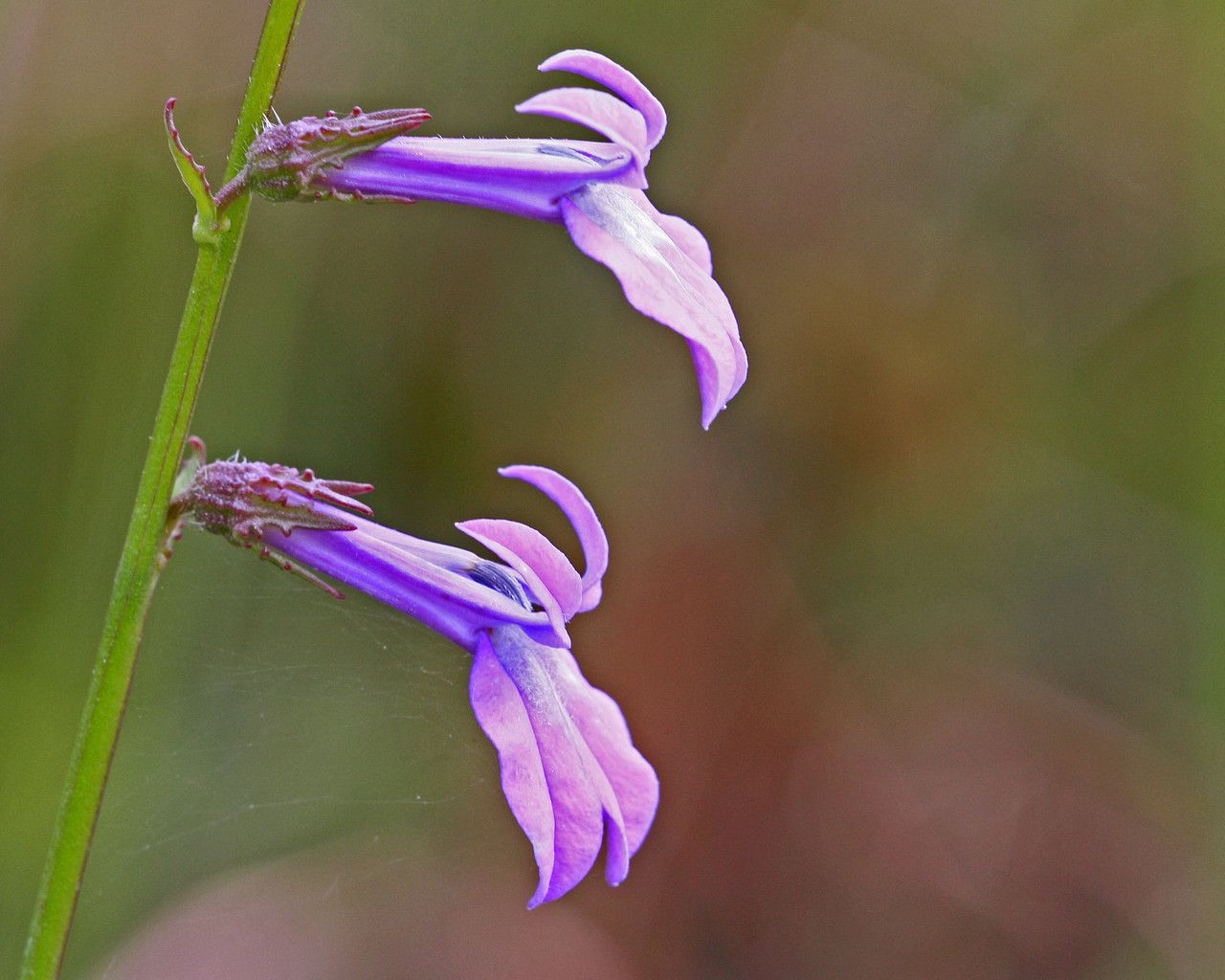
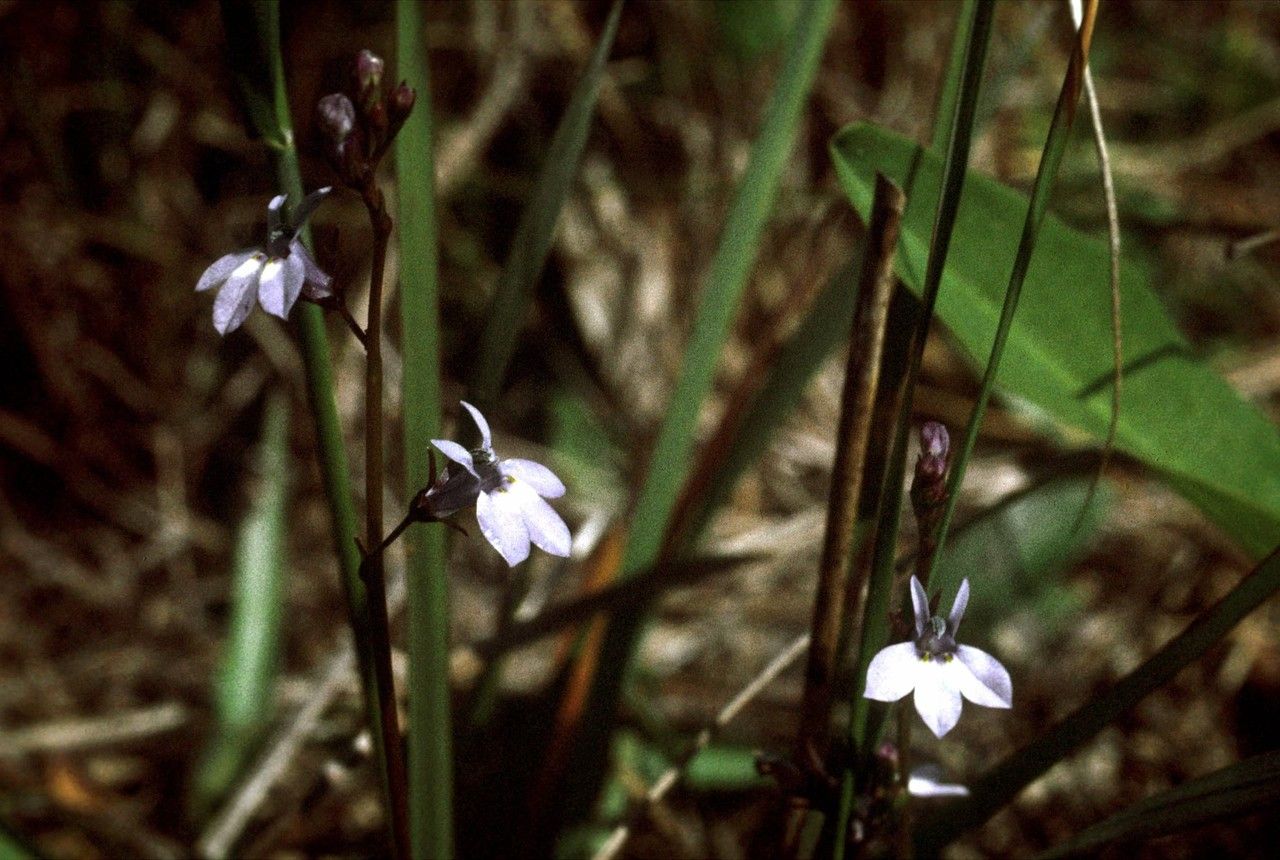
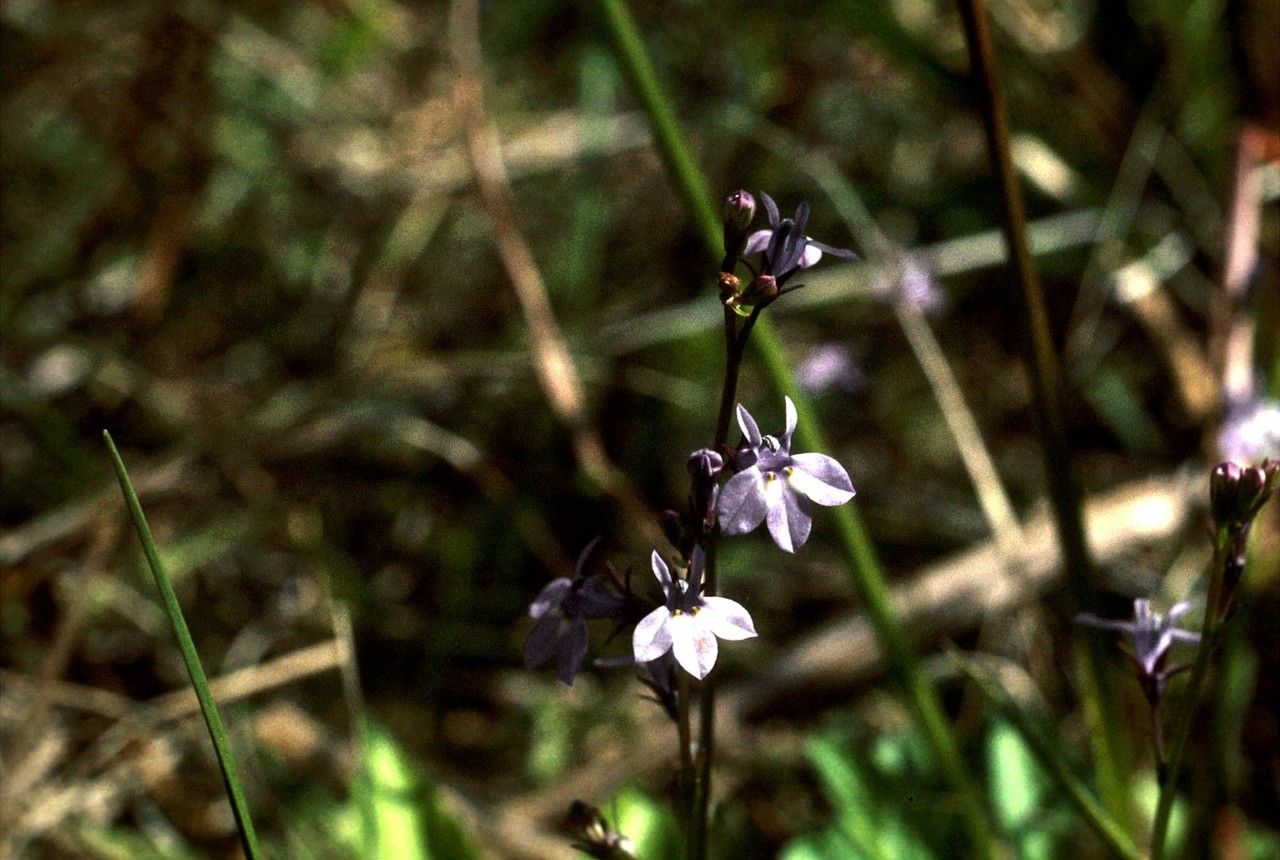
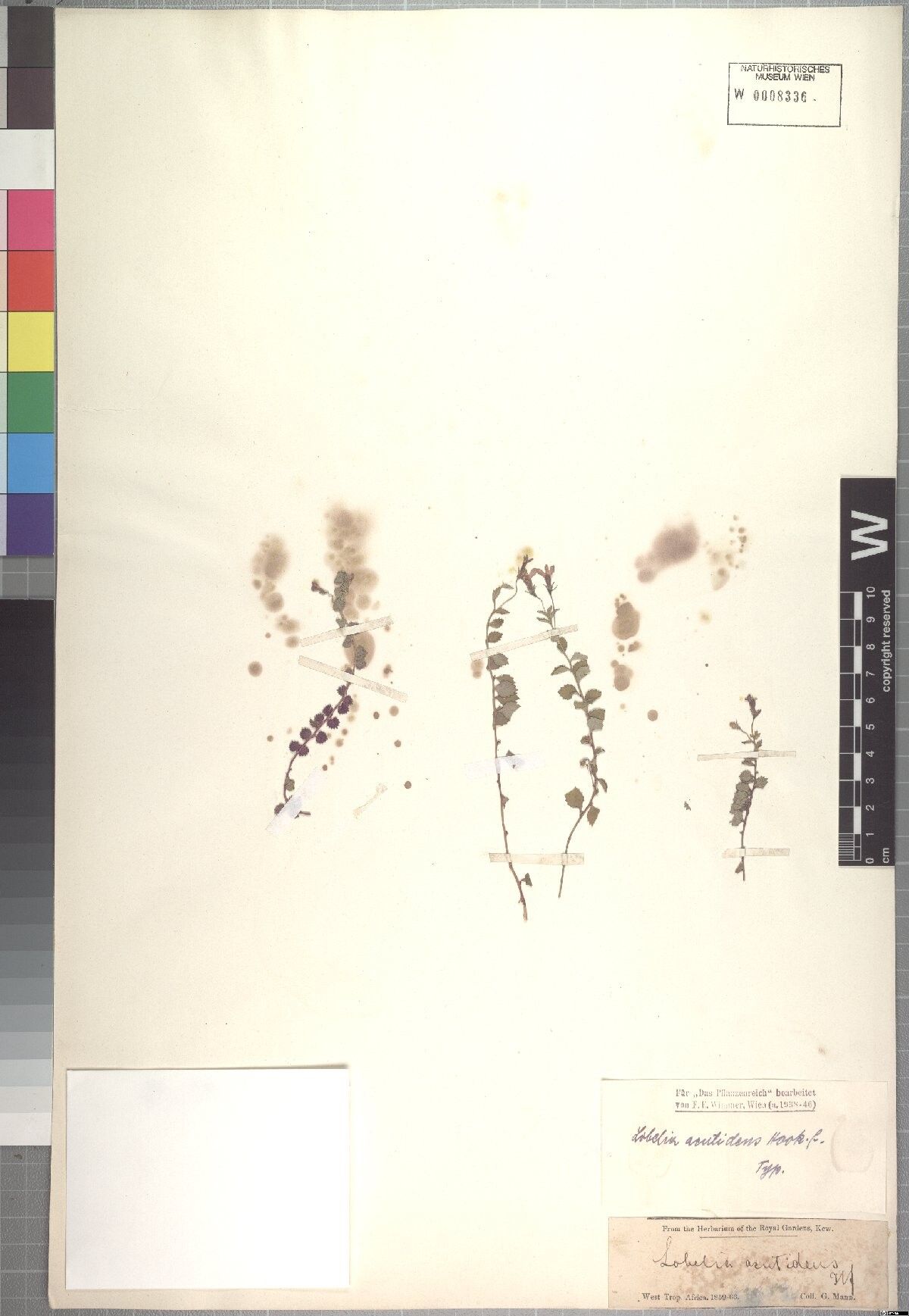
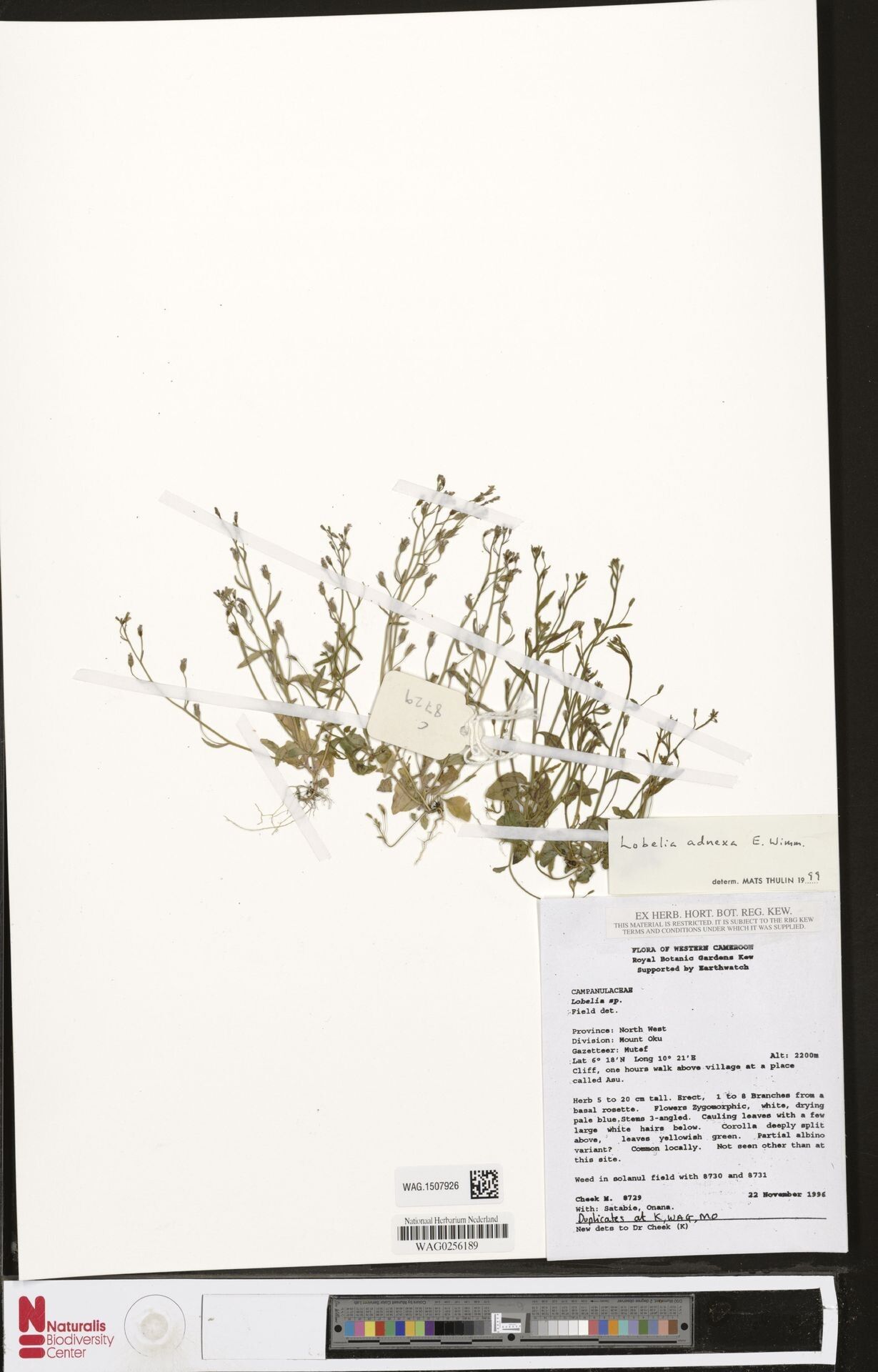
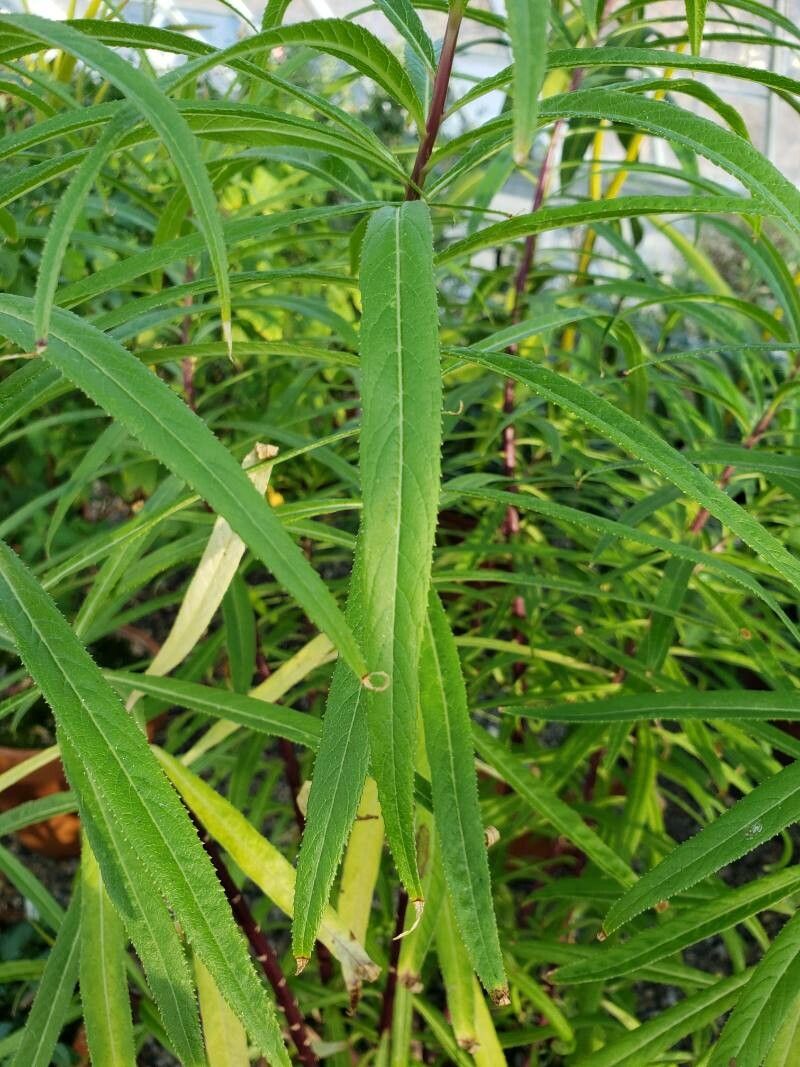
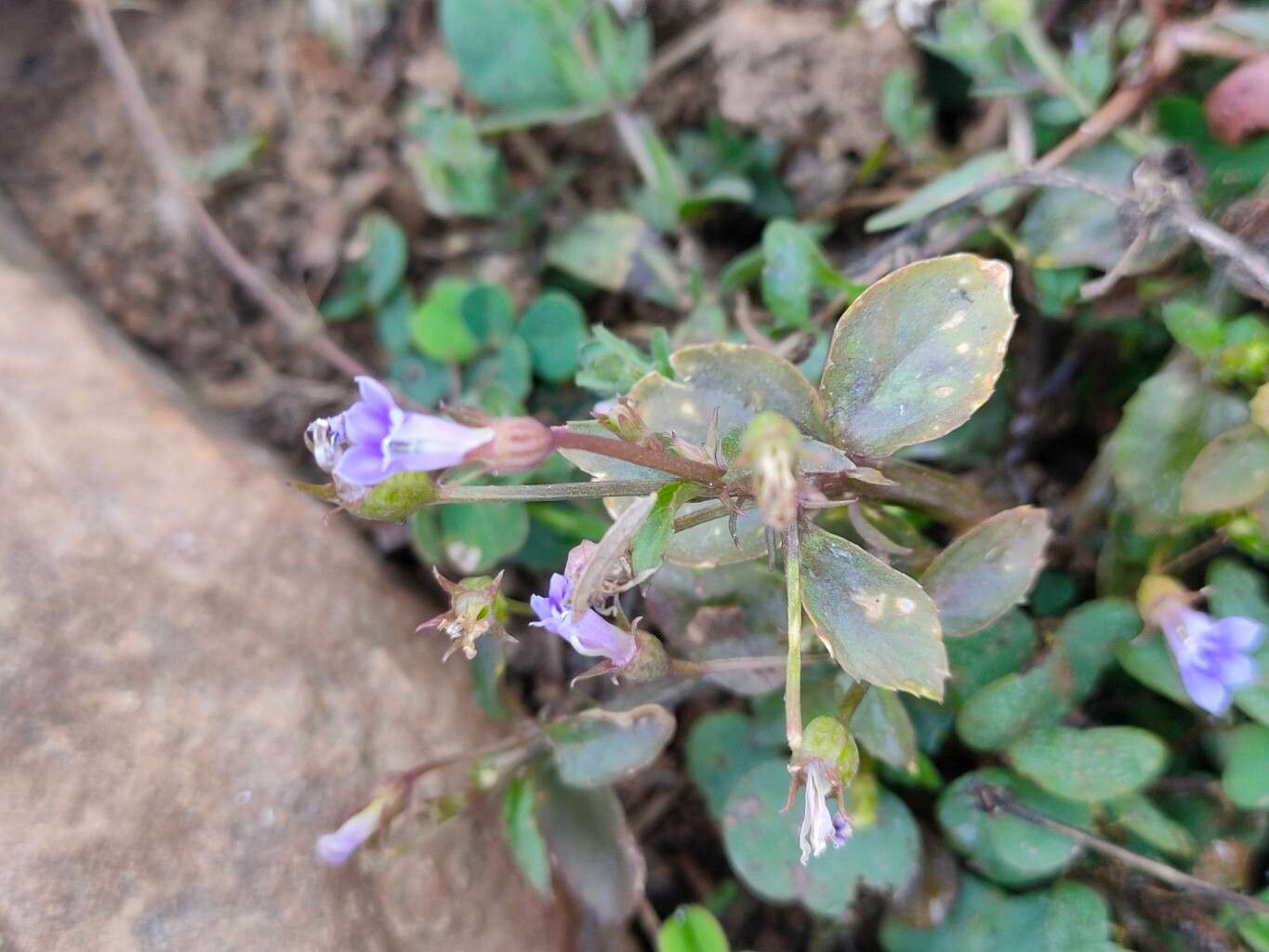
Lobelia glandulosa, known as the glade lobelia, is a perennial flowering plant. It is in the bellflower family Campanulaceae. Its range encompasses North Carolina to southern Florida, and extends westward to southern Alabama. It is slender-stemmed with linear to narrow lance-shaped leaves.
How to keep Lobelia Glandulosa.
Water
To care for your glade lobelia, water it generously while ensuring that the soil drains well. Let the water reach a depth of 6 to 8 inches, and allow the soil to dry out slightly between watering sessions. If the top 1 to 2 inches of the soil feels dry, it's time to water the plants, especially if there has been less than one inch of rainfall in the past week.
Pruning
Glade lobelia is known for its tall spikes of blue flowers. To promote growth and abundant flowering, it benefits from pruning in early spring. Start by removing any dead stems and thinning out crowded areas to improve air circulation. Be sure to use clean, sharp tools for precise cuts, which will help create a healthier and bushier plant.
Botanical profile.
- Life Cycle
- Perennial
- Genus
- Lobelia
- Family
- Campanulaceae
- Mature Height
- 30 cm to 91 cm
Other names.
Reader questions.
What are the sun requirements for Glade Lobelia?
Glade Lobelia (Lobelia glandulosa) thrives in full sun, requiring above 6 hours of sunlight daily, but can also adapt to partial sun situations, which involves about 3-6 hours of sunlight. It is important to observe the movement of sunlight through your garden to identify areas that offer an ideal balance of light and shade, ensuring the best growth conditions for these plants.
What is the botanical name of Glade Lobelia?
The botanical name of Glade Lobelia is Lobelia glandulosa. This plant, known for its unique characteristics and appearance, is referred to by its botanical name to ensure clarity and avoid confusion with other species.
What should be considered when choosing a planting spot for Glade Lobelia in terms of sunlight?
When choosing a planting spot for Glade Lobelia, it's crucial to consider the pattern of sunlight in your garden. Ensure the selected location can provide the necessary full or partial sun requirements. Above 6 hours of sunlight is ideal for full sun, while about 3-6 hours are satisfactory for partial sun. Monitoring how sunlight shifts through your garden will help you find the perfect spot that strikes a harmonious balance of light and shade, optimizing the health and happiness of your plants.