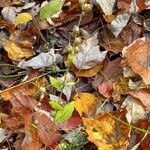
Lobelia inflata
Indian-tobacco · Inflated Tobacco · Wild Tobacco · Mexican cardinal flower · Mexican lobelia
Description
Source: leafsnapLobelia inflata, also known as Indian tobacco or puke weed, is a species of Lobelia native to eastern North America, from southeastern Canada (Nova Scotia to southeast Ontario) south through the eastern United States to Alabama and west to Kansas.
🌳 Indian tobacco is noted for its striking flowers and seed pods, which point to its potential as an ornamental plant in horticulture, although this role is less well-known than its medicinal uses.
🎭 Restoration, Cleansing
Care Guide
💧 Water
Originating from moderately moist environments, Indian tobacco needs a steady supply of water without becoming waterlogged. It thrives in soil that is kept evenly moist and benefits from weekly watering. During its active growing season, you should adjust the watering schedule to accommodate its increased metabolic activity and transpiration rates.
How do I need to water my Indian tobacco plant during different seasons?
As the season progresses, the water requirements for your Indian tobacco plants will increase. In spring, watering once a week should be sufficient. However, as the summer heat arrives, you will need to increase the frequency of watering to about three times per week for your Indian tobacco plants, especially if they are growing in containers. Container soil tends to dry out faster in warm weather compared to ground soil. In autumn, when your Indian tobacco plants are still in bloom, they may need slightly less water since the temperature has likely dropped and the sun is not as intense as it was during summer.
How should I water my Indian tobacco plant?
Indian tobacco can be watered using a garden hose with a spray nozzle, a watering can, or any common watering tool. It is not too particular about the water source, and can survive with rainwater, tap water, or filtered water. Avoid watering from above as it can harm the leaves, flowers, and cause disease. Drip irrigation systems are effective for watering Indian tobacco as they provide even, direct water to the soil. For Indian tobacco in containers, use a cup, watering can, or tap water to water directly into the soil.
What if I give my Indian tobacco plant too much or too little water?
Underwatering Indian tobacco can be fixed by watering it regularly when you notice it lacks moisture. Overwatering is a more serious issue as it can lead to diseases and the death of the plant. To prevent overwatering, choose a sunny location with good drainage. If your potted Indian tobacco is overwatered, consider changing it to a new pot with better drainage and loose soil.
How often should I give water to my Indian tobacco plant?
Indian tobacco requires regular watering during the growing season. In the spring, water the plant about once a week. As the weather gets warmer, increase watering to two or three times a week, but avoid excessive watering, as this can harm the plant. It is important to keep the soil moist, but not overly wet, regardless of the watering frequency. When growing Indian tobacco in a pot, the soil tends to dry out faster. Therefore, you may need to water container-grown Indian tobacco a few times a week, compared to just once a week for plants in the ground.
How much water does my Indian tobacco plant need?
There are a few ways to determine how much water to give your Indian tobacco plant. Some gardeners feel the soil to determine if it's moist. They suggest watering until the top six inches of soil are moist. Alternatively, you can use a set measurement. Usually, about two gallons per week is recommended, depending on the temperature and how quickly the soil dries. However, be cautious not to overwater if your plant needs less. If you're growing Indian tobacco in a container, the method is different. Water enough to moisten all dry soil layers. Test by sticking your finger in the soil to feel moisture or water until you see a slight trickle of water coming out the pot's drainage holes.
☀️ Light Full sun
Indian tobacco requires large amounts of light, though it can tolerate sunny spots that receive some shade. Native to places with abundant sunlight, it does best under such conditions. Ample light boosts growth, while insufficient light can slow it. Conversely, overly intense light can damage the plant.
What are the sunlight requirements for Indian tobacco?
Indian tobacco requires copious amounts of light and can endure sunlit situations with some shade. Originating from habitats abundant in daylight, it thrives in full sun, defined as over 6 hours of sunlight, but can also manage in partial sun, which is about 3-6 hours of sunlight. It's crucial to observe how sunlight moves through your garden to choose spots with the perfect balance of light and shade, ensuring the plant's happiness.
How does artificial lighting affect Indoors Indian tobacco plants?
Indoor Indian tobacco plants require adequate lighting for optimal growth, especially when natural sunlight is insufficient, like in winter or less sunny spaces. Artificial lights, particularly LED lights, provide the specific wavelengths needed for healthy growth. For full sun plants, 30-50W/sq ft is recommended, for partial sun plants, 20-30W/sq ft, and for full shade plants, 10-20W/sq ft. Position the light source 12-36 inches above the plant to mimic natural sunlight, ensuring the plant receives 8-12 hours of light per day.
What are the symptoms of inadequate light exposure in Indian tobacco?
Indian tobacco shows several symptoms when exposed to inadequate light, including small new leaves, leggy or sparse growth, faster leaf drop, slower or halted growth, lighter-colored new leaves, chlorosis, sunscald, leaf curling, wilting, and leaf scorching. These symptoms indicate light deficiency, excessive sunlight exposure, or a need for better care to ensure optimal growth conditions.
What are the solutions for Indian tobacco suffering from light-related issues?
To address light-related issues in Indian tobacco: For indoor plants, gradually move them to a sunnier location or use artificial light for at least 8 hours daily. For outdoor plants, gradually acclimate them to brighter conditions to avoid sunburn. Reduce obstructions like overhanging trees and consider transplanting smaller plants to more sunlight-favored spots during their dormant period for better exposure and growth. Note that parts of the plant affected by insufficient sunlight may not recover, but new growth will be healthy with improved light exposure.
🌡️ Temperature 5–32.2°C
Indian tobacco is native to areas with moderate temperatures and does particularly well in a range of 68 to 95 °F (20 to 35 ℃). Transplanting into cooler conditions supports its growth, and adjusting temperatures is recommended to maintain optimal development during seasonal changes.
What are the optimal growth temperatures for Indian tobacco?
Indian tobacco thrives in moderate temperatures, flourishing in conditions ranging from 68 to 95 °F (20 to 35 °C). To optimize growth, transplanting it in cooler conditions is recommended, adjusting temperatures with seasonal changes. Indian tobacco exhibits strong resistance to cold; hence, elaborate frost protection measures aren't typically necessary. However, during winters with temperatures expected to drop below the survival threshold, it's crucial to offer cold protection by covering the plant with soil or straw and ensuring the soil is moist before the first freeze.
How does low temperature affect Indian tobacco and what are the solutions?
Indian tobacco is quite resilient to cold temperatures, performing best when conditions are above its minimum suitable growth temperature. Throughout winter, it's critical to keep the temperature above its lowest tolerable growth threshold. If temperatures dip below its critical growth limit, the plant might not show immediate distress during winter but could experience reduced sprouting or fail to sprout in spring. The solution for affected plants in spring includes removing any parts that have failed to sprout to foster new growth and vitality.
How does high temperature affect Indian tobacco and what are the solutions?
Indian tobacco requires management during high temperatures, particularly in summer, to ensure it remains below its maximum suitable growth temperature. Exceeding its highest tolerable growth temperature can cause the leaves to lighten in color, becoming prone to curling, sunburn, and in severe cases, causing the plant to wilt and dry out. To mitigate these effects, trim away sunburned and dried-up parts, relocate the plant to a shaded area or use a shade cloth to protect it from strong sunlight, especially during midday and afternoon. Additionally, it's important to water the plant in the morning and evening to maintain soil moisture and support the plant's health.
💨 Humidity
🪴 Soil 6-7
🌱 Fertilizer
Indian tobacco responds well to regular, dilute fertilizer applications to encourage healthy leaf development. Fertilize it about once a month during the summer. Nitrogen is important for the foliage, and adding nitrogen-rich inputs helps Indian tobacco thrive.
🪴 Pot & Repot
✂️ Pruning
Indian tobacco features distinctive inflated seed capsules and serrated leaves. To encourage new growth and remove dead stems, prune the plant from early to late spring. Thinning the plant helps improve air circulation and reduces the risk of disease, leading to a bushier appearance. This makes Indian tobacco ideal for both ornamental and medicinal purposes. Always use clean tools to prevent infection.
🌿 Propagating
🐛 Diseases & pets
☠️ Toxicity
Characteristics
- Plant Type
- Herb
- Life Cycle
- Annual, Biennial
- Genus
- Lobelia
- Family
- Campanulaceae
- Hardiness Zone
- 4-8
- Mature Height
- 15 cm to 91 cm
- Mature Spread
- 30 cm
- Leaf Color
- Green, Blue
- Leaf Type
- Deciduous
- Flower Color
- White
- Flower Size
- 2.54 cm
- Bloom Time
- Early summer, Mid summer
- Planting Time
- Spring, Autumn
- Harvest Time
- Mid summer
- Native Area
- Eastern North America