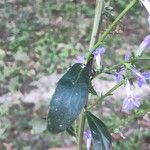
Lobelia puberula
Purple dewdrop · Downy lobelia
Description
Source: leafsnapLobelia puberula, or downy lobelia, is a perennial herbaceous wildflower in the Bellflower family (Campanulaceae) native to eastern and south central United States. It is the most common blue-flowered Lobelia in the Southeast. It grows in mesic (moderate moisture) to hydric (moist) habitats in sun or partial shade.
🎭 Malice
Care Guide
💧 Water
Downy lobelia thrives in humid environments and prefers consistent moisture. For optimal hydration, it should be watered weekly. While it is moderately drought-tolerant, it grows best during the rainy season when water is plentiful. Typically, it is cultivated outdoors to take advantage of natural humidity levels.
How should I water my Downy lobelia plant?
To properly water the Downy lobelia, it's best to use filtered water at room temperature. Tap water may have harmful particles, so filtering is preferred. It's important to use room temperature or slightly warm water because this plant is native to warm environments and cold water can be a shock. Avoid overhead watering as it can lead to problems with the foliage. Instead, gently water the soil until it is completely soaked. This helps the roots stay moist and spread through the soil to gather nutrients.
How much water should I give my Downy lobelia plant?
When watering your Downy lobelia, don't be afraid to give it plenty of water. Make sure the top few inches of soil are dry before watering thoroughly. You want to water enough so that the soil is completely soaked, and any excess water should drain out of the pot's holes. If you don't see excess water draining, you may not have watered enough. However, be careful not to let water accumulate in the soil, as this can harm the plant. Poorly draining soils should also be avoided, as they can negatively impact the plant's health. If the plant is outside, 1 inch of rain per week should be enough.
What do I do if I give my Downy lobelia either too much or too little water?
Overwatering is a common issue that can harm your Downy lobelia. It causes the stems and leaves to wilt and turn yellow. Extended overwatering can lead to diseases like root rot, mold, and mildew, which can kill the plant. Underwatering is less common but can still happen. In this case, the leaves become brittle and brown. It's important to notice the signs of overwatering early on. Some diseases caused by overwatering cannot be reversed if not addressed promptly. Reduce your watering schedule if you see early signs of overwatering, and check the soil quality. If the soil does not drain well, replace it with a loose, well-draining potting mix. On the other hand, if your Downy lobelia lacks water, increase your watering frequency until the signs of underwatering disappear.
How frequently should I water my Downy lobelia?
If your Downy lobelia plant is in a pot, the most precise way to determine if it needs water is by checking the soil with your finger. If the top two to three inches of soil feel dry, it's time to water it. For those growing the Downy lobelia outdoors in the ground, you can use a similar method to test the soil. When the top few inches of soil have dried out, it's time to water. Usually, during the spring and early fall, this method indicates a need to water once a week. However, during extremely hot weather, you may need to water twice or more per week. Nonetheless, mature and well-established Downy lobelia plants can withstand drought very well.
How should I water my Downy lobelia when it is at different stages of growth?
The water needs of the Downy lobelia can vary depending on its growth stages. In the first few years of its life or after being transplanted, it requires more water. During these stages, the plant focuses on developing new roots to support future growth, and these roots need extra moisture. As the Downy lobelia matures, it requires less water. Additionally, during the bloom period, when the flowers are developing, the plant may need more water to support the blooming process.
☀️ Light Full sun
Downy lobelia thrives with prolonged, direct sunlight for healthy growth, though it can somewhat tolerate partly shaded locations. Native to open habitats, downy lobelia may become stunted or wilt if exposed to either too much or too little sun.
What are the sunlight requirements for Downy lobelia?
Downy lobelia requires full sun, which means it needs above 6 hours of sunlight daily, but it can also adapt to partial sun, approximately 3-6 hours of sunlight. Observing the movement of sunlight through your garden helps in choosing optimal spots that ensure the right balance of light and shade for your plants, crucial for their growth and health. Downy lobelia originates from open habitats and hence, excessive or insufficient sunlight can hinder its growth, causing it to either stunt or wilt.
How does artificial lighting affect the growth of Downy lobelia?
Indoor plants like Downy lobelia require adequate lighting for optimal growth, especially when natural sunlight is insufficient, such as in winter or in less sunny spaces. Artificial lights, particularly LED lights, can be tailored to provide specific wavelengths necessary for plant growth, acting as an essential solution. The required intensity of artificial light varies depending on the type of plant: full sun plants need 30-50W/sq ft, partial sun plants need 20-30W/sq ft, and full shade plants require 10-20W/sq ft. The light source should be placed 12-36 inches above the plant to mimic natural sunlight and should be kept on for 8-12 hours per day, depending on the plant species' needs.
What are the symptoms of inadequate lighting in Downy lobelia?
Symptoms of light deficiency in Downy lobelia are not immediately obvious but can include small leaves, leggy or sparse growth, faster leaf drop, slower or no new growth, and lighter-colored new leaves. Other adverse effects are chlorosis (leaves turning yellow due to chlorophyll breakdown), sunscald (damage from intense sunlight), leaf curling (as a defense mechanism to reduce surface area exposed to sunlight), wilting (from loss of turgor pressure), and leaf scorching (brown, dry, and crispy edges on leaves). These symptoms indicate the plant's struggle with inappropriate light conditions.
What solutions can be applied to address inadequate light exposure for Downy lobelia?
To combat inadequate light exposure, gradually acclimate Downy lobelia to receive at least 6 hours of direct sunlight daily by moving it closer to a sunnier spot each week. For indoor plants, using a south-facing window or artificial light—like keeping a desk or ceiling lamp on for at least 8 hours daily or investing in professional grow lights—can provide sufficient light. Outdoors, ensure gradual acclimation to sunnier spots to prevent sunburn. Minimize obstructions like trees by pruning. For small plants, consider transplanting during their dormant period to a location with ample sunlight and good drainage. Note that parts of the plant affected by insufficient light may not recover, but new growth will be healthy after improving light exposure.
🌡️ Temperature 5–35°C
Downy lobelia is a plant native to temperate areas, flourishing in temperatures from 41 to 95°F (5 to 35°C). It prefers summer warmth and can tolerate cooler periods, but should be sheltered if the temperature falls below 41°F (5°C).
What is Downy lobelia and where is it native to?
Downy lobelia, botanically known as Lobelia puberula, is a plant that is native to temperate regions. It thrives in temperatures ranging from 41 to 95°F (5 to 35°C), enjoying the warmth of summer while also being capable of tolerating cooler seasons. Despite its strong cold resistance, it requires protection when temperatures drop below 41°F (5°C).
How should Downy lobelia be cared for in winter?
In winter, Downy lobelia usually doesn't need special frost protection, thanks to its strong cold resistance. However, if temperatures are expected to plummet below -30°C, it is important to provide some form of cold protection, such as covering the plant with soil or straw. Prior to the first freeze of autumn, it's advisable to water the plant abundantly to ensure the soil is moist and enters a frozen state. This helps prevent drought and water scarcity during the colder months and into early spring.
What happens to Downy lobelia at low temperatures and how can it be managed?
Downy lobelia is cold-tolerant, preferring temperatures above 5°C. In winter, temperatures should be kept above -25°C to avoid damage. When the temperature falls below -30°C, the plant may not show immediate damage, but there can be a decrease in or even absence of sprouting in the spring. To manage this, any parts of the plant that have failed to sprout by spring should be removed.
How does high temperature affect Downy lobelia and what are the solutions?
During summer, it's essential to ensure the temperature around Downy lobelia doesn't exceed 35°C, as exceeding 38°C can cause the plant's leaves to lighten in color, curl, become susceptible to sunburn, and in severe cases, cause the plant to wilt and dry out. To alleviate these issues, sunburned and dried parts of the plant should be trimmed away. Moving the plant to a shadier location or using a shade cloth to protect it from the midday and afternoon sun can help, as well as watering the plant in the morning and evening to keep the soil moist.
💨 Humidity
🪴 Soil 5-7
🌱 Fertilizer
The best time to fertilize a Downy lobelia is in early spring, as it comes out of dormancy and starts active growth. Fertilization supplies essential nutrients needed for healthy growth. Although Downy lobelia has relatively low fertilizer requirements, applying fertilizer once a year can improve its survival and encourage better, longer-lasting flowers.
🪴 Pot & Repot
✂️ Pruning
Downy lobelia showcases vibrant blue or purple flowers with soft, fuzzy leaves. To promote healthy growth and abundant blooms, prune in early spring. Deadhead spent flowers regularly to prolong the blooming period. In the fall, cut back the stems to prepare the plant for winter. Consistent pruning helps maintain the plant's size and health, ensuring your garden looks neat and well-kept.
🌿 Propagating
🐛 Diseases & pets
☠️ Toxicity
Characteristics
- Plant Type
- Herb
- Life Cycle
- Perennial
- Genus
- Lobelia
- Family
- Campanulaceae
- Hardiness Zone
- 4-9
- Mature Height
- 91 cm
- Mature Spread
- 30 cm
- Leaf Color
- Green
- Leaf Type
- Deciduous
- Flower Color
- Lavender
- Flower Size
- 2.54 cm
- Bloom Time
- Mid summer, Late summer, Early fall
- Planting Time
- Spring
- Harvest Time
- Early fall, Mid fall