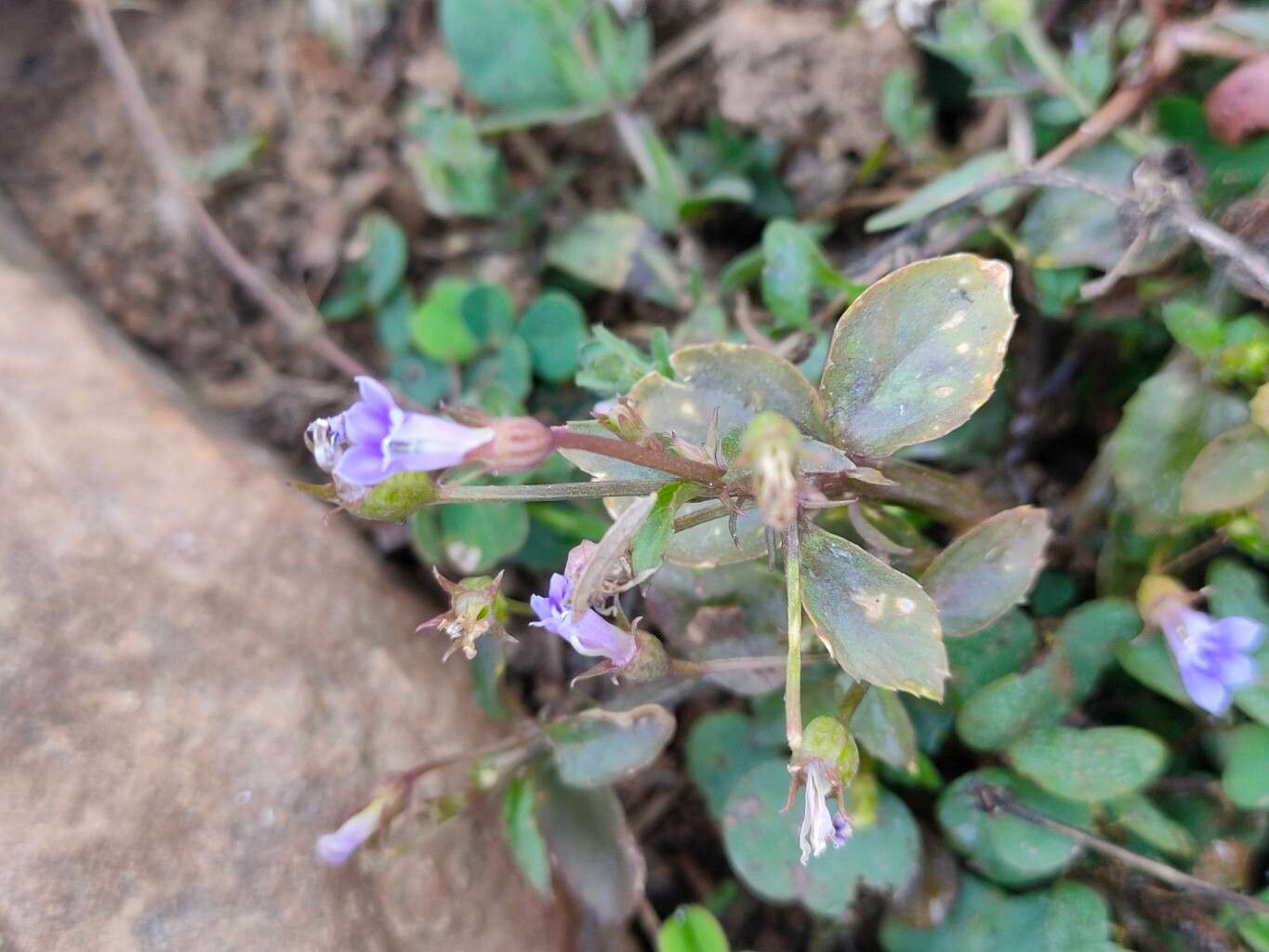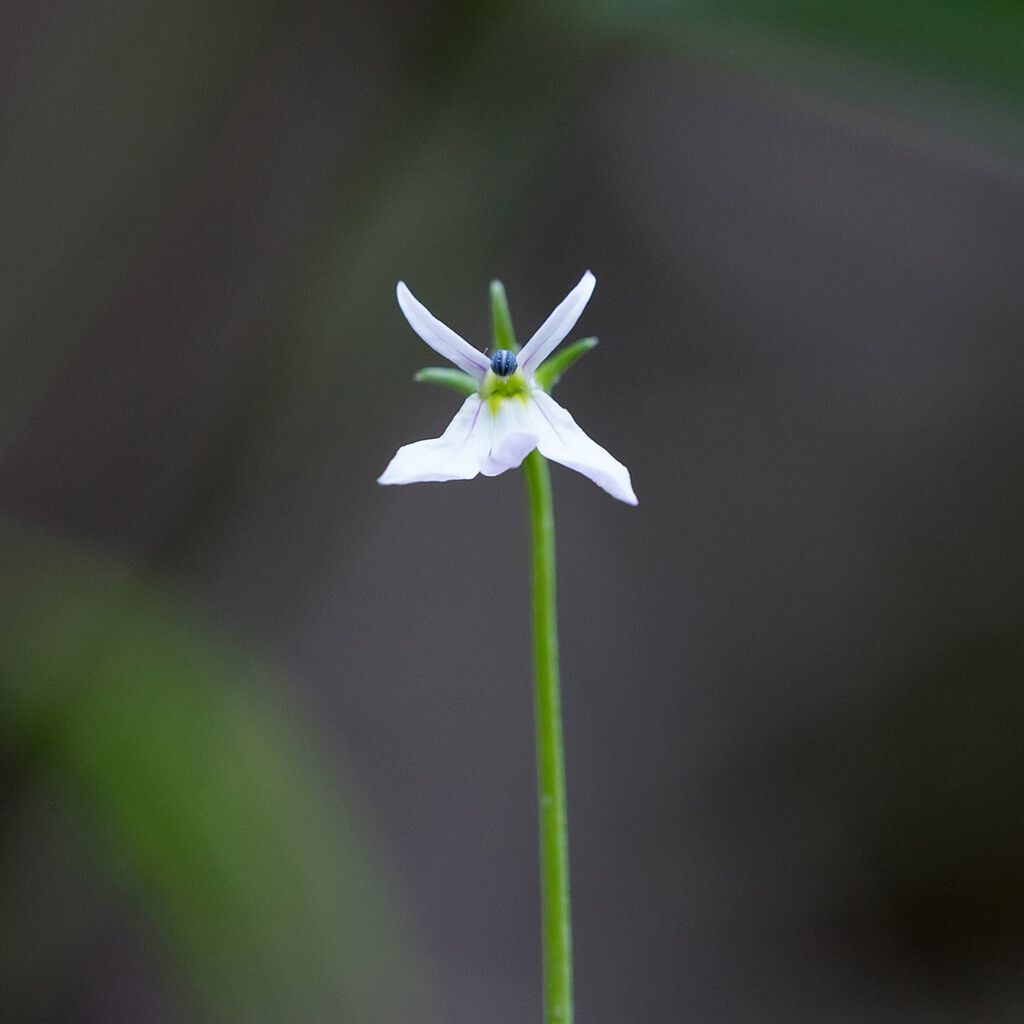
Lobelia purpurascens, commonly known as white root or purplish pratia, is a flowering plant in the family Campanulaceae of eastern Australia. It is a small herbaceous, scrambling plant with white to pale pink flowers.
White root has good resistance to disease and generally isn’t prone to illnesses. However, it can be vulnerable to pests and diseases present in its environment. These infections are usually mild. For care, this plant needs moderate maintenance. It should be pruned regularly to keep a good appearance and support healthy growth. Fertilizing can also help encourage flowering. White root is suitable for people with outdoor spaces, such as a garden or patio, and does not require extensive care experience. It may need more attention when grown indoors.
How to keep Lobelia Purpurascens.
Light
White root naturally grows in places like forest understories or rocky areas, where it is exposed to natural shade. It prefers partial sun but can tolerate full sun or full shade, showing its versatile and hardy nature.
Water
To properly care for white root plants, water them thoroughly while making sure there is good drainage. The water should penetrate 6-8 inches deep into the soil, and it's important to let the soil dry out between waterings. You can check for dryness by inspecting the top 1-2 inches of soil. Keep in mind that white root plants are not drought-tolerant and require consistent watering, particularly if there is less than 1 inch of rainfall in a week.
Temperature
White root can adjust to a broad range of temperatures, though its range may still be restricted by different combinations of water and heat. It does best in warm summer climates with sufficient rainfall or watering. Extended periods of cloudy, rainy weather or prolonged high temperatures can increase the chance of White root dying. In winter, shielding the plant from cold can improve its survival rate.
Fertilizer
The best time to fertilize a White root is in early spring, as it is coming out of dormancy and beginning active growth. Fertilization supplies essential nutrients for healthy development. Although White root requires relatively little fertilizer, applying it annually can improve its survival and encourage better, longer-lasting flowers.
Pruning
To encourage fuller growth and healthier blooms in white root plants, it's best to perform selective pruning in early spring. Focus on removing any dead or damaged stems, as well as leggy branches. Be sure to use clean tools to prevent the spread of disease. Proper pruning not only enhances the plant's vitality but is also recommended by reputable horticultural sources.
Botanical profile.
- Plant Type
- Herb
- Life Cycle
- Perennial
- Genus
- Lobelia
- Family
- Campanulaceae
- Hardiness Zone
- 8-11
- Mature Height
- 30 cm to 61 cm
- Mature Spread
- 20 cm to 40 cm
- Leaf Color
- Green, Dark Green
- Leaf Type
- Deciduous
- Flower Color
- Purple, Lavender
- Flower Size
- 1.02 cm to 1.52 cm
- Bloom Time
- Late winter, Spring
- Planting Time
- Spring, Summer
- Harvest Time
- Late spring, Summer