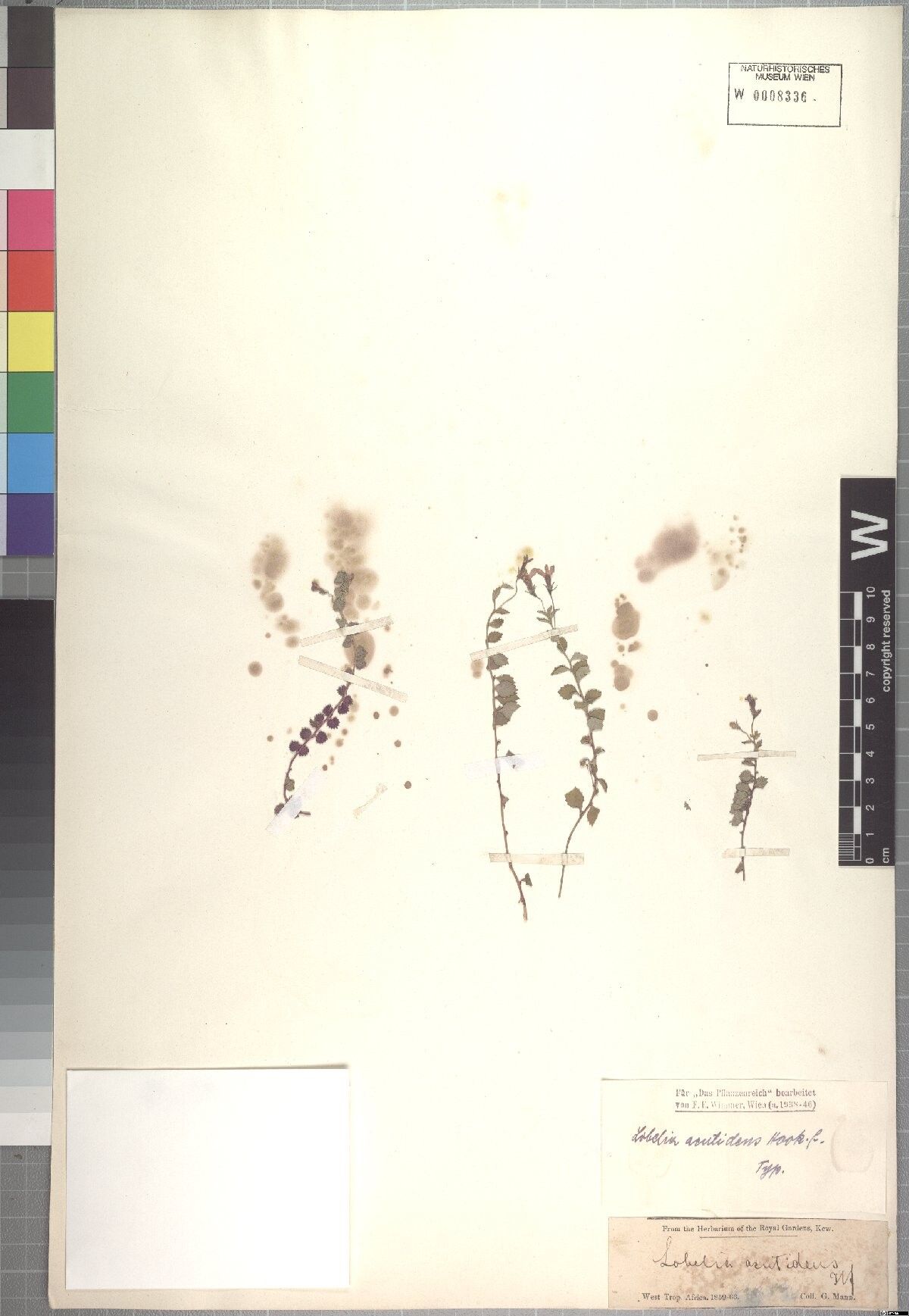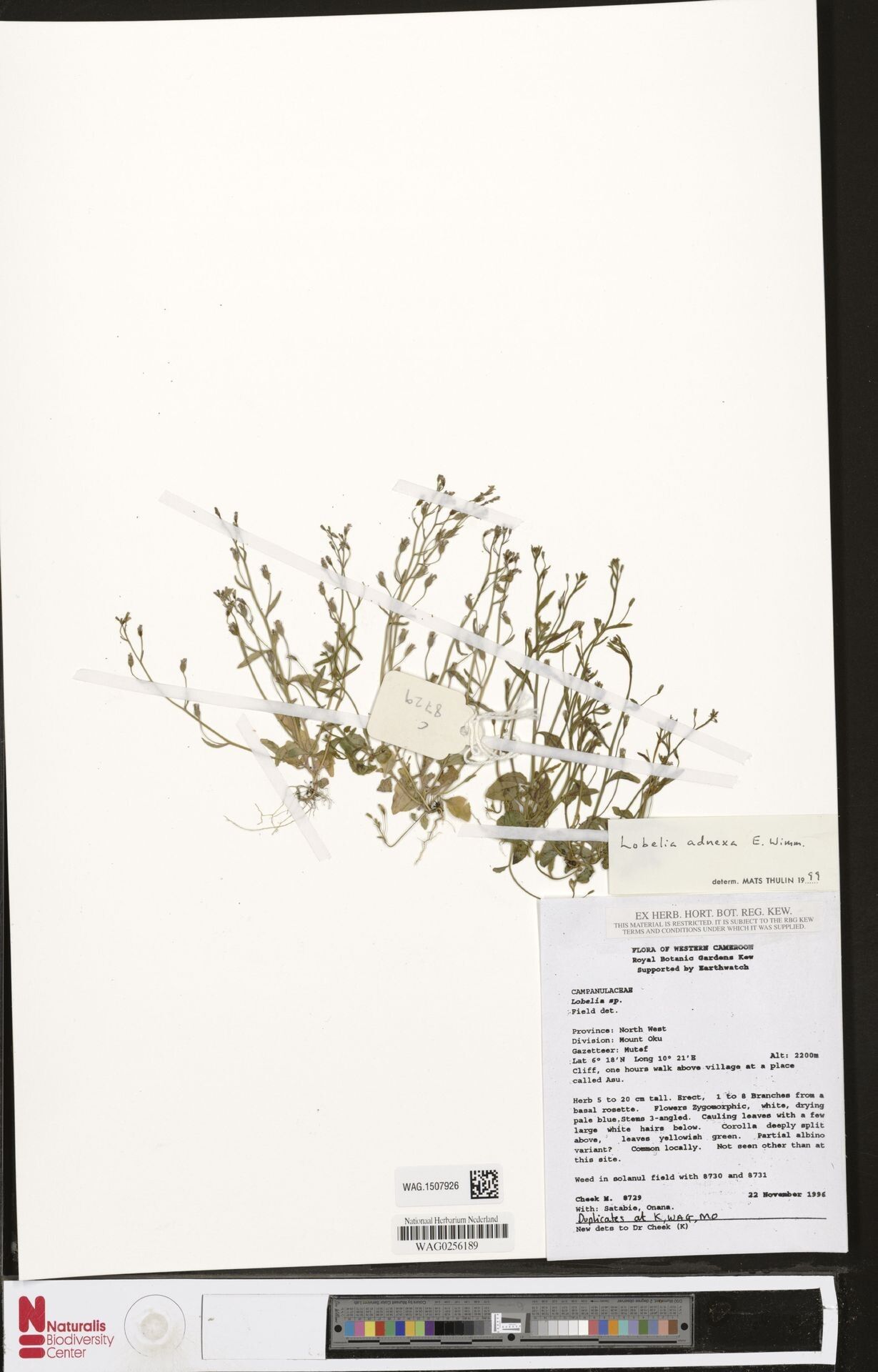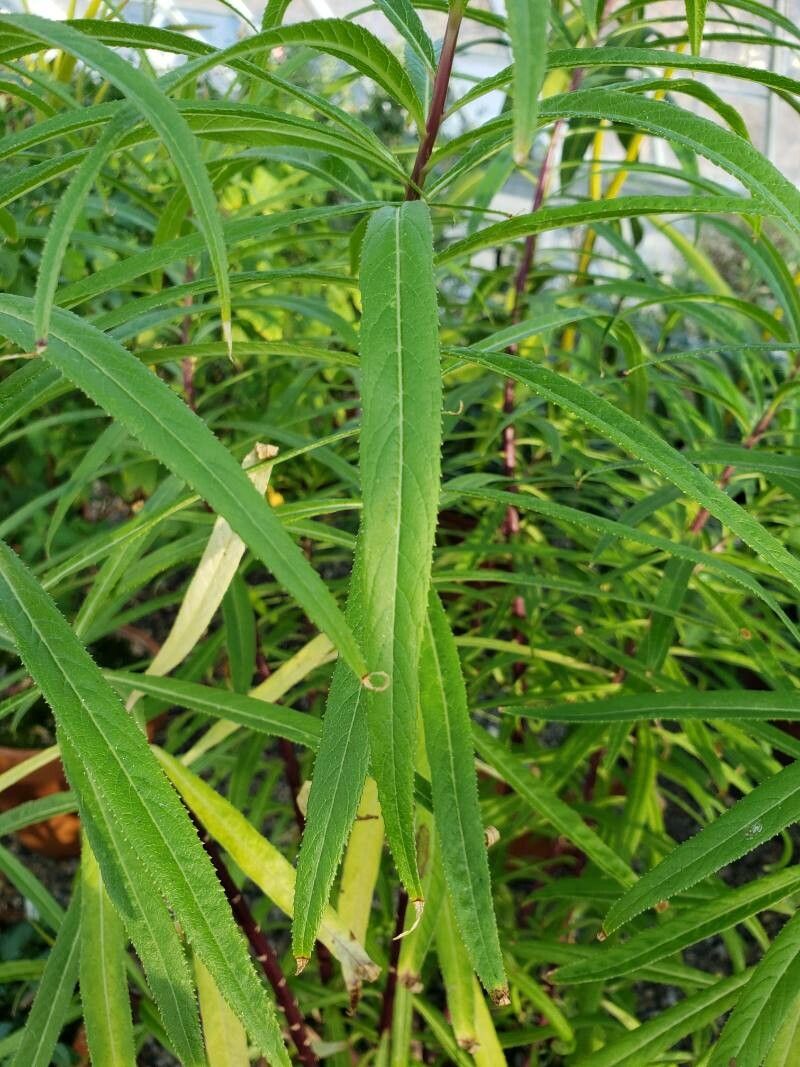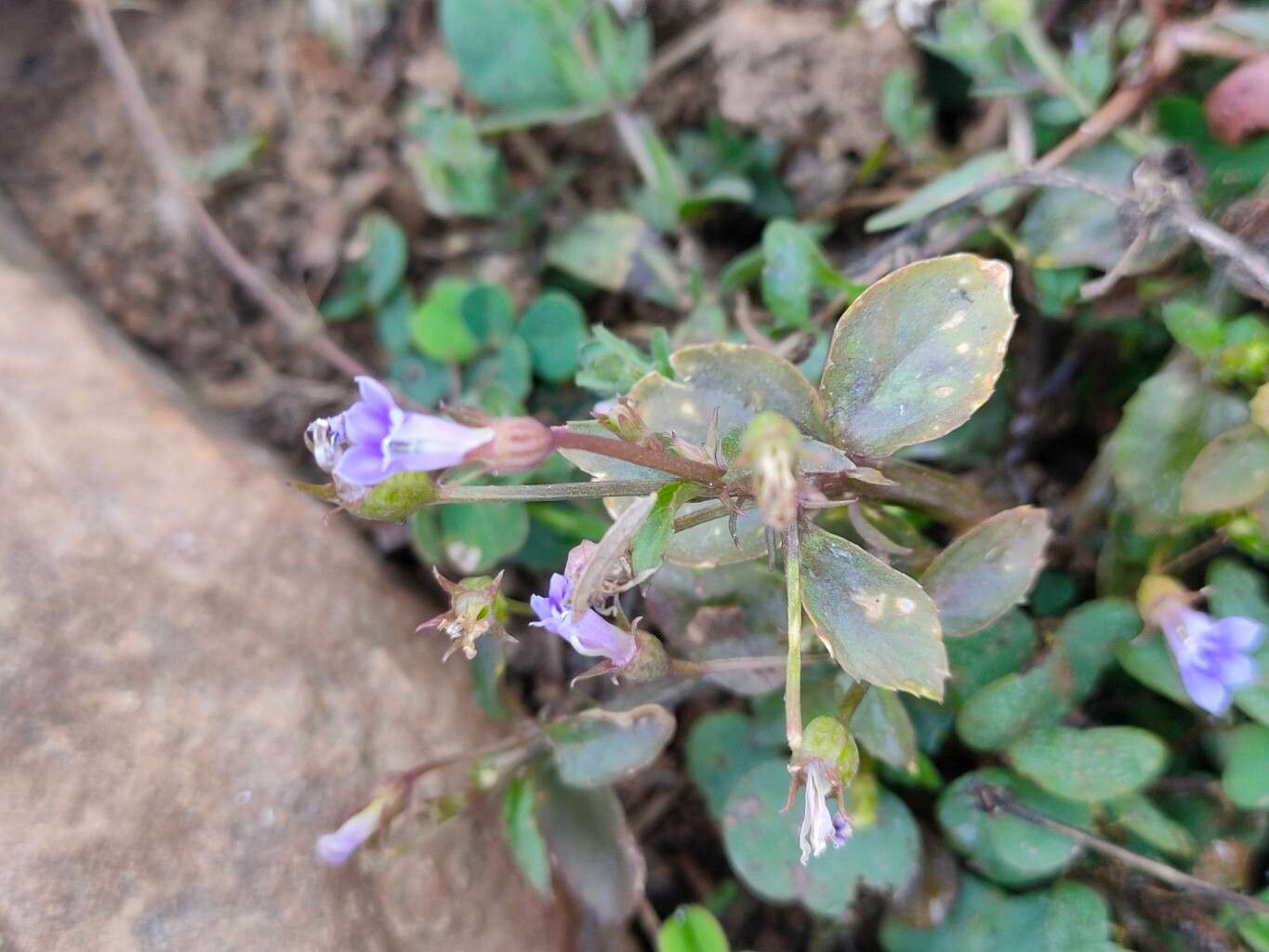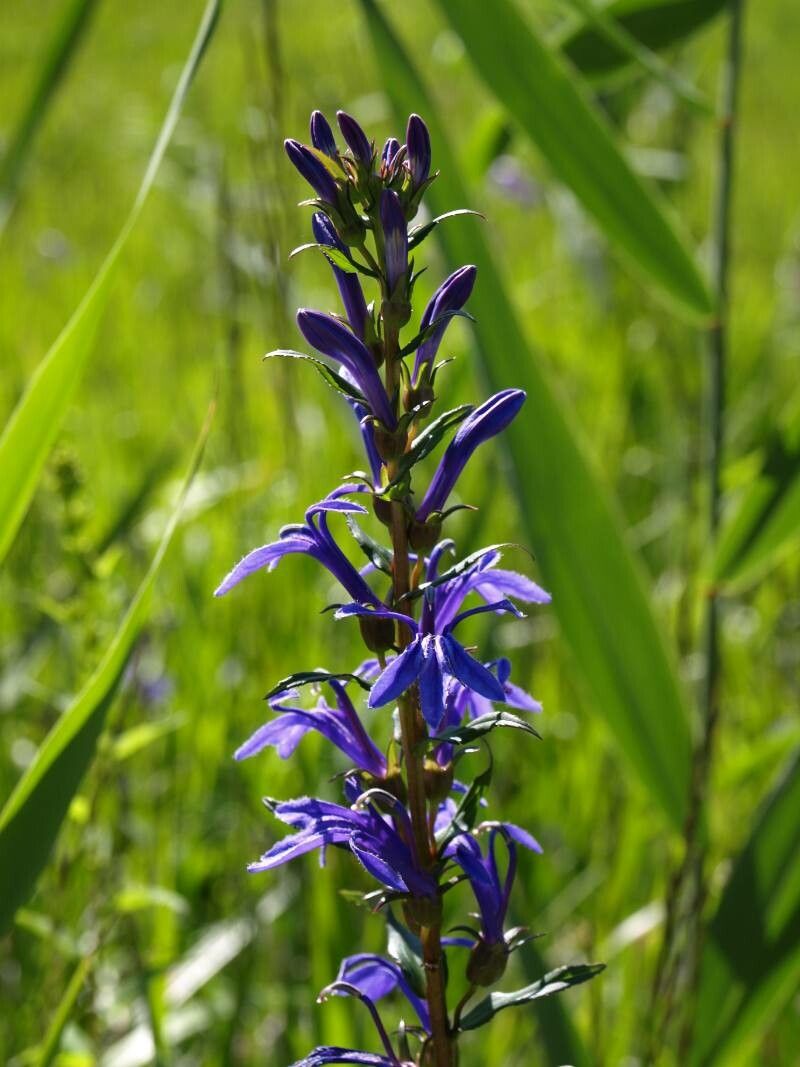
Sessile lobelia is fairly disease-resistant and is usually not prone to illnesses. Still, it can be affected by pests and diseases present in its environment. These infections tend to be mild. For care, the plant requires moderate maintenance. It should be pruned regularly to keep an attractive appearance and healthy growth. Fertilizing can also help encourage flowering. Sessile lobelia is suitable for anyone with outdoor space, such as a garden or patio, and does not require extensive care experience. It may need more attention when grown indoors.
How to keep Lobelia Sessilifolia.
Light
Sessile lobelia grows best in uninterrupted, full-spectrum sunlight, which greatly promotes its vigorous growth. Native to sun-rich areas, it performs optimally through all stages of development. However, both excessive and insufficient light can impede its growth and cause potentially harmful health problems.
Water
Sessile lobelia thrives with moderate watering and can tolerate periods of drought. To maintain its moisture needs, water the plant every one to two weeks. Using mulch can help retain soil moisture, mimicking the plant's naturally damp environment.
Temperature
Sessile lobelia is native to temperate climates and does well in temperatures between 41 and 90 °F (5 and 32 ℃). For optimal growth, change its placement or modify its environment during periods of extreme weather.
Fertilizer
The primary time to fertilize Sessile lobelia is in early spring when the flowers are starting to form. The appropriate fertilizer promotes better blooms and helps Sessile lobelia produce attractive flowers. Fertilizing in early spring supports excellent flowering during the season and supplies energy for dormant growth phases.
Pruning
Sessile lobelia benefits greatly from pruning between early and late spring to encourage growth and flowering. To improve air circulation and aesthetics while reducing the risk of disease, remove any damaged stems and thin out crowded areas. Make sure to use clean, sharp tools, and make your cuts just above the nodes for the best recovery.
Botanical profile.
- Plant Type
- Herb
- Life Cycle
- Perennial
- Genus
- Lobelia
- Family
- Campanulaceae
- Hardiness Zone
- 4-8
- Mature Height
- 0.61 m to 1.22 m
- Mature Spread
- 30 cm
- Leaf Color
- Green, Dark Green
- Leaf Type
- Deciduous
- Flower Color
- Lavender
- Flower Size
- 7.62 cm to 33.53 cm
- Bloom Time
- Summer
- Planting Time
- Spring, Autumn
- Harvest Time
- Early fall, Mid fall
- Native Area
- Russia, Japan, Koppen, South Korea, China
Other names.
Reader questions.
When should I put fertilizer on my Sessile lobelia?
The best time to fertilize a Sessile lobelia is late winter to early spring when it is coming out of dormancy and starting to grow. This will help the plant grow healthily during the season. Fertilizing in the fall is also okay, but it is not recommended to fertilize in summer or winter.
What are the sun requirements for Sessile lobelia?
Sessile lobelia requires full sun exposure to thrive, meaning it should receive above 6 hours of sunlight daily. However, it can also grow in partial sun, with about 3-6 hours of sunlight. It’s crucial to observe how sunlight interacts with your garden throughout the day to find the best spot that offers a balance of light and shade, ensuring optimal growth for your plants.
What is Sessile Lobelia and where does it thrive?
Sessile Lobelia, scientifically known as Lobelia sessilifolia, is a plant native to temperate climates. It thrives best in environments with temperatures ranging from 41 to 90 °F (5 to 32 °C). To ensure ideal growth, it's important to adjust the plant's location or its environment during times of extreme weather fluctuations.
What are the essential conditions for the growth of Sessile lobelia?
Sessile lobelia thrives under full, unabated solar exposure throughout all stages of growth, thanks to its origin in sun-rich locales. Adequate lighting is essential, and both excessive and insufficient light can negatively affect its health. For indoor plants or those in less sunny areas, artificial lighting can supplement natural light. Use LED lights for their customizable wavelengths, adjust the intensity based on the plant's sunlight needs (30-50W/sq ft for full sun, 20-30W/sq ft for partial sun, and 10-20W/sq ft for full shade plants), set the lights 12-36 inches above the plant, and mimic natural daylight hours, ensuring 8-12 hours of light daily for optimal growth.
Does Sessile Lobelia require frost protection during winter?
Sessile Lobelia possesses strong resistance to cold and typically does not require special frost protection measures during the winter. However, if winter temperatures are expected to plummet below -30°C, it's critical to protect the plant from the cold. This protection can be provided by covering the plant with insulating materials such as soil or straw. Additionally, watering the plant abundantly before the first freeze of autumn is recommended to ensure the soil remains moist and enters a frozen state, which helps in preventing drought and water scarcity for the plant during the winter and early spring.
What symptoms indicate insufficient or excessive sunlight in Sessile lobelia?
Symptoms of insufficient sunlight include smaller new leaves, leggy or sparse growth, faster leaf drop, slower or halted new growth, and lighter-colored or irregularly patterned leaves, pointing to a lack of chlorophyll and essential nutrients. Excessive sunlight can cause chlorosis, sunscald, leaf curling, wilting, and leaf scorching, leading to damages like pale, bleached areas, or dry, crispy edges on leaves. These symptoms highlight the plant's struggle with inappropriate light levels, affecting its health and growth.
How does low temperature affect Sessile Lobelia and what are the solutions?
Sessile Lobelia is cold-tolerant and generally thrives when temperatures are above 5°C. Nonetheless, its survival during winter is feasible as long as temperatures stay above -25°C. When temperatures fall below -30°C, the plant may not exhibit noticeable changes during the winter, but a decrease in springtime sprouting or even a failure to sprout can occur. Should this happen, it's advised to remove any parts of the plant that have failed to sprout come spring.
How can I address lighting issues for my Sessile lobelia?
To resolve lighting issues, gradually adjust the plant's exposure to sunlight. For indoor plants, move them to a sunnier location each week until they receive at least 6 hours of direct sunlight, ideally near a south-facing window. Utilize artificial light sources if necessary, keeping them on for at least 8 hours a day. Outdoor plants should also be moved to sunnier spots gradually to prevent sunburn. Minimizing obstructions, like pruning trees that block sunlight, and transplanting smaller plants during their dormant period to brighter locations can improve sun exposure. Note that damaged parts might not recover, but new growth will be healthy with proper light adjustments.
What happens to Sessile Lobelia in high temperatures and how can it be managed?
During the summer months, it's crucial to ensure that Sessile Lobelia is kept in conditions where temperatures do not exceed 32°C. If temperatures surpass 35°C, the plant's leaves may begin to lighten in color, curl, become susceptible to sunburn, and in severe scenarios, the entire plant might wilt and dry out. To manage these issues, sunburned and dried-up parts of the plant should be trimmed away. Moving the plant to a location with shade from the midday and afternoon sun is beneficial, or employing a shade cloth for added protection may be necessary. Additionally, watering the plant during the morning and evening hours to keep the soil moist can help alleviate some of the stress caused by high temperatures.