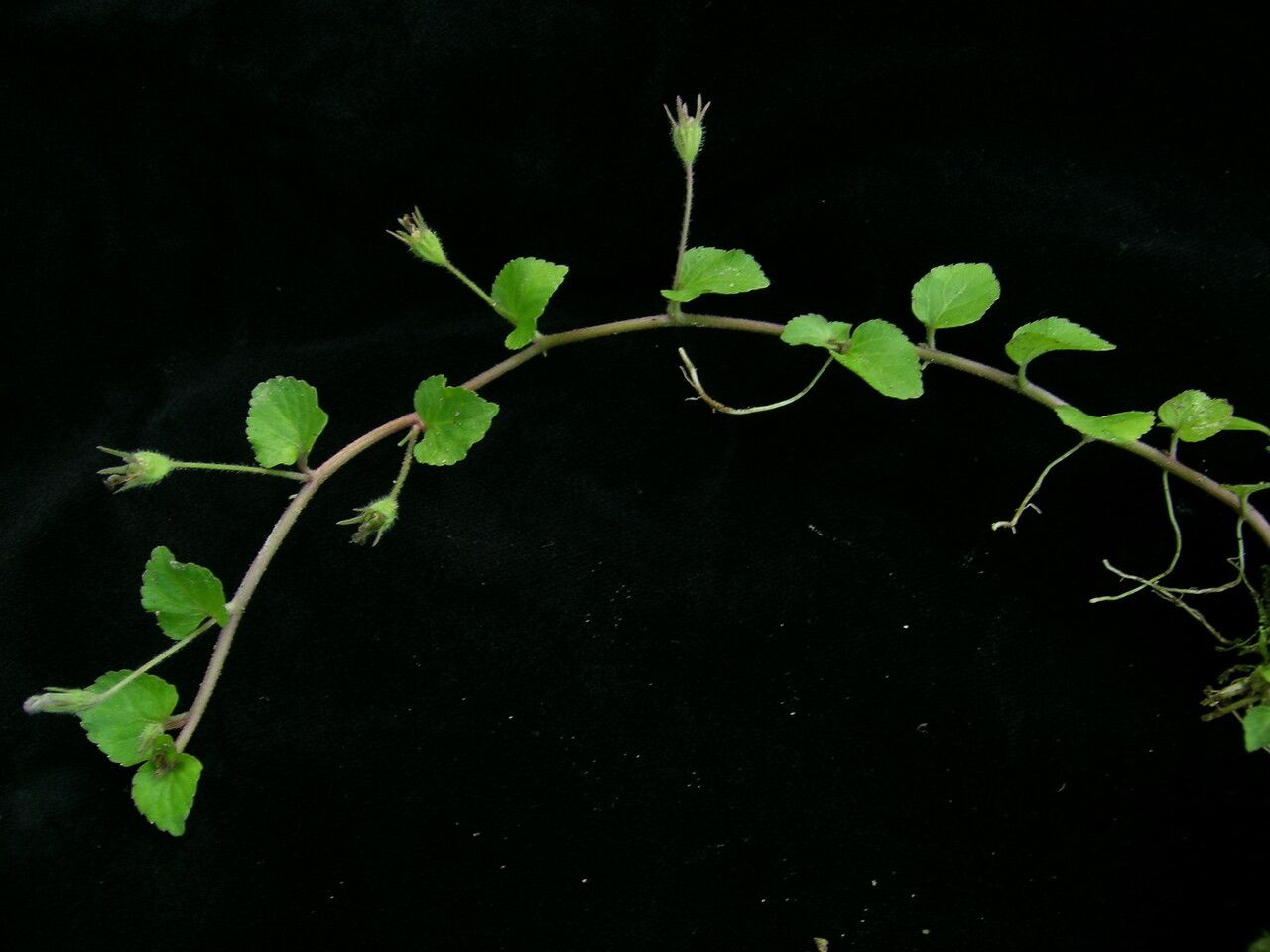
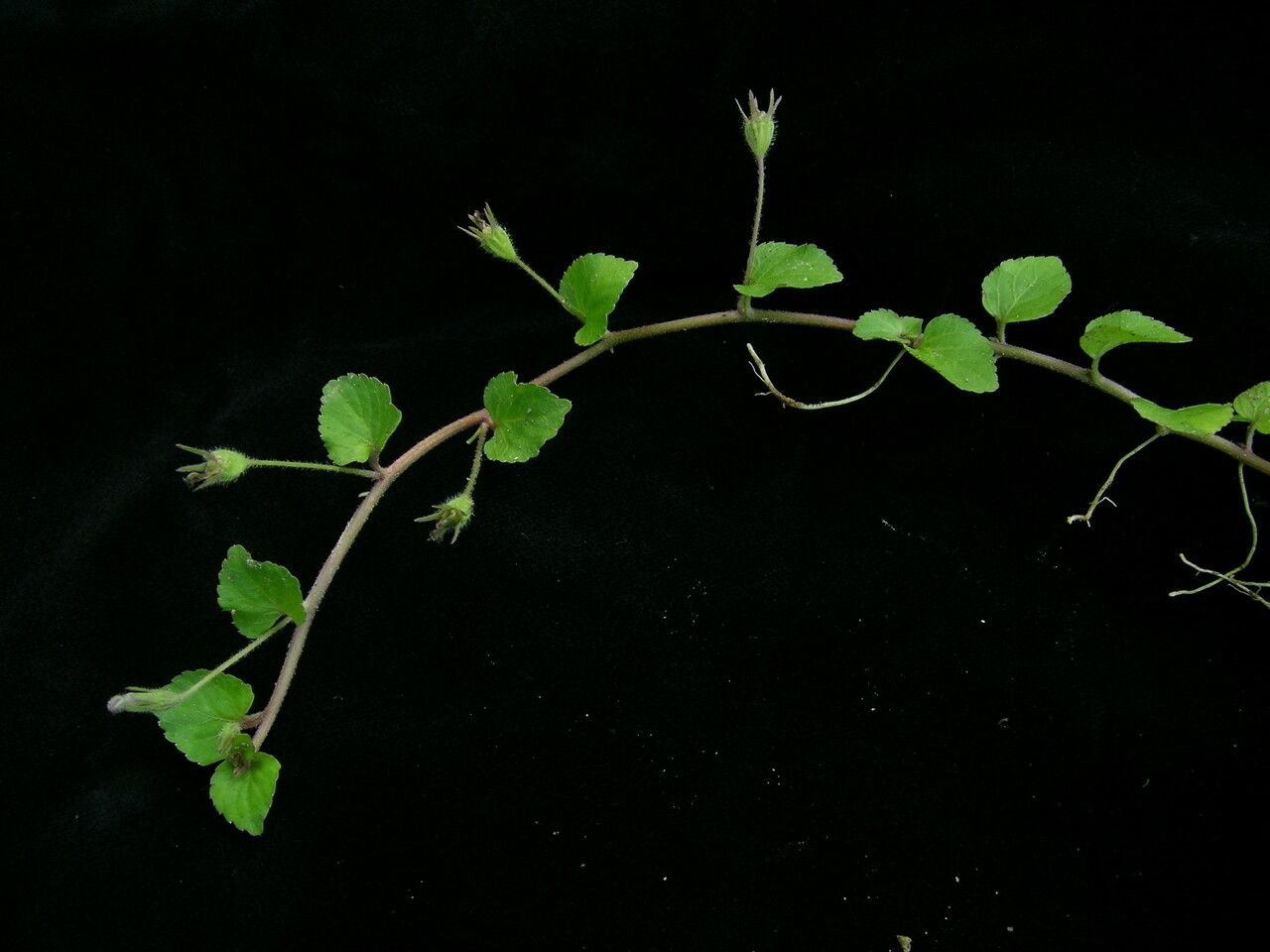
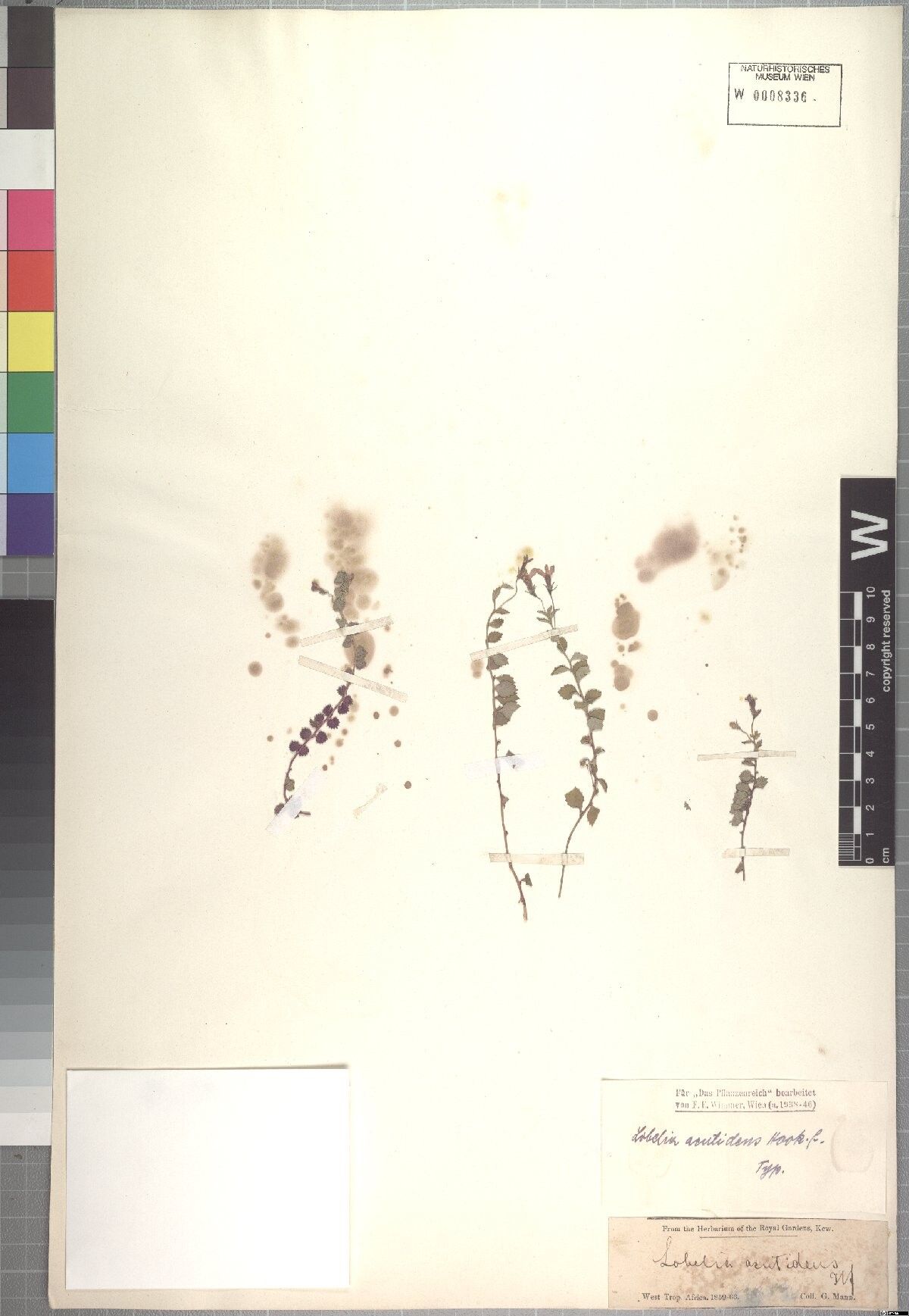
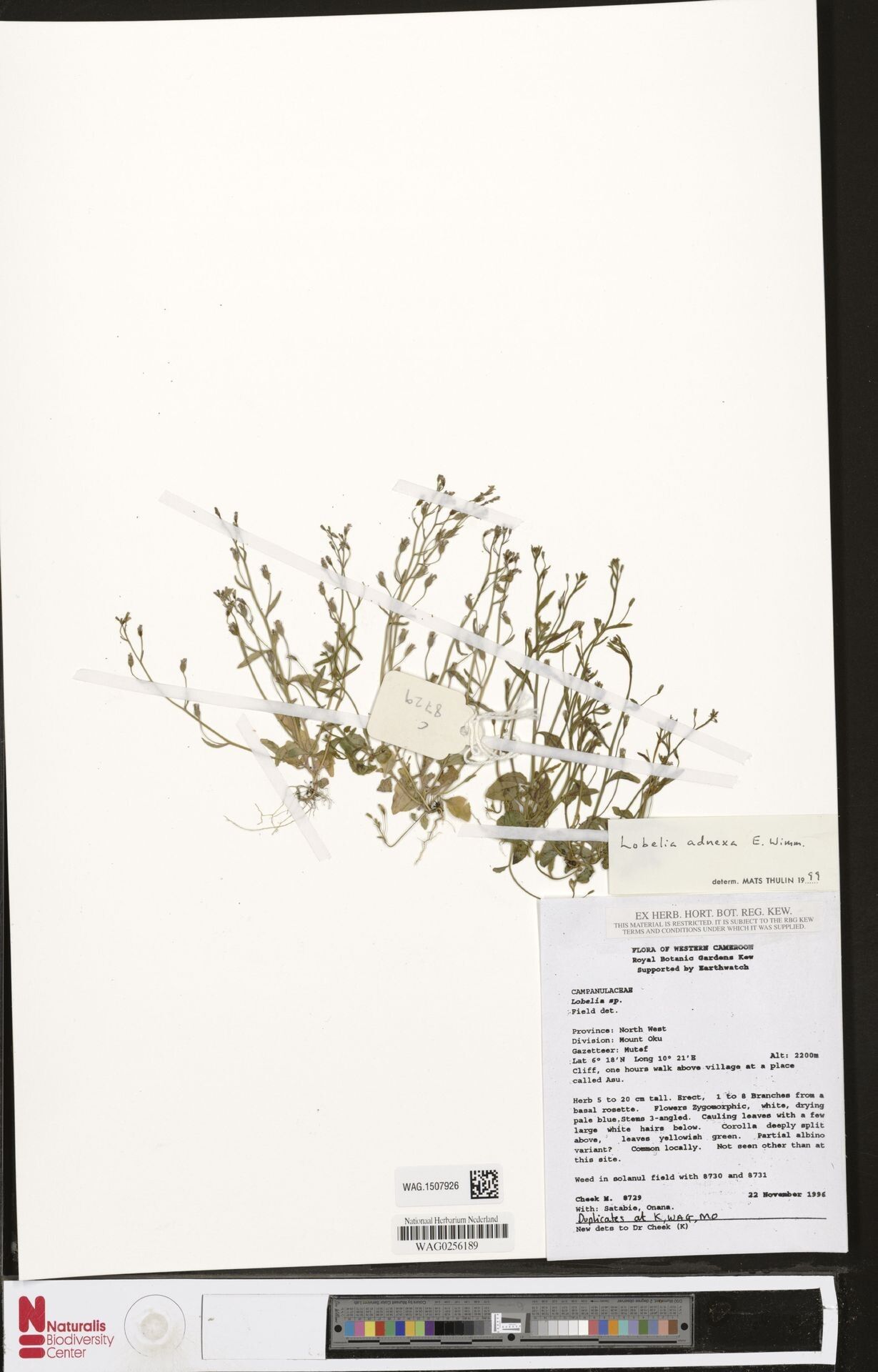
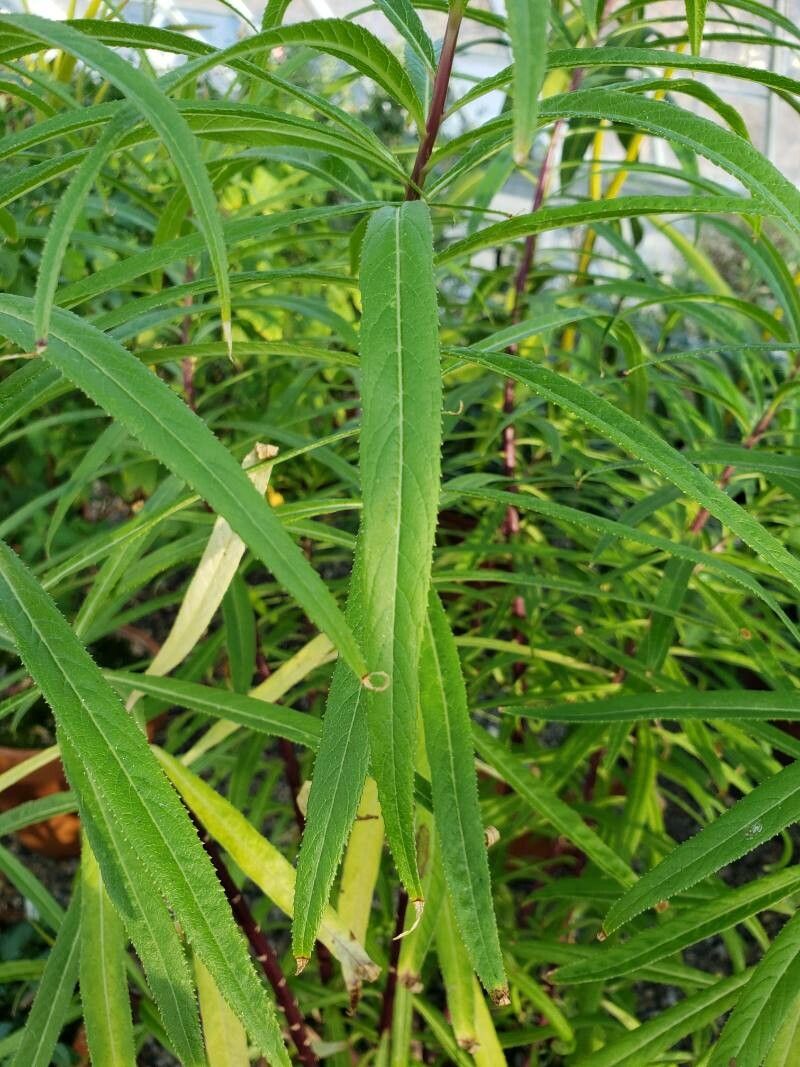
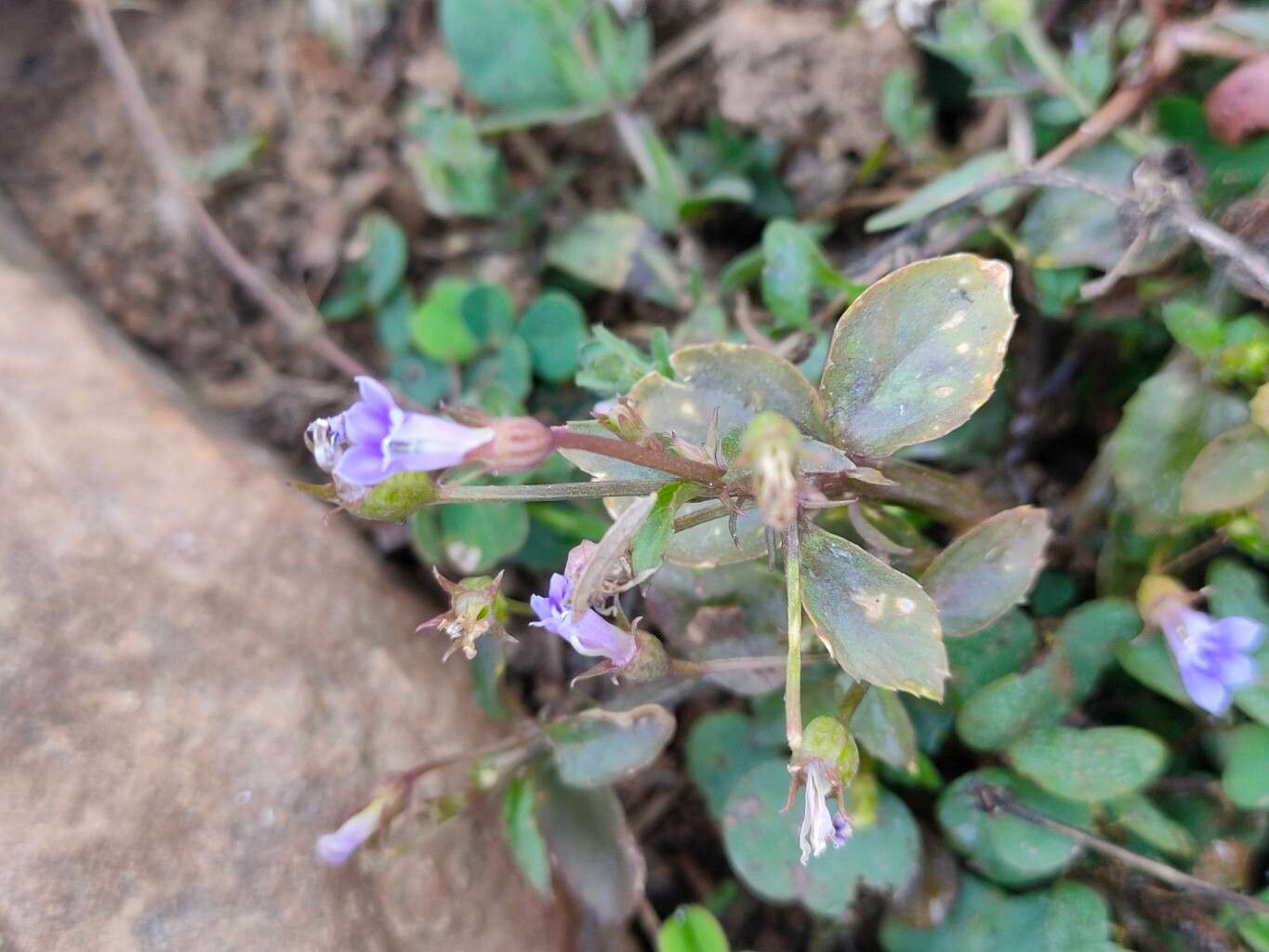
Ceylon lobelia is fairly disease-resistant and generally not prone to illness. However, it can be vulnerable to pests and diseases present in its surroundings. These problems are typically mild. In terms of care, this plant needs moderate maintenance. It should be pruned regularly to keep a neat appearance and support healthy growth. Fertilizing can also encourage flowering. Ceylon lobelia is appropriate for anyone with outdoor space like a garden or patio and does not demand extensive care experience. It may need more attention if grown indoors.
How to keep Lobelia Zeylanica.
Light
Ceylon lobelia is a sun-loving perennial herbaceous plant that comes from open habitats and commonly grows in meadows and grasslands. It prefers full sun but can also tolerate partial sun conditions.
Water
Ceylon lobelia thrives in tropical conditions, preferring consistent moisture and high humidity, though it can withstand moderate droughts. Weekly watering is essential, particularly for outdoor plants, as their growth relies on regular rainfall. During extended dry periods, careful water management is crucial to ensure the plant remains healthy.
Temperature
Ceylon lobelia comes from tropical areas, where the climate is typically warm and humid. Consequently, it is adapted to high temperatures and humidity. It does not tolerate sudden temperature changes and prefers a stable thermal environment, so indoor temperature fluctuations should be avoided. It generally cannot withstand cold and needs warmer conditions for growth. If the ambient temperature falls too low, the plant may stop growing or even die.
Fertilizer
Proper fertilization is essential for the health and appearance of Ceylon lobelia. Fertilize Ceylon lobelia in summer, applying it monthly throughout the season. Nutrients fuel growth and help maintain the plant’s parts. Fertilization improves Ceylon lobelia’s flower display, ensuring the best blooms.
Pruning
Ceylon lobelia is known for its vibrant flowers and lush foliage. To keep the plant thriving, regular pruning is important and should be done from early to late spring. To maintain a compact form and promote blooming, remove any dead stems and pinch the tips to encourage bushiness. This will also improve airflow around the plant. Be sure to use sharp, sterilized tools when pruning to prevent infections.
Botanical profile.
- Plant Type
- Herb
- Life Cycle
- Perennial
- Genus
- Lobelia
- Family
- Campanulaceae
- Hardiness Zone
- 7-10
- Mature Height
- 20 cm
- Mature Spread
- 15 cm to 25 cm
- Leaf Color
- Green
- Leaf Type
- Semi-evergreen
- Flower Color
- White, Purple, Blue
- Flower Size
- 0.51 cm to 1.02 cm
- Bloom Time
- Late spring, Summer, Early fall
- Planting Time
- Spring, Summer, Autumn
- Harvest Time
- Mid summer, Late summer, Fall
- Native Area
- Nepal, Sri Lanka, India, Malaysia, Indonesia, Vietnam, Myanmar, Philippines, Bhutan, Singapore, Bangladesh, Laos, Thailand, China
Reader questions.
What do I do if I give too much or too little water to my Ceylon lobelia?
Caring for your Ceylon lobelia requires proper watering to maintain its health. Overwatering is a more common issue and can cause wilting, yellowing leaves, and diseases like root rot, mold, and mildew, which can be fatal. Underwatering is less common, but can still occur, resulting in brittle, brown leaves. It's important to notice signs of overwatering early and reduce watering immediately. Assessing the soil drainage and replacing it if necessary with a well-draining mix can help prevent overwatering. If underwatering is suspected, simply increase watering until signs subside.
What are the sunlight requirements for Ceylon lobelia?
Ceylon lobelia, or Lobelia zeylanica, is a sun-loving perennial herb that thrives in full sun conditions, which means it needs more than 6 hours of sunlight daily. However, it can also tolerate partial sun situations, requiring about 3-6 hours of sunlight. It's important to observe the movement of sunlight through your garden to find spots that offer a balance of light and shade, ensuring the plant's growth and happiness.
What is the botanical name of Ceylon Lobelia?
The botanical name of Ceylon Lobelia is Lobelia zeylanica. This plant is known by its common name 'Ceylon Lobelia', which highlights its association with its place of origin or significant growth regions.
How do I water my Ceylon lobelia when it's growing at different stages?
The water needs of the Ceylon lobelia can vary depending on its growth stages. In the first few years and after transplanting, it requires more water to support the development of new roots. These roots need extra moisture to ensure future growth. However, as the plant matures, it will need less water. Additionally, during the bloom period, the Ceylon lobelia may need additional water to support flower development.
What should I do if my plant isn't getting enough sunlight?
If your Ceylon lobelia isn't receiving adequate sunlight, consider gradually moving it to a sunnier location, aiming for at least 6 hours of direct sunlight each day. For indoor plants, use a south-facing window and keep curtains open during the day. If the plant is large or not easily movable, artificial lighting such as desk lamps or professional grow lights left on for at least 8 hours daily can supplement sunlight. For outdoor plants, adjust their location gradually to prevent shock and sunburn, aiming for optimal light exposure without sudden changes in intensity.
How can I identify if my Ceylon lobelia is experiencing sunlight deficiency or excess?
Symptoms of sunlight deficiency in Ceylon lobelia include smaller new leaves, leggy or sparse growth, faster leaf drop, slower or no new growth, and lighter-colored or chlorotic leaves. Excessive sunlight can cause sunscald, leaf curling, wilting, and leaf scorching. To address these issues, ensure that your plant receives the right amount of sunlight and consider using protective measures or adjusting its location as needed.
How can artificial lighting supplement natural sunlight for Ceylon lobelia?
When natural sunlight is insufficient, especially during winter or in less sunny spaces, artificial lighting can be a vital solution for Ceylon lobelia. LED lights are recommended due to their ability to provide specific wavelengths needed by plants. Full sun plants require 30-50W/sq ft, partial sun plants need 20-30W/sq ft, and full shade plants need 10-20W/sq ft of artificial light. Place the light source 12-36 inches above the plant and mimic natural daylight hours, ensuring most plants receive 8-12 hours of light per day.
What are the best practices for managing sunlight for Ceylon lobelia planted in the ground outdoors?
For Ceylon lobelia planted outdoors, it's crucial to reduce obstructions that block sunlight. Observe the environment to determine what is obstructing sunlight, such as trees, and consider pruning to allow more light through. If you're dealing with smaller plants that are easily relocated, consider transplanting during their dormant period, usually late winter or early spring, to a location with ample sunlight and good drainage. Always ensure a gradual transition to avoid shock and sunburn from sudden changes in sunlight exposure.