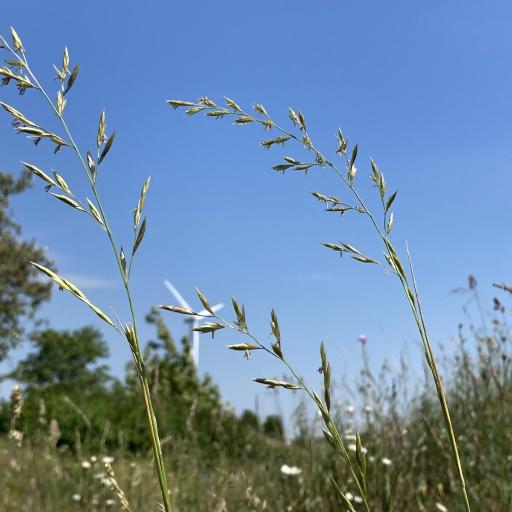
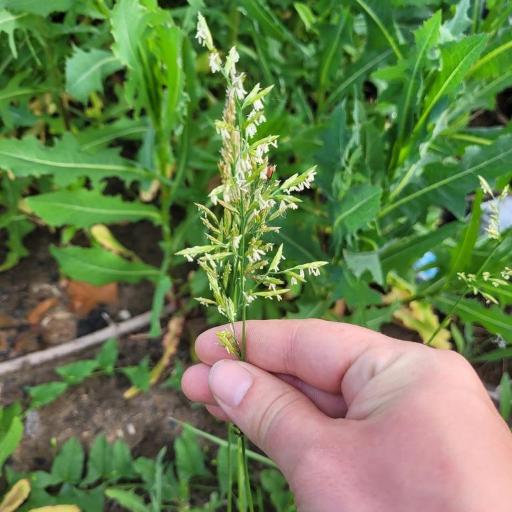
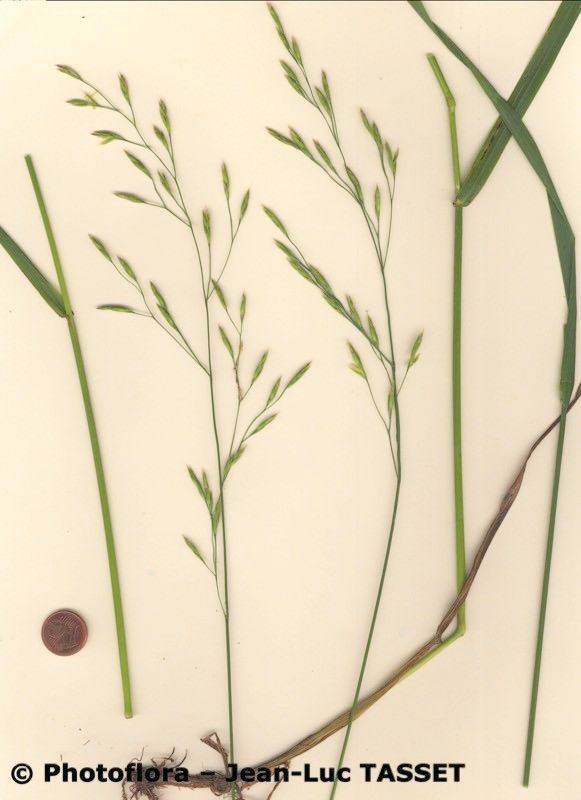
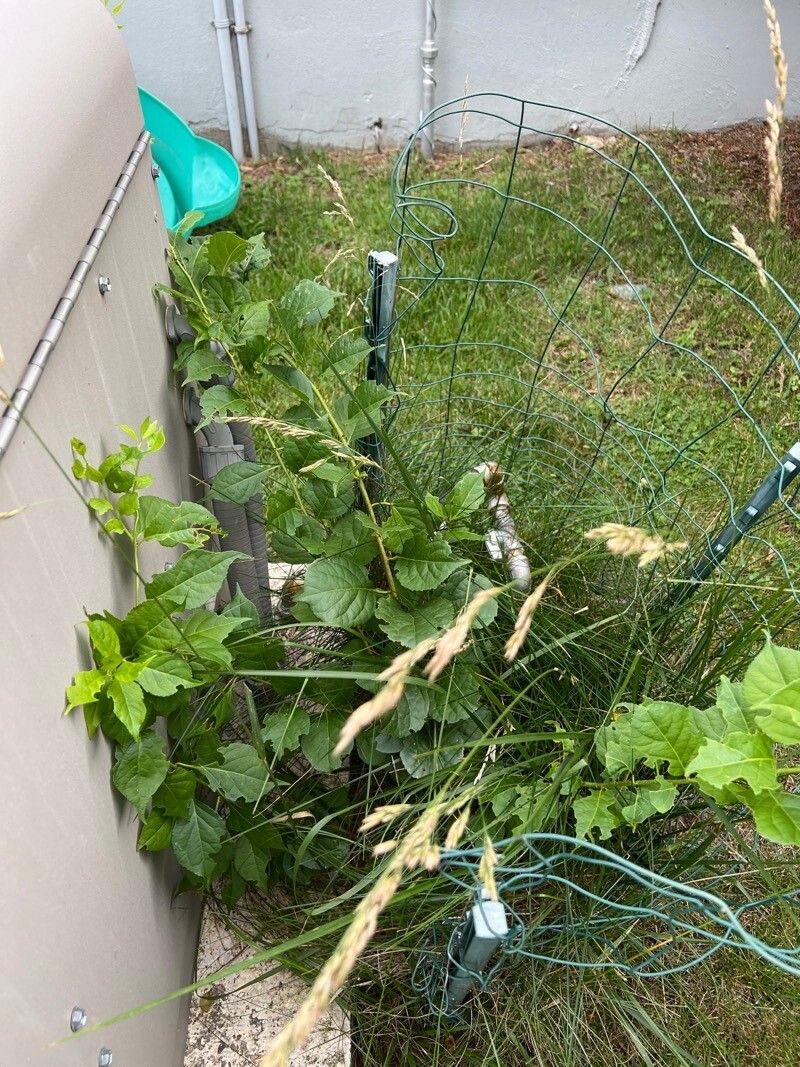
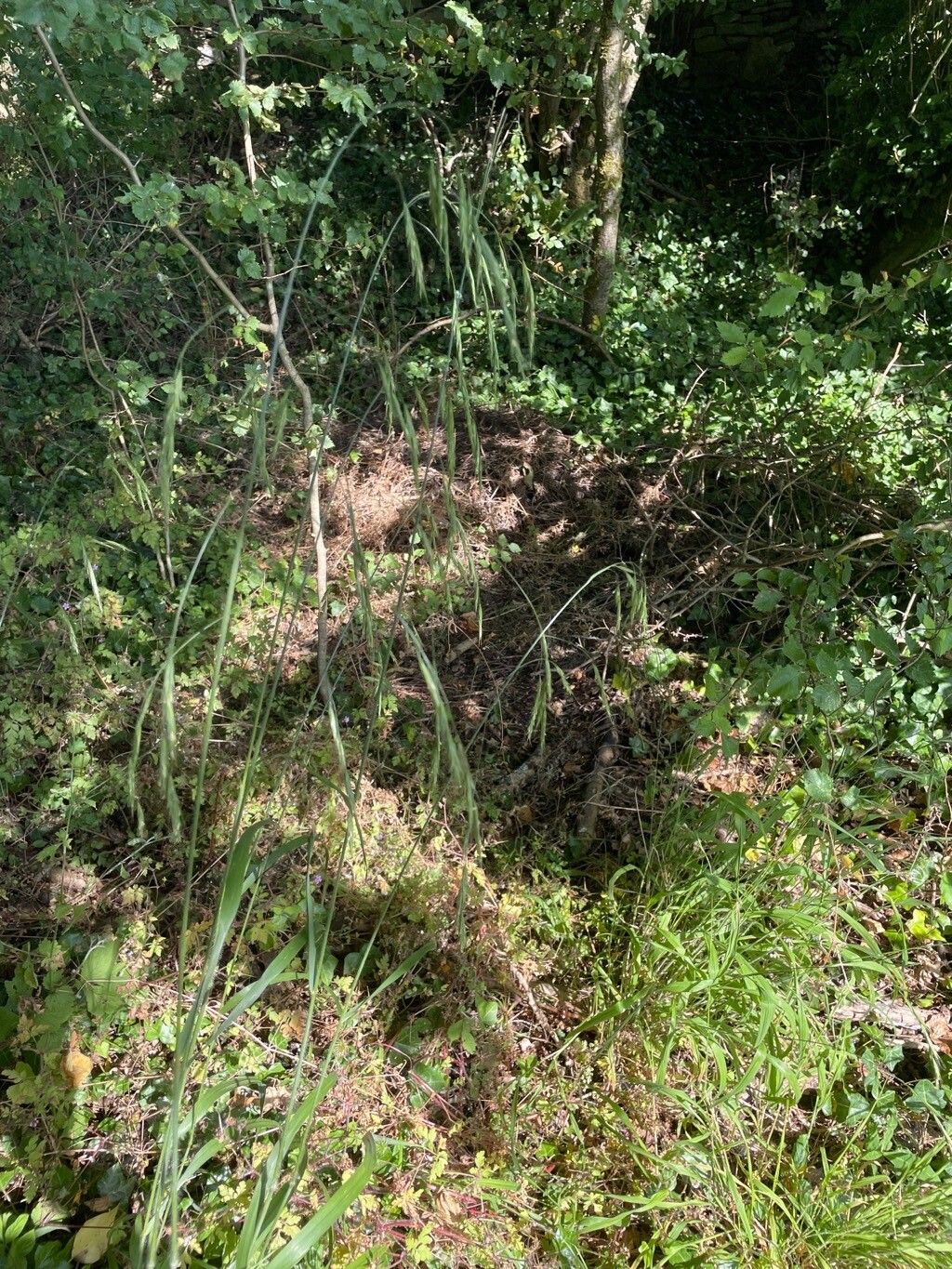
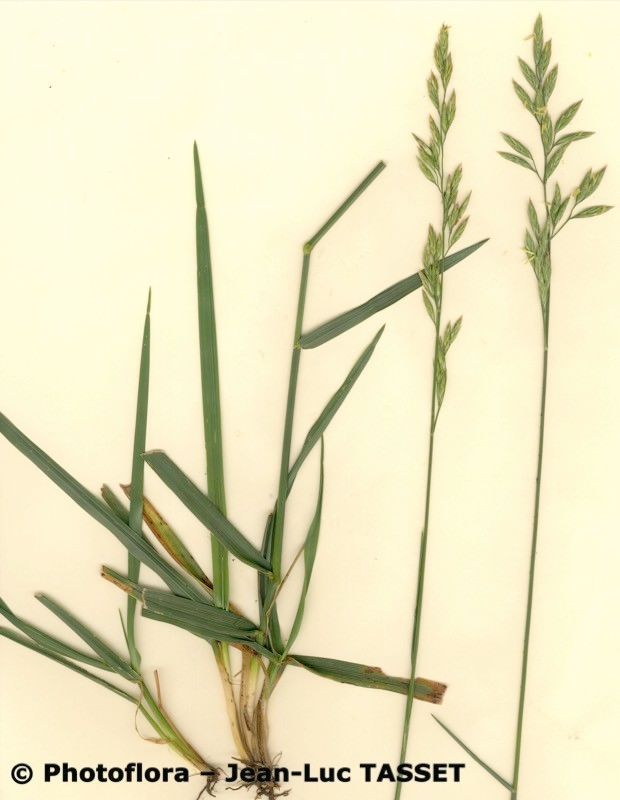
Festuca pratensis, the meadow fescue, is a perennial species of grass, which is often used as an ornamental grass in gardens, and is also an important forage crop. It grows in meadows, roadsides, old pastures, and riversides on moist, rich soils, especially on loamy and heavy soils. It is a tall, tufted grass similar to the tall fescue, Festuca arundinacea. Tall fescue differs by having minute hairs on the auricles. It can hybridise with Lolium perenne and Lolium multiflorum.
Meadow fescue is fairly resistant to disease and is generally not susceptible to illnesses. Regarding care, this plant is relatively low-maintenance. When grown outdoors it needs little watering, and larger plants typically do not require pruning. Smaller plants, however, should be trimmed after they have finished blooming. Meadow fescue is suitable for anyone with outdoor space, such as a garden or deck, and does not demand much experience in plant care.
How to keep Lolium Pratense.
Light
Meadow fescue is a perennial herbaceous plant that thrives in sunny conditions and originates from open habitats, often found in meadows and grasslands. It prefers full sun but can also tolerate partial sun.
Water
Meadow fescue flourishes in moist environments that mimic its natural temperate meadow origins. It requires weekly watering and benefits from indoor humidity. While it is best suited to climates with consistent rainfall, it can tolerate moderate drought. For optimal growth, the soil should remain moist.
Temperature
Meadow fescue is native to temperate climates and performs best at temperatures between 41 and 95 °F (5 and 35 °C). Moderate watering during seasonal temperature fluctuations can help the plant meet its temperature needs.
Fertilizer
Meadow fescue needs extra nutrients to encourage healthy new growth. In spring, placing compost around the base of the plant can effectively supply the necessary nutrition. Fertilizing helps support vigorous growth and improves the plant's resistance to diseases and pests.
Pruning
Meadow fescue has lush, green foliage and can tolerate different soil types. To encourage healthy regrowth, prune it in early spring by removing any dead blades. Regular trimming helps maintain an optimal height and improves air circulation, which reduces the risk of fungal diseases and enhances the plant's overall vigor.
Botanical profile.
- Plant Type
- Grass
- Life Cycle
- Perennial
- Genus
- Lolium
- Family
- Poaceae
- Hardiness Zone
- 5-9
- Mature Height
- 0.3 m to 1.22 m
- Mature Spread
- 20 cm to 30 cm
- Leaf Color
- Green, Dark Green
- Leaf Type
- Deciduous
- Flower Color
- Yellow, Green, Purple, Brown
- Flower Size
- 0.51 cm to 1.02 cm
- Bloom Time
- Late spring, Early summer, Mid summer
- Planting Time
- Spring, Summer
- Harvest Time
- Mid summer, Late summer, Early fall
- Native Area
- Turkey, Sweden, Austria, Slovakia, Montenegro, Pakistan, Slovenia, Croatia, Belarus, Uzbekistan, Russia, Iraq, Germany, Iceland, Estonia, Romania, Latvia, Belgium, Netherlands, France, Tajikistan, Czech Republic, Bulgaria, Armenia, Poland, Greece, Ukraine, Lebanon, Serbia, Lithuania, Norway, China, Afghanistan, Kyrgyzstan, Kazakhstan, Italy, Spain, Switzerland, Denmark, Finland, Iran, Albania, Ireland, United Kingdom, Hungary, Azerbaijan, Turkmenistan
Other names.