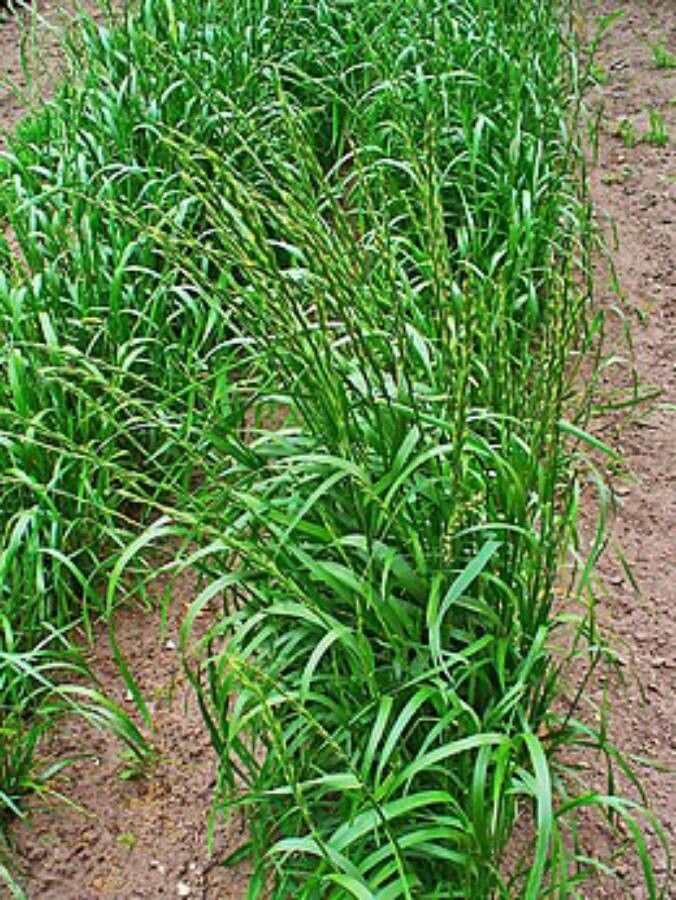
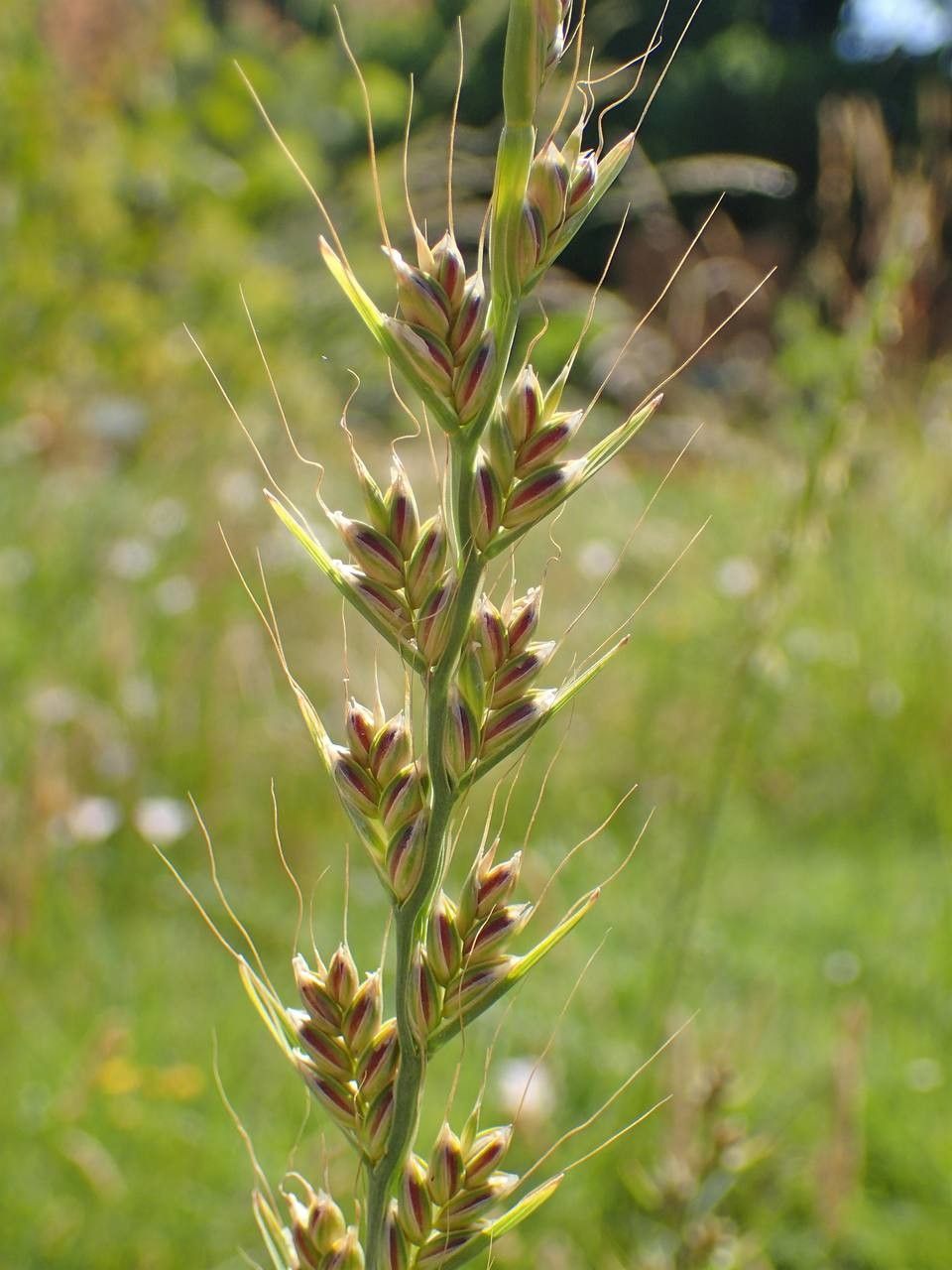
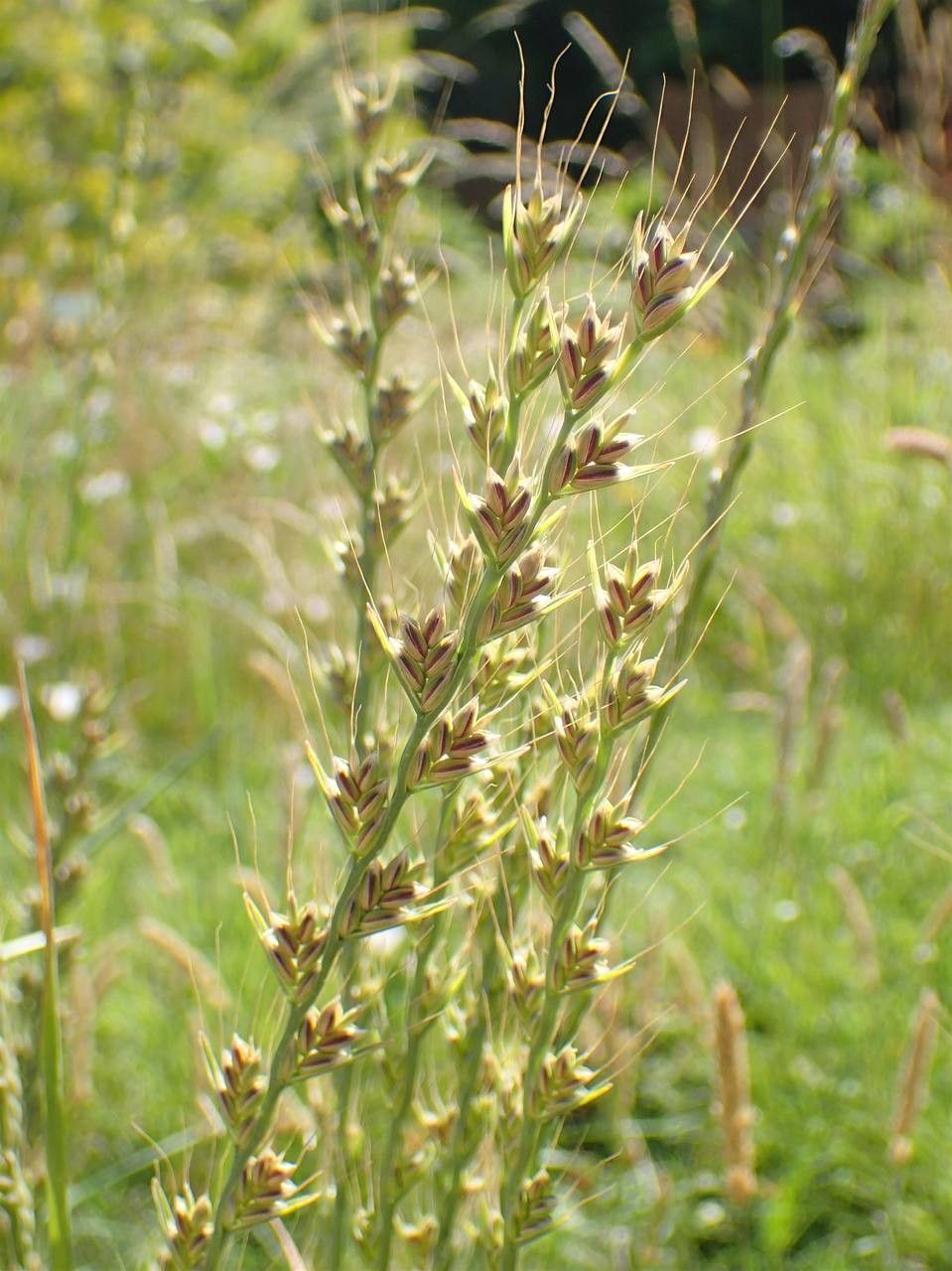
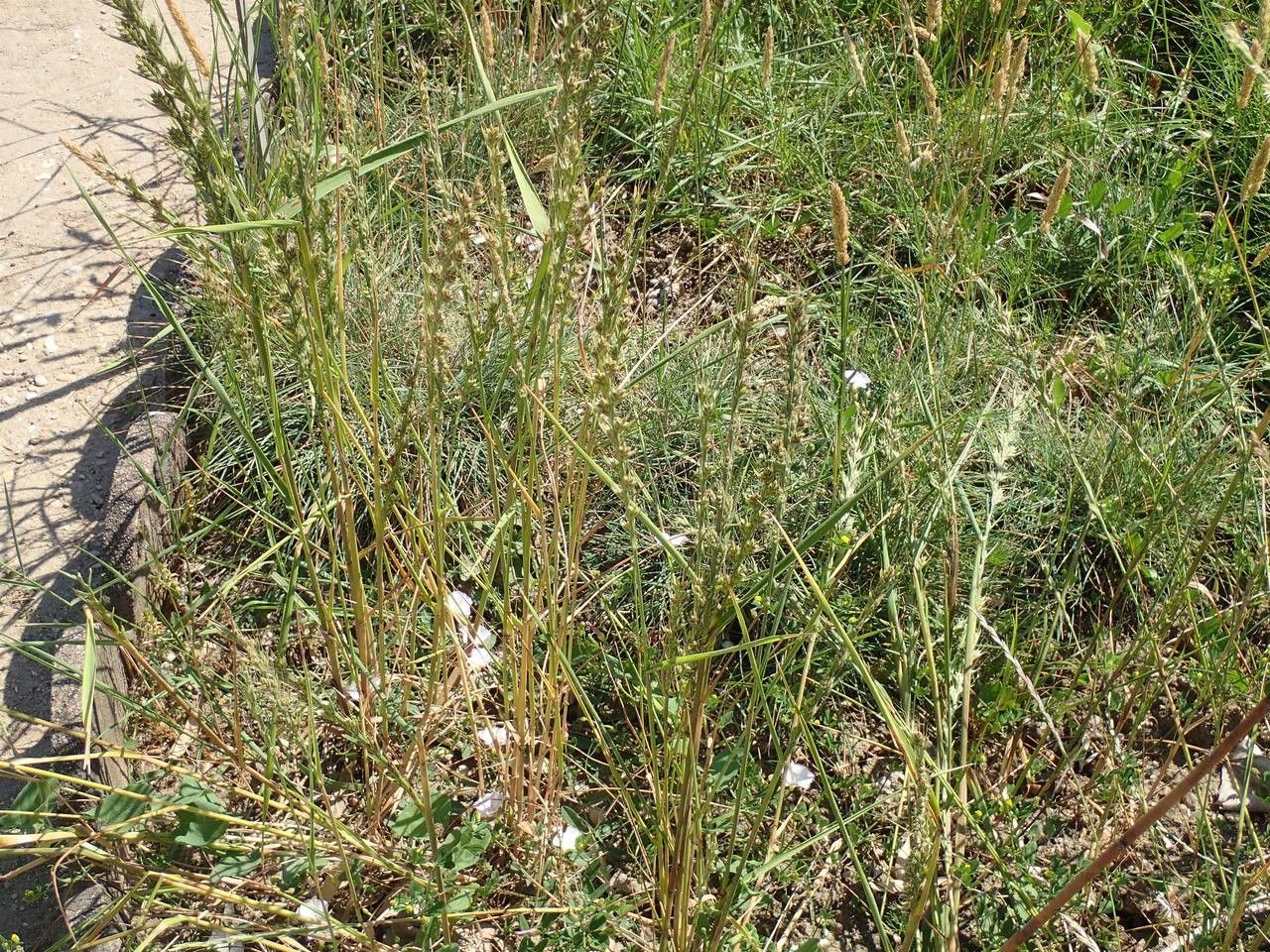
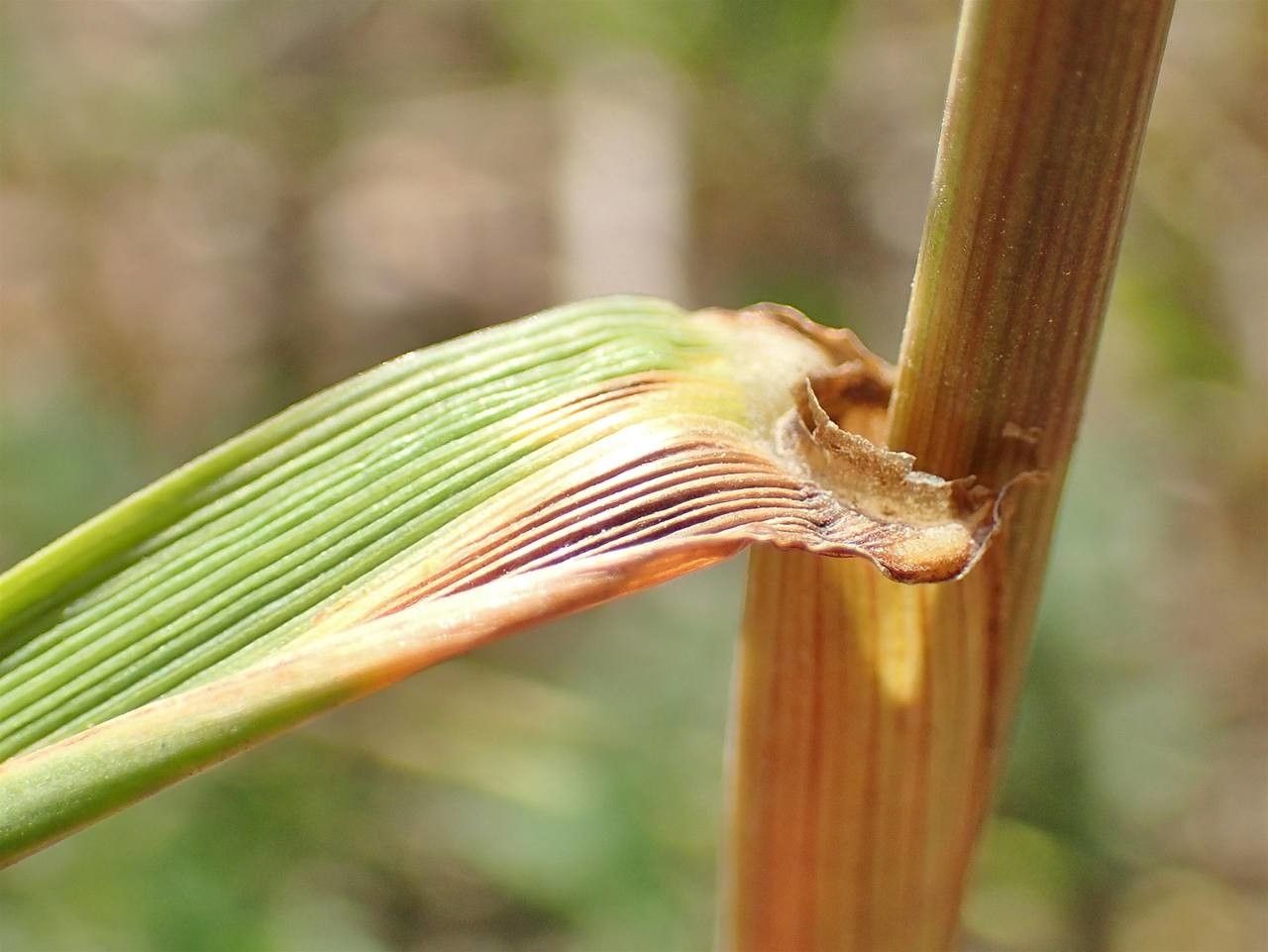
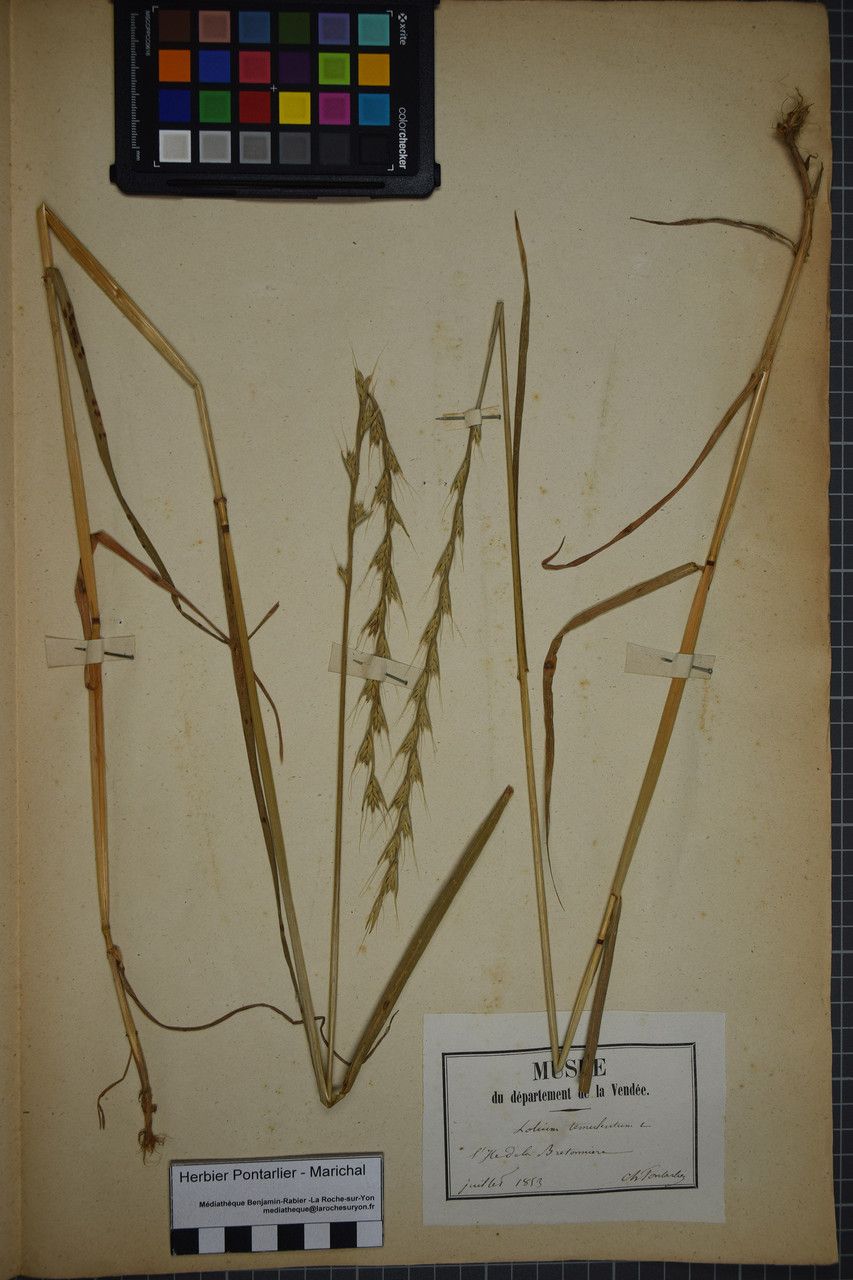
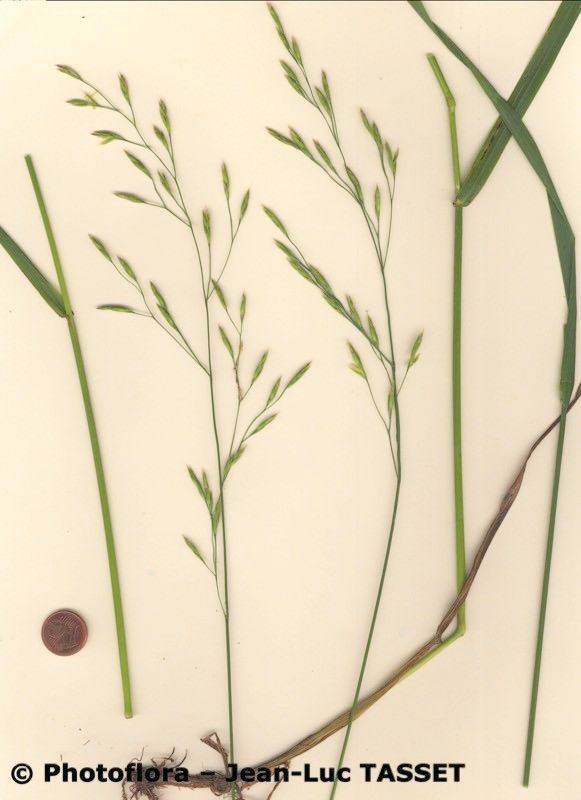
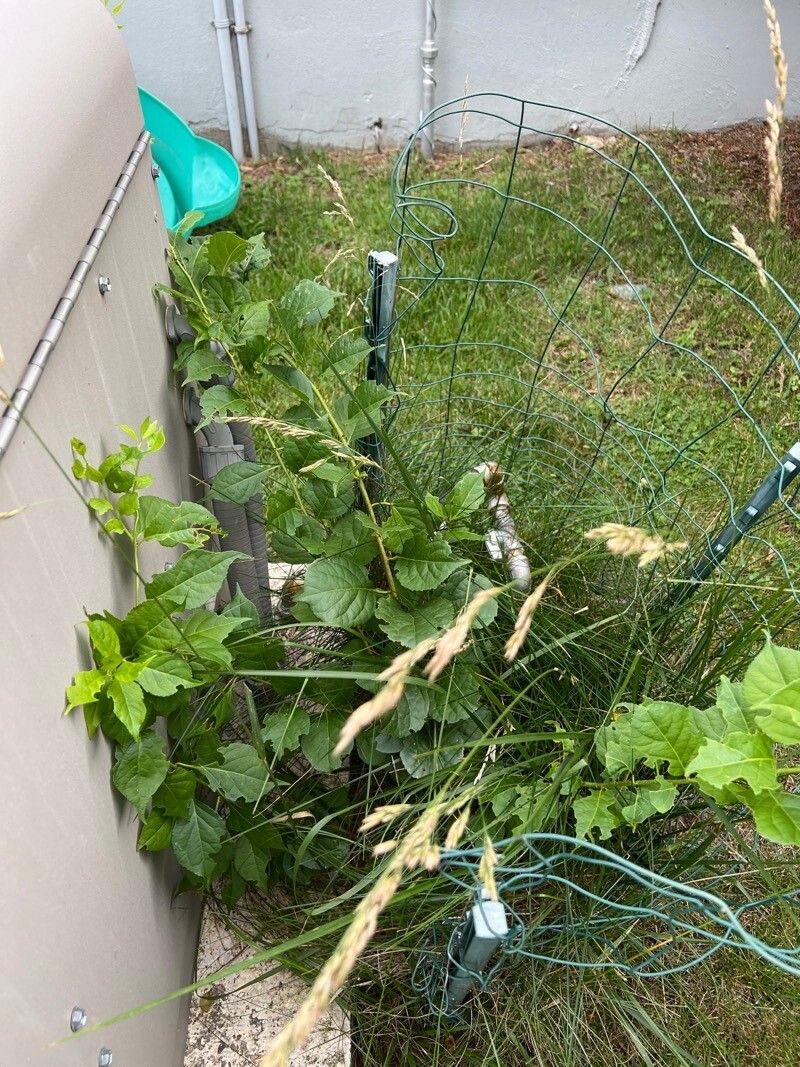
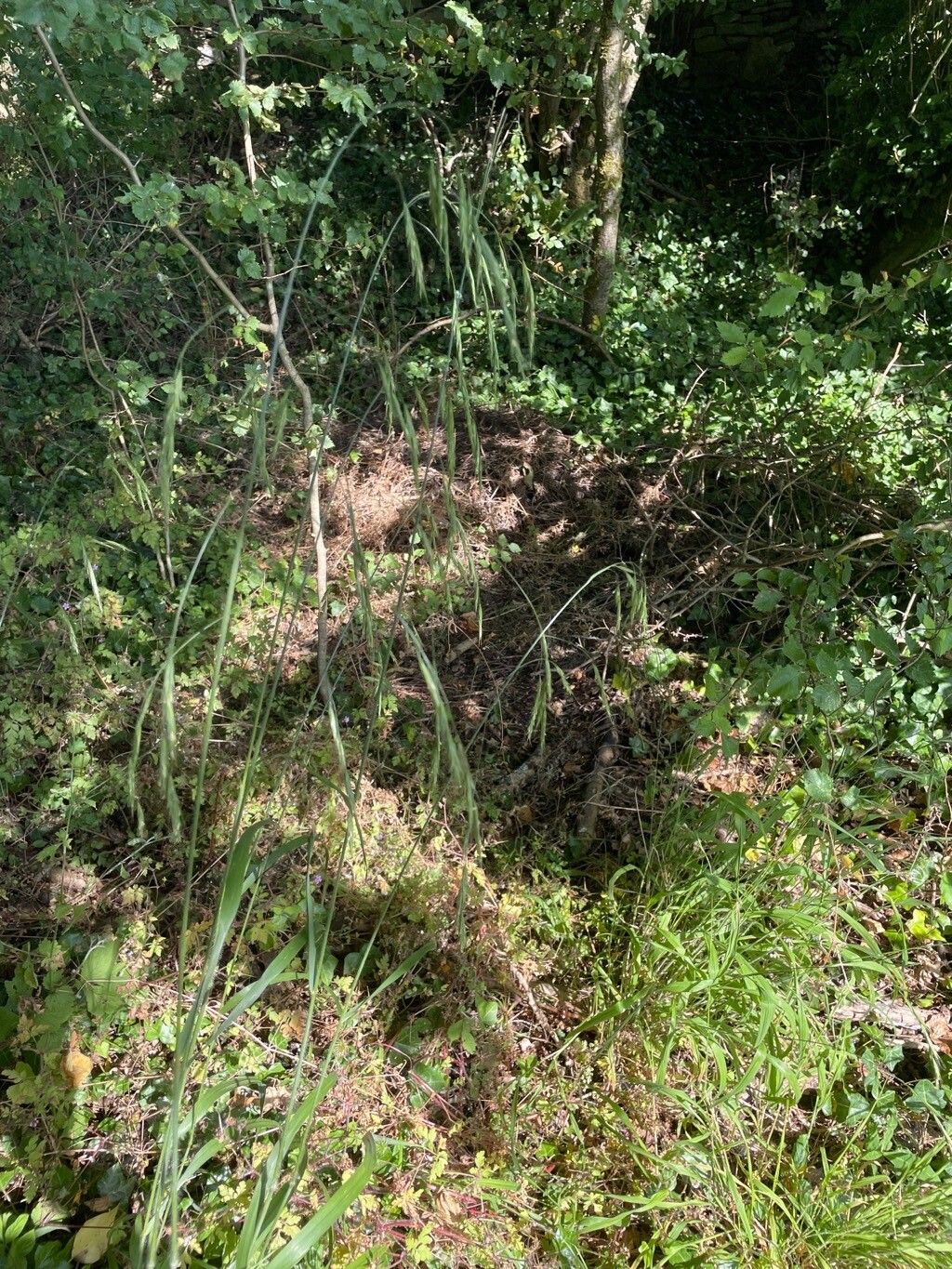
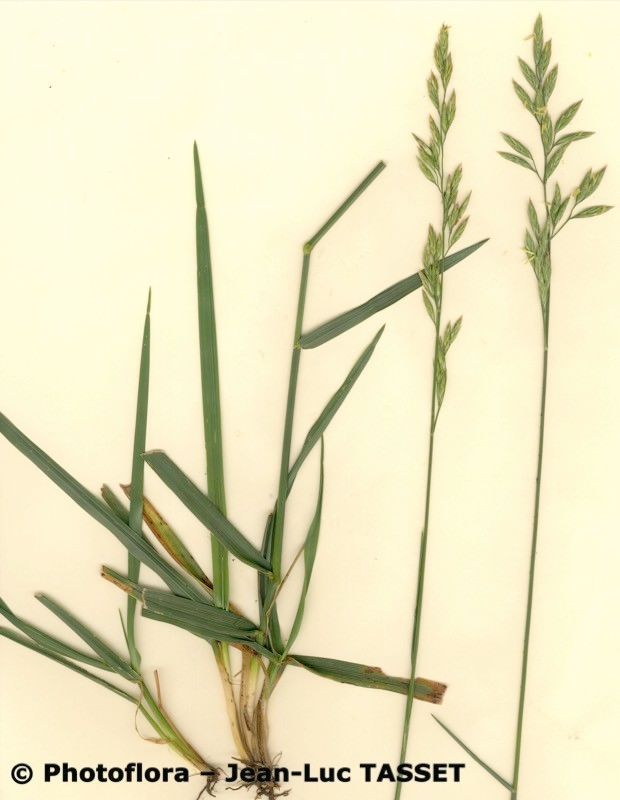
Lolium temulentum, typically known as darnel, poison darnel, darnel ryegrass or cockle, is an annual plant of the genus Lolium within the family Poaceae. The plant stem can grow up to one meter tall, with inflorescence in the ears and purple grain. It has a Cosmopolitan distribution.
Darnel ryegrass is resistant to disease and generally not susceptible to illnesses. When it comes to care, this plant is fairly low-maintenance. Planted outdoors, it needs only minimal watering, and larger plants typically do not require pruning. Smaller plants, however, should be pruned after they finish blooming. Darnel ryegrass is suitable for anyone with outdoor space, such as a garden or deck, and does not call for extensive care experience.
How to keep Lolium Temulentum.
Light
Darnel ryegrass performs best in full sun, and that light level promotes its vigorous growth. From the seedling stage through maturity, sunny conditions are important. Too little sunlight can cause stunted development and poor health. Excess sunlight may bring on drought stress, although it generally does not cause direct damage.
Water
Darnel ryegrass thrives in temperate climates where there is a moderate amount of water available. It strikes a balance between being resistant to drought and preferring some moisture. For optimal growth, it should be watered weekly and benefits greatly when grown outdoors, as it can take advantage of natural rainfall. It's important to maintain adequate soil moisture throughout the growing season to ensure the best possible growth.
Temperature
Darnel ryegrass is native to temperate regions and grows best at temperatures between 68 and 95 °F (20 and 35 °C). Seasonal care may include providing shade during the hottest summer months.
Pruning
Darnel ryegrass is an annual plant characterized by its slender stems and narrow leaves. For optimal growth, prune it between early and late spring. This will help remove dead foliage and thin out overcrowded areas, improving air circulation. Such practice encourages vigorous growth and reduces the risk of lodging. For detailed advice tailored to your area, consult local horticultural resources.
Botanical profile.
- Plant Type
- Grass
- Life Cycle
- Annual
- Genus
- Lolium
- Family
- Poaceae
- Hardiness Zone
- 4-8
- Mature Height
- 91 cm
- Mature Spread
- 20 cm to 40 cm
- Leaf Color
- Green
- Leaf Type
- Deciduous
- Flower Color
- Yellow, Green, Purple, Brown
- Flower Size
- 1.02 cm to 1.52 cm
- Bloom Time
- Early summer, Mid summer
- Planting Time
- Spring, Autumn
- Harvest Time
- Late summer, Early fall
- Native Area
- Libya, Egypt, Turkey, India, Austria, United Arab Emirates, Slovakia, Montenegro, Pakistan, Slovenia, Morocco, Croatia, Yemen, Belarus, Uzbekistan, Russia, Iraq, Germany, Jordan, Romania, Portugal, France, Saudi Arabia, Tajikistan, Tunisia, Cyprus, Bulgaria, Armenia, Greece, Lebanon, Serbia, Afghanistan, Syria, Italy, Kazakhstan, Spain, Switzerland, Israel, Iran, Albania, Azerbaijan, Algeria, Hungary, Kuwait, Turkmenistan
Other names.
Reader questions.
What are the sunlight requirements for Darnel ryegrass?
Darnel ryegrass (Lolium temulentum) thrives in environments that are fully exposed to the sun, requiring more than 6 hours of sunlight daily to ensure robust growth from seedling stage through maturity. Ensuring the plants receive the right amount of sunlight is critical for their health and growth, as inadequate sunlight can lead to stunted growth and poor health, whereas excessive sunlight might cause drought stress without necessarily harming the plant directly.
What are the ideal growing temperatures for Darnel ryegrass?
Darnel ryegrass, or Lolium temulentum, flourishes in temperate climates, favoring temperatures between 68 to 95°F (20 to 35°C). To optimize growth during the hot summer months, it may require shade to protect it from extreme heat. Despite its robust cold resistance, which normally negates the need for frost protection, in regions where winter temperatures plummet below -30°C, additional measures such as covering the plant with soil or straw should be taken. It is also advisable to water the plant thoroughly before the first freeze in autumn to maintain soil moisture through the winter and early spring, aiding in the plant’s survival and growth.
Are there any considerations for sunlight throughout the garden?
Yes, it's important to observe how sunlight moves through your garden to find spots that offer the perfect balance of light and shade for your plants. This ensures their happiness and healthy growth. Keeping a watchful eye on the patterns of sunlight and shade throughout the day will help in selecting the optimal locations for planting Darnel ryegrass.
How does Darnel ryegrass respond to low temperatures, and what solutions are recommended?
Darnel ryegrass exhibits strong tolerance to cold weather, ideally thriving in conditions above 20°C. During winter, ensuring the temperature remains above 0°C is crucial. However, exposure to temperatures dropping below -30°C doesn't typically result in immediate visual changes but may lead to a reduced or entirely absent sprouting phase in the following spring. The recommended solution for parts of the plant that fail to sprout is simple: in spring, these unresponsive parts should be removed to promote new growth and maintain the health of the ryegrass.
How can artificial lighting be used for indoor Darnel ryegrass plants?
For indoor Darnel ryegrass plants, artificial lighting provides an essential solution when natural sunlight is insufficient, especially in winter or less sunny spaces. Optimal growth is achieved by using artificial lights that mimic natural sunlight. LED lights are recommended because they can be customized to supply specific wavelengths needed by the plants. The amount of artificial light required varies according to plant needs: 30-50W/sq ft for full sun plants, 20-30W/sq ft for partial sun plants, and 10-20W/sq ft for full shade plants. Place the light source 12-36 inches above the plant and ensure it's on for 8-12 hours per day to mimic natural daylight.
What are the effects of high temperatures on Darnel ryegrass, and how can they be managed?
Darnel ryegrass should ideally be maintained in environments where the temperature does not surpass 35°C. When exposed to temperatures above 38°C, the plant may exhibit signs of stress, such as leaves lightening in color, curling, becoming susceptible to sunburn, and in extreme cases, the plant may wilt and dry out. To manage these symptoms, trim away the affected parts, relocate the plant to a shaded area or use shade cloth to protect it from the intense midday and afternoon sun. Additionally, watering the plant during cooler parts of the day, like morning or evening, can help keep the soil adequately moist, mitigating the stress caused by high temperatures.
What are common symptoms of light deficiency in Darnel ryegrass?
When Darnel ryegrass is grown indoors or in conditions with inadequate light, several symptoms can indicate light deficiency. These include the appearance of smaller new leaves, leggy or sparse growth, faster leaf drop, slower or no new growth, and lighter-colored or pale new leaves. In conditions of excessive sunlight, symptoms like chlorosis (leaves turning yellow due to the breakdown of chlorophyll), sunscald, leaf curling, wilting, and leaf scorching can also be observed. These symptoms affect the plant's ability to photosynthesize and maintain overall health.
What solutions exist for Darnel ryegrass experiencing light-related issues?
For indoor Darnel ryegrass plants facing light deficiency, gradually moving them to sunnier locations where they can get at least 6 hours of direct sunlight daily is advised. Utilizing south-facing windows and keeping curtains open during the day maximizes sunlight exposure. If the plant is large or not easily movable, consider using artificial light sources, such as desk or ceiling lamps for at least 8 hours daily, or investing in professional plant grow lights for sufficient light. Outdoors, the approach involves gently acclimatizing the plants to sunnier spots over weeks to avoid sunburn. If trees or structures block sunlight, pruning or removing these obstructions can help, and in some cases, transplanting to a location with better sunlight and drainage is recommended. Note, parts of the plant damaged by insufficient light may not recover, but new growth should be healthy with improved light conditions.