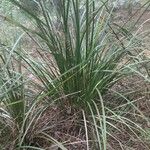
Lomandra longifolia
Longleaf mat-rush · Long mat-rush · Spiny mat-rush · Spiny-head mat-rush · Long-leaf matrush
Description
Source: leafsnapLomandra longifolia, commonly known as Spiny-headed Mat-rush or Basket Grass, is a perennial plant native to Australia. It belongs to the family Asparagaceae and is widely distributed throughout the country. The plant features long, narrow leaves that can grow up to 1 meter in length and 5-10 mm in width. These leaves are tough and leathery, maintaining a dark green color throughout the year. In the spring and summer, Lomandra longifolia produces small yellow flowers on spikes that emerge from the center of its foliage. These flowers are followed by small fruits that contain black seeds. Highly adaptable to different soil types, this plant prefers well-drained soils with moderate moisture levels. While it can tolerate drought conditions once established, it requires regular watering during its initial growth period. Lomandra longifolia is popular in landscaping due to its attractive foliage, low maintenance requirements, and resilience in various conditions, including full sun and partial shade. It can be used as ground cover or planted en masse for erosion control on slopes. Additionally, Lomandra longifolia has been utilized by Indigenous Australians for various purposes, such as weaving baskets from its leaves or using it medicinally to treat skin infections and other ailments. Overall, Lomandra longifolia is an attractive, ornamental grass-like plant with many practical uses, making it an excellent addition to any garden setting!
🌳 The spiny-head mat-rush is an excellent choice for urban gardens due to its remarkable heat tolerance, especially in areas near pavements and buildings. This species is also well-suited for placement along pathways in formal gardens, as garden borders, and near concrete or rock retaining walls. Additionally, it serves as an attractive, symmetrically shaped specimen plant.
Care Guide
💧 Water Every 7 days
The spiny-head mat-rush, native to Australia, is a highly drought-tolerant plant that thrives with moderate weekly watering once its roots are established. Although it is usually grown outdoors, it can also adapt well to containers as long as they provide good drainage. As an evergreen, the spiny-head mat-rush keeps its foliage vibrant year-round.
How should I water my Spiny-head mat-rush plant?
To properly water the Spiny-head mat-rush, it is best to use filtered water at room temperature. Tap water should be avoided because it may contain harmful particles. The water temperature should be at room temperature or slightly warmer because this plant is accustomed to warm environments and cold water can be a shock to it. Instead of watering from above, you should apply filtered room temperature water directly to the soil until it is completely soaked. Soaking the soil is beneficial as it ensures the roots are moist and enables them to spread and absorb the necessary nutrients.
What should I do if I give too much or too little water to my Spiny-head mat-rush plant?
Overwatering and underwatering can harm your Spiny-head mat-rush, but overwatering is a more common problem. When this plant gets too much water, its stems and leaves may wilt and turn yellow. Overwatering for a long time can also cause diseases like root rot, mold, and mildew, which can kill the plant. Underwatering is less likely, as the Spiny-head mat-rush can tolerate drought well. But when it does happen, the leaves become brittle and brown. It's important to recognize signs of overwatering early, as some diseases may not be fixable if you wait too long. Reduce watering immediately if you spot early signs. Check the soil quality too – if it drains poorly, replace it with a loose, well-draining potting mix. If you see signs of underwatering, simply water more regularly until the signs go away.
How often do I need to water my Spiny-head mat-rush?
If your Spiny-head mat-rush is in a pot, the most accurate way to determine if it needs water is by sticking your finger into the soil. If the top two to three inches of soil feel dry, then it's time to water it. If you grow your Spiny-head mat-rush outside in the ground, you can use a similar method to check the soil. Once the top few inches of soil have dried out, it's time to water it. In the spring and early fall, you'll generally need to water this plant about once a week using this method. However, when it gets very hot outside, you may need to increase watering to twice a week or even more. That being said, mature and well-established Spiny-head mat-rush plants have a great ability to tolerate drought.
How much water does my Spiny-head mat-rush plant need?
When watering your Spiny-head mat-rush, don't hold back on the amount of water you use. Make sure the top two to three inches of soil are dry before watering, and then give the plant a good, thorough soaking. It's important to add enough water so that it completely saturates the soil and excess water drains out of the bottom of the pot. If you don't see any excess water coming out, it means you haven't watered enough. However, be careful not to let water accumulate in the soil as this can harm the plant. On the other hand, if water is not draining properly from the pot, it could be a sign of poorly draining soil, which is not good for the plant. Lastly, if the plant is outdoors, one inch of rain per week will be enough.
How do I water my Spiny-head mat-rush as it grows?
The water requirements of the Spiny-head mat-rush change depending on its growth stages. When the plant is young or recently transplanted, it needs more water than usual. During these stages, the plant focuses on growing new roots, which require extra moisture. As the plant matures, it will require less water. Additionally, during the bloom period, the plant may need increased water due to the water demands of flower development.
☀️ Light Partial sun
Spiny-head mat-rush generally does best in places that get plenty of sun for most of the day. It can also tolerate spots with continuous sun exposure. However, excessively intense sunlight can stress the plant and slow its growth. Native to habitats with varied light conditions, this plant is fairly adaptable.
What are the sunlight requirements for Spiny-head mat-rush?
Spiny-head mat-rush, or Lomandra longifolia, thrives in areas that receive ample sunlight for most of the day, being adaptable to both partial sun, about 3-6 hours of sunlight, and full sun, which is more than 6 hours of sunlight. Despite its adaptability to varying light conditions, overly intense sun exposure could potentially stress the plant, impacting its growth. It's important to monitor the movement of sunlight through your garden to find spots that offer the right balance of light and shade to ensure your plants' wellbeing.
How does artificial lighting benefit indoor Spiny-head mat-rush plants?
For Spiny-head mat-rush plants kept indoors, adequate lighting is essential for optimal growth, especially when natural sunlight is insufficient. Artificial lighting such as LED lights can be an effective solution, providing the specific wavelengths of light needed for the plant. Full sun plants require 30-50W/sq ft of artificial light, partial sun plants need 20-30W/sq ft, and full shade plants should get 10-20W/sq ft. The light source should be placed 12-36 inches above the plant to mimic natural sunlight, and for most plants, 8-12 hours of light per day is recommended to promote faster, healthier growth.
What symptoms indicate insufficient light for Spiny-head mat-rush?
Symptoms of insufficient light in Spiny-head mat-rush include smaller new leaves compared to mature ones, leggy or sparse growth reflecting a stretched-out appearance, faster leaf drop as the plant attempts to conserve resources, slower or halted growth as the plant enters a survival mode, and lighter-colored or pale new leaves indicating a lack of chlorophyll. Additionally, symptoms such as chlorosis (leaves turning yellow), sunscald (pale, bleached areas on leaves or stems), leaf curling, wilting, and leaf scorching (brown, dry, crispy patches on leaves) may also occur due to excessive sunlight exposure.
How can I adjust lighting conditions for my indoor or outdoor Spiny-head mat-rush plant?
To optimize lighting for Spiny-head mat-rush plants, gradually introduce them to sunnier spots each week, aiming for 3-6 hours of direct sunlight daily to allow for gradual adaptation. For indoor plants that are too large to move easily, complement natural light with artificial lighting, keeping a lamp on for at least 8 hours daily or considering professional plant grow lights. For outdoor plants, move them gradually to avoid sunburn. Reducing obstructions and transplanting to sunnier locations with good drainage can improve light exposure for ground-planted Spiny-head mat-rush. Note, parts affected by insufficient light may not recover, but new growth should be healthy with improved light conditions.
🌡️ Temperature 15–37.8°C
Spiny-head mat-rush is native to temperate regions and grows best at temperatures between 68 and 100.4 °F (20 and 38 °C). It is known for its adaptability and can tolerate a range of seasonal temperature variations. Small adjustments to watering and placement can help maintain its preferred temperature range.
What is Spiny-head mat-rush and where does it thrive?
Spiny-head mat-rush, botanically known as Lomandra longifolia, is indigenous to temperate areas and is most thriving within the temperature range of 68 to 100.4 °F (20 to 38 °C). Its adaptability allows it to adjust to various seasonal temperatures, though slight adjustments to watering and location might be necessary to maintain its optimal temperature range. It has some cold tolerance, usually not requiring any additional measures when the temperature stays above 0°C. However, temporary cold protection measures should be employed if temperatures are expected to drop below 0°C.
How does Spiny-head mat-rush respond to low temperatures?
Spiny-head mat-rush has a moderate tolerance to low temperatures, thriving best when temperatures are above 20°C and should be kept above 0°C during winter. Exposure to temperatures below -10°C may cause leaves to droop, and while they may recover in mild cases, severe exposure can lead to the leaves wilting and falling off. The recommended solution for frost damage includes trimming the frost-damaged parts and wrapping the plant with non-woven fabric or cloth, along with constructing a wind barrier for further protection against cold winds.
How should Spiny-head mat-rush be cared for during high temperatures?
During the summer, it is crucial to ensure that Spiny-head mat-rush is maintained below 38°C. Temperatures exceeding 43°C can lead to lighter leaf color, dry and withered leaf tips, curled leaves, and increased susceptibility to sunburn. Care during such conditions involves trimming away sunburned and dried-up parts of the plant, relocating the plant to a shaded area or using a shade cloth to protect it from midday and afternoon sun, and keeping the soil moist by watering in the morning and evening.
💨 Humidity
🪴 Soil 6-7
🌱 Fertilizer
A single fertilizer application in spring is generally adequate for Spiny-head mat-rush, though repeated feedings can boost growth to its full potential. Fertilize every month to every month and a half. Feeding improves the leaves’ look and function, helping preserve even color and a healthy texture. It also promotes root development and nutrient uptake, supporting the plant’s long-term health.
What will happen if I give too much fertilizer to my Spiny-head mat-rush?
The Spiny-head mat-rush can be overfertilized if not careful. Overfertilization may cause the leaves to turn brown, especially if using a high-nitrogen fertilizer. This can make the leaves lose moisture, change color, and curl at the margins. To avoid these issues, many gardeners only fertilize their Spiny-head mat-rush once a year in early spring.
Why should I add fertilizer to my Spiny-head mat-rush plant?
The main structure of the Spiny-head mat-rush is made up of its leaves. Fertilization is key to keeping these leaves looking great and functioning properly. It not only maintains consistent color and texture, but also promotes the growth of new roots and maintains existing ones below the surface. This ensures the plant's current health and enhances its ability to absorb nutrients from the soil in the future.
When should I put fertilizer on my Spiny-head mat-rush?
If you grow your Spiny-head mat-rush outdoors, it will start growing new leaves in early spring. This is a sign that it's time to fertilize the plant. Usually, one application of fertilizer is enough for the plant to thrive. However, if you want your Spiny-head mat-rush to grow even more, you can fertilize it multiple times during the spring and early summer. In this case, you can feed it about once every month to a month and a half.
When should I not put fertilizer on my Spiny-head mat-rush?
During the late fall and winter, your Spiny-head mat-rush goes into a dormant phase and stops growing. It's important to avoid fertilizing it during this time. In the spring and summer, if you choose to fertilize, start reducing the amount as summer approaches since the growth rate of the Spiny-head mat-rush will also slow down. In general, it's not a good idea to fertilize the Spiny-head mat-rush when the weather is excessively hot or the soil is extremely dry. Fertilizing in these conditions can stress the plant and cause it to die prematurely.
What kind of fertilizer does my Spiny-head mat-rush plant need?
Choosing the best fertilizer for a Spiny-head mat-rush is actually quite simple. These plants do well with a general-purpose garden fertilizer that contains equal amounts of nitrogen, phosphorus, and potassium. A fertilizer with a ratio of 10-10-10 or similar will work effectively. It's best to avoid fertilizers with high levels of nitrogen when uncertain. Most suitable fertilizers for a Spiny-head mat-rush are granular and slow-release, making them easy to apply to the soil. Additionally, feeding the plant with organic soil amendments like compost can be beneficial.
🪴 Pot & Repot 2-3 years
When repotting Spiny-head mat-rush, select a pot 1-2 inches (2.5–5.1 cm) larger with ample drainage. Use a well-draining potting mix. Repot in spring or fall, making sure the root ball sits slightly lower than the rim of the flower pot. Water thoroughly after repotting and place it in a warm spot with indirect sunlight.
✂️ Pruning
Spiny-head mat-rush is a resilient plant with a distinctive tufted appearance. To maintain its shape and health, it is essential to prune it regularly from early to late spring. Be sure to remove old foliage at the base to promote vigorous new growth. Additionally, always clean your tools to prevent the spread of disease, ensuring the plant receives consistent care for optimal results.
🌿 Propagating
🐛 Diseases & pets
☠️ Toxicity
Characteristics
- Plant Type
- Herb
- Life Cycle
- Perennial, Annual
- Genus
- Lomandra
- Family
- Asparagaceae
- Hardiness Zone
- 8-11
- Mature Height
- 91 cm
- Mature Spread
- 1.83 m to 2.13 m
- Leaf Color
- Green, Blue
- Leaf Type
- Evergreen
- Flower Color
- Yellow, Cream
- Flower Size
- 2.54 cm
- Bloom Time
- Mid spring, Late spring, Early summer
- Planting Time
- Spring, Summer, Autumn
- Harvest Time
- Mid summer, Late summer, Early fall