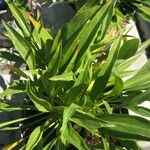
Lomelosia caucasica
Pincushion-flower · Caucasian Scabious
Description
Source: leafsnapLomelosia caucasica, commonly known as the Caucasian pincushion flower, is a perennial herbaceous plant belonging to the Dipsacaceae family. Native to the Caucasus region of Eastern Europe and Western Asia, this plant typically reaches a height of up to 60 cm. It features a basal rosette of lance-shaped leaves with serrated edges. The stem is erect and branched, culminating in small clusters of pink or purple flowers. The flowers, which bloom from June to August, are densely packed in spherical heads resembling pincushions. Each flower comprises five petals fused at their base to form a tube-like structure, with fringed lobes at the tips that give a delicate appearance. Lomelosia caucasica thrives in well-drained soils with full sun or partial shade and can tolerate drought conditions once established. It is popular as an ornamental plant due to its attractive flowers that attract bees, butterflies, and other pollinators. Traditionally, the plant has been used for its anti-inflammatory properties to help relieve pain caused by arthritis and other inflammatory conditions. However, medicinal use should always be conducted under medical supervision. Overall, Lomelosia caucasica is an appealing perennial herbaceous plant that adds vibrant color and beauty to gardens while offering potential medicinal benefits.
🌳 The charming pincushion flower is a popular choice for both cottage and urban gardens. It thrives in gravelly soil and serves as an attractive decorative plant along pathways and garden walls. Beyond its aesthetic appeal in the summertime, it attracts butterflies, making it an excellent addition to pollinator gardens.
Care Guide
💧 Water Every 7 days
The pincushion flower, native to the Caucasus region, thrives in well-drained soil with moderate moisture. For optimal health, it should be watered weekly. Its growth season typically aligns with the natural rainfall patterns, which helps reduce the need for additional watering in temperate gardens.
What's the difference between watering my Pincushion flower inside and outside?
The Pincushion flower is commonly grown indoors by gardeners who live in non-temperate and non-tropical regions. If you grow it indoors, keep in mind that the soil in a container dries out faster than ground soil. Also, if there are drying elements like air conditioning units, your Pincushion flower will need to be watered more frequently compared to if it was planted outside. If you plant it outside and receive regular rainfall, you may not need to water it much. However, if you grow it indoors, you'll need to water it more often since you can't rely on rainwater to soak the soil.
☀️ Light Full sun
Pincushion flower does best when it receives a generous amount of light each day, recreating the bright conditions of its native habitat. Too little sunlight can cause irregular flowering, while too much can burn the leaves and stunt growth.
What are the sunlight requirements for a Pincushion flower?
The Pincushion flower requires full sun, meaning it needs above 6 hours of sunlight daily to thrive. Observing how sunlight moves through your garden helps in choosing spots that provide the perfect balance of light and shade for your plants, ensuring their happiness. This balance is crucial as the Pincushion flower thrives with plentiful light every day, simulating the abundant illumination of its natural habitat. Insufficient sunlight leads to inconsistent blooming, while too much sun can cause scorched leaves and stunted growth.
How can I use artificial lighting for my indoor Pincushion flower?
Indoor Pincushion plants may require artificial lighting for optimal growth, especially in winter or less sunny spaces. LED lights are recommended because they provide specific wavelengths needed for plant growth. For full sun plants, 30-50W/sq ft of artificial light is necessary, partial sun plants require 20-30W/sq ft, and full shade plants need 10-20W/sq ft. Position the light source 12-36 inches above the plant, mimicking natural sunlight, and ensure it receives 8-12 hours of light per day.
What are the symptoms of light deficiency in Pincushion flowers?
Symptoms of light deficiency in Pincushion flowers include small leaves, leggy or sparse growth, faster leaf drop, slower or no new growth, lighter-colored new leaves, and various forms of damage from excessive sunlight such as chlorosis, sunscald, leaf curling, wilting, and leaf scorching. These signs indicate that the plant is either not receiving enough light or is exposed to too much direct sunlight, affecting its ability to photosynthesize and maintain overall health.
How can I adjust lighting conditions for my Pincushion flower?
To optimise growth, gradually move your Pincushion flower to receive at least 6 hours of direct sunlight daily. For indoor plants, use a south-facing window or consider artificial lighting if the plant is large or not easily movable, keeping the lights on for at least 8 hours daily. For outdoor plants, avoid sudden changes in light intensity to prevent sunburn. If natural light is obstructed, consider pruning or transplanting to a sunnier location. Note that parts of the plant affected by insufficient light may not recover, but new growth will be healthy after adjusting light exposure.
🌡️ Temperature 5–32.2°C
Pincushion flower is native to regions with moderate climates and prefers temperatures from 41 to 89.6 °F (5 to 32 ℃). For best growth, reproduce these temperatures throughout the seasons, adjusting as needed to avoid conditions that are too hot or too cold.
What is the native climate for the Pincushion flower?
The Pincushion flower, botanically known as Lomelosia caucasica, thrives in areas with moderate climates. It has an ideal temperature range of 41 to 89.6 °F (5 to 32 °C). To ensure optimal growth, it's important to replicate these temperature conditions throughout the different seasons, making adjustments as necessary to avoid excessively hot or cold environments.
Is the Pincushion flower cold resistant?
Yes, the Pincushion flower exhibits strong cold resistance, meaning it usually does not require special frost protection measures during the winter. Despite this, if winter temperatures are expected to plummet below -30°C, it's crucial to provide cold protection by covering the plant with insulating materials like soil or straw. Additionally, watering the plant abundantly before the first freeze in autumn is recommended to ensure the soil stays moist and frozen, which helps prevent drought and water scarcity for the plant during winter and early spring.
How does low temperature affect the Pincushion flower and how can these effects be mitigated?
While the Pincushion flower is cold-tolerant and thrives best when temperatures remain above 5°C, keeping it above -25°C during winter is advisable. Exposure to temperatures below -30°C may not show noticeable changes in winter, but can lead to decreased sprouting or no sprouting at all in spring. To mitigate these effects, any parts of the plant that have failed to sprout in spring should be removed.
What impact does high temperature have on the Pincushion flower and what are the solutions?
During summer, keeping the Pincushion flower below 32°C is optimal. Exposure to temperatures above 35°C can cause the leaves to lighten in color, curl, become prone to sunburn, and in severe cases, cause the entire plant to wilt and dry out. Solutions include trimming away sunburned and dried-up parts, moving the plant to a shaded area during midday and afternoon sun or using a shade cloth, and watering the plant in the morning and evening to maintain soil moisture.
💨 Humidity
🪴 Soil 6-7
🌱 Fertilizer
The best time to fertilize a Pincushion flower is in early spring, as it is coming out of dormancy and beginning active growth. Fertilizing supplies essential nutrients for healthy growth. Although the Pincushion flower has relatively low fertilizer needs, applying fertilizer annually can improve its survival and encourage better, longer-lasting blooms.
How do I give food to my Pincushion flower?
To fertilize a Pincushion flower, the most common method is to use granular or pellet fertilizer. It's important to apply the fertilizer as the plant transitions from winter dormancy to active growth in early spring. Wait for the plant to send shoots through the soil before applying the fertilizer. If you prefer using liquid fertilizer, dilute it with water before applying. Regardless of the type of fertilizer you choose, it's recommended to moisten the soil before, during, and after applying the fertilizer.
Why should I put fertilizer on my Pincushion flower?
Fertilization is important for the Pincushion flower because it provides essential nutrients for the plant's overall growth. Although the fertilization needs for a Pincushion flower are generally low, annual fertilization can be highly beneficial. It helps keep the plant alive and may also result in better and longer-lasting flowers. As a result, those who want their Pincushion flower to thrive should make sure to fertilize it annually.
When should I fertilize my Pincushion flower for the best results?
The best time to fertilize a Pincushion flower is in late winter to early spring when it is coming out of its dormant phase and starting to grow. Fertilizing during this time helps promote healthy growth and gives the plant a good start for the season. While early spring is the preferred time for fertilizing, it is also okay to fertilize in the fall. However, it is not recommended to fertilize during summer or winter.
When is the best time to not fertilize my Pincushion flower?
To avoid overfertilization and complications, it is recommended to only fertilize your Pincushion flower during late winter and early spring. One annual feeding during this time is sufficient. Fertilizing during spring, summer, and fall can easily lead to overfertilization. However, if you missed fertilizing in spring, it is permissible to feed the plant in fall. Additionally, there is no need to fertilize during the winter when the plant is in a dormant phase and not producing new growth.
What kind of plant food does my Pincushion flower need?
When choosing a fertilizer for Pincushion flowers, a general-purpose fertilizer with balanced nutrients is usually sufficient. However, there are specific nutrient blends that can provide even greater benefits. Many gardeners find that higher levels of phosphorus can promote stronger roots and more beautiful flowers. As a flowering plant, Pincushion flowers may benefit from a fertilizer with a higher phosphorus content. Whether you choose a granular or liquid fertilizer, just make sure it has plenty of nutrients. In addition to manufactured fertilizers, you can also consider organic options such as compost and manure to improve the soil for your Pincushion flowers. These materials can greatly contribute to creating a healthy growing environment.
🪴 Pot & Repot
✂️ Pruning
To ensure the pincushion flower thrives, it's important to prune it properly. This includes deadheading to encourage more blooms and cutting back the stems by one-third in early spring. Additionally, trimming any damaged parts later in the season supports healthy growth. Ideally, these tasks should be performed from early to late spring to enhance the plant's flowering and overall vitality.
🌿 Propagating
🐛 Diseases & pets
☠️ Toxicity
Characteristics
- Plant Type
- Herb
- Life Cycle
- Perennial
- Genus
- Lomelosia
- Family
- Caprifoliaceae
- Hardiness Zone
- 4-8
- Mature Height
- 46 cm to 61 cm
- Mature Spread
- 30 cm to 46 cm
- Leaf Color
- Green
- Leaf Type
- Deciduous
- Flower Color
- Lavender
- Flower Size
- 5.08 cm to 7.62 cm
- Bloom Time
- Late spring, Early summer, Mid summer
- Planting Time
- Spring, Autumn
- Harvest Time
- Mid summer
- Native Area
- Turkey, Iran, Armenia, Azerbaijan