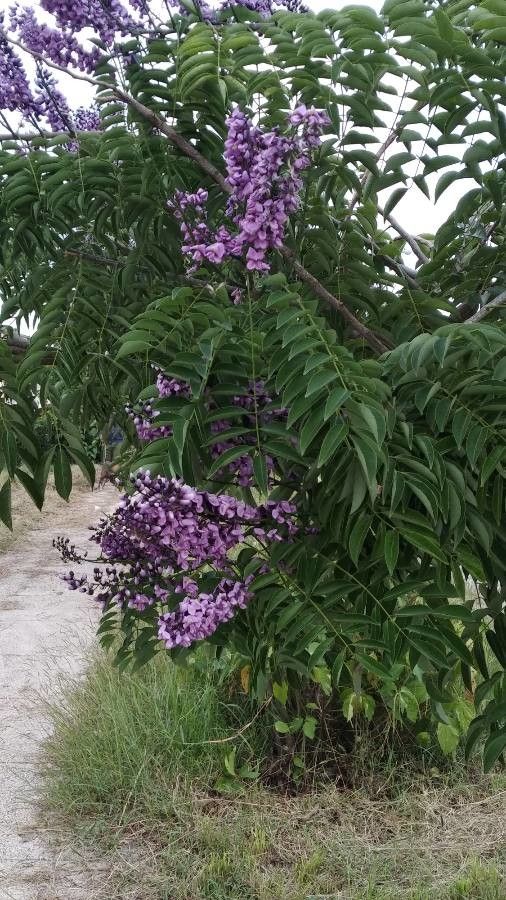
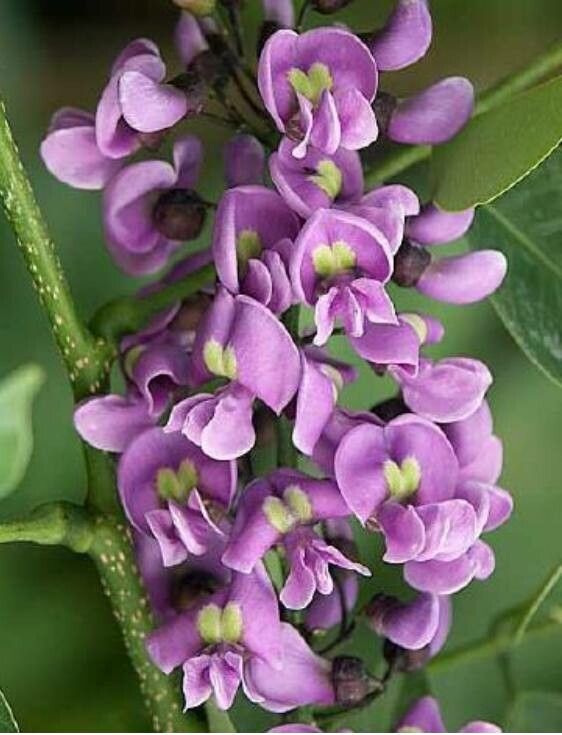
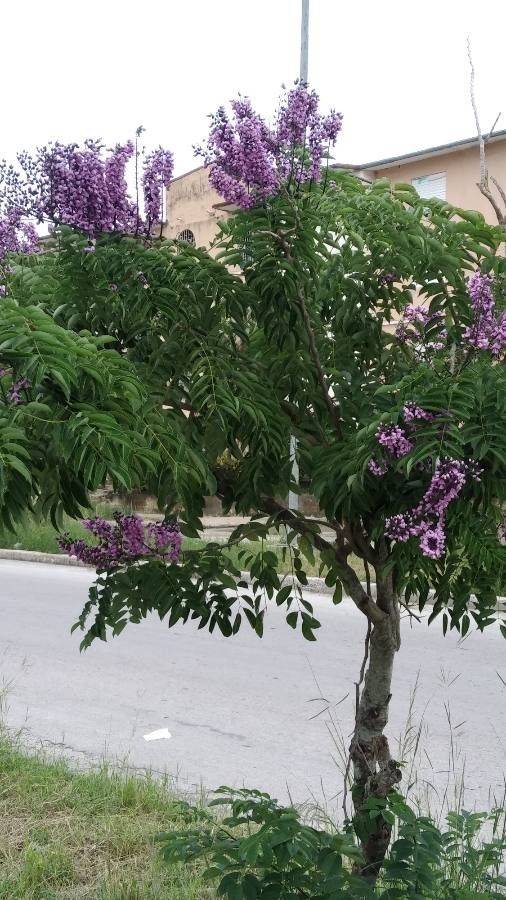
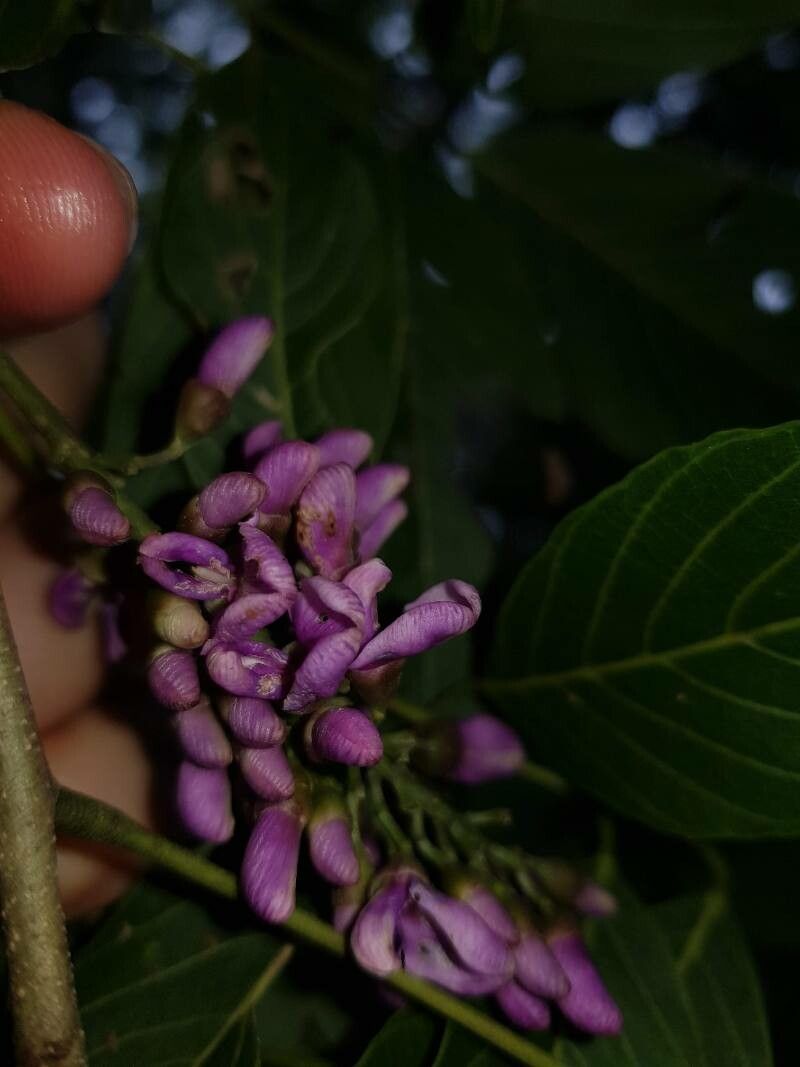
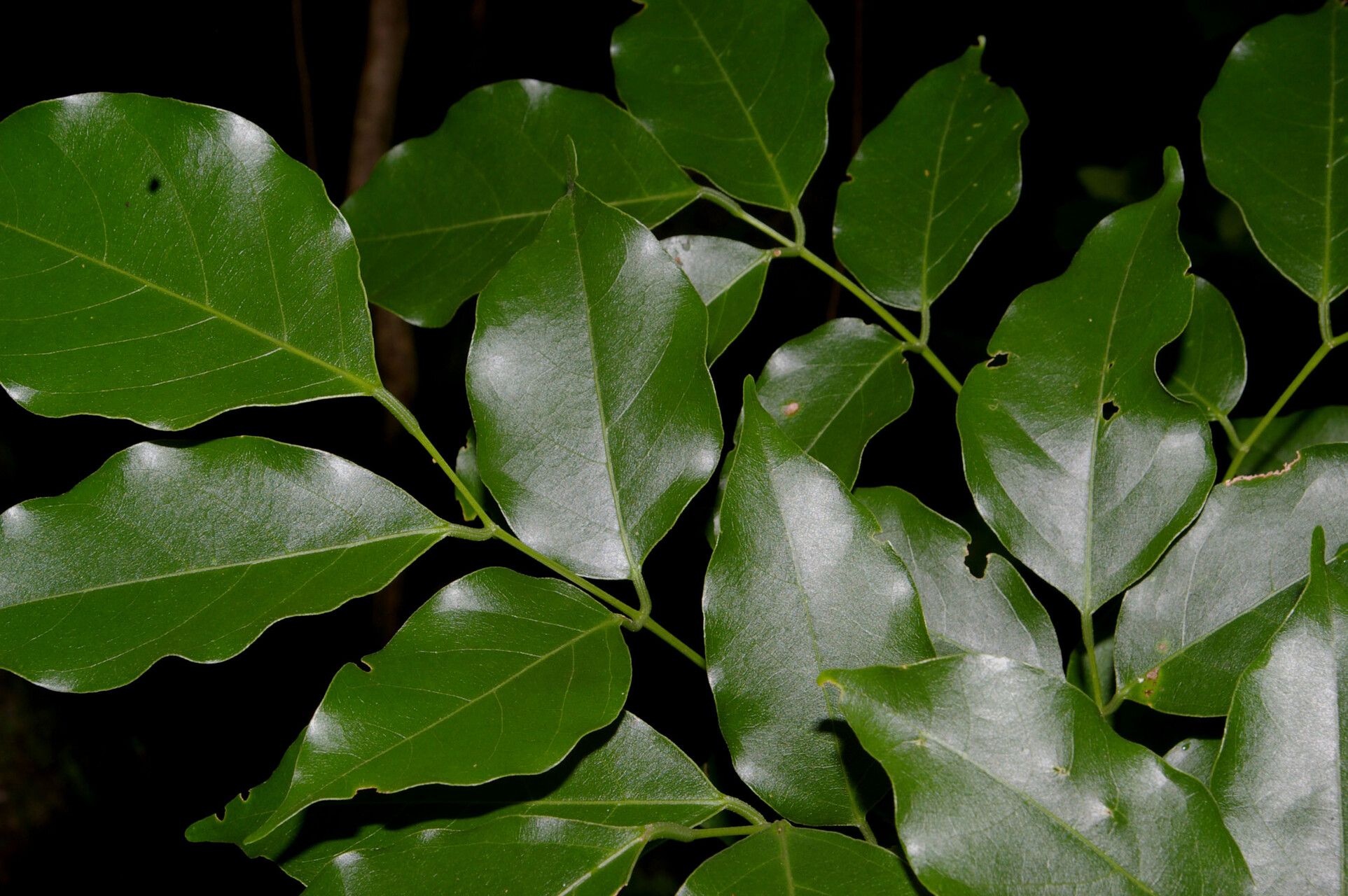
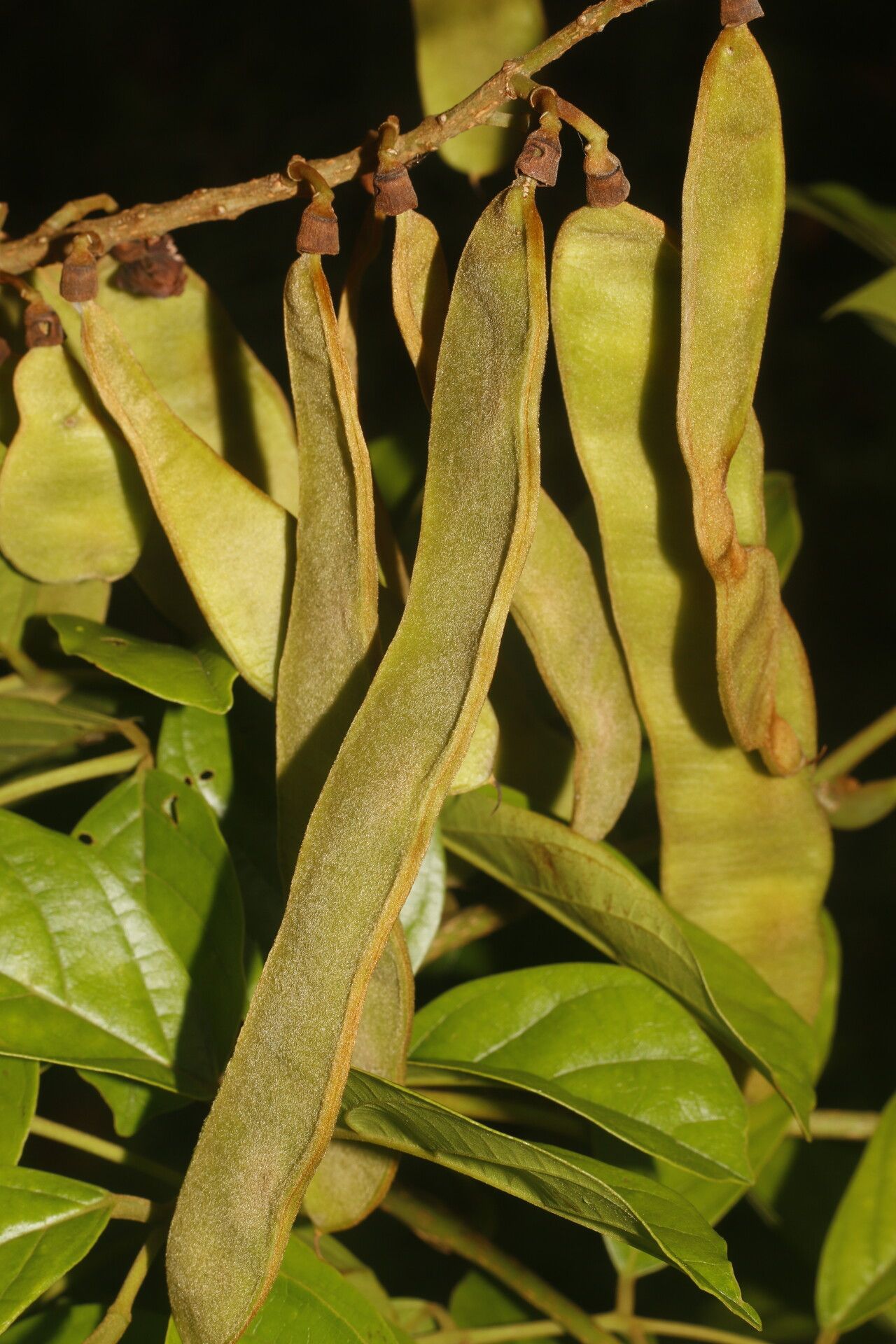
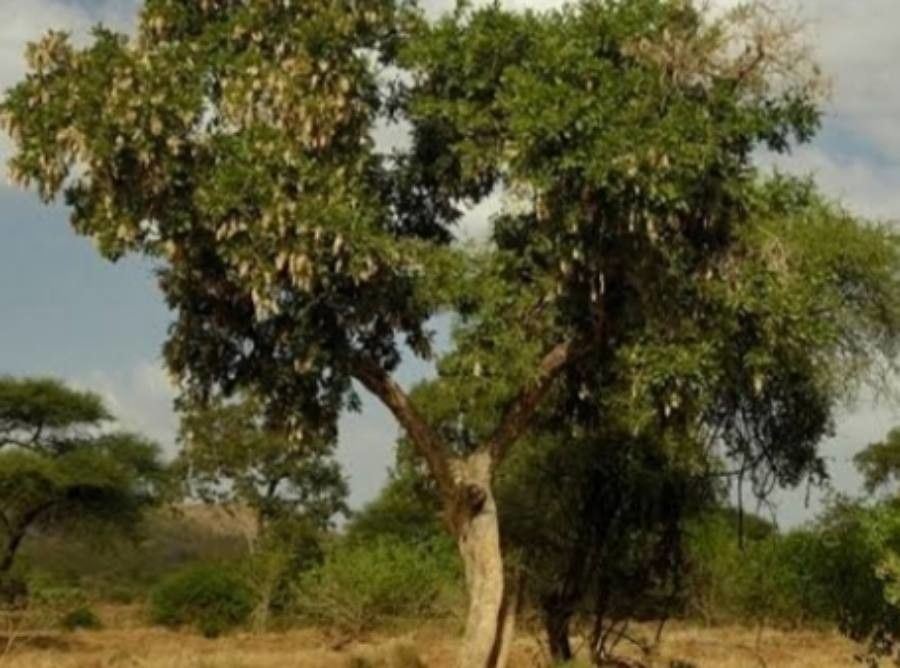
Lonchocarpus violaceus is a species of evergreen tree in the family Fabaceae. It is native to the Caribbean and northern South America. It has been introduced to Florida. Its names include lilac tree, greenheart, Spanish ash, and lancepod.According to some sources L. violaceus was used by the Maya peoples to produce the alcoholic beverage, balché. It is likely they are actually referring to L. longistylus which was once synonymized with L. violaceus.
Greenheart shows strong resistance to disease and is generally not susceptible to illnesses. Regarding care, this plant is fairly low-maintenance. When grown outdoors it needs minimal watering, and larger plants typically do not require pruning. Smaller plants, however, should be pruned after they have bloomed. Greenheartt is suitable for anyone with an outdoor area, such as a garden or deck, and does not require much care experience.
How to keep Lonchocarpus Violaceus.
Light
Greenheart originates in open habitats, such as sunny meadows and forest margins, which supply abundant light. It performs best in Full Sun yet can endure Partial Sun, adapting readily to a range of light conditions.
Water
Greenheart thrives in tropical rainforests, where it benefits from high humidity and regular rainfall. It prefers consistent moisture, needing to be watered twice a week. As an evergreen plant, greenheart retains moisture throughout the year. It often thrives best outdoors, where it can take advantage of natural rainfall.
Temperature
Greenheart comes from tropical areas, where the climate is generally warm and humid. As a result, it is well suited to high temperatures and humidity. It dislikes abrupt temperature changes and prefers a consistent thermal environment, so preventing temperature fluctuations indoors is important. It typically cannot tolerate cold and needs warmer temperatures to grow. If the surrounding temperature falls too low, the plant may stop growing or even perish.
Fertilizer
The best time to fertilize a Greenheart is in early spring when it comes out of dormancy. This encourages overall growth and flower development. Fertilizing improves the foliage, stems, and branches, and promotes large, vibrant, long-lasting flowers. It helps transfer nutrients from the roots to the flowers and enhances the plant's health and resistance to disease.
Pruning
Greenheart, known for its striking violet flowers, benefits from pruning in early spring. The key techniques for successful pruning involve removing dead branches, shaping the plant, and thinning to improve air circulation. These practices encourage healthy growth, give the plant a fuller appearance, and reduce disease risks, ensuring that the plant remains vibrant and vital.
Botanical profile.
- Plant Type
- Tree
- Life Cycle
- Perennial
- Genus
- Lonchocarpus
- Family
- Leguminosae
- Hardiness Zone
- 10-12
- Mature Height
- 10.06 m to 14.94 m
- Mature Spread
- 4.88 m to 7.92 m
- Leaf Color
- Dark Green
- Leaf Type
- Deciduous
- Flower Color
- Violet
- Flower Size
- 1.02 cm to 2.03 cm
- Bloom Time
- Summer
- Planting Time
- Spring, Summer, Autumn
- Harvest Time
- Late summer, Early fall, Mid fall
- Native Area
- Colombia, Venezuela
Other names.