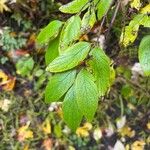
Lonicera canadensis
American Fly Honeysuckle · Canadian Fly Honeysuckle · Fly Honeysuckle · Canada Fly-honeysuckle
Description
Source: leafsnapLonicera canadensis, commonly known as American fly honeysuckle, is a deciduous shrub native to North America. Typically growing to a height of 1-2 meters, this plant features an upright form with arching branches. Its oval-shaped leaves are arranged in pairs along the stem, exhibiting a bluish-green color on the upper surface and a lighter green on the underside. The tubular flowers of Lonicera canadensis vary in color from yellowish-green to reddish-purple. Blooming from late spring through early summer, these flowers are highly attractive to pollinators, including bees, butterflies, and hummingbirds. In late summer or early fall, the shrub produces small red berries. While these berries are edible, their sour taste makes them less commonly consumed by humans. Lonicera canadensis prefers moist soils but can tolerate some drought once established. It thrives in both full sun and partial shade, making it an excellent addition to woodland gardens or naturalized areas. Overall, Lonicera canadensis is an attractive shrub that adds ornamental value while providing ecological benefits for pollinators.
Care Guide
💧 Water Every 7 days
American fly honeysuckle thrives in woodland environments, where it benefits from natural moisture cycles. While it is moderately drought-tolerant, watering it every three weeks is beneficial. As an adaptable outdoor plant, American fly honeysuckle enters dormancy during colder months, which significantly reduces its water requirements.
What is the best way to water my American fly honeysuckle?
To promote excellent root development, place a garden hose at the base of the plant. Avoid spraying the leaves directly, especially if they are outdoors and exposed to direct sunlight, as they will need more water. There are bubblers available that can be attached to each plant to moisten the roots. Soaker hoses are also a good option for watering the entire garden or bed, particularly when adding or removing plants to encourage deep root growth. Make sure to drain any excess water and wait for the soil to dry before watering again. Watering at ground level is recommended to prevent diseases. On a sunny day, consider spraying the entire bush with water. Whether your plants are in pots or in the ground, keep in mind that American fly honeysuckle prefers deep watering rather than light sprinkling.
How much water should I give my American fly honeysuckle plant?
The American fly honeysuckle typically needs about a gallon of water on a regular basis. If you have potted plants, it's best to water them deeply until you see water dripping from the bottom of the pot. Then, allow the soil to dry before watering again. To keep track of the amount of water you're giving your plant each week, you can use a water calculator or a moisture meter. During the flowering period, it's important to provide plenty of water, but allow the moisture to evaporate afterwards to avoid root rot. If you have planted the American fly honeysuckle outdoors in an area with sufficient rainfall, you may not need to water it additionaly. However, when the plant is young or newly planted, make sure it receives 1-2 inches of rain per week. As it continues to grow, it can rely on rainfall alone. Only in extremely hot weather or during prolonged periods without rain (2-3 weeks) should you consider fully watering the plant during cooler times of the day to prevent heat damage. Additional watering will be necessary during extended dry spells.
What should I do if I give too much or too little water to American fly honeysuckle?
If an American fly honeysuckle is overwatered, its leaves may turn yellow, drop off, and wilt. The plant may also appear dull and unhealthy with mushy stems. When these signs show up, it's best to adjust your watering schedule if possible. On the other hand, wilting can also indicate under watering. If the leaves become crispy and dry, it may be a sign of under watering, whereas overwatered leaves will be soft and wilted. If the soil is dry and simply watering is not enough, make sure to water thoroughly. While this will help the American fly honeysuckle recover, the plant may still have dry and yellow leaves for a few days due to the damaged root system. Once it returns to normal, the yellowing of leaves will stop. When growing the American fly honeysuckle indoors, always check the moisture levels of the pot and avoid overwatering. Look for signs of black spots, and if present, allow the soil to dry by refraining from watering for a few days. Overwatering can cause root rot, so transfer the plant to a different pot if you notice discolored and slimy roots. Preventing root rot is essential, so avoid making the soil too soggy. When planting the American fly honeysuckle outdoors, dig a little deeper and check the soil moisture with your fingers. If it is too dry, it may indicate underwatering, and adequate watering is necessary for the plant's recovery.
How often do I need to water my American fly honeysuckle plant?
The American fly honeysuckle prefers deep and infrequent watering. When planting them in pots, be sure to soak them with a gallon of water each time. Potted plants have limited water storage, so the soil tends to dry out quickly. In cold regions, watering is necessary every 3 to 5 days. Water the plant early in the morning when the soil is dry, whether it is indoors or outdoors. To determine if watering is needed, check the soil inside the pot. If the top 2-3 inches of soil are dry, it's time for a full watering. On hot days, check the moisture daily as the heat can rapidly dry out the soil in the pot. For garden plants, irrigation of the soil is necessary. In hot climates, watering once a week is recommended. Only water the plants when you notice that about 2-3 inches of soil have become too dry. Be mindful of rainfall as excessive watering can lead to root rot. American fly honeysuckle generally grows in spring and fall. Adding mulch about 3 to 4 inches deep when the plants are outdoors can help conserve water. Sandy soil drains faster, so plants in this type of soil may need more frequent watering. On the other hand, clay soil requires less watering, with intervals of 2-3 days to let the plant dry out and prevent root rot. Keep track of watering dates on a calendar and pay attention to drooping leaves, as they may indicate that watering is needed.
Do I need to change how often I water my American fly honeysuckle based on the time of year or the weather?
To maintain the health of your American fly honeysuckle, it's important to consider its watering needs throughout the different seasons. During the spring and fall growing seasons, keeping the soil moist but not overly wet is ideal. Alternating between dry and moist soil conditions will promote healthy growth. However, in the summer months, hot weather can lead to faster water evaporation, so you may need to water more frequently if rainfall is scarce. Generally, less water is required during the winter when the plant goes dormant and sheds its leaves. To facilitate quicker water evaporation, use a well-draining soil mixture like terracotta. Once the plant starts leafing out in the spring, you can skip watering as it relies on fall and winter rains to survive its dormant period. When the temperature rises, you can encourage growth and blooming by watering the plant more diligently, ensuring a deep soak at least once or twice a week, depending on the weather. Avoid shallow sprinkles that only reach the leaves, as they can promote fungal growth and may not reach the roots effectively. Even during dormancy, it's important to prevent the plant from drying out completely in the fall and winter. Additionally, be careful not to overwater, as sitting in water for too long can be detrimental, particularly during the winter months. Applying mulch can help reduce stress, conserve water, and promote healthy blooms.
☀️ Light Full sun
The American fly honeysuckle flourishes in places with plentiful sunlight, though it tolerates sites with only moderate light. Coming from sun-rich habitats, it has adjusted to different light levels during its growth. Excessive light can stress it, while too little light may hinder its development.
What are the sun requirements for American Fly Honeysuckle?
American Fly Honeysuckle requires full sun to partial sun, meaning it needs above 6 hours of sunlight for full sun exposure and about 3-6 hours for partial sun. It's essential to observe how sunlight moves through your garden to find spots that offer the right balance of light and shade to ensure the plant's well-being.
How does American Fly Honeysuckle adapt to different light conditions?
The American Fly Honeysuckle is adaptable to various light conditions due to its origin in sunny habitats. It thrives in areas with abundant solar exposure but can also cope with moderately lit environments. While the plant can handle some light variability, excessive sun or insufficient light might stress the plant, potentially stunting its growth or causing overexposure issues.
What solutions are available for inadequate lighting for indoor American Fly Honeysuckle plants?
For indoor plants struggling with insufficient natural sunlight, artificial lighting offers an effective solution. LEDs are recommended due to their customizable light wavelengths. For full sun plants, 30-50W/sq ft is ideal, 20-30W/sq ft for partial sun plants, and 10-20W/sq ft for full shade plants. Positioning the artificial light 12-36 inches from the plant best mimics natural sunlight. Most plants benefit from 8-12 hours of light per day to ensure optimal growth.
What are signs of light deficiency in American Fly Honeysuckle?
Symptoms of light deficiency in American Fly Honeysuckle include smaller new leaves, leggy or sparse growth, accelerated leaf drop, delayed or halted new growth, paler new leaves, chlorosis, sunscald, leaf curling, wilting, and leaf scorching. These signs indicate the plant is not receiving adequate sunlight, which is crucial for its health and development.
How can you address light deficiency issues in American Fly Honeysuckle?
To combat light deficiency, gradually acclimate your plant to receive at least 6 hours of sunlight daily, utilizing a south-facing window for indoor plants. For those large or hard to move, consider using artificial grow lights for a minimum of 8 hours per day. Outdoors, move plants progressively to sunnier spots and prune obstructions like tree branches to enhance sunlight exposure. If moving smaller plants, do so during their dormant period for the best outcome. Note that while parts of the plant damaged by light deficiency may not recover, new growth should be healthy with improved light conditions.
🌡️ Temperature 0–32.2°C
American fly honeysuckle is native to habitats where temperatures range from 32 to 89.6°F (0 to 32°C). It favors milder climates. In winter it tolerates cold, although protection against severe frost is recommended.
What is the native environment of the American fly honeysuckle?
The American fly honeysuckle (Lonicera canadensis) is native to environments where temperatures range from 32 to 89.6°F (0 to 32°C). It thrives in milder climates and is highly cold-tolerant, making it well-suited to withstand winter's cold without needing extreme frost protection. However, it's beneficial to water it generously before the first freeze in autumn to keep the soil moist and help prevent drought and water scarcity during winter and early spring.
How does low temperature affect American fly honeysuckle?
While the American fly honeysuckle is extremely tolerant to cold, maintaining winter temperatures above -35°C is crucial. Should the temperature dip below this threshold, there may not be immediate noticeable effects during the winter, but come spring, the plant's branches might become brittle, dry, and unable to produce new shoots. To mitigate this, it's advised to prune away any dead branches that failed to produce new leaves in the spring.
What should be done if the American fly honeysuckle is exposed to high temperatures?
American fly honeysuckle struggles in high temperatures, particularly when the thermometer climbs above 32°C, leading to significant leaf drop, and in severe cases, the plant may wither and die. To combat this, trim away sunburned and dried-up parts and consider moving the plant to a shaded area, especially away from the midday and afternoon sun. Using a shade cloth can also be effective. Ensure the plant is watered in the morning and evening to keep the soil moist and prevent further stress.
💨 Humidity
🪴 Soil 6-7
🌱 Fertilizer
Timing is essential for fertilizing American fly honeysuckle. Apply fertilizer in early spring and continue monthly until early summer. Fertilizer encourages attractive blooms and supplies energy during both dormancy and active growth phases.
🪴 Pot & Repot Every 12 months
✂️ Pruning
The American fly honeysuckle is characterized by its delicate yellow flowers and vibrant red berries. For optimal health, prune in early spring to remove any dead or damaged branches and to improve air circulation. This trimming encourages healthy growth, abundant flowering, and helps deter diseases and pests. With regular maintenance, the American fly honeysuckle remains vigorous and attractive.
🌿 Propagating
🐛 Diseases & pets
☠️ Toxicity
Characteristics
- Plant Type
- Shrub
- Life Cycle
- Perennial
- Genus
- Lonicera
- Family
- Caprifoliaceae
- Hardiness Zone
- 3-7
- Mature Height
- 0.61 m to 1.22 m
- Mature Spread
- 1.52 m to 1.83 m
- Leaf Color
- Green, Dark Green
- Leaf Type
- Deciduous
- Flower Color
- White
- Flower Size
- 2.54 cm
- Bloom Time
- Early spring, Mid spring
- Planting Time
- Spring, Summer, Autumn
- Harvest Time
- Early summer, Mid summer