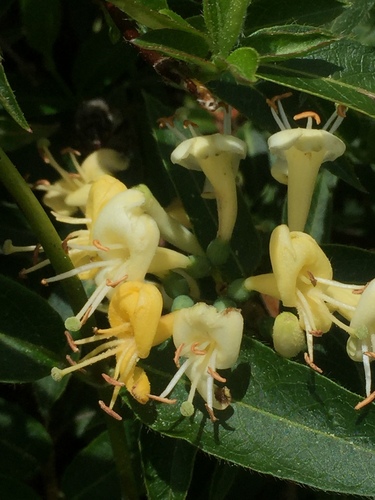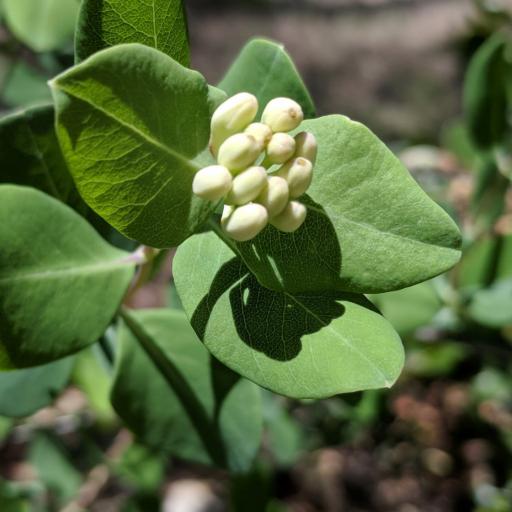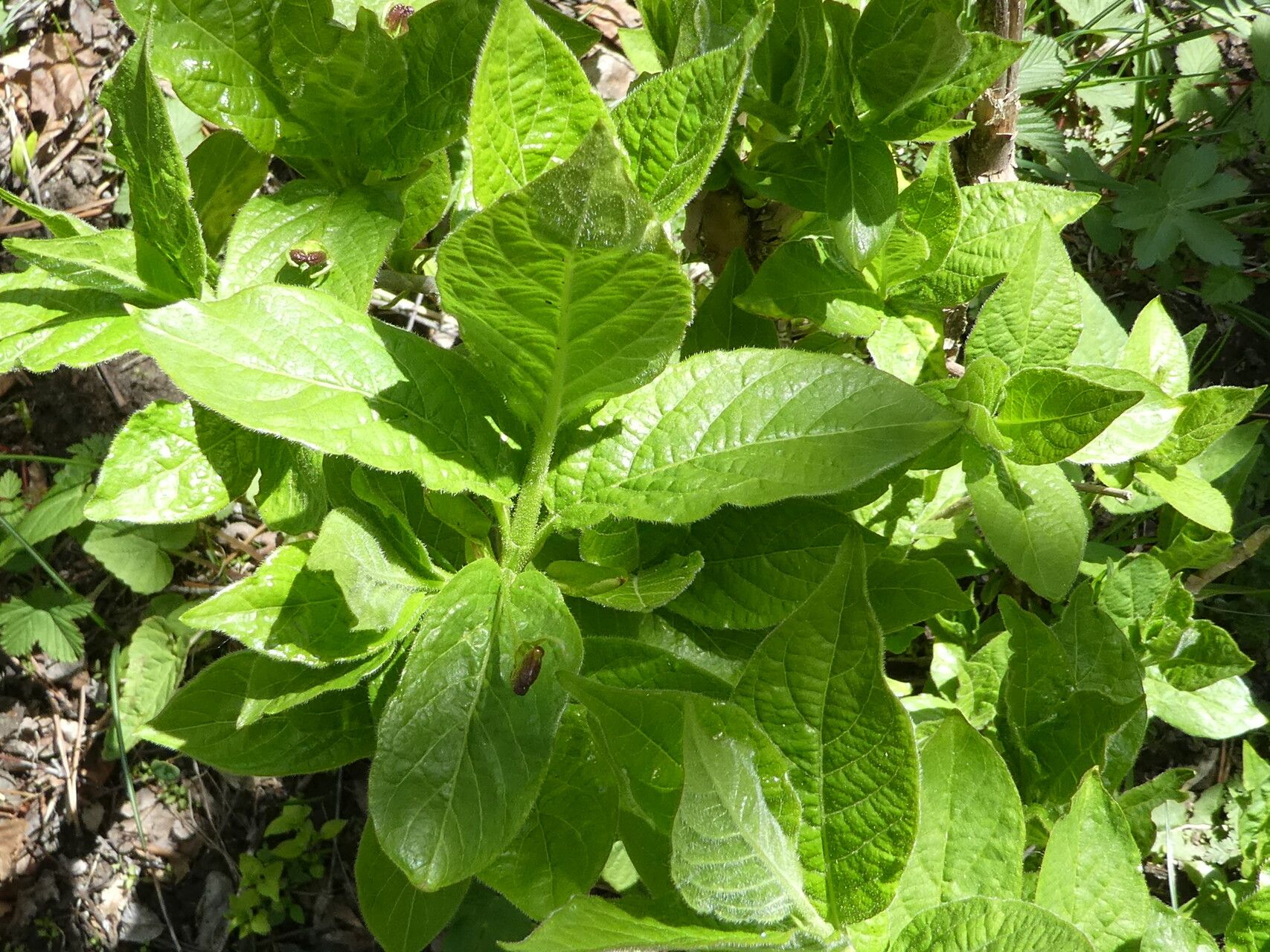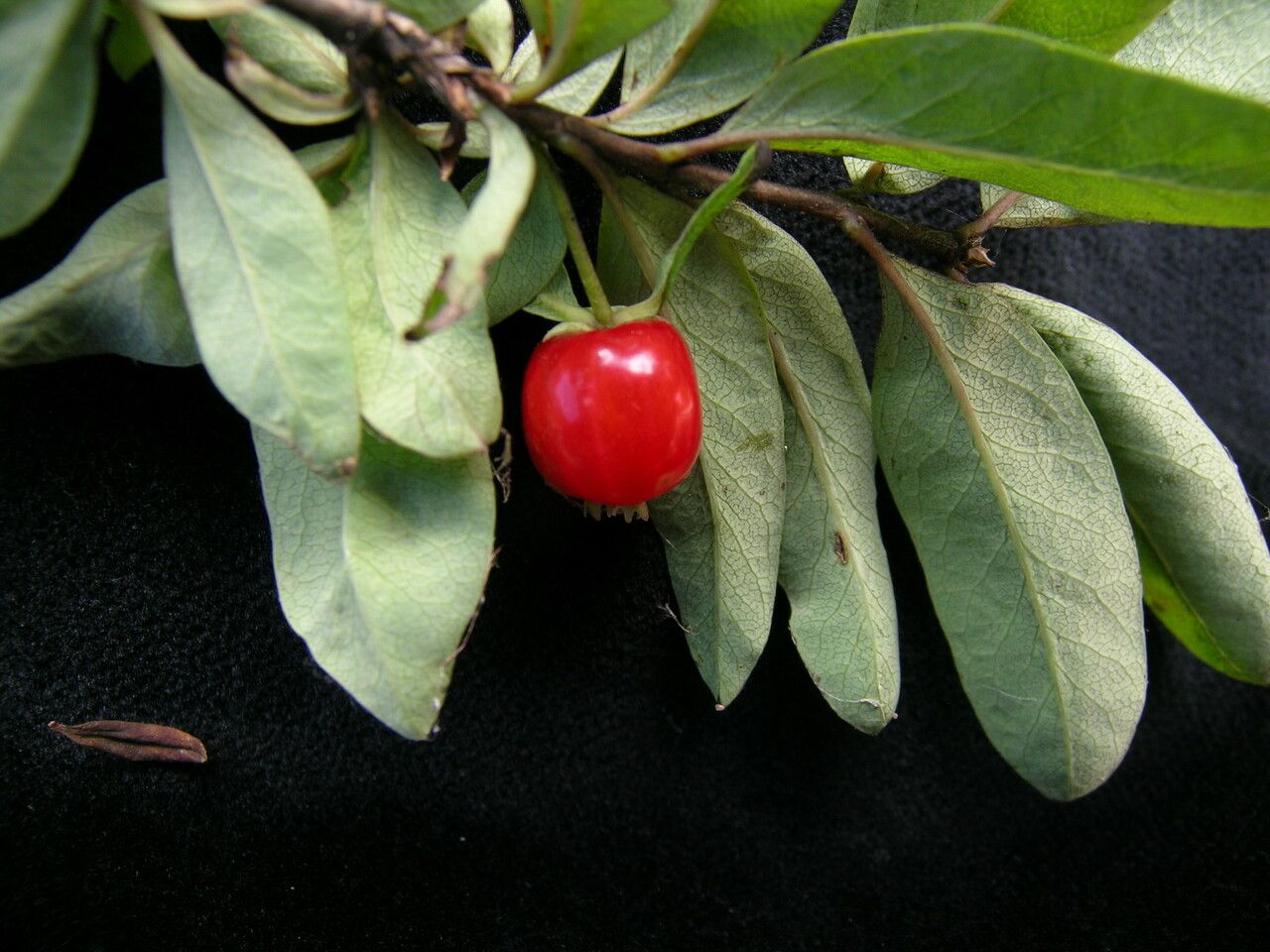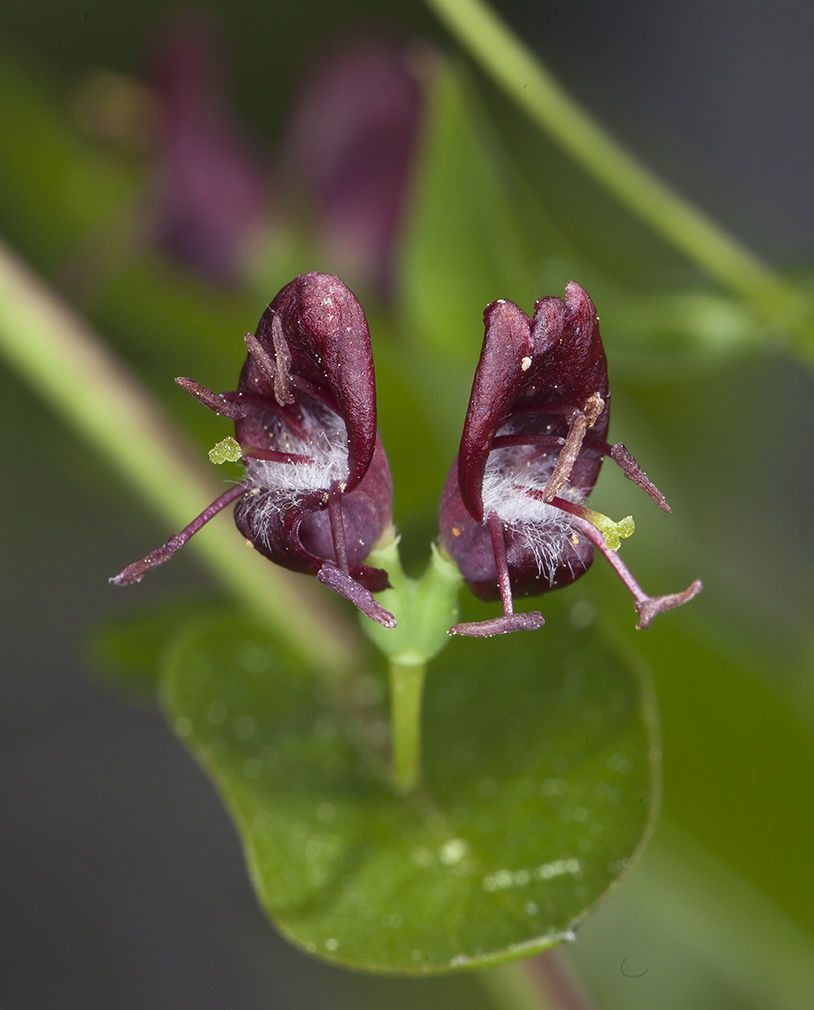
Lonicera conjugialis, commonly known as Southern honeysuckle, is a deciduous climbing vine native to the southeastern United States. Belonging to the Caprifoliaceae family, this plant can grow up to 20 feet in length. Its oval-shaped leaves are dark green and can reach up to 3 inches long. The flowers of Lonicera conjugialis are tubular and vary in color from yellowish-white to pinkish-red. They bloom from late spring through early summer and emit a sweet fragrance that attracts pollinators such as bees, butterflies, and hummingbirds.
Southern honeysuckle prefers moist soils with good drainage but can tolerate a variety of soil types, including sandy and clay soils. It thrives in full sun or partial shade and requires support, such as trellises or fences, for climbing.
The plant has been used for medicinal purposes by Native Americans for centuries due to its anti-inflammatory properties, which help alleviate pain caused by arthritis, sore throat, and fever, among other ailments.
Overall, Lonicera conjugialis is an attractive ornamental plant with beautiful flowers that not only add aesthetic value but also provide ecological benefits by attracting pollinators.
How to keep Lonicera Conjugialis.
Water
To properly care for your purple-flower honeysuckle, regularly check the soil moisture to determine its watering needs. Water the plant if the soil feels dry, but be careful not to let water accumulate. During the summer, increase the frequency of watering, and in the winter, reduce it. After pruning, water the plant every 3 to 5 days. It's best to use rainwater instead of tap water, as this helps prevent soil compaction and promotes healthy root growth.
Fertilizer
To plant purple-flower honeysuckle, start by using a base fertilizer designed for garden growth. If you are planting in pots, apply a low-concentration, water-soluble organic fertilizer every 15 to 20 days during spring and summer. When buds begin to appear, mix in a fertilizer rich in phosphorus and potassium to boost blooming and improve flower quality.
Pruning
To maintain healthy purpleflower honeysuckle, it's essential to prune it annually. The best time for pruning is in early spring, before new growth begins. When pruning, focus on removing any dead or damaged branches. Also, thin out crowded areas to improve air circulation, and shape any overgrown stems. Regular pruning not only encourages better flowering but also promotes the plant's vigor and makes it easier to manage in the garden.
Botanical profile.
- Plant Type
- Shrub
- Genus
- Lonicera
- Family
- Caprifoliaceae
- Mature Height
- 61 cm to 2 m
Other names.
Reader questions.
What are the sun requirements for Purpleflower Honeysuckle (Lonicera conjugialis)?
Purpleflower Honeysuckle (Lonicera conjugialis) thrives in various sunlight conditions. To ensure its happiness and healthy growth, it requires full sun, which means the plant should receive above 6 hours of sunlight daily. Alternatively, it can also grow well in partial sun, where it would get about 3-6 hours of sunlight. When planting, it's important to observe how sunlight moves through your garden to find spots that offer the ideal mix of light and shade suited to the needs of this plant.
What is the botanical name of Purpleflower honeysuckle?
The botanical name of Purpleflower honeysuckle is Lonicera conjugialis.