Lonicera fragrantissima
Fragrant honeysuckle · Winter honeysuckle · Honeysuckle · January jasmine · Bush honeysuckle
Description
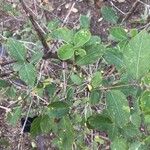
Source: leafsnapLonicera fragrantissima is a species of flowering plant in the honeysuckle family Caprifoliaceae, known by the common names winter-flowering honeysuckle, fragrant honeysuckle, kiss-me-at-the-gate, and sweet breath of spring. It is native to China and has been an introduced species to other parts of the world. It was brought to the attention of western gardeners by Scottish plant hunter Robert Fortune, who was plant hunting in China for the Royal Horticultural Society. Fortune introduced Lonicera fragrantissima to England in 1845, and a few years later it was introduced to the United States. In 1853 the editor of American gardening magazine The Horticulturist wrote that the previous year he had been sent a specimen from a plant that had been flowering in the gardens of Hatfield House, the Marquess of Salisbury's stately home in Hertfordshire. The first mention of a specimen for commercial sale in an American plant catalogue is in 1860.The honeysuckle is used as an ornamental plant for its fragrant flowers. In some parts of the world, where conditions are right, when it moves out of cultivation and takes hold in the wild, it can become an invasive weed.This honeysuckle, a species of "bush honeysuckle", is a shrub usually growing 1 to 3 metres (3.3 to 9.8 ft) tall, sometimes reaching a maximum height around 4.6 metres (15 ft). When mature it is a bushy tangle of slender, spreading branches. The leaves are up to 9 centimetres (3.5 in) long by 4.5 centimetres (1.8 in) wide. The flowers, borne in pairs, are each about 1 centimetre (0.39 in) long. They are white to "creamy white" in color. They are very fragrant, with a "lemony" scent. The fruit is a red berry up to a centimeter wide. The seeds are dispersed by animals that eat the fruits. The seeds must be stratified before they will germinate.This plant, considered a "harbinger of spring", is grown for ornamental purposes and as a hedge. It can be found growing in the wild in parts of the eastern United States from Ohio to New York to the southeastern states. It has also been observed in Utah.
🌳 Although it is better known for its ornamental use, the winter honeysuckle's strong scent also places it within the small but appealing field of perfumery. Extracts from the plant are sometimes used to make custom, naturally scented products. The flowers of winter honeysuckle, often missed by casual passersby, can yield an essential oil with a sweet, lemon-like aroma that is prized in boutique perfumery.
🎭 Benevolence
Care Guide
💧 Water Every 7 days
Winter honeysuckle grows best in well-drained soil with a moderate amount of moisture. It can adapt to periods of low rainfall by going dormant. To care for this plant, water it every three weeks, making sure to let the soil dry out between waterings to prevent root rot. While winter honeysuckle enjoys natural rain when grown outdoors, it may require extra watering during dry spells.
How frequently should I water my Winter honeysuckle plant?
The Winter honeysuckle thrives with deep and infrequent watering. If they are planted in pots, be sure to soak them with a gallon of water each time, as the limited water storage in pots causes the soil to dry out faster. In cold regions, watering should be done every 3 to 5 days. It is best to water them early in the morning when the soil is dry, whether they are indoors or outdoors. You can also check the soil moisture by feeling it. When the top 2-3 inches of soil feels dry, it's time for a thorough watering. During hot days, check the moisture level daily, as the heat can quickly dry out the soil in the pot. For garden plants, irrigation is necessary. In hot climates, watering once a week is sufficient. Only water when you notice that about 2 to 3 inches of soil has become too dry, both indoors and outdoors, while considering the amount of rainwater received to avoid overwatering and root rot. If there is abundant rainfall, additional watering might not be necessary. Winter honeysuckles tend to grow in spring and fall. When planted outdoors, adding 3 to 4 inches of mulch is recommended to retain moisture. Sandy soil requires more frequent watering due to its fast drainage, while clay soil needs less frequent watering to prevent root rot. Keeping track of watering dates on a calendar can help determine if a plant is thirsty. Drooping leaves may indicate that watering is needed soon.
Do I need to change how often I water my Winter honeysuckle based on the time of year or the weather?
The Winter honeysuckle needs to be watered outdoors, preferably with rainwater, unless the weather is consistently dry. During the spring and fall, the soil should be kept moist but not overly wet, alternating between dry and moist conditions will promote healthy growth. In the summer, hot weather and lack of rainfall may cause the soil to dry out quickly, so you may need to water more frequently to keep it moist. During the winter, the Winter honeysuckle requires less water, especially when it goes dormant and loses its leaves. Using a well-draining soil mixture, like terracotta, will help the water evaporate faster. Once the plant starts leafing out in the spring and goes dormant, you can stop watering altogether, as it can rely on fall and winter rains to survive. In colder months, ensure good drainage to avoid ponding or drought. When planted in pots, the Winter honeysuckle has limited root growth, so keep them well-watered, especially in summer. Deep soaking the root system once or twice a week, depending on the weather, is ideal. Avoid shallow sprinkles that only wet the leaves, as this promotes fungi growth and does not reach the roots. Even in dormancy, don't let the Winter honeysuckle dry out completely in fall or winter. Excessive water can also be harmful, so make sure the soil drains well, especially during winter to prevent plant death. Applying mulch is beneficial to reduce stress, conserve water, and encourage healthy blooms.
How should I water my Winter honeysuckle?
To ensure excellent root development, place a garden hose at the base of the plant. Avoid spraying the leaves directly, especially if the plant is exposed to direct sunlight outdoors, as the leaves will need more water. Alternatively, you can use bubblers to moisten the roots of each plant. Soaker hoses are also beneficial for watering the entire garden or bed, particularly when adding or removing plants to encourage deep root growth. After watering, drain any excess water and allow the soil to dry before watering again. To prevent diseases, water at ground level rather than spraying the foliage. On sunny days, it may be beneficial to spray the entire plant. Whether the Winter honeysuckle is potted or in the ground, remember that it prefers deep watering rather than light sprinkling.
What should I do if I give too much or too little water to Winter honeysuckle?
Overwatering a Winter honeysuckle can cause yellow leaves to drop off and wilt, making the plant appear dull and unhealthy with mushy stems. When these signs appear, it is best to adjust your watering schedule. On the other hand, wilting can also be a sign of under watering, indicated by crispy and dry leaves. In such cases, check the soil moisture and give it a thorough watering when dry. However, even with enough water, the damaged root system may still result in dry and yellow leaves. When the plant returns to normal, the yellowing will stop. If you have a Winter honeysuckle indoors, always check moisture levels and avoid overwatering. Look out for black spots, and if present, let the soil dry by refraining from watering for a few days. Overwatering can lead to root rot, so consider transferring the plant to a different pot if you see discolored and slimy roots. When planting the Winter honeysuckle outdoors, ensure the soil is adequately watered to aid in its recovery.
How much water should I give my Winter honeysuckle?
To care for Winter honeysuckle, here are some watering guidelines: For potted plants, water them deeply until you see water dripping from the bottom of the pot. Then, allow the soil to dry out before watering again. You can use a water calculator or a moisture meter to track how much water you give the plant each week. During the flowering period, provide ample water but allow the moisture to evaporate afterwards to avoid root rot. If you have planted Winter honeysuckle outdoors and there is sufficient rainfall, it may not need additional watering. However, when the plant is young or newly planted, ensure it receives 1-2 inches of rain per week. As the plant matures, it can rely solely on rainfall. Only when the weather gets extremely hot or there has been no rain for 2-3 weeks, consider giving the plant a thorough watering during the cooler part of the day to prevent heat damage. Extra watering will be necessary during extended dry periods.
☀️ Light Full sun
Winter honeysuckle prefers strong sunlight and does well in locations with moderate sun exposure. For healthy growth, the plant needs ample sun, although a bit of shade can be tolerated. Native to areas with plentiful daylight, it can suffer in deep shade, resulting in reduced flowering and growth.
What are the sunlight requirements for Winter Honeysuckle?
Winter Honeysuckle (Lonicera fragrantissima) thrives in areas that receive robust exposure to sunlight. It prefers locations that ensure excessive sun exposure for healthy growth, although it can tolerate slight shades. Typically, plants in this category require full sun, which translates to above 6 hours of direct sunlight daily, or partial sun, being about 3-6 hours of sunlight. It's essential to observe how sunlight traverses your garden throughout the day to pick spots offering the ideal mix of light and shade, thereby guaranteeing your plants' well-being.
Can Winter Honeysuckle grow with artificial lighting?
Yes, Winter Honeysuckle can grow with artificial lighting, especially when natural sunlight is not enough. This is particularly useful in winter or in areas within the home that do not receive sufficient sunlight. Artificial lights, like LEDs, are beneficial as they can mimic the specific light wavelengths needed by plants. For healthy growth under artificial lighting, full sun plants require 30-50W per square foot, partial sun plants need 20-30W per square foot, and full shade plants require 10-20W per square foot. The light source should ideally be placed 12-36 inches above the plant, emulating the natural sunlight angle and duration which is typically 8-12 hours per day depending on the species.
What are the signs of insufficient light in Winter Honeysuckle?
When Winter Honeysuckle does not receive adequate sunlight, it may show several signs indicating light deficiency. Common symptoms include smaller new leaves, leggy or sparse growth, faster leaf drop, slower or halted new growth, and leaves that are lighter in color or display irregular color patterns due to insufficient chlorophyll. In extreme cases of light inadequacy or overexposure, conditions such as chlorosis (leaves turning yellow), sunscald (damaged leaves from intense exposure), leaf curling, wilting, and leaf scorching can occur, negatively impacting the plant's health and development.
How can I address light-related issues in Winter Honeysuckle?
To combat light-related issues in Winter Honeysuckle, consider gradually moving your plants to sunnier locations to ensure they receive at least 6 hours of direct sunlight daily. If the plant is indoors and not easily movable or is quite large, using artificial light sources like desk lamps or professional grow lights for a minimum of 8 hours a day can provide additional necessary light. For outdoor plants, it's crucial to make light intensity changes gradually to avoid sunburn. Additionally, reducing obstructions such as pruning trees or relocating the plant can increase sunlight exposure. However, take note that parts of the plant already damaged by insufficient light might not recover, but new growth should be healthy following the adjustments.
🌡️ Temperature 0–32.2°C
Winter honeysuckle does best at temperatures from 32 to 90 °F (0 to 32 °C), matching the climate of its natural habitat. In periods of excessive heat or cold, adjust temperatures to this range to replicate its preferred conditions.
What is the optimal temperature range for Winter Honeysuckle?
Winter honeysuckle, known botanically as Lonicera fragrantissima, thrives best in a temperature range of 32 to 90°F (0 to 32°C). This range matches the climate of its natural habitat. To simulate these preferential conditions, it is advisable to adjust the surrounding temperature accordingly during the hotter and cooler seasons. Winter honeysuckle exhibits strong cold resistance, eliminating the need for special frost protection measures in most cases. However, in circumstances where winter temperatures are expected to plummet below -35°C, it becomes crucial to implement cold protection by wrapping the trunk and branches with insulating materials like non-woven fabric or cloth. Additionally, to combat potential drought and water scarcity during winter and early spring, it is recommended to water the plant generously before the first freeze of autumn, making sure the soil remains moist as it enters a frozen state.
How does Winter Honeysuckle react to low temperatures?
Winter honeysuckle is remarkably tolerant to cold, ideally requiring temperatures to remain above 0°C for optimal growth. Despite its resilience, when temperatures fall below -35°C, the plant may not show immediate distress during winter; however, by spring, its branches might become brittle, dry out, and fail to produce new shoots. Should this occur, the advised course of action is to prune away any dead branches that haven't sprouted new leaves during the spring, to encourage healthy new growth.
What are the effects of high temperatures on Winter Honeysuckle and how can they be mitigated?
During the summer months, it is crucial to ensure that the Winter honeysuckle's surrounding temperature does not exceed 32°C. Exposure to temperatures above 35°C can cause the plant's leaves to lighten in color and the tips to become dry and withered, increasing its vulnerability to sunburn. To mitigate these effects, it is recommended to trim away any sunburned or dried parts of the plant. Additionally, relocating the plant to an area with shade—particularly from the midday and afternoon sun—or employing a shade cloth can prove beneficial. To further protect the plant, ensure the soil remains moist by watering in the morning and evening.
💨 Humidity
🪴 Soil 6-7
🌱 Fertilizer
Timing is vital for fertilizing Winter honeysuckle. Begin fertilizing in early spring and continue once a month until early summer. Fertilizer encourages attractive blooms and supplies energy during both dormant periods and active growth.
Why is it necessary to put fertilizer on my Winter honeysuckle plant?
To help your Winter honeysuckle thrive and produce beautiful blooms, it's important to fertilize it. By fertilizing in early spring, you can ensure that your Winter honeysuckle will have excellent flowers during that season. Additionally, fertilizing provides your Winter honeysuckle with the energy it needs to store in the ground during periods of dormancy. By providing extra nutrients during fall planting or late spring, you can help your Winter honeysuckle store more energy to use when it resumes active growth.
When should I fertilize my Winter honeysuckle?
To ensure effective fertilization of Winter honeysuckle, it is important to consider timing. If fertilizer is applied too early while the plant is still dormant, it will not be effective and will simply be washed away by rainwater, resulting in waste and pollution. The ideal time for the first fertilizer application is early spring. After that, continue fertilizing once a month until early summer.
When should I not fertilize my Winter honeysuckle?
To ensure the best growth and blooming of Winter honeysuckle, it's important to be mindful of the fertilizer used. Too much nitrogen can result in an abundance of leaves but fewer blooms, so opting for a fertilizer with a lower nitrogen content compared to other nutrients is advisable. It's recommended to refrain from fertilizing after early autumn, as this can lead to excessive growth right before winter. Moreover, it's crucial to avoid fertilizing Winter honeysuckle during hot and dry periods since dry soil does not effectively deliver fertilizer, and stimulating growth during this time may require additional water that may not be available. It's best to apply fertilizer earlier in the season when temperatures are cooler. Lastly, be cautious about inadvertently providing Winter honeysuckle with double-doses of fertilizer, as it can absorb fertilizer applied to nearby plants or lawns.
What kind of plant food should I use for my Winter honeysuckle?
When fertilizing Winter honeysuckle, it is best to use a fertilizer with a balanced mix of nutrients, with slightly higher levels of phosphorus. Another option is to improve the soil with organic materials like compost, worm castings, and manure. Experienced gardeners often add water-soluble fertilizers containing phosphorus when the flower buds start to appear, promoting better flower development and longer blooms. Fertilizers can come in various forms, but liquid or powdered fertilizers tend to work well for Winter honeysuckle. Whichever type you choose, be sure to dilute it and apply while watering the plant.
How should I add fertilizer to my Winter honeysuckle?
To ensure proper fertilization for your Winter honeysuckle, it's crucial to follow the instructions for the specific fertilizer you're using and conduct research on how to apply it. Be careful not to over-fertilize, as it can be harmful. To determine the right amount, consider the tree's age or trunk diameter. A general guideline is to use one-tenth of a pound of fertilizer per year or per inch of trunk, up to a maximum of one pound. Granular fertilizers and organic options like blood meal should be sprinkled from the base of the tree to the drip line, avoiding any contact with the trunk. These substances will gradually decompose and enter the soil, providing nourishment to the roots. After fertilizing, apply a one-inch layer of compost around the tree's base and water thoroughly.
🪴 Pot & Repot
✂️ Pruning
To keep your winter honeysuckle healthy and vibrant, it's best to prune it after it flowers in late spring. During this time, remove any dead wood, thin out crowded branches, and cut back stems to encourage new growth. This practice not only improves the plant's health and vigor but also enhances its blooming and helps maintain its shape. Be sure to use clean, sharp tools to avoid damaging the plant and to keep it attractive throughout the year.
🌿 Propagating
🐛 Diseases & pets
☠️ Toxicity
Characteristics
- Plant Type
- Shrub
- Life Cycle
- Perennial
- Genus
- Lonicera
- Family
- Caprifoliaceae
- Hardiness Zone
- 3-8
- Mature Height
- 0.91 m to 3.05 m
- Mature Spread
- 1.83 m to 3.05 m
- Leaf Color
- Green, Blue
- Leaf Type
- Deciduous
- Flower Color
- White
- Flower Size
- 2.54 cm
- Bloom Time
- Early spring, Mid fall, Late fall, Winter
- Planting Time
- Spring, Autumn
- Harvest Time
- Mid spring, Late spring, Early summer