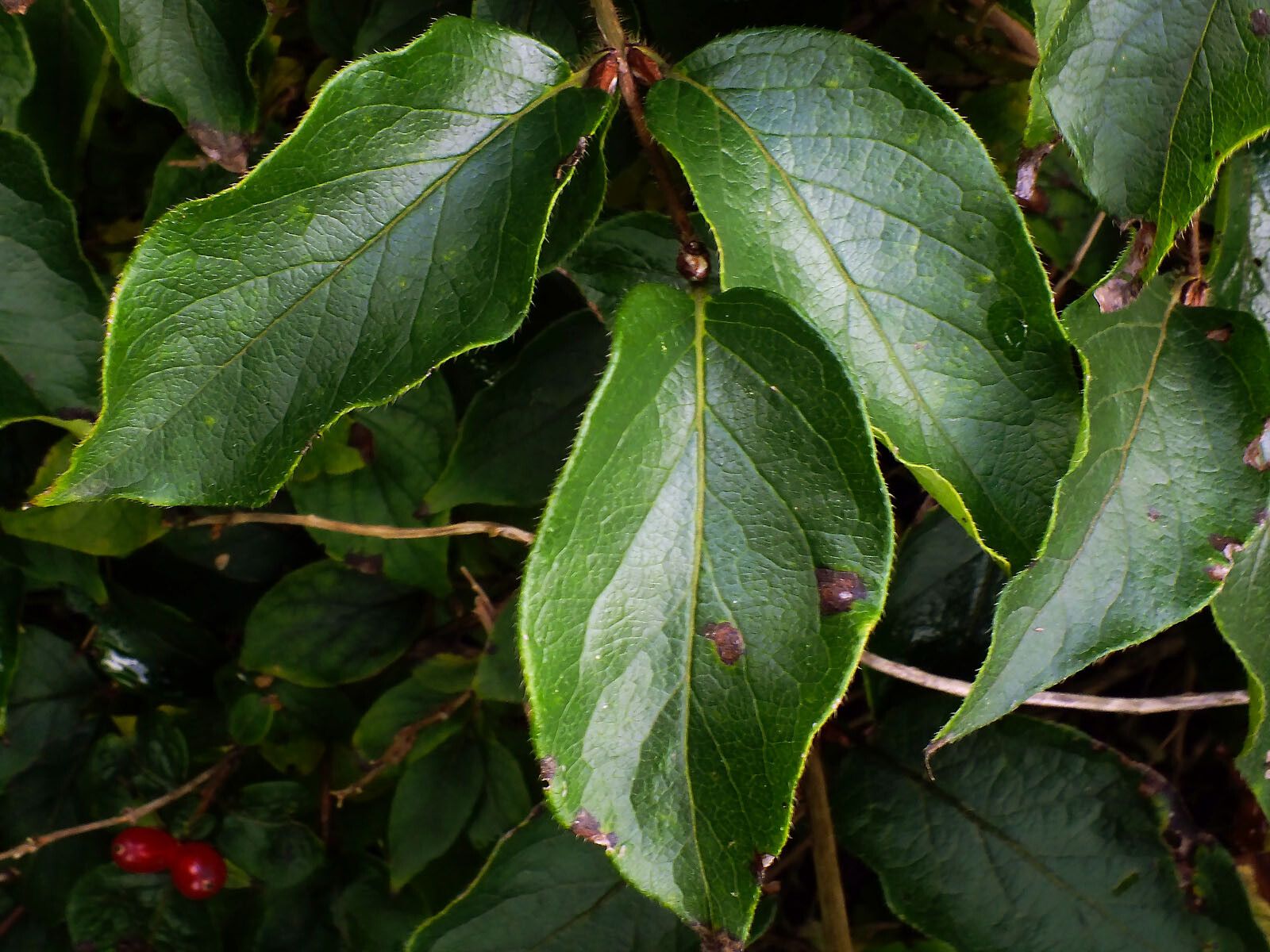
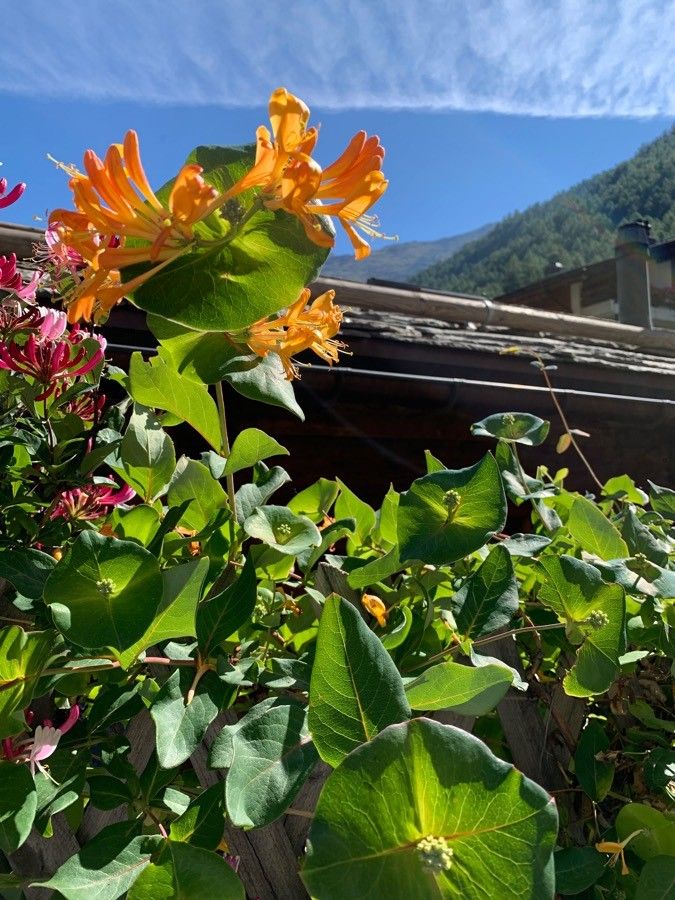
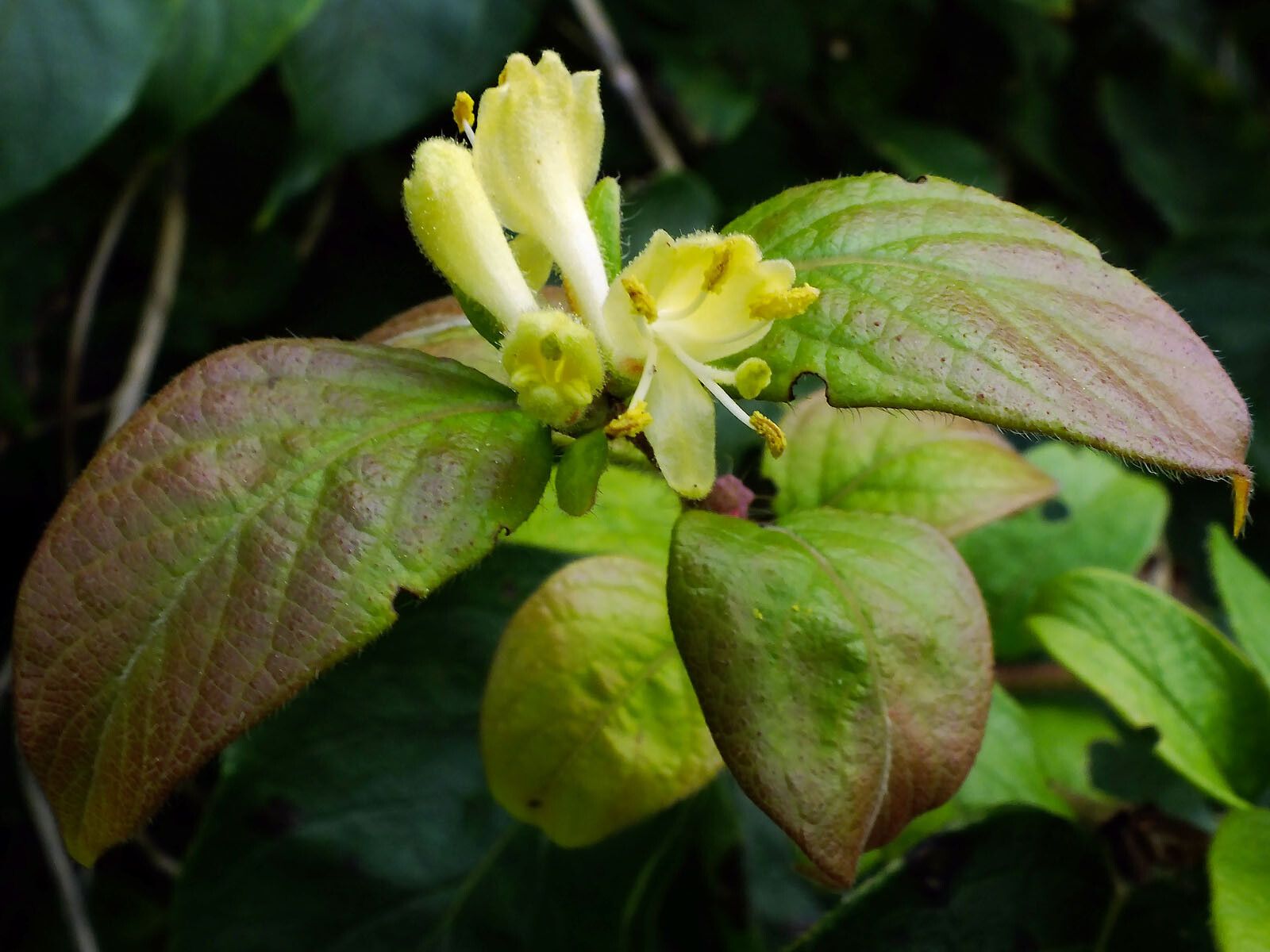
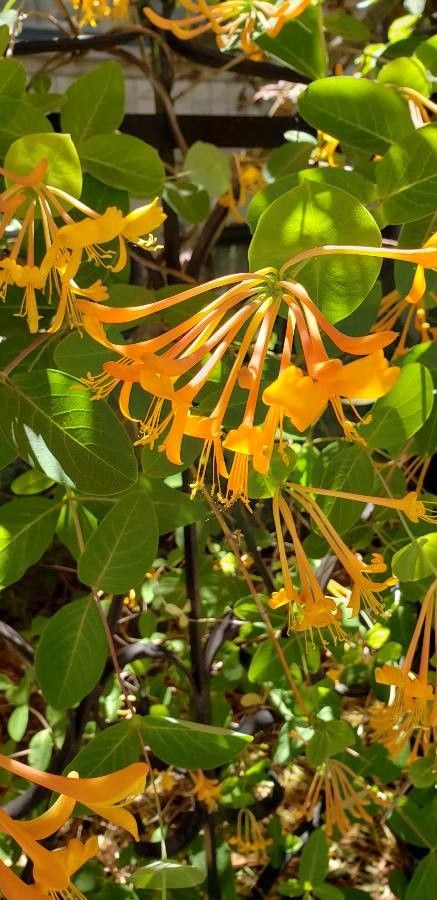
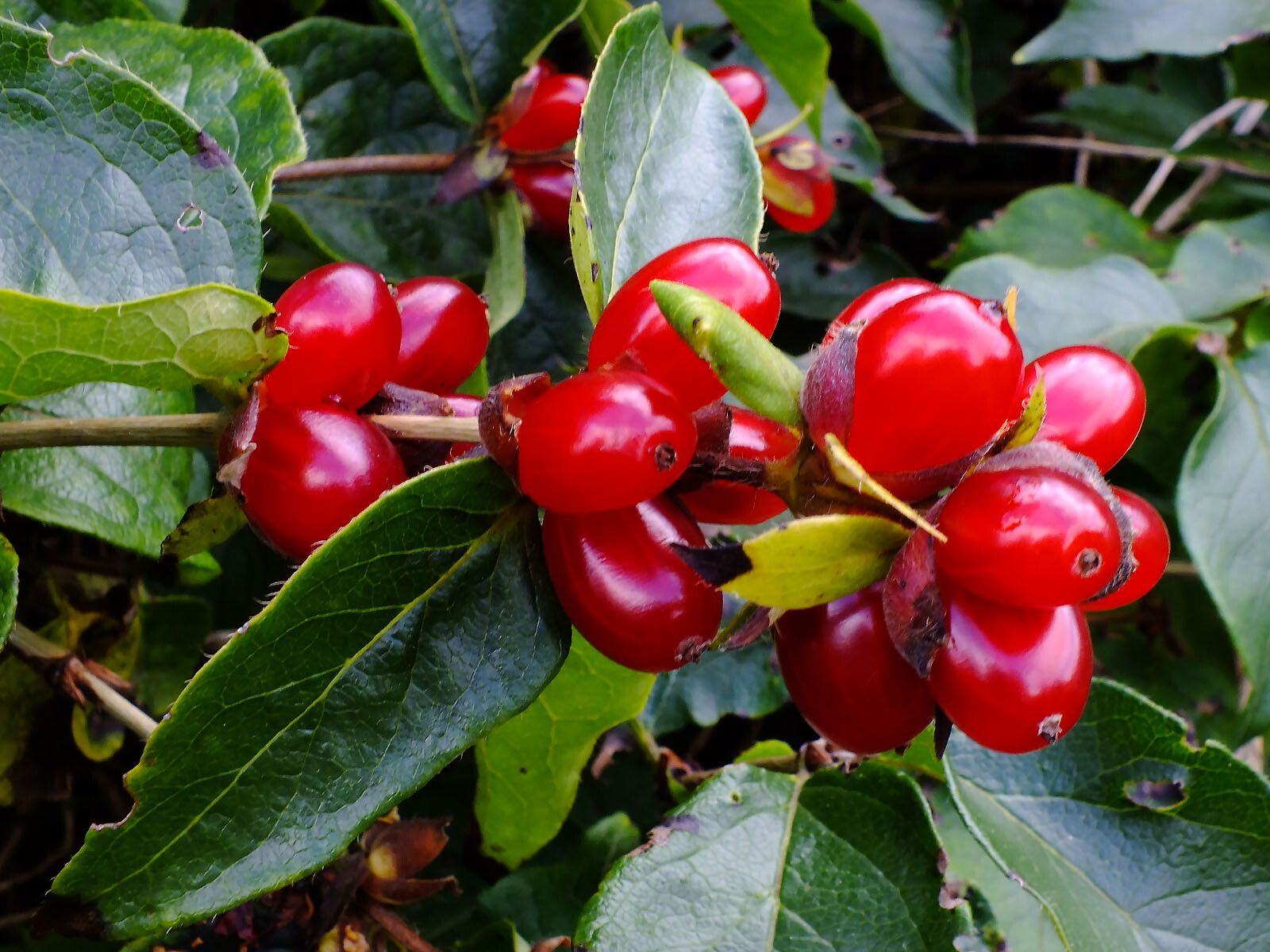
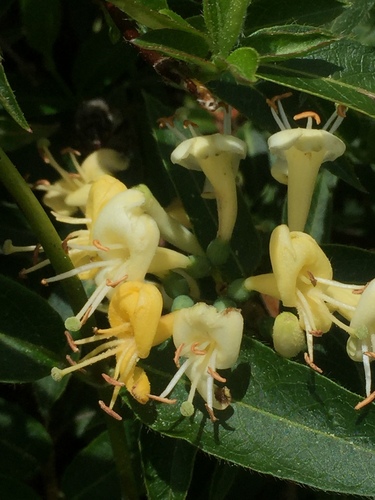
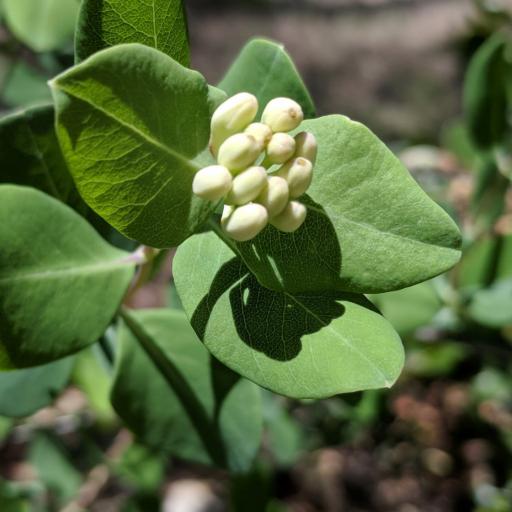
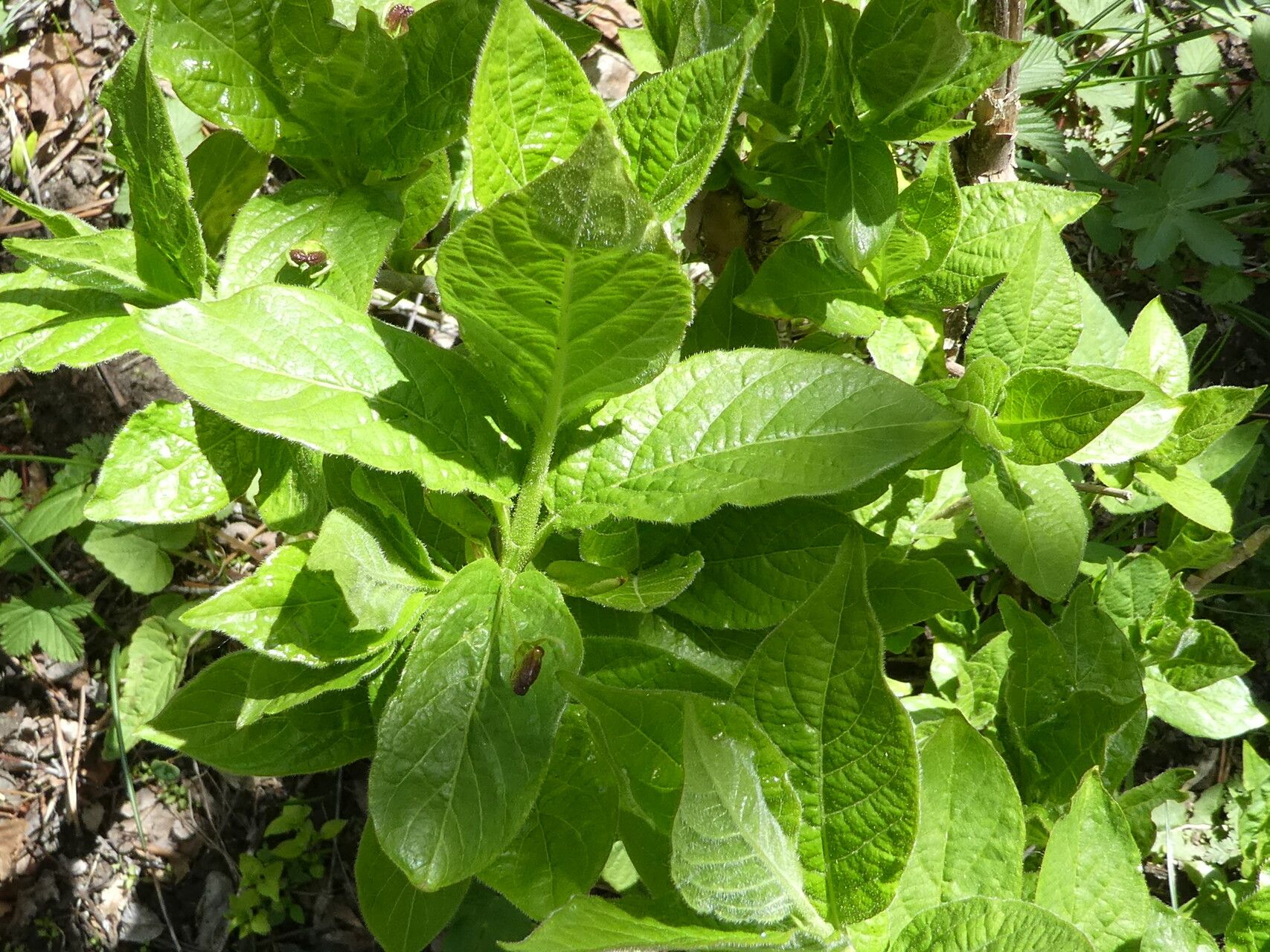
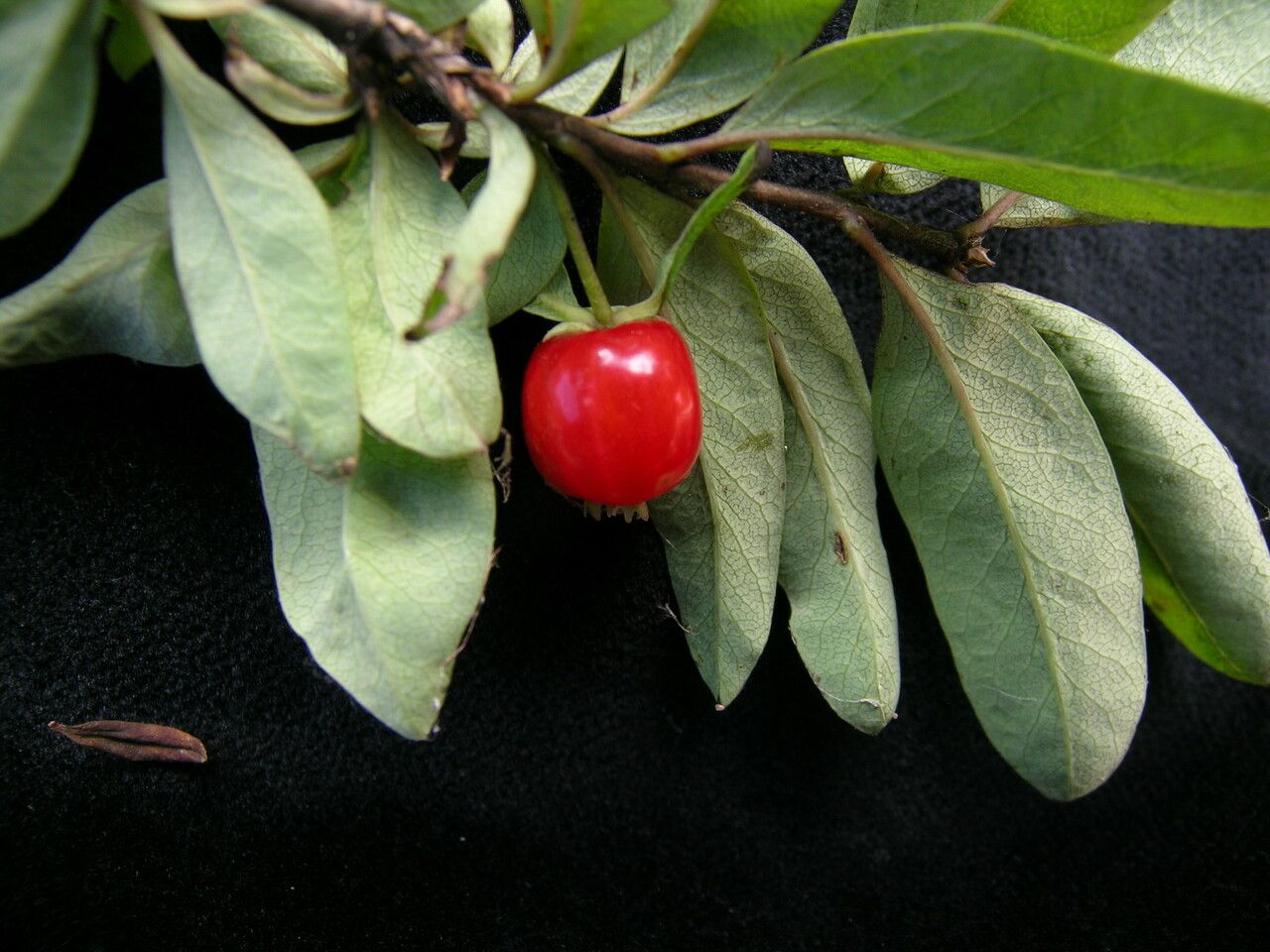
Hairy honeysuckle resists disease well and is generally not susceptible to illnesses. In terms of care, this plant is fairly easy to look after. When planted outdoors it needs little watering, and mature plants typically do not require pruning. Smaller plants, however, should be pruned after they have finished blooming. Hairy honeysuckle is appropriate for anyone with an outdoor area, such as a garden or deck, and does not require much care experience.
How to keep Lonicera Hirsuta.
Light
Hairy honeysuckle is native to habitats like forest understories and rocky sites, where it grows in natural shade. It favors partial sun but can tolerate both full sun and full shade, reflecting its versatile and hardy nature.
Water
To ensure the healthy growth of hairy honeysuckle, regularly check the soil moisture levels. Water the plant when the soil feels dry, maintaining a slightly moist consistency without letting water accumulate. Adjust the frequency of watering based on the season: increase the amount in the summer and reduce it in the winter. Before watering, allow the soil to lighten slightly. It's recommended to use rainwater instead of tap water, as this helps prevent soil compaction and allows the roots to breathe better.
Temperature
Hairy honeysuckle is very adaptable to different climates, handling both hot summers and cold winters. Still, it has a preferred temperature range for growth. If temperatures rise too much, the plant can experience heat and humidity stress that may kill it. In areas where temperatures near its lower cold tolerance, insulating the plant is necessary to protect it.
Fertilizer
Proper timing is important for fertilizing Hairy honeysuckle. Apply fertilizer in early spring and continue once a month until early summer. Fertilizer promotes attractive blooms and supplies energy during both dormant and active growth phases.
Pruning
Hairy honeysuckle is characterized by its hairy stems and lush foliage. To maintain its health and appearance, early spring pruning is crucial. This involves removing dead or weak branches, which helps improve air circulation and maintain the plant's shape. Pruning also revitalizes the plant, encouraging abundant flowering. Be sure to use clean, sharp tools for precise cuts to protect the healthy stems.
Botanical profile.
- Plant Type
- Vine
- Life Cycle
- Perennial
- Genus
- Lonicera
- Family
- Caprifoliaceae
- Hardiness Zone
- 3-7
- Mature Height
- 0.91 m to 4.88 m
- Mature Spread
- 0.91 m to 1.52 m
- Leaf Color
- Green, Dark Green
- Leaf Type
- Deciduous
- Flower Color
- Yellow, Orange
- Flower Size
- 2.54 cm
- Bloom Time
- Late spring, Early summer
- Planting Time
- Spring
- Harvest Time
- Late summer, Early fall
Other names.
Reader questions.
What are the sunlight requirements for Hairy Honeysuckle (Lonicera hirsuta)?
Hairy Honeysuckle (Lonicera hirsuta) thrives in various sunlight conditions. For plants to achieve full growth, they require above 6 hours of sunlight daily, known as full sun. However, they can also grow well with about 3-6 hours of sunlight, which is considered partial sun. It's important to observe the movement of sunlight through your garden to find the perfect spots that offer a balance of light and shade, ensuring your plants' wellbeing.
What is Hairy Honeysuckle?
Hairy Honeysuckle, known scientifically as Lonicera hirsuta, does not have specific details provided for its essentials, symptoms, or additional information. Without more context or description, it's noted primarily by its botanical name and type.