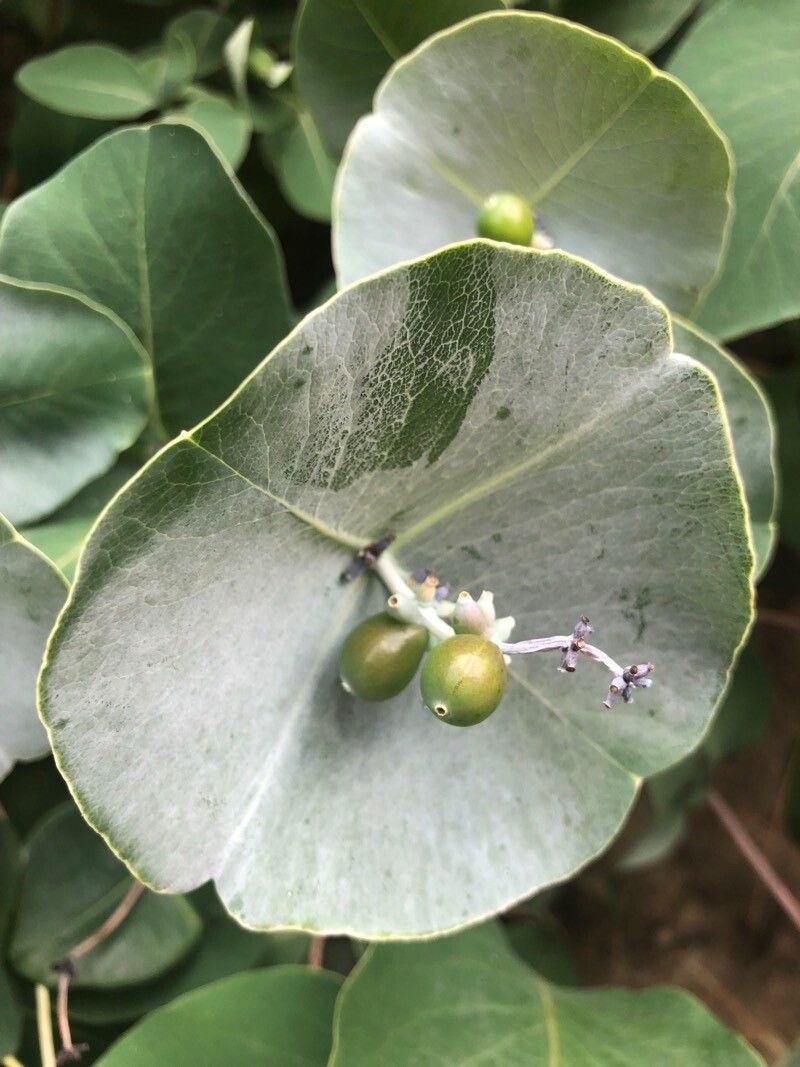
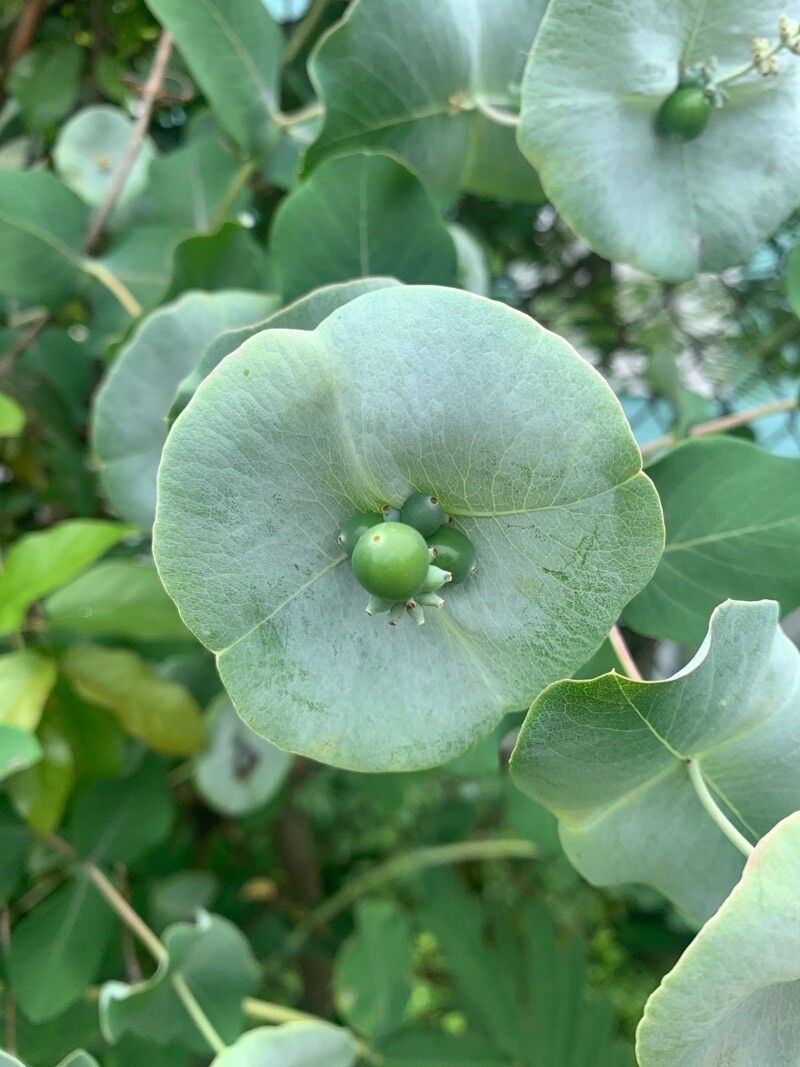
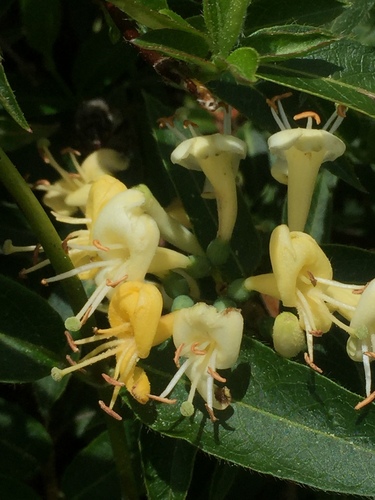
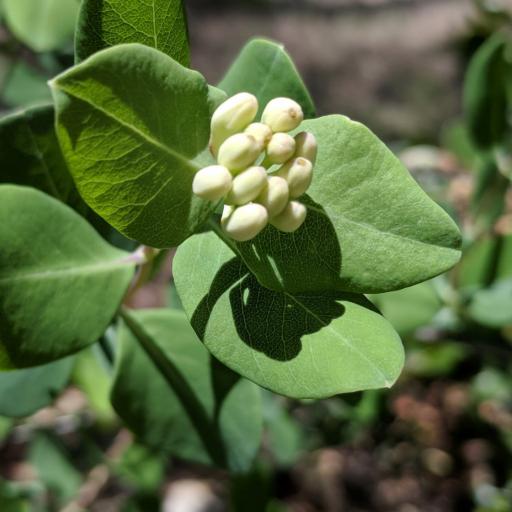
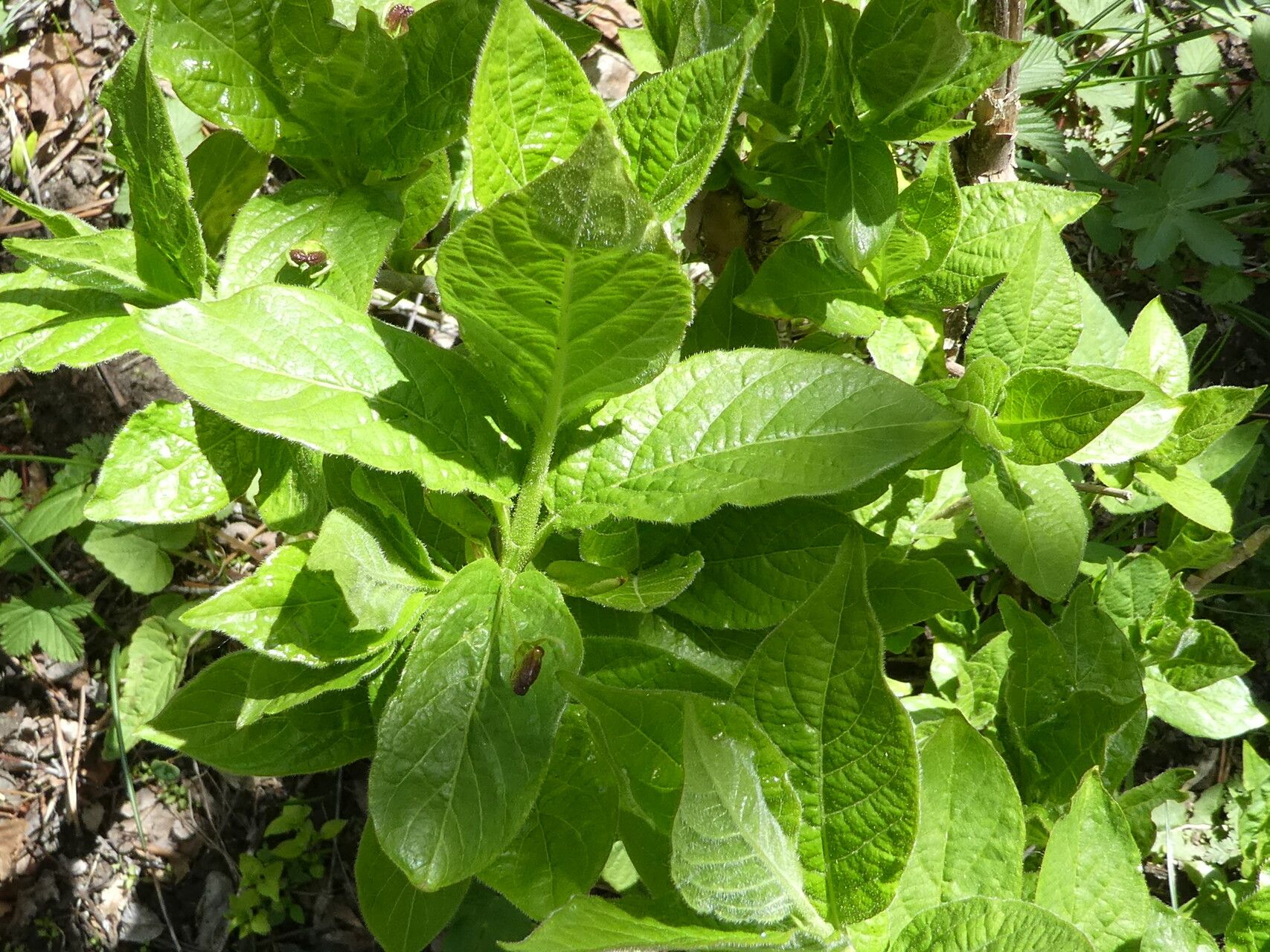
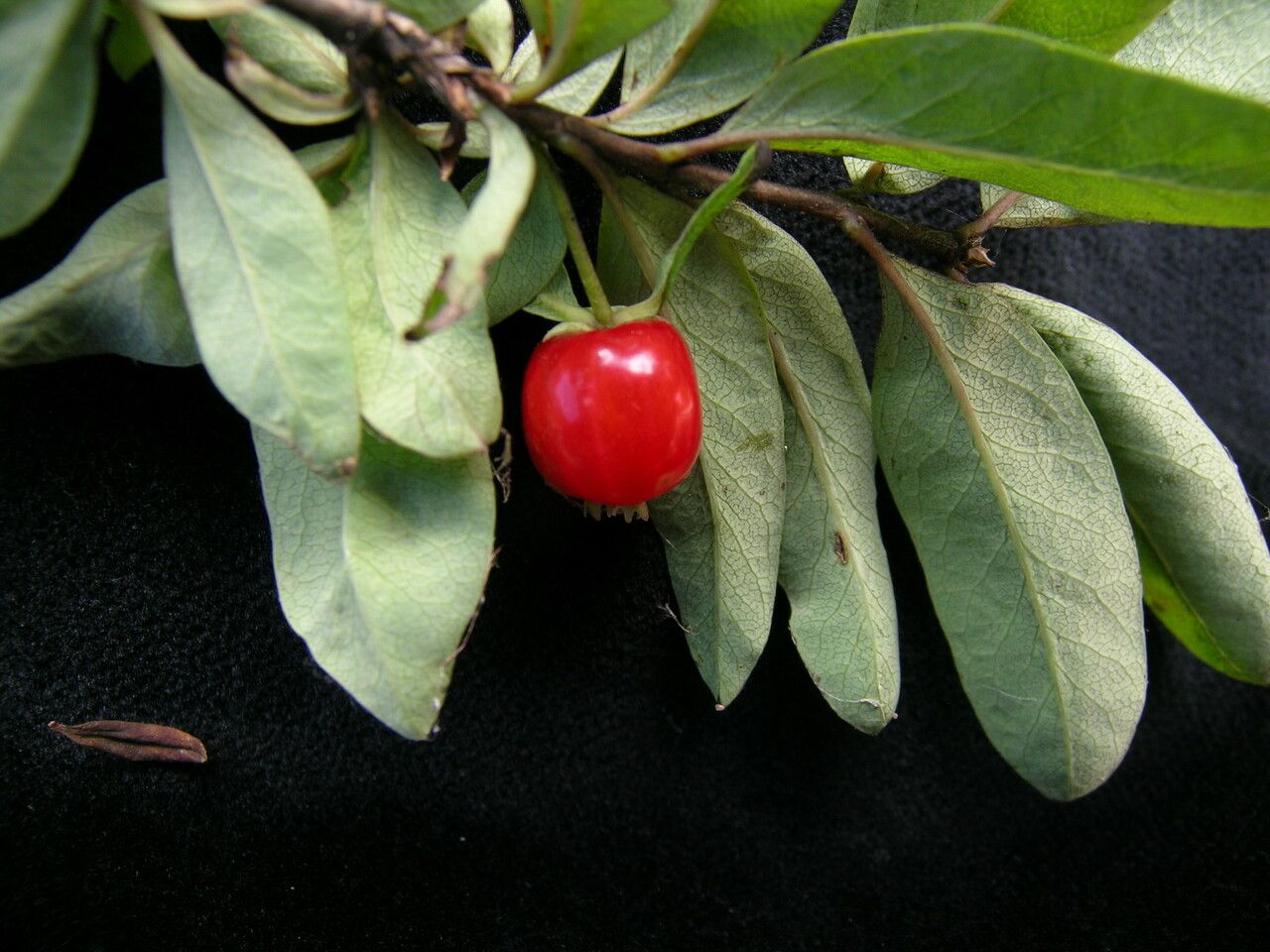
Lonicera reticulata, commonly called grape honeysuckle, is a species of honeysuckle that is native to North America. It is a perennial vine that produces creamy white or yellow flowers that age to pink in late spring.
Grape honeysuckle is resistant to disease and typically does not suffer from many illnesses. Regarding care, this plant is fairly low-maintenance. When grown outdoors it needs little watering, and larger specimens usually do not require pruning. Smaller plants, however, should be trimmed after they finish blooming. Grape honeysuckle is suitable for anyone with outdoor space, such as a garden or a deck, and does not demand much gardening experience.
How to keep Lonicera Reticulata.
Light
Grape honeysuckle does best when soaked in abundant sunlight, though it can tolerate milder light levels. Traditionally found in sun-drenched locales, it can survive in somewhat shaded conditions. Still, when exposed to excessive sun or deprived of it, its growth can be impaired, showing signs of stress or discoloration.
Water
Grape honeysuckle thrives in moderate humidity and only needs watering every three weeks because it is drought-tolerant. Commonly grown outdoors, it benefits from natural rainfall and conserves water by shedding its leaves during unfavorable seasons.
Temperature
Grape honeysuckle is native to regions with mild climates and grows best between 32°F and 77°F (0°C to 25°C). It is seasonally resilient and can tolerate temperature fluctuations, though it still requires proper transitional care when temperatures change.
Fertilizer
Timing is important for fertilizing grape honeysuckle. Start fertilizing in early spring and continue monthly until early summer. Fertilizer promotes attractive blooms and supplies energy during both dormant and active growth stages.
Pruning
Grape honeysuckle is a robust climbing plant known for its fragrant tubular flowers and dense foliage. To keep it healthy and blooming, prune it in early spring. Start by removing any dead or overcrowded branches to improve air circulation and encourage flowering. Additionally, trim one-third of the older stems to promote new growth and maintain the plant's shape, resulting in healthier plants.
Botanical profile.
- Plant Type
- Vine, Shrub
- Life Cycle
- Perennial
- Genus
- Lonicera
- Family
- Caprifoliaceae
- Hardiness Zone
- 3
- Mature Height
- 3.05 m to 4.57 m
- Mature Spread
- 0.91 m to 1.52 m
- Leaf Color
- Green, Dark Green
- Leaf Type
- Deciduous
- Flower Color
- Yellow, White
- Flower Size
- 2.54 cm
- Bloom Time
- Late spring, Early summer
- Planting Time
- Spring, Summer, Autumn
- Harvest Time
- Late summer, Early fall
Other names.
Reader questions.
What's the best way to water my Grape honeysuckle?
To ensure excellent root development, consider placing a garden hose at the base of your plants. Avoid directly spraying the leaves and keep in mind that outdoor plants exposed to direct sunlight may need more frequent watering. You can also use bubblers or soaker hoses to moisten the roots. When adding or removing plants, use soaker hoses that cover the entire garden or bed to help roots grow deeper. After watering, drain any excess water and wait for the soil to dry before watering again. Watering at ground level can help prevent diseases. On sunny days, it may be beneficial to spray the entire bush with water. Whether your Grape honeysuckle is in a pot or planted in the ground, remember that deep watering is preferred over light sprinkling.
When should I fertilize my Grape honeysuckle to get the best results?
For effective fertilization of Grape honeysuckle, timing is crucial. Applying fertilizer too early, while the plant is still dormant, will result in wasted effort as it will be washed away by rainwater, causing pollution. To ensure proper fertilization, the first application should be made in early spring, followed by monthly applications until early summer.
What happens if Grape honeysuckle doesn't get enough sunlight?
If Grape honeysuckle doesn't get enough sun, it might turn pale green or have droopy, yellow leaves. It's normal for some leaves to fall off, but if no new leaves are growing back, something is amiss. If Grape honeysuckle manages to grow with insufficient light, the new growth can be weak, pale, and vulnerable to bugs. By noticing these signs and adjusting the lighting for the plant, you can make a big improvement.
Does Grape honeysuckle require varying temperatures for each season?
If you plan to grow Grape honeysuckle outside, the temperature during the seasons of spring and early summer is important to monitor. It should not exceed 85℉(30℃) as it can harm the plant. If you choose to plant them indoors, ensure there is enough sunlight. Grape honeysuckle requires ample sunlight but be cautious as excessive sunlight combined with high heat can damage the plant.
What should I do if I give Grape honeysuckle too much or too little water?
When a Grape honeysuckle is overwatered, it may show signs such as yellowing and dropping leaves, as well as wilting. The plant may also appear dull and unhealthy, with mushy stems. If these signs are present, it is important to adjust watering schedule. On the other hand, wilting can also occur when the plant is underwatered, but in this case, the leaves will become crispy and dry. To determine if watering is needed, check the soil for dryness and water the plant thoroughly when necessary. However, even with enough water, the Grape honeysuckle may still have dry and yellow leaves due to root damage. Once the plant recovers, the yellowing of leaves will stop. When growing the Grape honeysuckle indoors, always check the moisture levels to avoid overwatering. If there are black spots present, refrain from watering for a few days to let the soil dry out. Overwatering can lead to root rot, so if discolored and slimy roots are observed, consider transferring the plant to a different pot. It is important to prevent root rot by avoiding soggy soil. When planting the Grape honeysuckle outdoors, ensure that the soil is adequately watered by checking the dryness with your fingers. If the soil is too dry, proper watering is needed to help the plant recover.
Why should I use fertilizer on my Grape honeysuckle?
Fertilizing your Grape honeysuckle is important for multiple reasons. Firstly, it helps the plant produce beautiful blooms. To achieve this, it is best to fertilize in early spring. This ensures the plant has the necessary nutrients for excellent flowers during that season. Additionally, fertilizer provides the plant with sufficient energy, which it can store in the ground during its dormant growth phases. By giving your Grape honeysuckle extra nutrients during fall planting or late spring, it will have more energy to utilize once active growth resumes.
How much sunlight does Grape honeysuckle need each day to grow healthy?
To promote healthy growth for Grape honeysuckle, it needs a minimum of 3-6 hours of sunlight per day. Although most plants that can handle part sun can also thrive in full sun, Grape honeysuckle is more flexible because it requires less light for photosynthesis compared to plants that need full sun or part shade.
What temperature is best for Grape honeysuckle?
Grape honeysuckle is a cool-weather plant that thrives best within a temperature range of 65-75℉(18-25℃). While it can tolerate temperatures outside of this range, it is recommended to keep the growing area within a few degrees of these limits for optimal growth. On the higher end, Grape honeysuckle can withstand temperatures between 75-85℉(25-30℃), but it prefers cooler temperatures. It is important to avoid prolonged periods of temperatures above 85℉(30℃) as it can restrict growth and potentially lead to damage and death. On the lower end, Grape honeysuckle can tolerate temperatures as low as 5℉(-15℃).
How frequently do I need to water my Grape honeysuckle?
The Grape honeysuckle prefers deep and infrequent watering, especially when planted in pots. When watering, soak the plant with a gallon of water to account for limited water storage in pots and faster soil drying. In cold regions, water every 3 to 5 days, preferably in the morning when the soil is dry. Check the soil inside to determine if watering is needed; if the top 2-3 inches are dry, it's time to water. During hot days, check moisture daily as heat can quickly dry out soil in pots. Irrigate the soil in garden areas as well, watering once a week in hot climates. When about 2 to 3 inches of soil become too dry, give the plant a full watering. Take rainfall into consideration, avoiding overwatering to prevent root rot. During spring and fall, when Grape honeysuckle is growing outdoors, mulch with 3 to 4 inches of mulch to conserve water. Sandy soil requires more frequent watering, while clay soil can go 2-3 days without watering to avoid root rot. Keep track of watering dates and monitor for drooping leaves, which may indicate a need for earlier watering.
When is the best time to not fertilize my Grape honeysuckle?
To ensure optimal growth and blooming of Grape honeysuckle, it is important to be mindful of fertilizer usage. Excessive nitrogen in fertilizers should be avoided as it may result in an abundance of leaves but few blooms. Instead, opt for fertilizers that have a lower nitrogen content compared to other nutrients. Furthermore, refrain from fertilizing Grape honeysuckle after the early autumn as this can lead to excessive growth just before winter. Additionally, avoid fertilizing the plant during hot and dry periods as dry soil is less effective at delivering the fertilizer and the resulting growth may require more water than is available. It is advisable to apply fertilizer earlier in the season when temperatures are cooler. Lastly, be cautious not to inadvertently provide Grape honeysuckle with a double dose of fertilizer, as it can absorb fertilizers from nearby plants or lawns.
What kind of sunlight does Grape honeysuckle require?
Grape honeysuckle thrives in full or part sun. For optimal performance, it prefers direct morning sunlight. However, during summer, it is important to shield it from the intense afternoon sun. Excessive exposure to hot afternoon sun in moderate climates can lead to leaf burns, compromising the plant's overall aesthetics and well-being.
Does Grape honeysuckle need different temperatures at different stages of growth?
To ensure optimal growth of Grape honeysuckle during each phase, it is important to maintain temperatures between 65-75℉ (18-25℃). This plant can handle colder temperatures better than higher ones, so it won't impede growth if the temperature drops to 5℉ (-15℃). However, growth may start to slow down if the temperature falls below that. If you plan to continue growing your plants into the winter, be sure to keep the room temperature above that threshold.