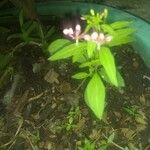
Lopezia racemosa
Mosquito flower
Care Guide
💧 Water
The mosquito flower thrives in moist environments and needs consistent watering, although care should be taken to avoid waterlogging. For best results, water it weekly and consider using rainwater if the plant is outdoors. While it has some tolerance for drought, regular hydration helps maintain its robust health during the growing season.
☀️ Light Full sun
Mosquito flower is a perennial herbaceous plant that prefers sunny conditions and originates from open habitats, frequently thriving in meadows and grasslands. It favors full sun but can also tolerate partial sun conditions.
What are the sunlight requirements for the Mosquito flower (Lopezia racemosa)?
The Mosquito flower, or Lopezia racemosa, thrives in two types of sunlight conditions. For full sun exposure, it requires above 6 hours of sunlight, ensuring it receives an ample amount of light throughout the day for optimal growth. Alternatively, partial sun conditions, characterized by about 3-6 hours of sunlight, are also suitable for the plant's healthy development. It's important to observe the movement of sunlight in your garden to find the perfect balance of light and shade that will ensure your plants' happiness and well-being.
🌡️ Temperature 20–37.8°C
Mosquito flower can tolerate a wide range of temperatures, but its range may still be restricted by different combinations of moisture and heat. It performs best in warm summer climates with sufficient rainfall or irrigation. Extended periods of cloudy, rainy weather or prolonged high temperatures can raise the chance of Mosquito flower dying. In winter, adequate protection from cold can increase the plant's survival.
💨 Humidity
🪴 Soil 6-7
🌱 Fertilizer
The best time to fertilize a Mosquito flower is in early spring, when it is coming out of dormancy and beginning active growth. Fertilizing supplies important nutrients needed for healthy growth. While Mosquito flower has relatively low fertilizer requirements, applying fertilizer annually can improve its survival and encourage better, longer-lasting blooms.
🪴 Pot & Repot
✂️ Pruning
The mosquito flower produces delicate, clustered blooms. To keep the plant healthy and looking its best, prune it from early to late spring. This will help remove dead branches and thin out dense areas, allowing for better airflow and more light. Regular pruning boosts bloom vigor and prevents the plant from becoming leggy. Be sure to use clean, sharp tools when pruning to reduce the risk of disease and maintain the plant's overall health and appearance.
🌿 Propagating
🐛 Diseases & pets
☠️ Toxicity
Characteristics
- Plant Type
- Herb
- Life Cycle
- Perennial
- Genus
- Lopezia
- Family
- Onagraceae
- Hardiness Zone
- 9-11
- Mature Height
- 61 cm to 76 cm
- Mature Spread
- 25 cm to 49 cm
- Leaf Color
- Green, Dark Green
- Leaf Type
- Deciduous
- Flower Color
- Pink
- Flower Size
- 0.76 cm to 1.78 cm
- Bloom Time
- Summer, Fall
- Planting Time
- Spring, Summer
- Harvest Time
- Late summer, Fall, Early winter