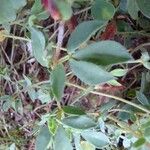
Lotus corniculatus
Bird's-foot-trefoil · Common Bird's-foot-trefoil · Common bird's-foot trefoil · Bird's-foot trefoil · Birdfoot Deervetch
Description
Source: leafsnapLotus corniculatus, commonly known as bird's-foot trefoil, is a perennial herbaceous plant in the pea family. Native to Europe and Asia, it has been introduced and naturalized in many other regions worldwide. The plant can grow up to 50 cm tall and exhibits a sprawling habit, with stems covered in fine hairs. The leaves of Lotus corniculatus are compound, consisting of five oval-shaped leaflets with a smooth texture. The plant produces bright yellow flowers that bloom from June to September, arranged in clusters at the ends of long stalks. These flowers attract bees, butterflies, and other pollinators. Bird's-foot trefoil prefers well-drained soils but can also tolerate poor soils. It is commonly found growing along roadsides, in meadows, pastures, and disturbed areas such as abandoned fields or railway tracks. Historically, the plant has been used for its medicinal properties, such as treating digestive disorders and skin conditions due to its anti-inflammatory effects. Additionally, it serves as valuable animal feed due to its high protein content. Overall, Lotus corniculatus is an attractive wildflower with significant ecological importance. It serves as a crucial food source for many insects, including bees, making it an essential part of any ecosystem where it grows naturally.
🌳 Bird's-foot trefoil may appear plain, yet it's a treasure trove for honeybees, often affectionately called 'bee bread.' It is an important source of nectar and pollen, crucial for producing honey with a distinctive fruity flavor, as well as for supplying pollen and propolis. Besides being a treat for bees, bird's-foot trefoil also provides protein-rich forage for livestock such as cattle, sheep, and horses. It also contains 'Lotaustralin,' a substance that can be converted into cyanide, discouraging herbivores.
🎭 Gathering
Care Guide
💧 Water Every 7 days
Common bird’s-foot trefoil thrives in temperate regions and prefers moderate moisture levels with some tolerance for brief droughts. This herbaceous perennial, often found in meadows, requires watering every 1-2 weeks. It benefits from consistent hydration but without excess. When water is available, the plant flourishes, but during dry spells, it tends to recede.
How often should I give water to my Common bird's-foot trefoil?
If your Common bird's-foot trefoil plant is in a pot, the most accurate way to tell if it needs water is by checking the soil moisture with your finger. If the top two to three inches of soil are dry, it's time to water. If you are growing the Common bird's-foot trefoil plant outdoors in the ground, you can use the same method to check the soil moisture. Again, if the top few inches of soil have dried out, it's time to add water. During spring and early fall, watering once a week is often sufficient. However, in extremely hot weather, you may need to water twice a week or more. It's worth noting that mature, well-established Common bird's-foot trefoil plants have an impressive ability to tolerate drought.
How much water does my Common bird's-foot trefoil plant require?
When watering your Common bird's-foot trefoil, don't be afraid to give it a good amount of water. Make sure the top two to three inches of soil are dry before watering, and then water thoroughly to saturate the entire soil. To determine the right amount of water, check if excess water flows out of the drainage holes at the bottom of the pot. If no excess water is draining, you have likely not given enough water. However, be careful not to overwater the plant, as this can be harmful. If there is no water draining from the pot, it could indicate that the soil doesn't drain well, which is not good for the plant's health. If the plant is outside, around 1 inch of rain per week should be enough.
☀️ Light Full sun
With respect to light exposure, bird's-foot trefoil favors full sun to achieve healthy growth. It can endure areas with somewhat reduced light, though its vigor will be diminished. Too much shade can hinder the plant's development, while overly intense sunlight at any stage can burn the leaves.
What are the sunlight requirements for Common bird's-foot trefoil?
Common bird's-foot trefoil thrives in full sunlight, requiring above 6 hours of sunlight daily for prosperous growth. It can also grow in partial sun, with about 3-6 hours of sunlight. However, it's essential to watch how sunlight moves through your garden to select spots that offer a good balance of light and shade, ensuring the plants' happiness. The plant can withstand somewhat reduced light but with less vigor, and excessive shading may stunt its evolution. Too intense sunlight at all growth stages can cause the leaves to scorch.
How can artificial lighting be utilized for indoor growth of Common bird's-foot trefoil?
Indoor plants like Common bird's-foot trefoil require adequate lighting for optimal growth, especially when natural sunlight is insufficient, like in winter or less sunny spaces. Using artificial light can promote faster, healthier growth. LED lights are recommended as they can provide specific light wavelengths needed by plants. Full sun plants need 30-50W/sq ft, partial sun plants need 20-30W/sq ft, and full shade plants need 10-20W/sq ft of artificial light. The light source should be placed 12-36 inches above the plant, mimicking natural sunlight for 8-12 hours per day.
What are the symptoms of insufficient or excessive sunlight exposure in Common bird's-foot trefoil?
Symptoms of insufficient sunlight in Common bird's-foot trefoil include smaller new leaves, leggy or sparse growth, faster leaf drop, slower or no new growth, and lighter-colored new leaves. Excessive sunlight can cause chlorosis, where leaves lose their green color; sunscald, resulting in damaged leaves or stems; leaf curling as a defense mechanism; wilting due to increased water loss; and leaf scorching, characterized by brown, dry patches on leaves.
What solutions can be applied to manage sunlight exposure for Common bird's-foot trefoil?
To manage sunlight exposure, gradually move your Common bird's-foot trefoil plants to a sunnier location each week until they receive at least 6 hours of direct sunlight daily. For indoor plants, use a south-facing window or artificial light, such as a desk or ceiling lamp for at least 8 hours daily, or professional grow lights. Outdoors, avoid sudden changes in light intensity to prevent sunburn. Minimize obstructions by pruning or transplanting to a location with more sunlight and good drainage. Note that parts of the plant affected by insufficient light may not recover, but new growth should be healthy.
🌡️ Temperature 0–35°C
Bird's-foot trefoil does well in a temperate climate, preferring temperatures from 32 to 95 ℉ (0 to 35 ℃). To handle seasonal temperature changes, the plant develops deep, well-established roots that let it withstand both hot and cold periods.
What is the preferred climate for common bird's-foot trefoil?
The common bird's-foot trefoil thrives best in a temperate climate, flourishing in temperatures ranging from 32 to 95°F (0 to 35°C). Its resilience across seasons is attributed to its deep, well-established root system, enabling it to endure the fluctuations of hot and cold weather. This plant has a notable cold resistance, meaning special frost protection is generally not a necessity during winter. However, if temperatures are anticipated to fall below -35°C, protective measures should be taken, like covering the plant with soil or straw. It's also advisable to water the plant abundantly before the first freeze of autumn to ensure the soil stays moist and enters the winter in a frozen state, which helps in preventing drought and water scarcity during the colder months and early spring.
How does common bird's-foot trefoil respond to low temperatures?
Common bird's-foot trefoil is recognized for its cold tolerance, optimally thriving in temperatures above 0°C. While it generally copes well during the winter, maintaining a temperature above -30°C is advantageous. Once the temperature dips below -35°C, the plant might not exhibit immediate adverse changes, but a noticeable decrease in sprouting — or a complete lack thereof — could occur the following spring. To manage such occurrences, removing any parts of the plant that have failed to sprout in spring is recommended.
What should be done if common bird's-foot trefoil is exposed to high temperatures?
In high temperature conditions, particularly during the summer, it's crucial to keep the common bird's-foot trefoil below 35°C. Exposure to temperatures above 38°C may result in the leaves becoming lighter, prone to curling, susceptible to sunburn, and in severe cases, lead to the wilting and drying of the entire plant. Mitigating such damage involves trimming away the sunburned and dried-up portions, relocating the plant to a shaded area, or utilizing a shade cloth to protect it from the midday and afternoon sun. Additionally, watering the plant during the cooler morning and evening hours is vital for maintaining soil moisture and supporting the plant's wellbeing.
💨 Humidity
🪴 Soil 6-7
🌱 Fertilizer
A single fertilizer application in spring is generally enough for Bird's-foot trefoil, though multiple feedings can boost growth. Feed roughly once every month to a month and a half. Fertilization improves the leaves' appearance and function, helping maintain uniform color and a healthy texture. It also encourages root development and nutrient uptake, supporting the plant's long-term health.
🪴 Pot & Repot
✂️ Pruning
Common bird's-foot trefoil, known for its small yellow flowers and slender stems, thrives when properly pruned from early to late spring. By removing dead stems, you can encourage new growth, and light trimming helps maintain its shape. Always use clean tools to minimize the risk of disease, which enhances the plant's vitality and ensures a healthy display throughout the growing season.
🌿 Propagating
🐛 Diseases & pets
☠️ Toxicity
Characteristics
- Plant Type
- Herb
- Life Cycle
- Perennial
- Genus
- Lotus
- Family
- Fabaceae
- Hardiness Zone
- 3-9
- Mature Height
- 10 cm to 49 cm
- Mature Spread
- 40 cm
- Leaf Color
- Green
- Leaf Type
- Deciduous, Evergreen
- Flower Color
- Yellow, Orange
- Flower Size
- 1.02 cm to 1.52 cm
- Bloom Time
- Late spring, Early summer, Mid summer
- Planting Time
- Spring
- Harvest Time
- Mid summer