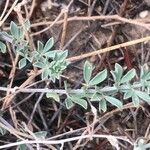
Lotus creticus
Cretan bird's-foot trefoil · Cretan trefoil · Creta trefoil · Cretan Bird's-foot-trefoil · Silvery birdsfoot trefoil
Description
Source: leafsnapLotus creticus is a species of perennial herb of the family Fabaceae found in tropical Africa. It is symbiosis competent and engages in nitrogen-fixing smbiotic interactions with species of the Ensifer genus It comprises three varieties found in the Mediterranean although there is some controversy as to whether each subgroup could be considered the same species but are classically described as being subgroups. Varieties consist of the most commonly cited silky-hairy var. creticus which is widely distributed in its western part of the coast, the non-silky var. glabrescens which has a western Mediterranean distribution; and the eastern Mediterranean var. collinus which is also not silky and can be described by long petioles and peduncles.
Care Guide
💧 Water
Cretan bird's-foot trefoil, native to the Mediterranean, flourishes in sunny, dry conditions with occasional rainfall. It thrives in areas with moderate humidity and exhibits drought tolerance, requiring only weekly watering. To ensure optimal growth, it needs well-draining soil to prevent root rot, mimicking the sandy habitats where it naturally grows.
What should I do if I give my Cretan bird's-foot trefoil plant too much or too little water?
Overwatering is a more common issue than underwatering for the health of your Cretan bird's-foot trefoil. When it receives too much water, the stems and leaves may wilt and turn yellow. Overwatering over time can also lead to diseases like root rot, mold, and mildew, which can be fatal for the plant. Although underwatering is less common, it can still happen, causing brittle and brown leaves. It's important to notice signs of overwatering early to prevent irreparable damage. If you see these signs, reduce your watering schedule and check the soil's drainage. Replace poorly draining soil with a loose, well-draining potting mix. If you notice signs of underwatering, simply water more regularly until the signs subside.
How often do I need to water my Cretan bird's-foot trefoil?
If your Cretan bird's-foot trefoil is in a pot, you can check if it needs water by sticking your finger into the soil. If the top two to three inches of soil are dry, it's time to water it. If you are growing the Cretan bird's-foot trefoil outdoors in the ground, you can use the same method to test the soil. If the top few inches of soil have dried out, it's time to water. In the spring and early fall, you'll typically need to water this plant about once a week. During extremely hot weather, you may need to water it twice or more per week. However, mature and well-established Cretan bird's-foot trefoil can withstand drought well.
How much water does my Cretan bird's-foot trefoil require?
When watering your Cretan bird's-foot trefoil, don't be afraid to use a generous amount of water. Wait until the top few inches of soil are dry, then give the plant a thorough watering, making sure to completely soak the soil. You should add enough water that it starts to drain out of the bottom of the pot. If you notice that there is no excess water draining, it means you haven't watered enough. However, be careful not to let the water accumulate in the soil, as this can be harmful to the plant. On the other hand, if the water doesn't drain properly, it could mean that the soil is not well-draining, which is not good for the plant. If the plant is outside, about 1 inch of rain per week should be enough.
How do I water my Cretan bird's-foot trefoil as it grows?
The water needs of the Cretan bird's-foot trefoil can vary depending on its growth stages. When the plant is young or newly transplanted, it requires more water than usual. This is because it puts a lot of energy into developing new roots, which in turn support future growth. These young roots perform their best when they have slightly more moisture. As the plant matures, it will require less water. However, during the bloom period, when the flowers are developing, additional water may be necessary. Flower development consumes a significant amount of moisture, so providing extra water during this time can be beneficial for the Cretan bird's-foot trefoil.
How do I water my Cretan bird's-foot trefoil during different seasons?
The Cretan bird's-foot trefoil has different water needs throughout the year. In the hottest months of summer, you may need to water it more than once a week, depending on how quickly the soil dries out. However, in winter, the plant goes into a dormant phase and requires less water. In fact, you may not need to water it at all during winter. If you do choose to water, do so only about once a month to avoid the risk of disease.
☀️ Light Full sun
The Cretan bird's-foot trefoil (cretan bird's-foot trefoil) grows best in bright, sunlit habitats, reflecting its need for substantial sunlight. While cretan bird's-foot trefoil can still thrive in areas with limited sun exposure, a shortage of light may impede its growth. Its native habitats are generally sunlit, promoting healthy development.
What are the sunlight requirements for Cretan bird's-foot trefoil?
Cretan bird's-foot trefoil (Lotus creticus) requires more than 6 hours of sunlight daily to thrive optimally. It's essential to watch how sunlight moves through your garden and select spots that ensure the perfect balance of light and shade for your plants. This balance is crucial for their happiness and growth. This plant is native to sunlit habitats, which are conducive to its healthy development. However, it can still grow in areas with minimal sun, but insufficient sunlight may impede its growth.
How can artificial lighting support indoor Cretan bird's-foot trefoil plants?
Indoor Cretan bird's-foot trefoil plants require adequate lighting for optimal growth, especially when natural sunlight is insufficient—commonly during winter or in less sunny spaces. Artificial lights, such as LED lights, offer a vital solution by providing specific wavelengths needed for the plants. For full-sun plants, 30-50W per square foot of artificial light is recommended, with partial sun plants needing 20-30W per square foot, and full shade plants requiring 10-20W per square foot. The light source should be placed 12-36 inches above the plant to mimic natural sunlight, with the duration mimicking natural daylight hours—typically 8-12 hours per day.
What are the signs of light deficiency in Cretan bird's-foot trefoil?
Signs of light deficiency in Cretan bird's-foot trefoil include smaller new leaves compared to mature ones, leggy or sparse growth, faster leaf drop, slower or no new growth, paler new leaves, and symptoms such as chlorosis (leaves turning yellow), sunscald, leaf curling, wilting, and leaf scorching. These symptoms indicate that your plant is not receiving adequate sunlight or is being overexposed to sunlight, affecting its ability to photosynthesize and maintain healthy growth.
How can I address lighting issues with my indoor and outdoor Cretan bird's-foot trefoil plants?
To address lighting issues for indoor Cretan bird's-foot trefoil plants, gradually move them to a sunnier location each week, aiming for at least 6 hours of direct sunlight daily. Utilize a south-facing window and keep curtains open for maximum sunlight. If the plant is large or not easily movable, use artificial light, keeping a lamp on for at least 8 hours daily or investing in professional grow lights. When dealing with outdoor plants, gradually adapt them to sunnier spots to prevent sunburn. Prune trees or obstructions that block sunlight and consider transplanting smaller plants to sunlit locations with good drainage during their dormant period for optimal exposure.
🌡️ Temperature 0–32.2°C
Cretan bird's-foot trefoil is native to areas with temperatures from 32 to 90°F (0 to 32°C). It thrives in these moderate conditions—cool but not freezing. When temperatures fall outside this range, it is recommended to seasonally alter its surroundings to emulate its natural habitat.
What is the optimal temperature range for Cretan bird's-foot trefoil?
Cretan bird's-foot trefoil thrives in climates where temperatures range from 32 to 90°F (0 to 32°C). It enjoys moderate conditions that are cool but not freezing. To ensure the plant grows well, it's recommended to adjust its environment seasonally to closely mimic its natural habitat, especially in areas where temperatures fall outside this ideal range.
Does Cretan bird's-foot trefoil require frost protection in winter?
Cretan bird's-foot trefoil has strong resistance to cold, making special frost protection measures usually unnecessary. However, if temperatures are expected to drop below -35°C, providing cold protection is important. This can be done by covering the plant with insulating materials such as soil or straw. Additionally, watering the plant abundantly before the first freeze in autumn ensures the soil remains moist and enters a frozen state, which helps prevent drought and water scarcity during the colder months.
How does low temperature affect Cretan bird's-foot trefoil and what are the solutions?
Cretan bird's-foot trefoil is cold-tolerant and generally thrives when temperatures stay above 0°C. In the event of winter temperatures dropping below -30°C, the plant can often survive without noticeable changes; however, temperatures falling below -35°C may lead to a decrease in sprouting or even no sprouting in the spring. The recommended solution for plants that have not sprouted by spring is to remove any parts of the plant that failed to sprout.
What impact does high temperature have on Cretan bird's-foot trefoil and how can it be mitigated?
During summer, it's essential to ensure that temperatures remain below 32°C for Cretan bird's-foot trefoil. Exposure to temperatures above 35°C can cause the plant's leaves to lighten in color, curl, become prone to sunburn, and, in severe cases, the plant may wilt and dry out entirely. To mitigate these effects, sunburned and dried-up parts should be trimmed away. The plant should be moved to a shaded location or shielded with a shade cloth during the midday and afternoon sun. Additionally, watering the plant in the morning and evening to maintain soil moisture helps alleviate stress from high temperatures.
💨 Humidity
🪴 Soil 6-7
🌱 Fertilizer
The best time to fertilize a Cretan bird's-foot trefoil is in early spring, as it comes out of dormancy and begins active growth. Fertilizing supplies essential nutrients for healthy development. While this plant has relatively low fertilizer requirements, applying fertilizer annually can improve its survival and promote better, longer-lasting flowers.
🪴 Pot & Repot
✂️ Pruning
The Cretan bird's-foot trefoil showcases vibrant yellow flowers and benefits from light pruning between early and late spring. This gentle trimming encourages bushier growth and helps maintain a tidy appearance. It is important to avoid heavy pruning to prevent plant stress, as timely and careful trimming supports vigorous growth and enhances flowering.
🌿 Propagating
🐛 Diseases & pets
☠️ Toxicity
Characteristics
- Plant Type
- Herb
- Life Cycle
- Perennial
- Genus
- Lotus
- Family
- Fabaceae
- Hardiness Zone
- 3-8
- Mature Height
- 0.2 m to 1.52 m
- Mature Spread
- 30 cm to 61 cm
- Leaf Color
- Light Gray
- Leaf Type
- Evergreen
- Flower Color
- Yellow
- Flower Size
- 1.27 cm to 1.78 cm
- Bloom Time
- Mid spring, Late spring, Summer, Early fall
- Planting Time
- Spring, Summer, Autumn
- Harvest Time
- Summer, Early fall, Mid fall
- Native Area
- Libya, Egypt, Tunisia, Portugal, Italy, Spain, Montenegro, Algeria, Croatia, Morocco, France