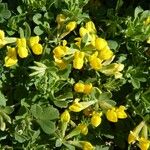
Lotus drepanocarpus
Description
Source: wikipedia (CC BY-SA)Lotus drepanocarpus or the Fake Lotus Fruit is a perennial plant in the genus Lotus ranging from Algeria to Tunisia.
Care Guide
💧 Water
☀️ Light Full sun
Lotus drepanocarpus is a sun-loving perennial herbaceous plant native to open habitats, frequently occurring in meadows and grasslands. It prefers full sun but can also tolerate partial sun conditions.
What are the sunlight requirements for Lotus drepanocarpus?
Lotus drepanocarpus requires varying amounts of sunlight depending on specific needs. For partial sun exposure, about 3-6 hours of sunlight daily is adequate. If the plant is to thrive in full sun, it should receive more than 6 hours of sunlight each day. It's important to observe how sunlight moves through your garden throughout the day. By doing so, you can choose spots that offer the ideal balance of light and shade, ensuring the well-being of your Lotus drepanocarpus by catering to its specific sunlight requirements.
What is a general warning concerning sunlight for growing Lotus drepanocarpus?
When cultivating Lotus drepanocarpus, it's crucial to monitor the sunlight exposure throughout your garden carefully. The general guidance is to watch how sunlight gracefully moves across your garden space, enabling you to select locations that provide a perfect balance of light and shade. This thoughtful placement ensures the happiness and health of your plants by matching their specific light requirements.
What is the botanical name of Lotus drepanocarpus?
The botanical name for Lotus drepanocarpus is, in fact, Lotus drepanocarpus. This name is used scientifically to identify the species and is helpful in researching more detailed information about its growth habits, care requirements, and characteristics.
🌡️ Temperature 20–37.8°C
Lotus drepanocarpus comes from tropical areas, where the climate is generally warm and humid. As a result, it is well suited to high heat and humidity. It does not tolerate sudden temperature shifts and prefers a stable thermal environment, so avoiding temperature fluctuations indoors is important. It usually cannot withstand cold temperatures and requires relatively high temperatures to grow. If the ambient temperature falls too low, the plant may stop growing or even die.
💨 Humidity
🪴 Soil 6-7
🌱 Fertilizer
Lotus drepanocarpus requires the most fertilizer during its active growth phase, which occurs mainly in spring, summer, and early fall. Fertilization is needed to supply essential nutrients the soil may lack, promoting healthy root and stem development and the attractive foliage that is a characteristic feature of this plant.
🪴 Pot & Repot
✂️ Pruning
To ensure healthy growth, Lotus drepanocarpus benefits from pruning during early to late spring. Focus on removing dead or damaged branches, as well as any that cross each other, to increase air circulation. It is important to prune after the last frost to avoid cold damage. This process enhances flowering and helps maintain an attractive appearance in your garden.
🌿 Propagating
🐛 Diseases & pets
☠️ Toxicity
Characteristics
- Plant Type
- Herb
- Life Cycle
- Perennial
- Genus
- Lotus
- Family
- Fabaceae
- Hardiness Zone
- 9-11
- Mature Height
- 40 cm to 61 cm
- Mature Spread
- 30 cm to 49 cm
- Leaf Color
- Light Green, Yellow Green
- Leaf Type
- Deciduous
- Flower Color
- Pink, White
- Flower Size
- 2.03 cm to 3.05 cm
- Bloom Time
- Summer, Early fall, Mid fall
- Planting Time
- Spring, Summer, Autumn
- Harvest Time
- Late summer, Fall, Early winter
- Native Area
- Tunisia, Algeria