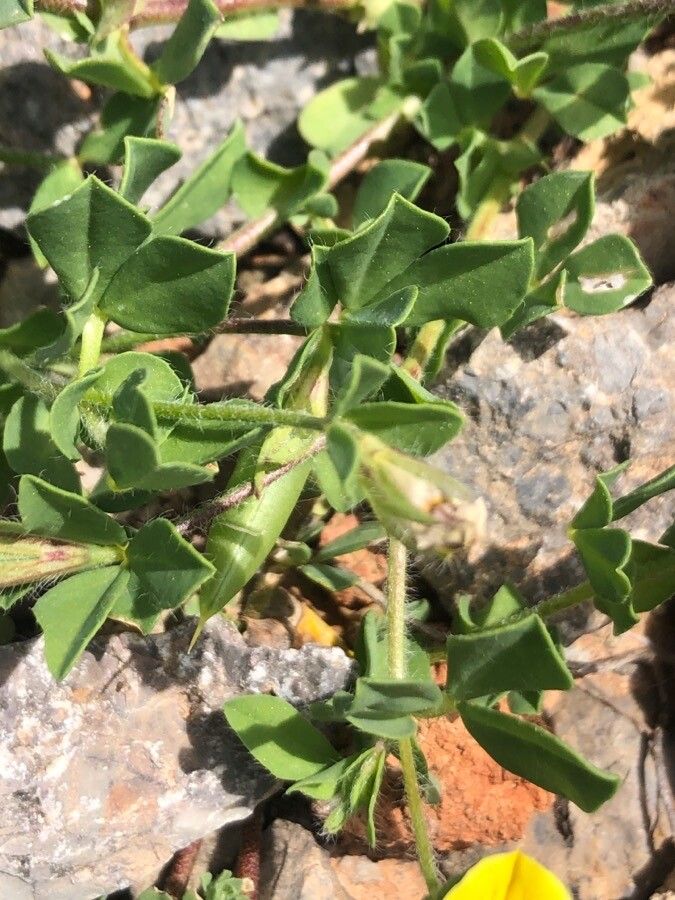
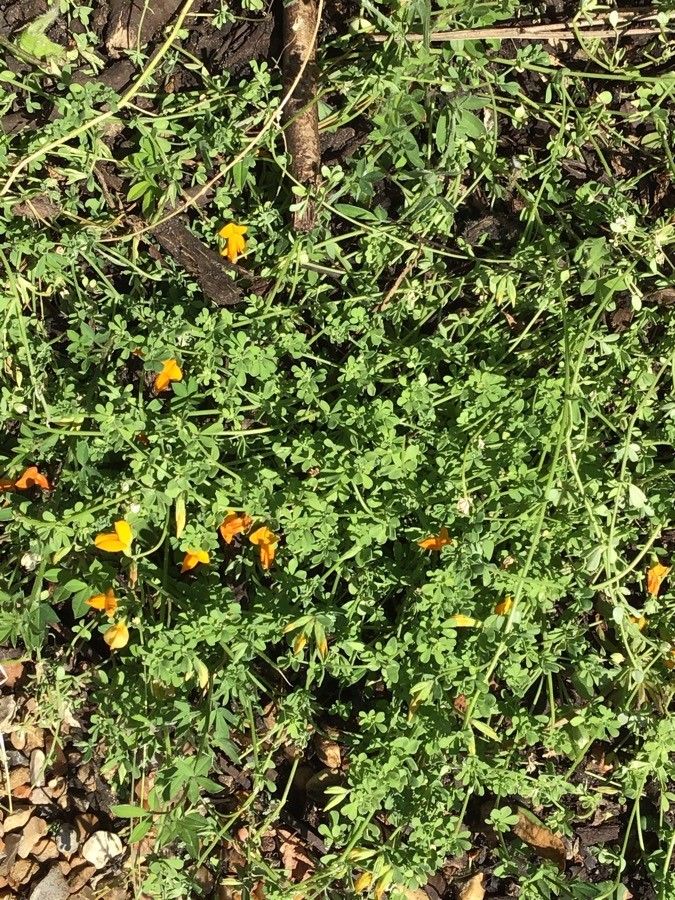
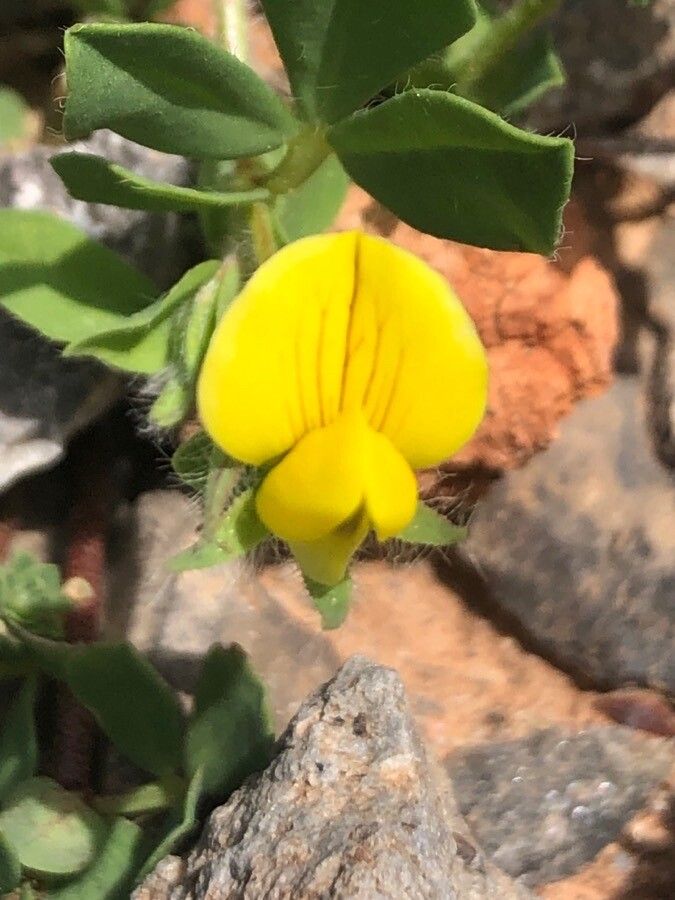
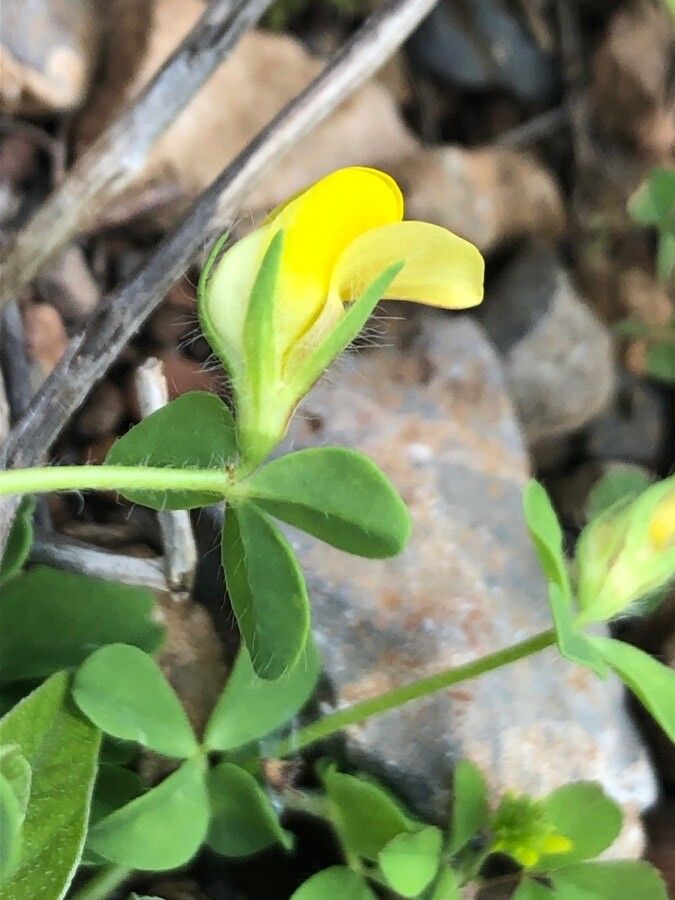
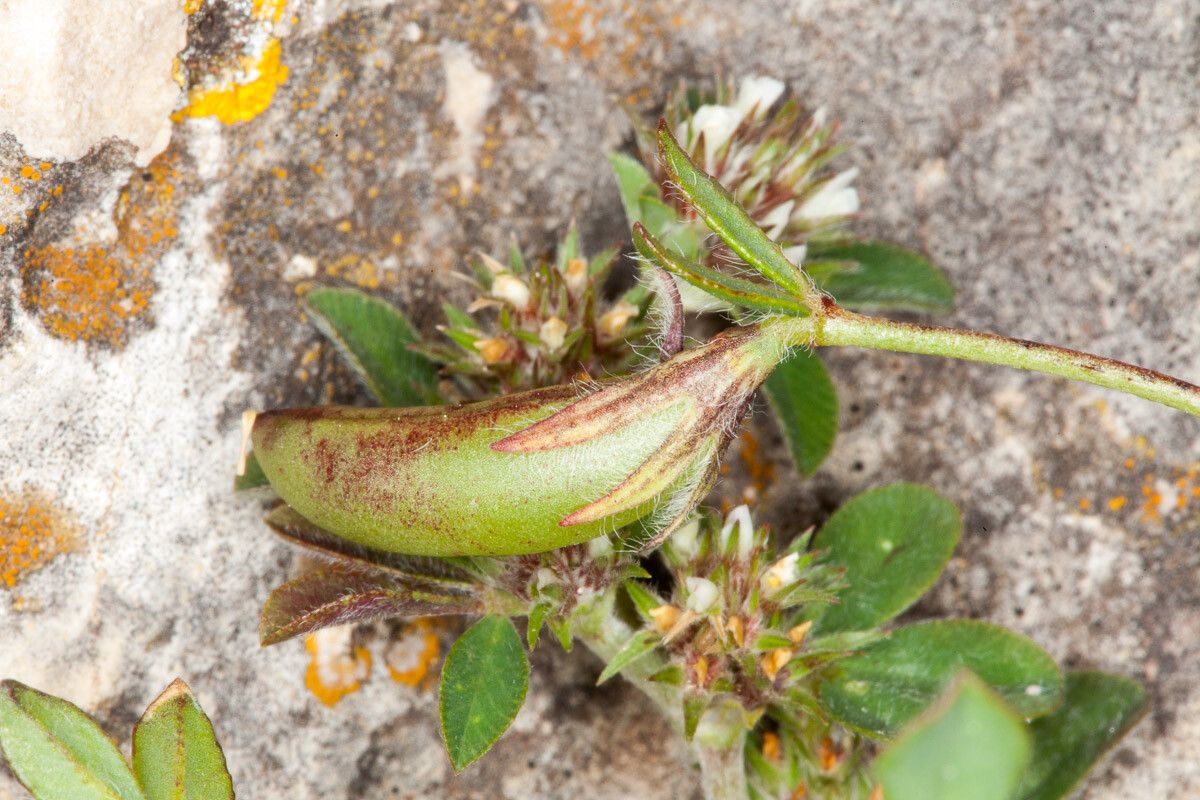
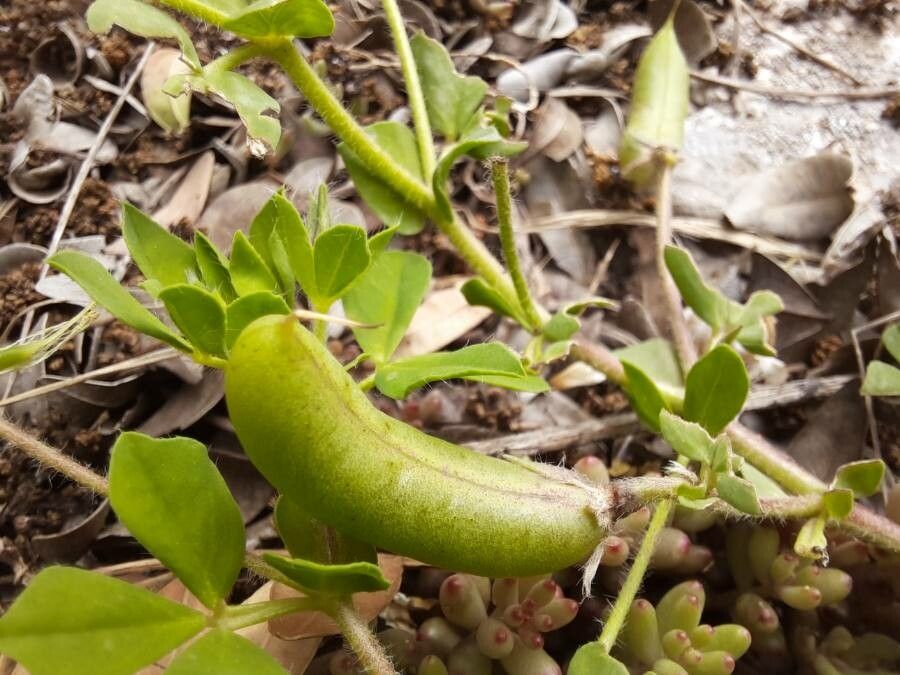
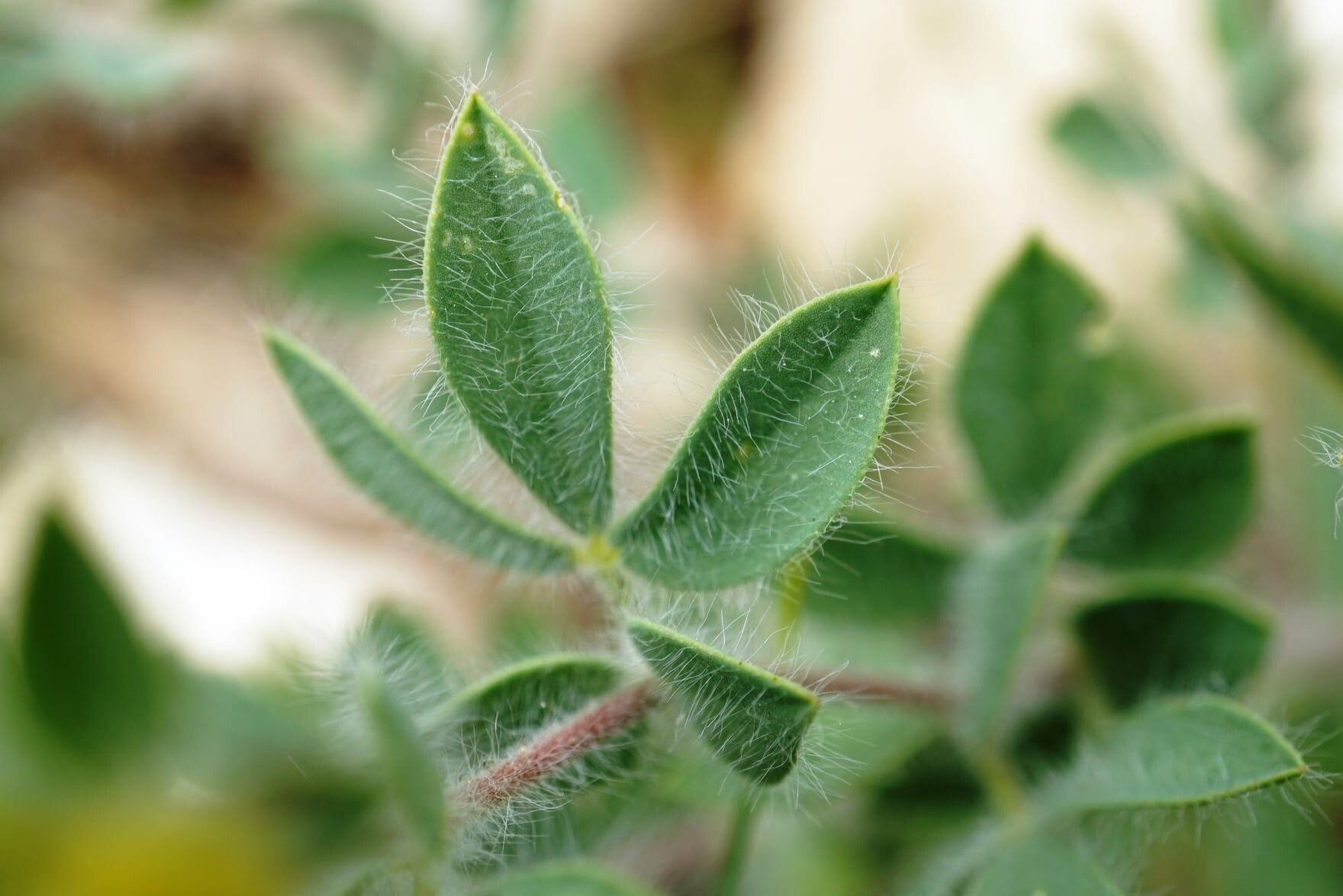
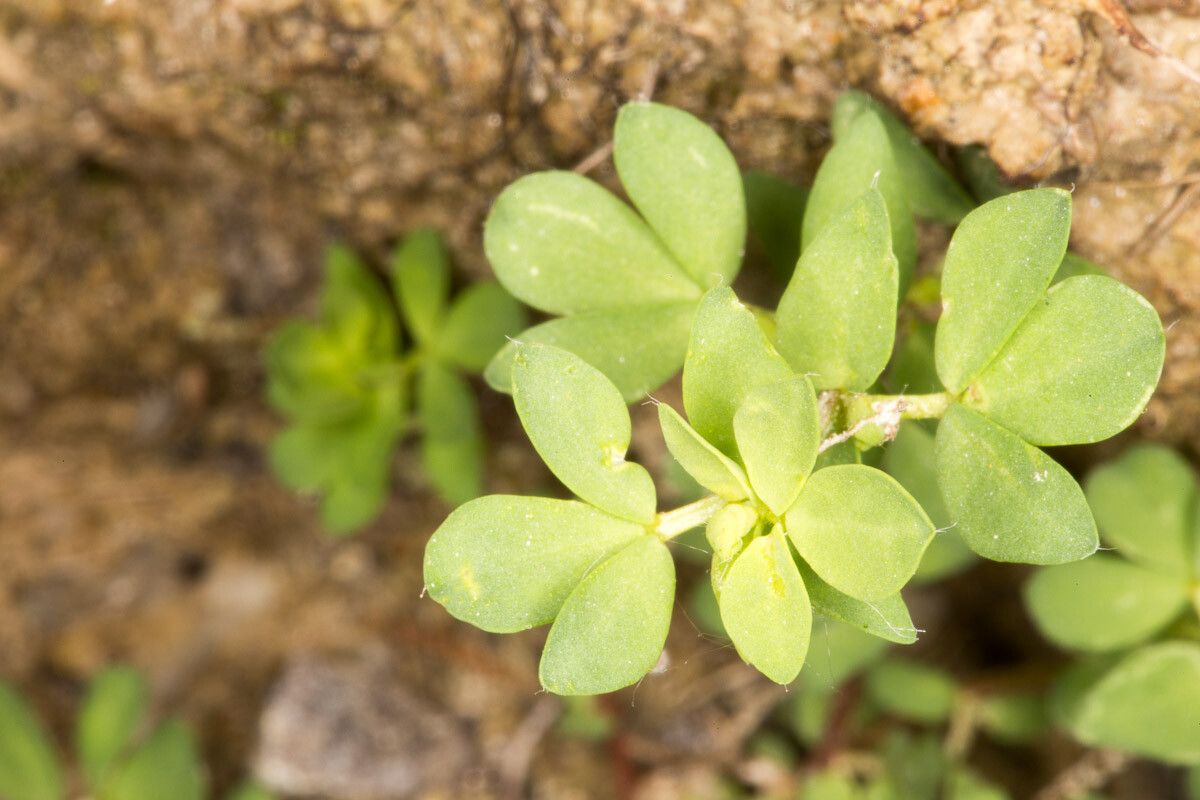
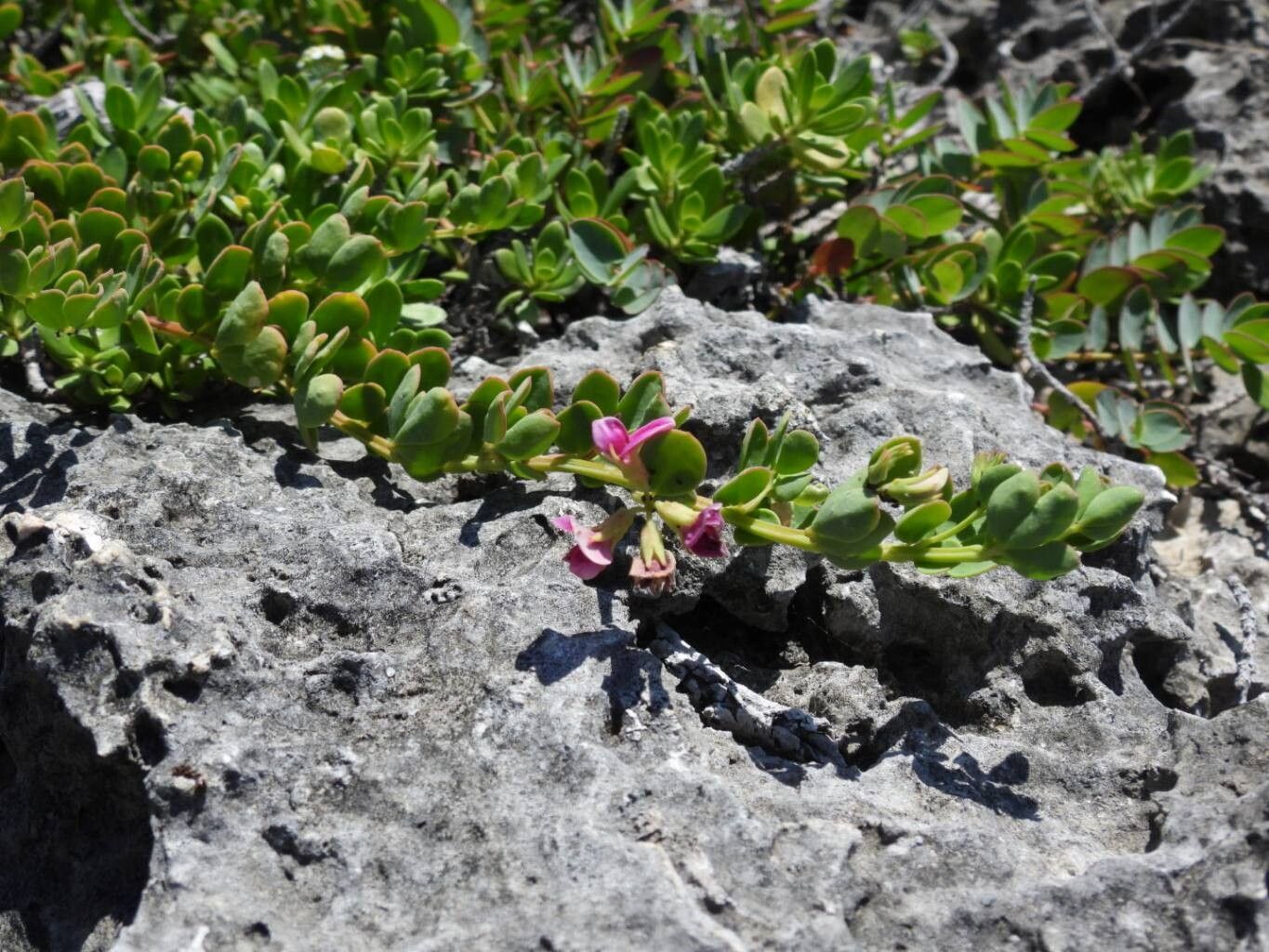
Lotus edulis is a species of annual herb in the family Fabaceae. They have a self-supporting growth form and compound, broad leaves. Individuals can grow to 0.14 m.
Edible bird's-foot-trefoil has strong disease resistance and is generally not vulnerable to illnesses. Still, it can be affected by pests and diseases present in its environment, though such infections tend to be mild. Regarding care, the plant is of medium maintenance. It should be pruned regularly to preserve a neat appearance and healthy growth, and fertilizing can encourage flowering. This plant is appropriate for anyone with an outdoor area, like a garden or patio, and does not demand extensive gardening experience. It may need extra attention if cultivated indoors.
How to keep Lotus Edulis.
Light
Edible bird's-foot-trefoil flourishes in direct, unshaded sunlight, and its healthy development depends strongly on those conditions. Its natural habitat confirms its preference for environments with considerable sun exposure. Both excessive and insufficient light can hinder its growth and overall plant health.
Water
Edible bird's-foot-trefoil, which originates from moderate climates, thrives when it receives consistent moisture without becoming waterlogged. While it prefers weekly watering, it can tolerate short periods of dryness. As an herbaceous perennial, this plant is usually grown outdoors, where it can benefit from natural rainfall during its growing season.
Temperature
Edible bird's-foot-trefoil can adjust to a wide range of temperature conditions, but its distribution may still be limited by different combinations of water and heat conditions. It grows best in warm summer climates with adequate rainfall or watering. Prolonged periods of cloudy and rainy weather, or sustained high temperatures, can increase the likelihood of Edible bird's-foot-trefoil dying. In winter, proper protection from cold can improve the plant's survival rate.
Fertilizer
Once Edible bird's-foot-trefoil has opened most of its blooms to full size, resume fertilizing. When the blooms are at peak output, fertilize once every three to four weeks, weather permitting. Then, after Edible bird's-foot-trefoil begins to put out fewer new blooms, stop fertilizing; there's no need to fertilize when the plant can't produce any more blooms.
Pruning
Edible bird's-foot-trefoil showcases beautiful yellow flowers and has a spreading growth pattern. To maintain its health and encourage lush growth, prune it from early to late spring by removing any damaged stems. Be sure to use clean tools to prevent the spread of disease. Additionally, avoid heavy pruning later in the season to protect new growth from frost damage.
Botanical profile.
- Plant Type
- Herb
- Life Cycle
- Annual
- Genus
- Lotus
- Family
- Fabaceae
- Hardiness Zone
- 8-11
- Mature Height
- 30 cm to 61 cm
- Mature Spread
- 40 cm to 76 cm
- Leaf Color
- Green
- Leaf Type
- Semi-evergreen
- Flower Color
- Yellow
- Flower Size
- 1.02 cm to 2.03 cm
- Bloom Time
- Mid spring, Late spring, Early summer
- Planting Time
- Spring, Summer
- Harvest Time
- Summer
- Native Area
- Libya, Egypt, Tunisia, Turkey, Montenegro, Cyprus, Greece, Croatia, Morocco, Lebanon, Syria, Portugal, Italy, Spain, Albania, Algeria, France
Other names.
Reader questions.
How much should I water my Edible bird's-foot-trefoil plant?
Edible bird's-foot-trefoil requires regular watering throughout the growing season. In the spring, water the plant once a week. As the season progresses and temperatures rise, increase watering to two to three times a week. However, be careful not to exceed this rate as it can harm the plant. It's important to keep the soil moist but not wet, regardless of how often you water. When watering a potted Edible bird's-foot-trefoil, you may need to water it more frequently since the soil in a pot can dry out faster. Generally, watering a potted plant a few times a week is recommended, compared to once a week for a plant in the ground.
What are the sunlight requirements for Edible bird's-foot-trefoil?
Edible bird's-foot-trefoil requires full sun, meaning it needs above 6 hours of sunlight daily to thrive effectively. It's essential to observe the movement of sunlight through your garden to find spots that offer a harmonious balance of light and shade, ensuring the plants' optimal growth and happiness. This plant's successful growth really emphasizes its preference for significant exposure to sunlight, with its natural habitat underscoring this need. Either overexposure or underexposure to light can negatively impact its growth and health.
How much water does my Edible bird's-foot-trefoil require?
There are a few different ways to determine how much water to give your Edible bird's-foot-trefoil. One method is to feel the soil for moisture and water until the first six inches feel moist. Another option is to use a set measurement, such as two gallons per week, but be cautious of overwatering if your plant needs less. When growing in a container, moisten all layers of dry soil and check for moisture by sticking your finger in the soil or noticing excess water drainage.
How can artificial lighting be used for indoor plants, including Edible bird's-foot-trefoil?
When natural sunlight is insufficient, particularly in less sunny spaces or during winter, artificial lights provide a vital solution for indoor plants, including Edible bird's-foot-trefoil, to promote faster, healthier growth. LED lights are recommended because they can be customized to deliver specific wavelengths needed by the plants. For full sun plants, 30-50W/sq ft of artificial light is beneficial; partial sun plants need 20-30W/sq ft, and full shade plants need 10-20W/sq ft. The light source should be placed 12-36 inches above the plant to mimic natural sunlight, and it's crucial to mimic the natural daylight duration, providing most plants with 8-12 hours of light per day.
How do I water my Edible bird's-foot-trefoil at different stages of growth?
Throughout the year, edible bird's-foot-trefoil goes through several growth stages that have differing water requirements. Starting from a seed, it is necessary to provide more water during germination than what will be needed later in the plant's life. This means watering often to maintain consistent soil moisture. As the seed begins to sprout above the soil, slightly less water will be necessary compared to the seedling phase. Once the plant is fully mature, watering once per week is sufficient. However, during flower development, it may be beneficial to provide slightly more water to support the process.
What symptoms indicate inadequate sunlight for Edible bird's-foot-trefoil when grown indoors?
When Edible bird's-foot-trefoil is grown indoors with inadequate light, it may exhibit several symptoms indicating light deficiency. These include smaller new leaves, leggy or sparse growth, premature leaf dropping, halted or absent new growth, paler new leaves, and specific conditions like chlorosis, sunscald, leaf curling, wilting, and leaf scorching. These symptoms reflect the plant's struggle to adapt to insufficient lighting conditions, leading to reduced growth, vitality, and overall health.
How should I water my Edible bird's-foot-trefoil plant?
There are several ways to water Edible bird's-foot-trefoil: using a garden hose with a spray nozzle, a watering can, or any common watering tool. This plant is not too particular about water sources, as it can thrive on rainwater, tap water, or filtered water. However, it's best to avoid watering from above as it can harm the leaves, flowers, and potentially cause disease. Drip irrigation systems are recommended for watering, as they provide even and direct water to the soil. For Edible bird's-foot-trefoil in a container, you can use a cup, watering can, or tap to water directly into the soil.
What are the solutions for Edible bird's-foot-trefoil facing insufficient sunlight?
To support Edible bird's-foot-trefoil in overcoming insufficient sunlight, various strategies can be employed. Indoors, gradually increasing sunlight exposure by moving the plant to sunnier spots each week until it receives at least 6 hours of direct sunlight daily is beneficial. Utilizing south-facing windows and keeping curtains open maximizes sunlight exposure. Artificial lighting, such as desk, ceiling, or professional grow lights, can also be used for at least 8 hours daily. Outdoors, the gradual relocation of plants to sunnier areas helps them adapt without risking sunburn. Addressing ground-level issues involves reducing obstructions like pruning trees or transplanting smaller plants to areas with better sunlight and drainage to facilitate healthier growth and recovery.
What should I do if I give my Edible bird's-foot-trefoil too much water or too little water?
To prevent underwatering Edible bird's-foot-trefoil, regularly water the plant when you notice it lacking moisture. However, overwatering can be more problematic as it can lead to diseases and the plant's decline. To avoid overwatering, choose a sunny location with good drainage to allow excess water to drain away. If you have overwatered a potted Edible bird's-foot-trefoil, consider repotting it with loose soil and a pot that drains efficiently. This will help prevent pooling of water and waterlogged soils.
How can I know if I'm giving enough water to my Edible bird's-foot-trefoil?
Avoiding overwatering can be challenging for Edible bird's-foot-trefoil. These plants have deep roots that require weekly soil moistening, but they are also prone to root rot and browning when overwatered. Underwatering is less of a concern as these plants can withstand a lack of supplemental watering for some time, but excessive neglect may cause wilting and dry leaves.
How do I water my Edible bird's-foot-trefoil in different seasons?
As the season progresses, the water needs of your Edible bird's-foot-trefoil will increase. In spring, watering once per week is sufficient. However, as the summer heat intensifies, you may need to water it more frequently, up to three times per week. This is particularly important for potted Edible bird's-foot-trefoil, as the soil in containers tends to dry out faster in warm weather. In autumn, when the temperature cools down and the sun is less intense, you can reduce the amount of water needed, especially if your Edible bird's-foot-trefoil is still blooming.
What's different about watering Edible bird's-foot-trefoil inside versus outside?
Edible bird's-foot-trefoil mainly grows outside due to several reasons. Firstly, these plants tend to grow too tall for indoor environments. Secondly, they require more sunlight than most indoor locations can offer. If you manage to find a suitable indoor growing spot, you may need to water your Edible bird's-foot-trefoil more frequently compared to growing it outdoors. This is because indoor locations, often dryer due to HVAC units, can cause the soil in containers to dry out quickly.