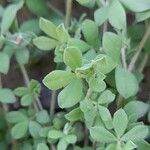
Lotus halophilus
Gazelle's horn · Greater bird's foot trefoil
Description
Source: leafsnapLotus halophilus is a species of annual herb in the family Fabaceae. They have a self-supporting growth form and compound, broad leaves.
Care Guide
💧 Water
☀️ Light Full sun
Greater bird's foot trefoil is a sun-loving perennial herbaceous plant native to open habitats and commonly thriving in meadows and grasslands. It prefers full sun but can also tolerate partial sun.
🌡️ Temperature 15–37.8°C
Greater bird's foot trefoil comes from tropical areas, where the weather is typically warm and humid. As a result, it is well suited to high heat and humidity. It is not fond of sudden temperature changes and prefers a stable thermal environment, so it is important to avoid temperature fluctuations indoors. It generally does not tolerate cold and needs warmer temperatures to grow. If the surrounding temperature falls too low, the plant may stop growing or even die.
💨 Humidity
🪴 Soil 6-8
🌱 Fertilizer
Proper fertilization is vital to Greater bird's foot trefoil's health and appearance. Fertilize Greater bird's foot trefoil in summer, repeating the application monthly throughout the season. Nutrients fuel growth and maintain the plant's parts. Fertilization enhances Greater bird's foot trefoil's flower display, ensuring the best blooms.
🪴 Pot & Repot
✂️ Pruning
🌿 Propagating
🐛 Diseases & pets
☠️ Toxicity
Characteristics
- Plant Type
- Herb
- Life Cycle
- Perennial
- Genus
- Lotus
- Family
- Fabaceae
- Hardiness Zone
- 8-11
- Mature Height
- 20 cm to 30 cm
- Mature Spread
- 30 cm to 49 cm
- Leaf Color
- Green, Dark Green
- Leaf Type
- Deciduous
- Flower Color
- White, Pink
- Flower Size
- 1.02 cm to 2.03 cm
- Bloom Time
- Early summer, Mid summer
- Planting Time
- Spring
- Harvest Time
- Late summer, Early fall
- Native Area
- Saudi Arabia, Libya, Egypt, Tunisia, Turkey, Cyprus, Greece, Morocco, Lebanon, Iraq, Syria, Italy, Oman, Iran, Algeria, Kuwait, Qatar