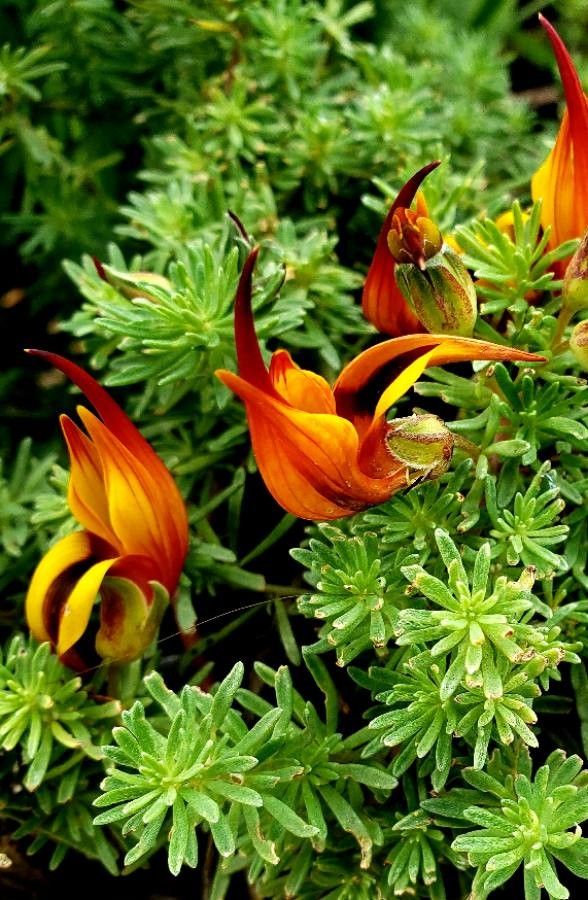
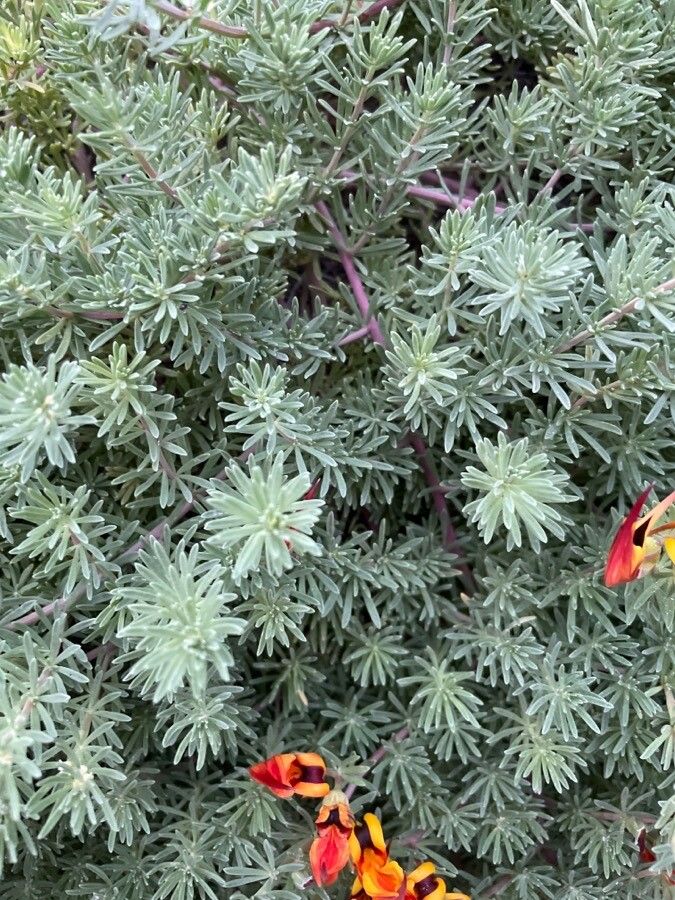
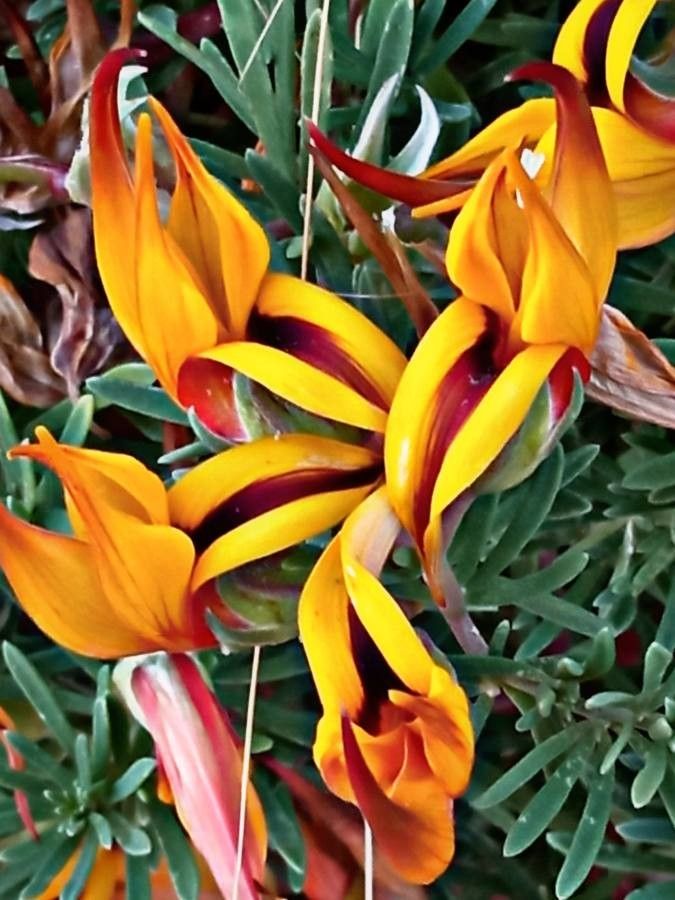
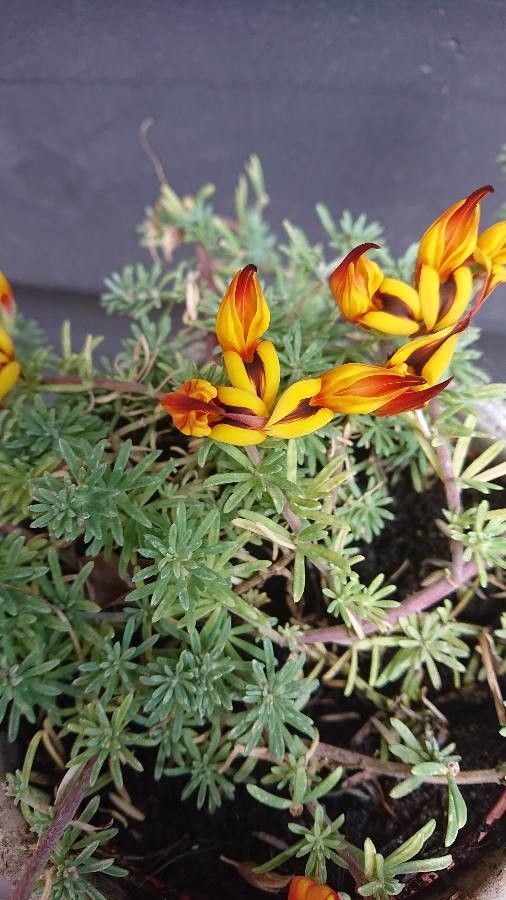
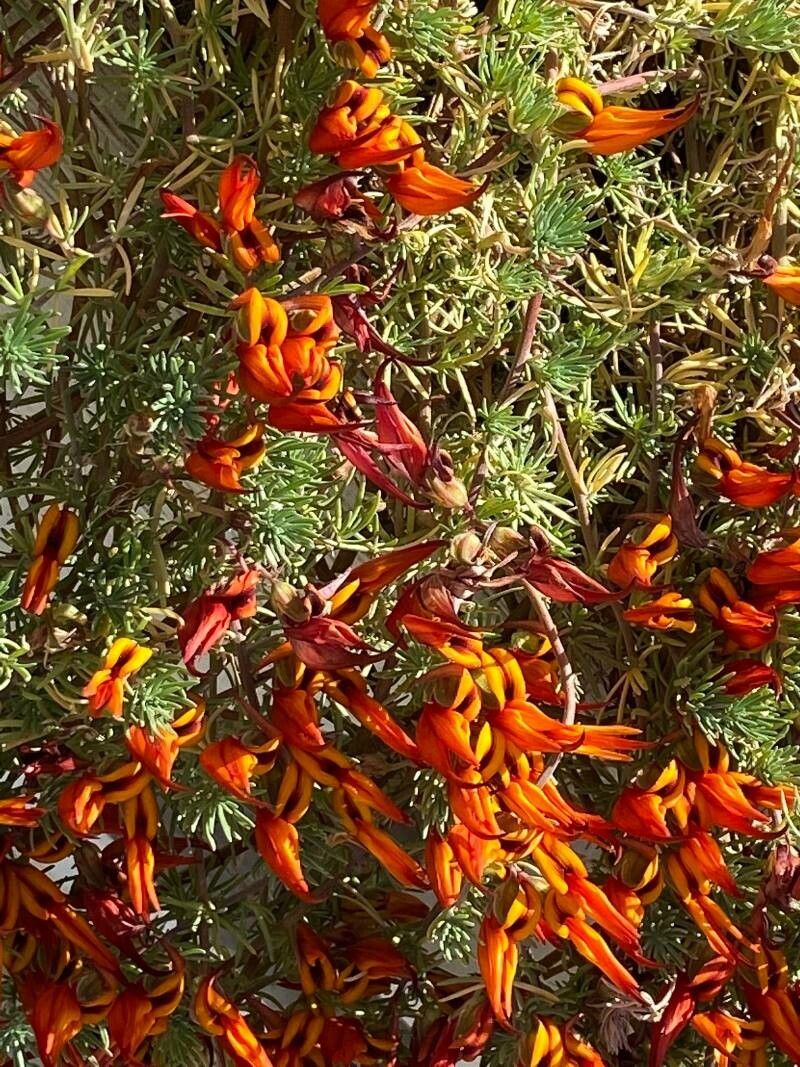
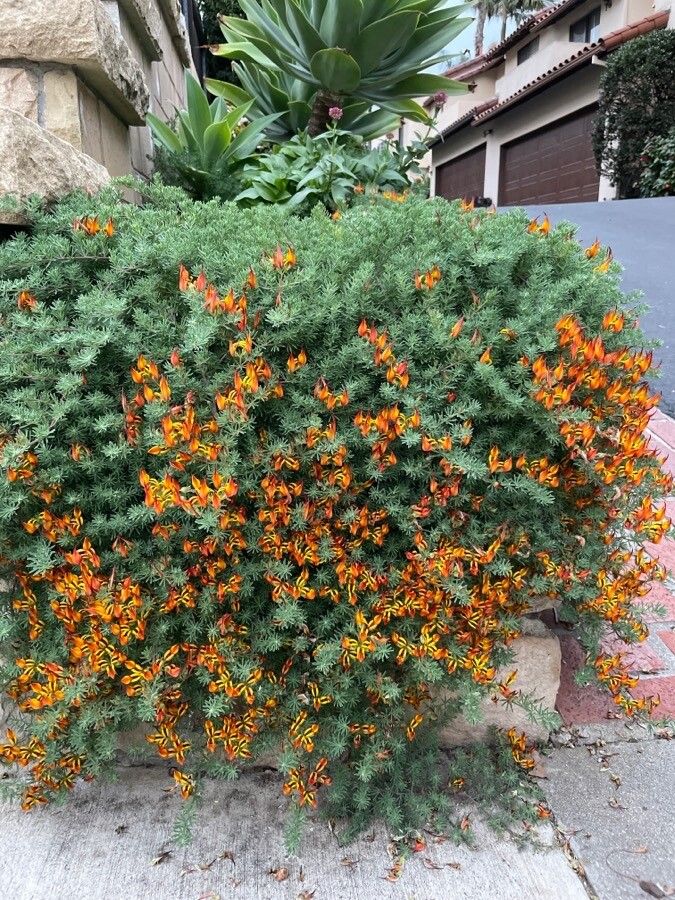
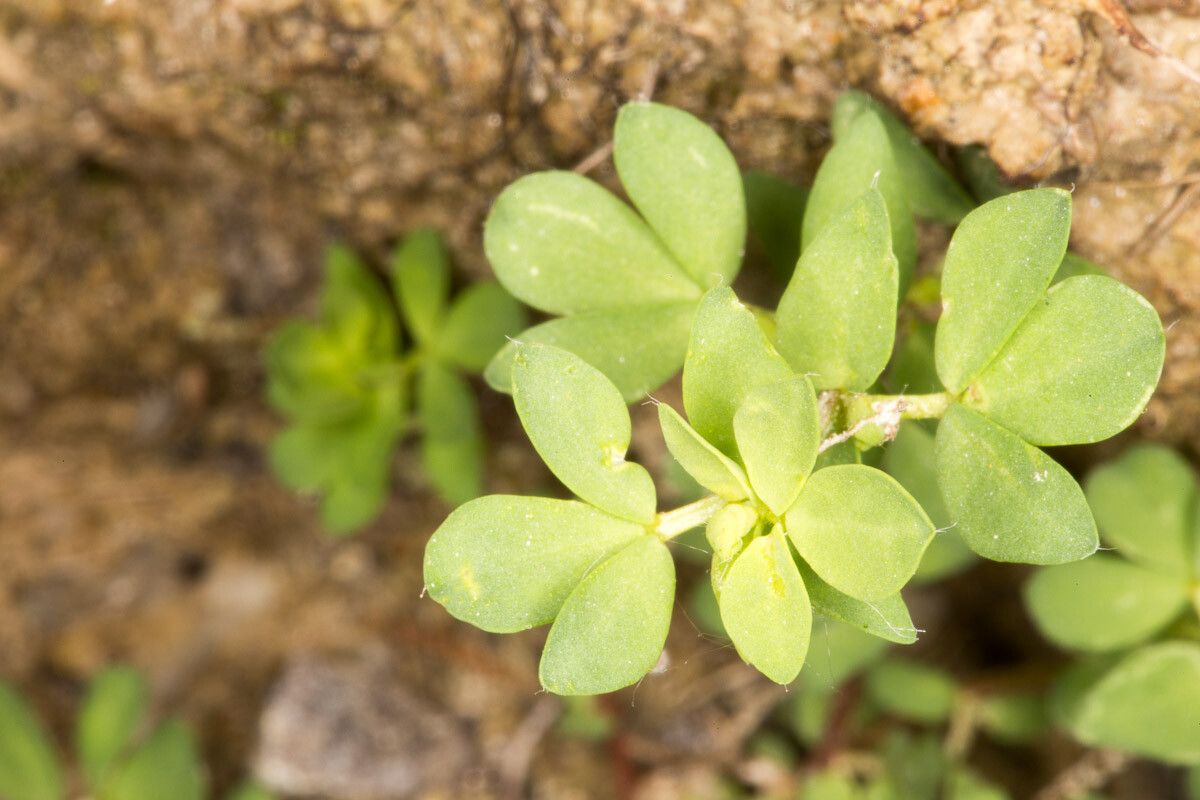
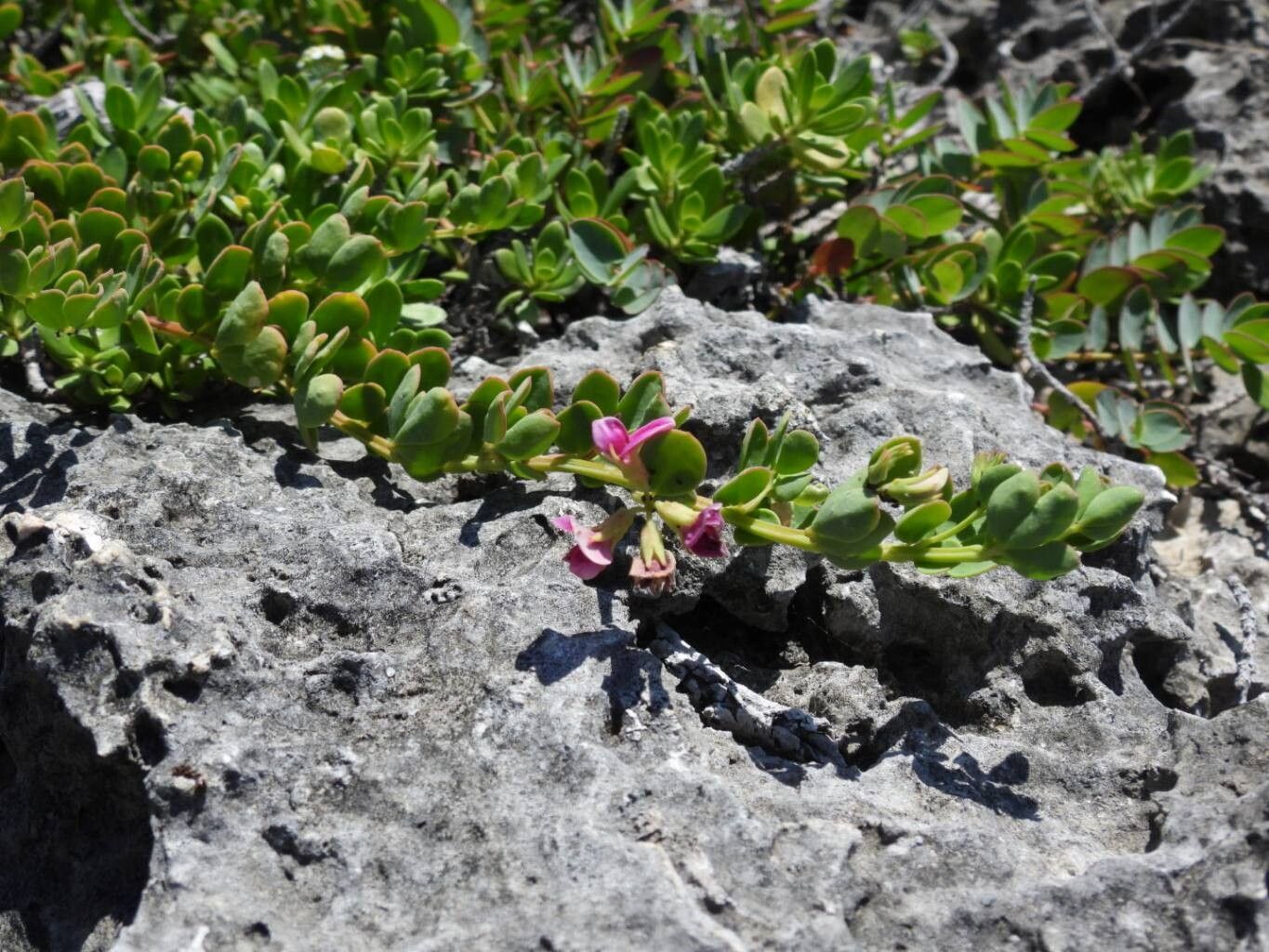
Lotus maculatus, commonly known as fire vine or pico de paloma manchada, is a species of legume endemic to the Canary Islands.
Golden parrot's beak is fairly disease-resistant and typically does not get sick easily. However, it can be vulnerable to pests and diseases present in its surroundings. These infections tend to be mild. In terms of care, the plant needs moderate maintenance. It requires regular pruning to keep a good appearance and support healthy growth. Fertilizing can also help stimulate flowering. Golden parrot's beak is suitable for anyone with outdoor space, such as a garden or patio, and does not demand extensive care experience. It may need more attention when grown indoors.
How to keep Lotus Maculatus.
Light
Golden parrot's beak comes from bright, open environments and flourishes in full sun. It can tolerate partial sun but favors direct sunlight for optimal growth. This annual and biennial plant is known for its sun-loving nature.
Water
The golden parrot's beak flourishes in moderate humidity and is tolerant to drought. To keep it healthy, it's important to water it weekly. As an evergreen plant, it can adapt to different climate zones while maintaining its vibrant foliage, provided it receives enough water.
Temperature
The Golden parrot's beak demonstrates good temperature adaptability, tolerating higher heat and larger temperature fluctuations. In hot weather, attention should be paid to watering and providing suitable shade to avoid sunburn. Conversely, the Golden parrot's beak has relatively poor tolerance for low temperatures. While it can endure a certain amount of cold, excessively low temperatures can cause frost damage.
Fertilizer
When most of the Golden parrot's beak blooms have fully opened, resume fertilizing. At the peak of blooming, fertilize every three to four weeks, weather permitting. Once the Golden parrot's beak begins to set fewer new blooms, stop fertilizing; there is no need to feed the plant when it cannot produce more flowers.
Pruning
To keep your golden parrot's beak plant healthy and vibrant, it's important to prune it regularly from early to late spring. This encourages new growth and helps the plant become bushier. To do this, remove any dead stems and trim back long branches. This will improve air circulation, reduce the risk of fungal problems, and encourage more blooming. By pruning, you ensure the plant remains healthy and vigorous, enhancing its ornamental appeal.
Botanical profile.
- Plant Type
- Herb
- Life Cycle
- Annual
- Genus
- Lotus
- Family
- Fabaceae
- Hardiness Zone
- 9-11
- Mature Height
- 20 cm
- Mature Spread
- 2.13 m
- Leaf Color
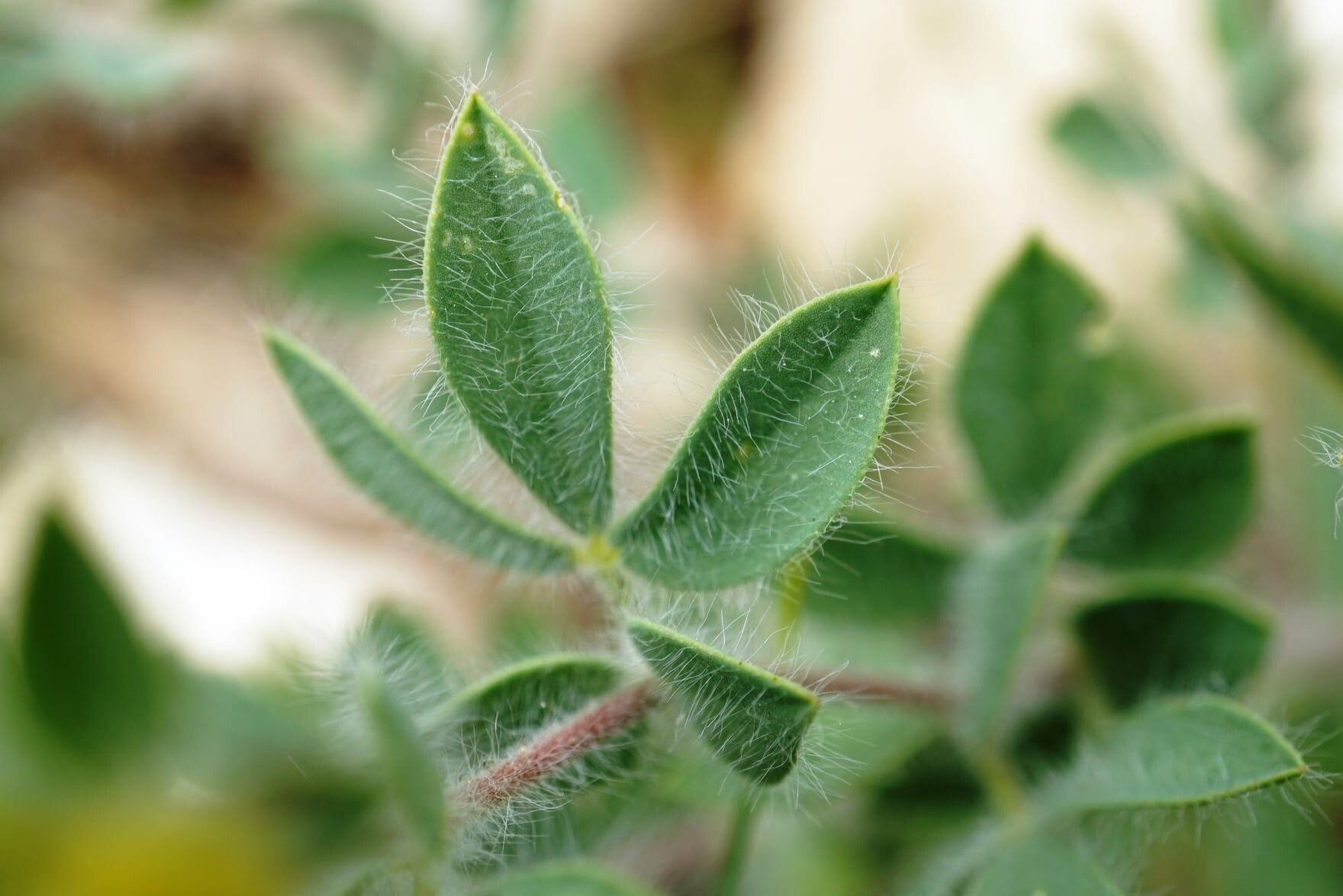
- Light Green, Dark Green
- Leaf Type
- Semi-evergreen
- Flower Color
- Yellow, Orange
- Flower Size
- 1.02 cm to 2.03 cm
- Bloom Time
- Late spring, Summer, Early fall
- Planting Time
- Spring, Summer, Autumn
- Harvest Time
- Mid summer, Late summer, Fall
Other names.