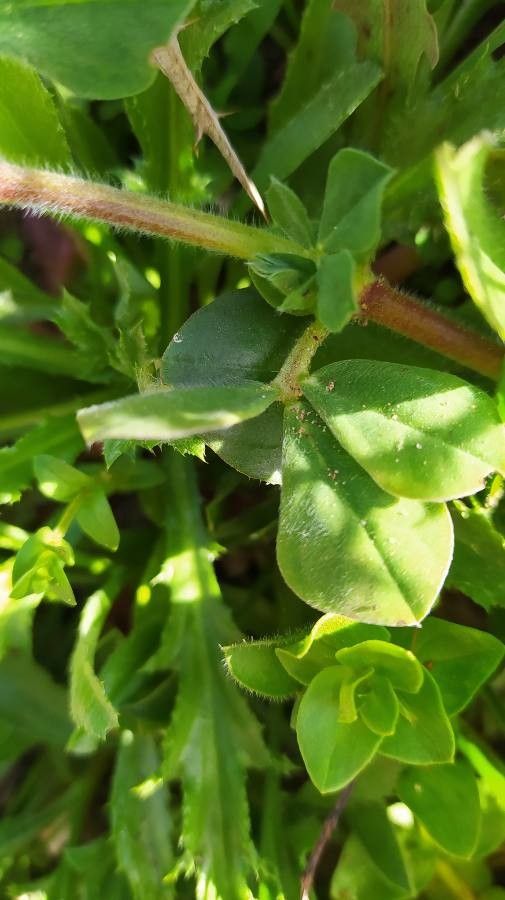
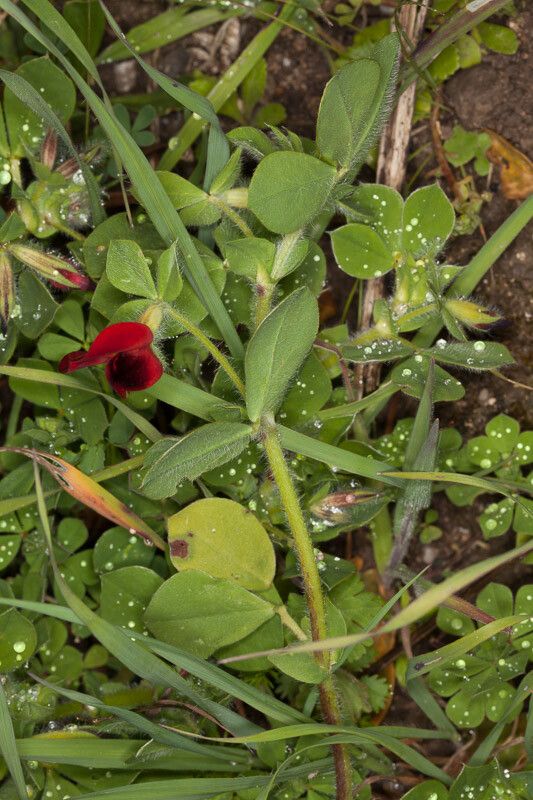
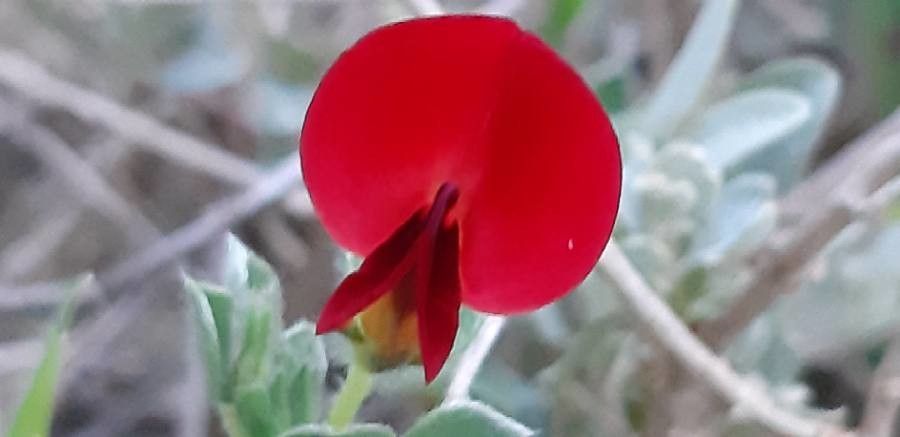
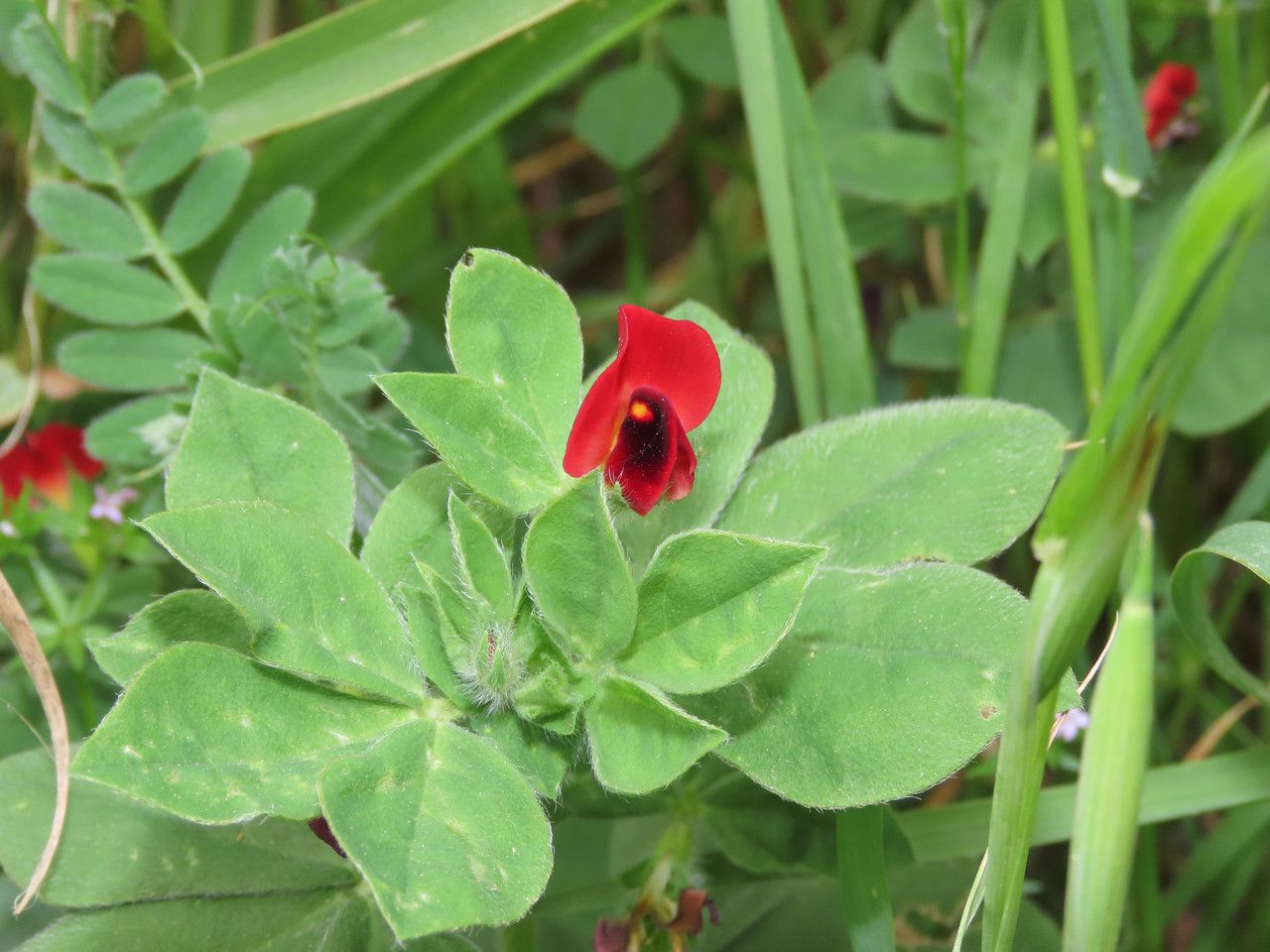
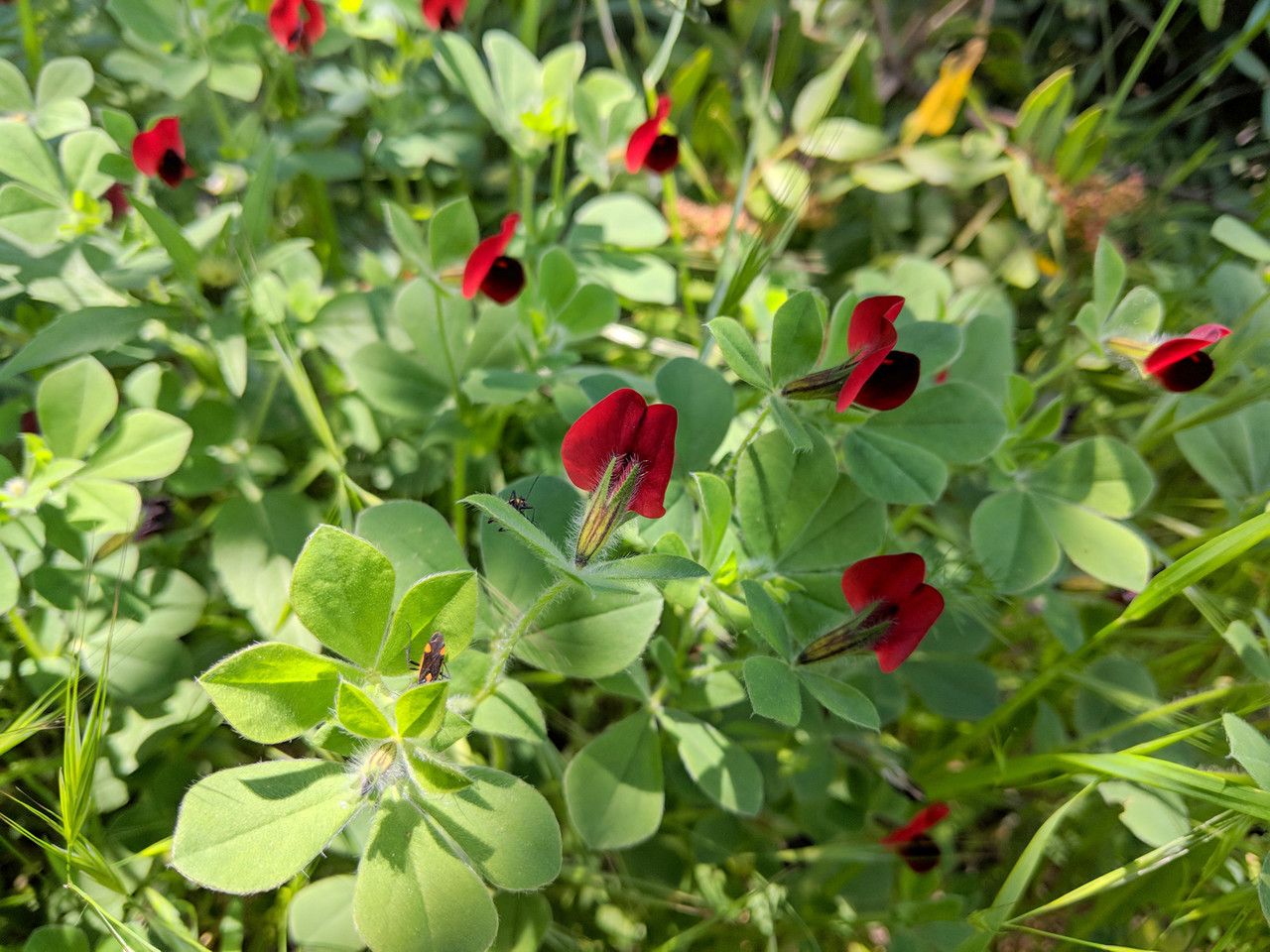
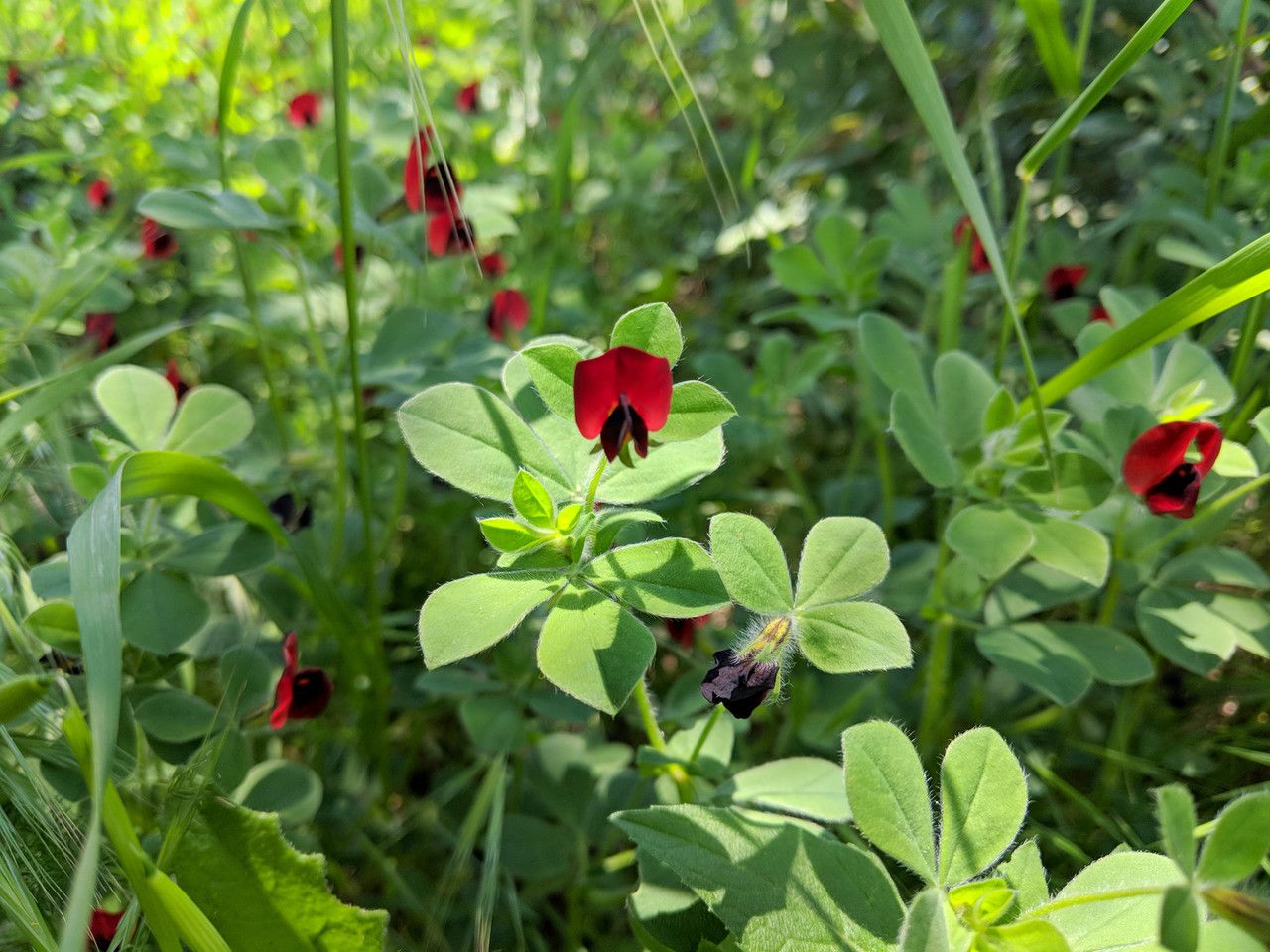
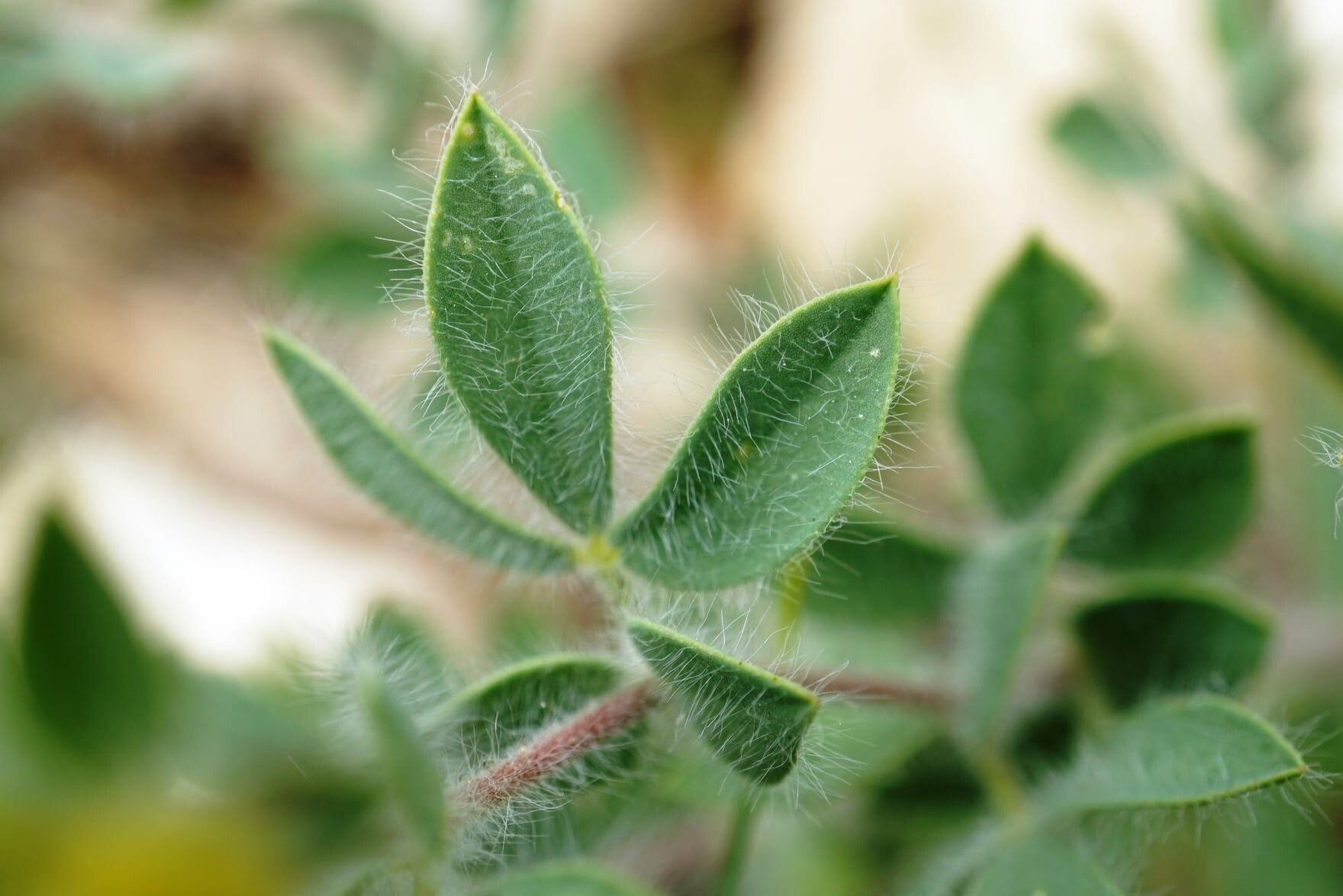
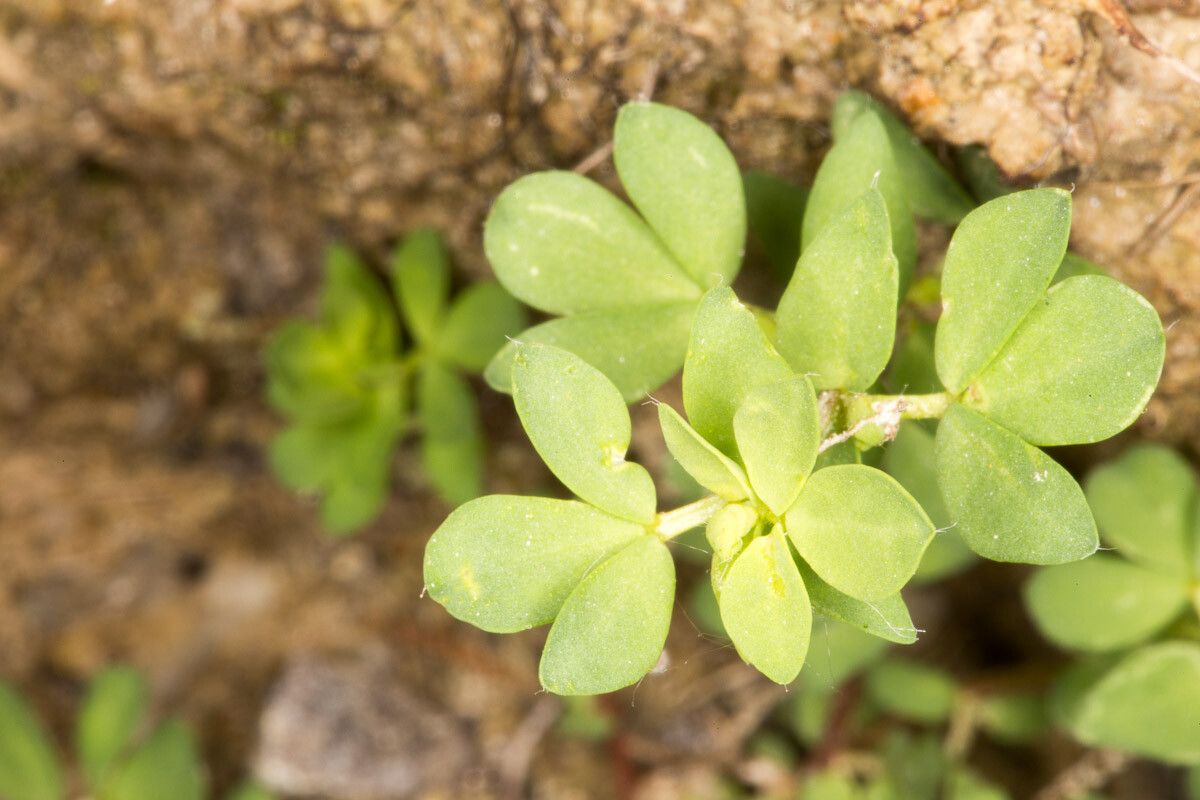
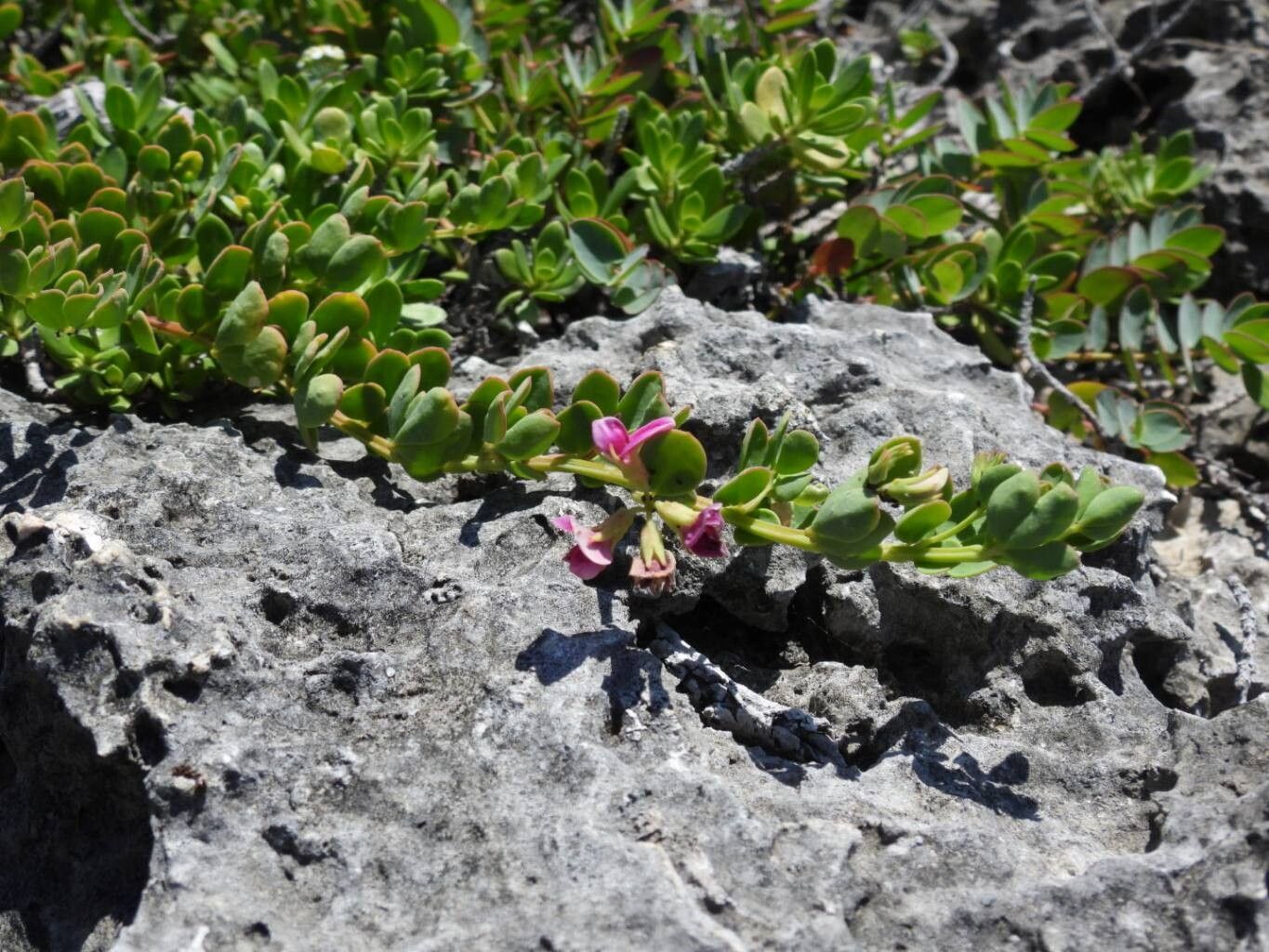
Lotus purpureus, known as asparagus-pea or winged pea, is an annual leguminous herb native to the countries around the Mediterranean, although introduced elsewhere. It is low growing, and produces a profusion of prominent deep red flowers, followed by seed pods that are longitudinally winged.
It is cultivated for its edible green seed pods, which are one of the vegetables known as asparagus pea or winged pea.
Asparagus-pea has moderate resistance to diseases but can be vulnerable to problems like leaf spot. Its susceptibility to insect pests varies by variety, yet most types are relatively prone to pest damage. Regarding care, asparagus-pea requires consistent watering and fertilization, along with regular removal of yellowing leaves. It’s important to manage pests and diseases as soon as they appear and to harvest the plant promptly. Asparagus-pea is best suited to those who can allocate time and effort for routine care.
How to keep Lotus Tetragonolobus.
Light
Asparagus-pea does best in unobstructed sunlight, relying on it for healthy growth. It comes from habitats where light is plentiful and unrestricted. Insufficient light can limit its development, while too much exposure generally does not cause significant harm.
Water
Asparagus-pea thrives in temperate regions and prefers well-drained soil with consistent moisture levels. While it can tolerate short dry periods, it is best to water it weekly. Be careful not to over-water, as this can be harmful. Using rainwater for irrigation is especially beneficial because it aligns with the plant's natural growth cycles.
Temperature
Asparagus-pea is native to climates with temperatures of 68 to 95°F (20 to 35°C). It favors heat and does well in these warmer conditions. If temperatures fall outside this ideal range, seasonal adjustments may be needed to ensure successful growth.
Fertilizer
To feed Asparagus-pea, use either natural or commercial fertilizers that are high in nitrogen for leaf development, phosphorus for root and flower formation, and potassium for photosynthesis and optimal fruit production. Plant in spring, enrich the soil with compost or manure, and fertilize seedlings once they are 2-4 inches tall. A shortage of macronutrients results in slow growth, wilting, and poorer fruit quality.
Pruning
To help asparagus-pea thrive, it is important to prune it regularly. This includes removing dead or spent flowers and trimming any overgrown parts, ideally from early to late spring. Regular pruning enhances air circulation, reduces the risk of disease, and encourages continuous blooming, resulting in healthier growth and more plentiful flowers.
Botanical profile.
- Plant Type
- Herb
- Life Cycle
- Annual
- Genus
- Lotus
- Family
- Fabaceae
- Hardiness Zone
- 5-8
- Mature Height
- 49 cm
- Mature Spread
- 76 cm
- Leaf Color
- Green
- Leaf Type
- Semi-evergreen
- Flower Color
- Red
- Flower Size
- 1.02 cm to 2.03 cm
- Bloom Time
- Mid spring, Late spring, Early summer
- Planting Time
- Spring, Summer
- Harvest Time
- Summer
Other names.
Reader questions.
What should I do if I give my Asparagus-pea plant too much or too little water?
To address underwatering, simply water your Asparagus-pea plant more consistently when you notice it lacks moisture. However, overwatering can be a more serious issue if not caught early. Overwatering can lead to diseases and eventually kill the plant. To avoid this, choose a growing location that has ample sunlight to dry the soil and good drainage to prevent water from accumulating. If you have overwatered an Asparagus-pea in a pot, it may be necessary to transfer it to a new pot with better drainage. When repotting, use loose soil and a pot that drains well.
When should I fertilize my Asparagus-pea to get the best results?
Asparagus-pea grows rapidly in the early part of the growing season, after the last frost. It's best to fertilize Asparagus-pea during this period, when you first plant it in the ground or in planters. This initial fertilization will be sufficient until later in the year when the plant is blooming. Once the blooming season is in full swing and most of the blooms are at their peak size, you should begin fertilizing again every three to four weeks, as long as the weather permits. However, once Asparagus-pea starts producing fewer new blooms, you can stop fertilizing as there is no need to continue when the plant is no longer blooming.
What are the sunlight requirements for Asparagus-pea?
Asparagus-pea thrives best in full sunlight conditions, requiring above 6 hours of sunlight daily. This plant originates from habitats with ample and unrestricted sunlight, which is essential for its healthy growth. It's important to observe your garden's sun exposure throughout the day to find spots with the perfect balance of light and shade, ensuring the plant's happiness. Insufficient light can hinder its development, though the plant generally tolerates excessive exposure without substantial harm.
What are the ideal growing conditions for Asparagus-pea?
Asparagus-pea thrives in climates where temperatures range between 68 to 95°F (20 to 35°C), flourishing in warm conditions. Although it has strong cold resistance, it is important to make adjustments if growing outside this optimum temperature range to ensure successful growth. For instance, during winter in areas where temperatures are expected to drop below -25°C, it's crucial to provide protection against the cold by covering the plant with soil or straw and watering it abundantly before the first freeze in autumn to keep the soil moist and prevent drought and water scarcity during winter and early spring.
How frequently do I need to water my Asparagus-pea?
To keep your Asparagus-pea healthy, it's important to water it regularly but not excessively. In the spring, watering once a week should be sufficient. As the weather gets warmer, you may need to increase the frequency to two to three times per week. However, be careful not to overwater, as this can harm the plant. Regardless of how often you water, make sure the soil remains relatively moist but not soaking wet. If you have an Asparagus-pea in a pot, keep in mind that the soil can dry out quicker than ground soil. Therefore, you'll need to water it a few times per week, compared to just once per week for an in-ground plant.
Why should I fertilize my Asparagus-pea?
Plants, including Asparagus-pea, require nutrients to survive. This is common knowledge among gardeners, regardless of their experience level. Without proper nourishment, Asparagus-pea will not last long after pollination. To ensure its longevity and the production of vibrant flowers, it is crucial to provide the right nutrients in the correct quantities. Fertilizer is particularly beneficial for Asparagus-pea, as it helps develop a robust and healthy root system. Due to its delicate and thin roots, this plant needs all the assistance it can get to avoid damage. By fertilizing during planting, Asparagus-pea can establish a sturdy foundation that not only offers support but also sets the scene for remarkable blooming. Well-timed fertilization can significantly prolong Asparagus-pea's flowering season.
How can artificial lighting supplement sunlight for Asparagus-pea?
Indoor plants, including Asparagus-pea, may require artificial lighting for optimal growth when natural sunlight is insufficient. This is particularly true in winter or in less sunny spaces. LED lights are a popular and effective choice, as they can be tailored to provide specific wavelengths of light that plants need. For full sun plants, 30-50W/sq ft of artificial light is recommended; for partial sun plants, 20-30W/sq ft; and for full shade plants, 10-20W/sq ft. The artificial light source should be placed 12-36 inches above the plant and kept on for 8-12 hours per day to mimic natural daylight hours.
How does Asparagus-pea react to low temperatures?
Asparagus-pea is cold-tolerant, performing best when temperatures stay above 20°C. Throughout the winter, it is advisable to ensure that temperatures remain above 0°C. Exposure to temperatures below -25°C may not show immediate noticeable changes during winter; however, a significant decrease in sprouting or a complete lack of sprouting may occur in spring. A solution for any parts of the plant that fail to sprout by spring is to simply remove them.
How do I water my Asparagus-pea at different times it's growing?
Asparagus-pea goes through various growth stages throughout the year, with each stage having different water requirements. When you initially plant Asparagus-pea from a seed, it is important to provide ample water for germination and to maintain consistent soil moisture. As the plant grows out of the soil, it will require slightly less water compared to when it was a seedling. Once the plant is fully mature, you can switch to a regular watering schedule of once per week. During flower development, you may need to increase watering slightly to support the process.
When should I not put fertilizer on my Asparagus-pea plant?
Regular fertilizing is important for Asparagus-pea, but it's crucial to apply it at the right time. Sometimes, it's necessary to hold back on fertilizer due to climate-related factors or controllable factors. If something is wrong with the plant, soil, or climate, it's best to wait until the issue is resolved and the plant has recovered. For instance, if there are sudden severe weather changes, like a cold snap in the middle of summer, wait for warmer weather before fertilizing. Likewise, if the soil is too dry or compacted, it won't effectively absorb the fertilizer. Avoid fertilizing during extremely hot temperatures, like when it reaches 90 degrees Fahrenheit, as the fertilizer can break down too quickly. It's also important to address and eliminate any pests or diseases before reapplying fertilizer.
What are some common symptoms of insufficient light in Asparagus-pea?
When Asparagus-pea is grown indoors or in conditions of inadequate light, it may exhibit signs such as smaller new leaves, leggy or sparse growth, faster leaf drop, slower or no new growth, and lighter-colored new leaves. These symptoms indicate light deficiency, affecting the plant's ability to photosynthesize efficiently and maintain robust health. Additionally, excessive sunlight can cause issues like chlorosis, sunscald, leaf curling, wilting, and leaf scorching, which harm the plant's overall health.
What should I do if my Asparagus-pea experiences high temperatures?
During summer, it's crucial to keep the Asparagus-pea's surrounding temperature below 35°C. Exposure to temperatures above 38°C can cause the plant's leaves to lighten in color, become prone to curling, suffer from sunburn, and in severe cases, the entire plant may wilt and dry out. To counteract these effects, trim away any sunburned and dried parts of the plant. Moving the plant to a shaded area during the midday and afternoon sun or using a shade cloth can provide necessary protection. Additionally, watering the plant in the morning and evening helps keep the soil moist and supports the plant's health in high temperatures.