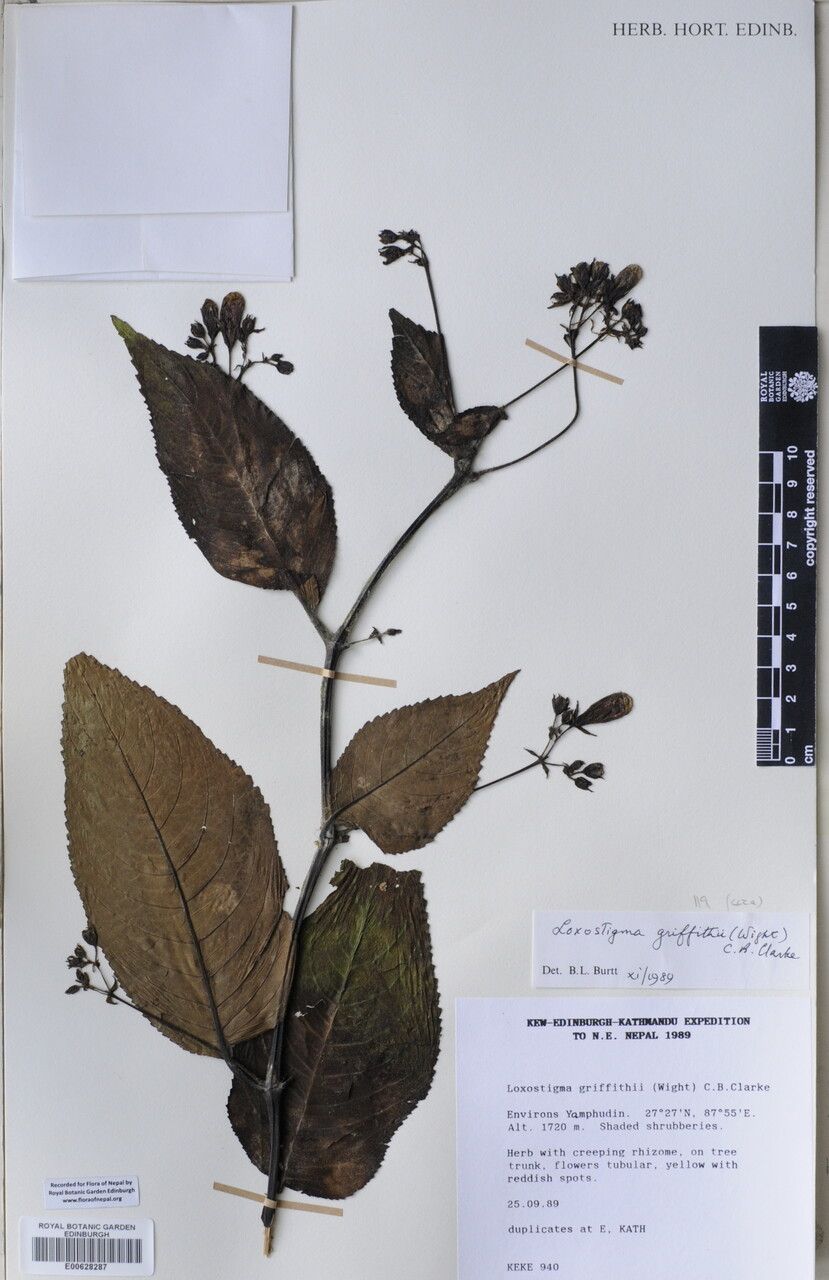
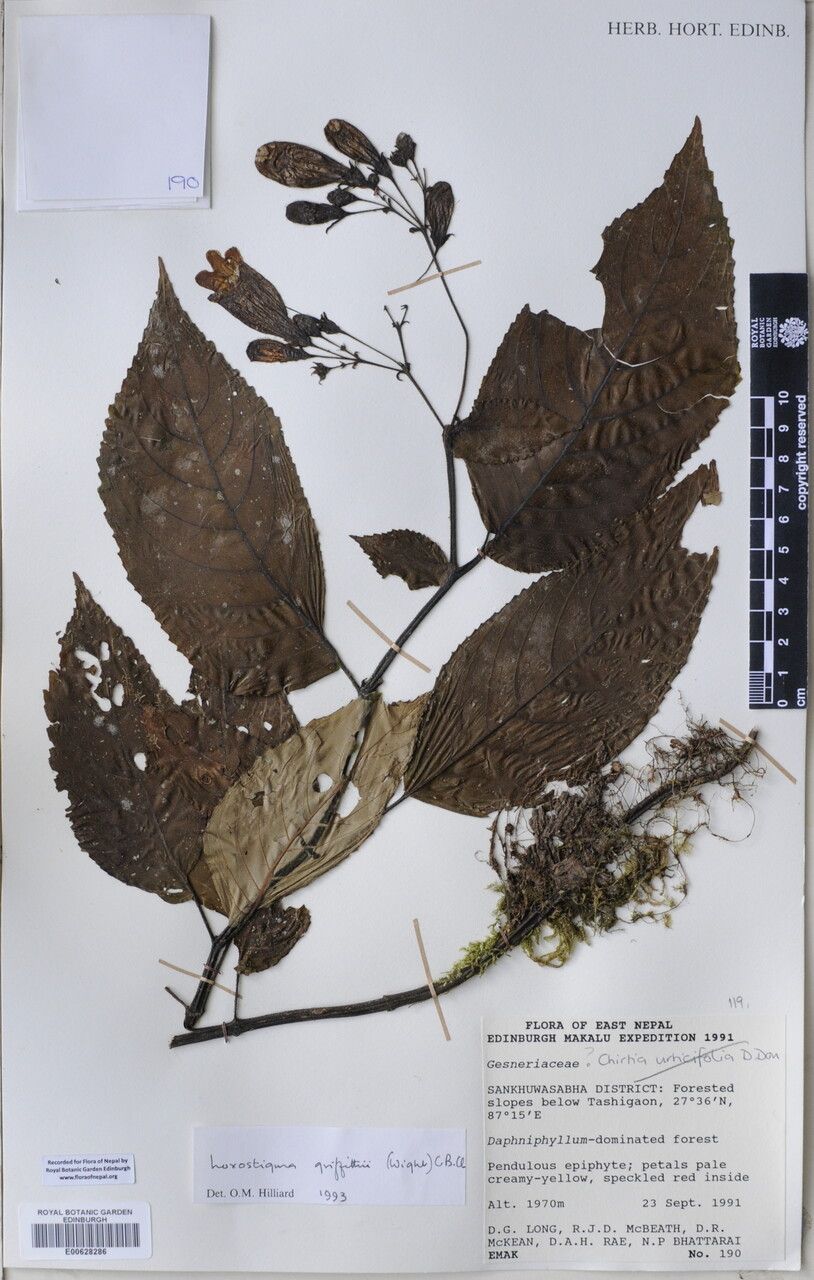
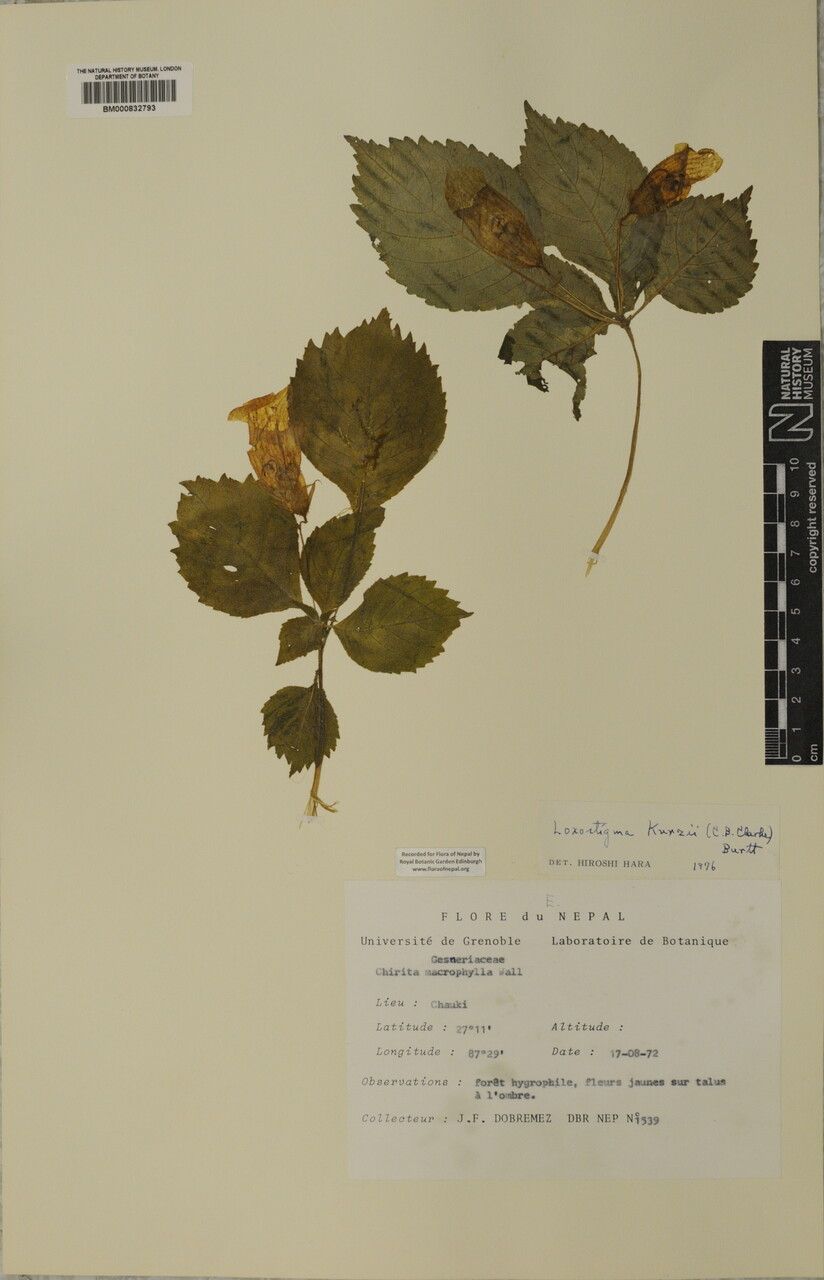
Griffith's hairy-bells is fairly resistant to disease and typically does not suffer from illnesses. Regarding care, this plant is relatively low-maintenance. Planted outdoors, it needs little watering, and larger specimens usually do not require pruning. Smaller plants, however, should be pruned after they have finished blooming. Griffith's hairy-bellst is suitable for anyone with outdoor space, such as a garden or deck, and does not require much plant-care experience.
How to keep Loxostigma Griffithii.
Light
Griffith's hairy-bells flourish in areas like understory forests or rocky terrains where there is naturally occurring shade. They largely need partial sunlight yet can flourish either in complete sun or full shade, revealing their resilient and flexible characteristics.
Water
Griffith's hairy-bells thrive in humid environments and need moderate watering every 2-3 weeks. The goal is to keep the soil damp but not waterlogged. This plant grows well indoors, making it an ideal choice for terrariums or bathrooms, where higher moisture levels are naturally maintained.
Temperature
Griffith's hairy-bells displays a positive ability to adapt to temperature changes, enduring both warmer temperatures and wider temperature swings. In periods of high heat, careful watering and suitable shading are essential to shield them from getting sunburned. On the other hand, Griffith's hairy-bells have a relatively limited capacity to tolerate colder temperatures. They can manage a certain level of cold, but extremely cold conditions may result in frost harm.
Fertilizer
Fertilizing Griffith's hairy-bells should be done with precision. Apply the fertilizer at the start of spring and continue on a monthly basis until the onset of summer. Fertilizer aids in creating beautiful flowers while supplying energy throughout dormant and active growth periods.
Pruning
Griffith's hairy-bells are known for their distinctive bell-shaped, hairy flowers. To promote growth and enhance flowering, it's recommended to prune them in early spring. During pruning, remove any dead or crowded stems to improve air circulation. Proper pruning helps maintain the plant's shape and stimulates new growth, ensuring a healthy plant and vibrant blooming cycle.
Botanical profile.
- Plant Type
- Shrub
- Life Cycle
- Perennial
- Genus
- Loxostigma
- Family
- Gesneriaceae
- Hardiness Zone
- 9-11
- Mature Height
- 91 cm
- Mature Spread
- 40 cm to 76 cm
- Leaf Color
- Forest Green, Dark Green
- Leaf Type
- Evergreen
- Flower Color
- Yellow, Green, Purple, Brown
- Flower Size
- 1.52 cm to 2.03 cm
- Bloom Time
- Summer, Early fall, Mid fall
- Planting Time
- Spring, Summer
- Harvest Time
- Fall
- Native Area
- Nepal, India, Cambodia, Vietnam, Myanmar, Bhutan, Laos, China