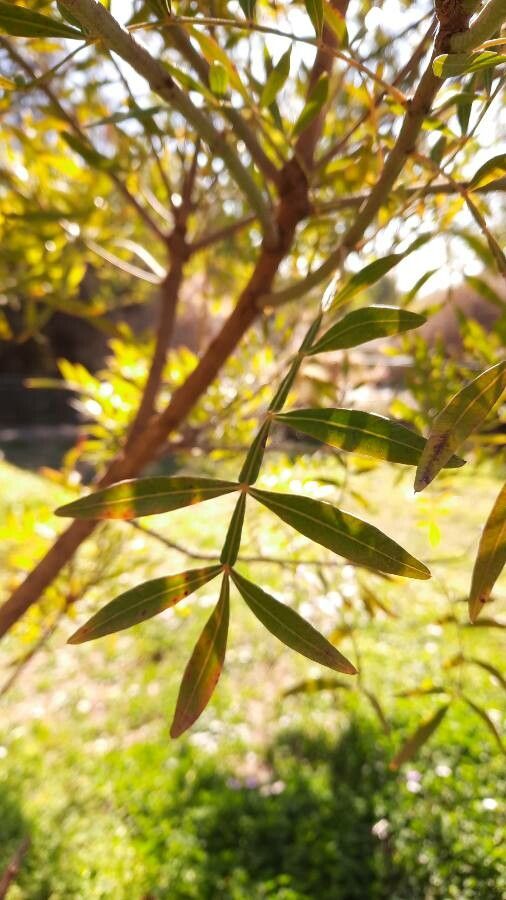
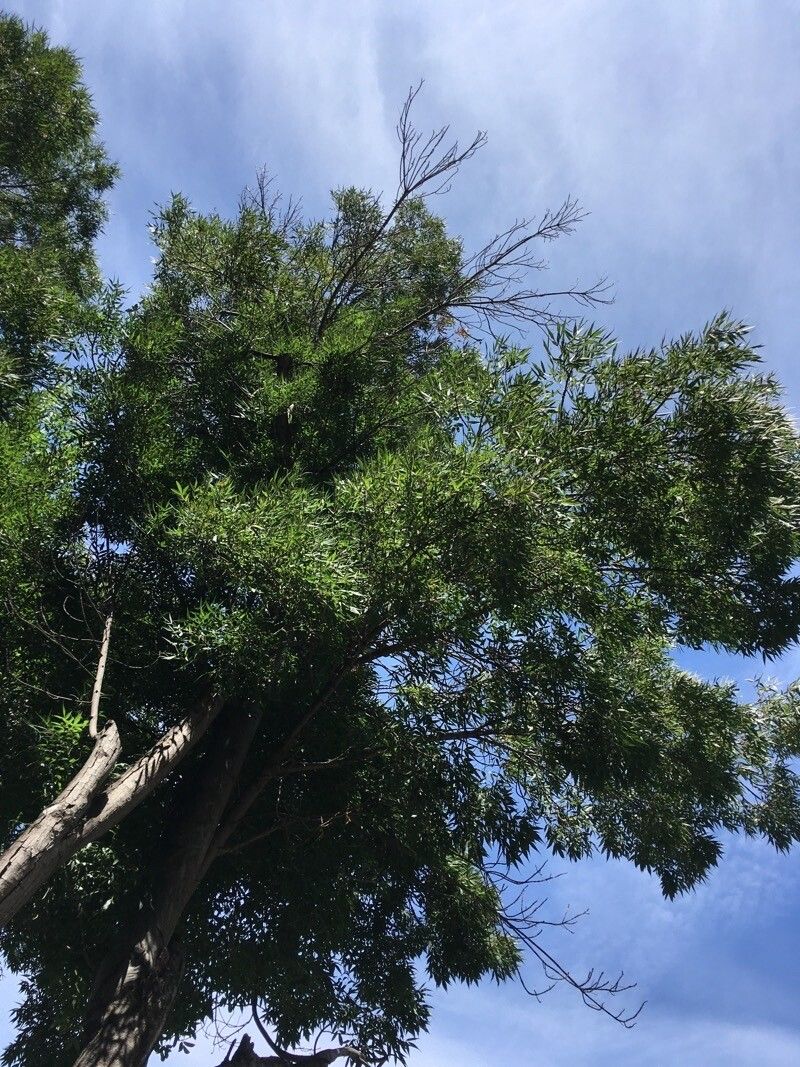
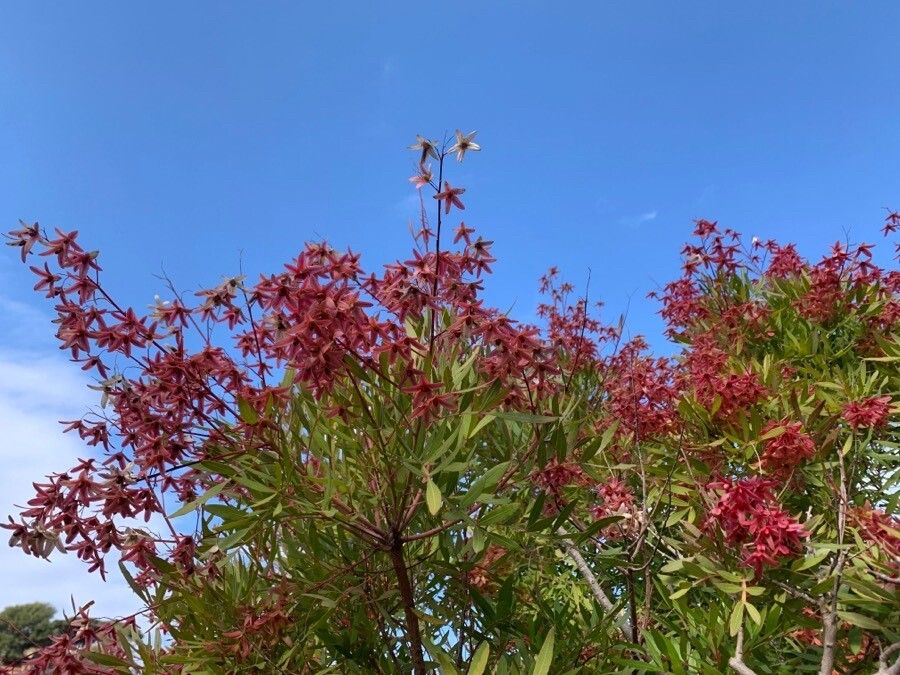
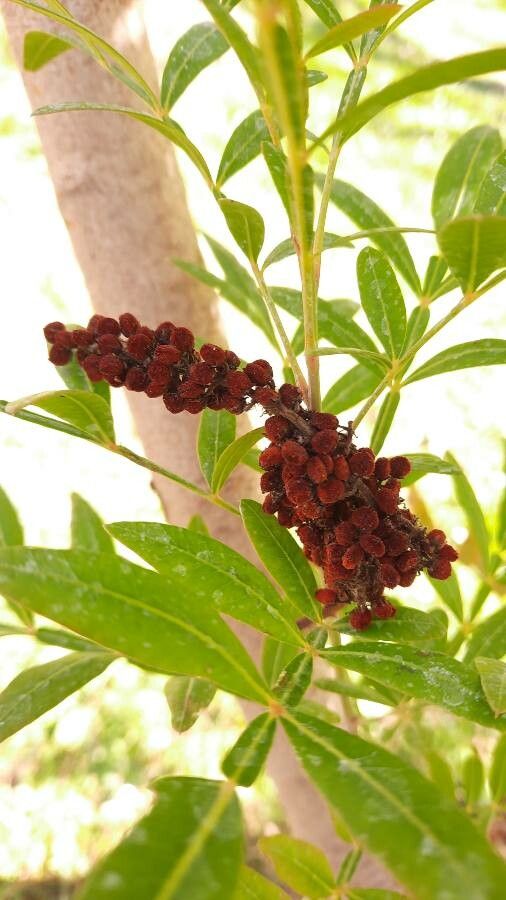
Loxostylis alata, commonly known as the South African False Ebony, is a small to medium-sized tree native to South Africa. Belonging to the family Anacardiaceae, it can grow up to 10 meters in height. The tree features smooth grey bark and dark green, glossy leaves. Its small white flowers bloom from August to October.
The fruit of Loxostylis alata is a drupe containing a single seed surrounded by fleshy pulp. Ripening from November to January, the fruit has an edible pulp that can be enjoyed raw or used for making jams.
The wood of Loxostylis alata is hard, heavy, and durable with a dark brown color and fine grain patterns, making it ideal for furniture making and firewood.
Loxostylis alata thrives in full sun or partial shade with well-drained soil. While it can tolerate drought conditions, regular watering during the growing season is necessary for optimal growth.
Overall, Loxostylis alata has significant ornamental and economic value, thanks to its attractive foliage, durable wood, and edible fruits, making it an important species both ecologically and economically.
Tarwood has strong resistance to disease and is generally not prone to illnesses. In terms of care, this plant is fairly low-maintenance. When planted outdoors it needs minimal watering, and larger plants usually do not require pruning. Smaller plants, however, should be pruned after they have bloomed. Tarwoodt is suitable for anyone with an outdoor area, such as a garden or deck, and does not demand much prior care experience.
How to keep Loxostylis Alata.
Light
Tarwood does best in places where sunlight bathes the surroundings for most of the day. It can also tolerate locations with limited sun exposure. Too much or too little sunlight can hamper its growth and health.
Water
Tarwood is a drought-tolerant plant that requires minimal watering. It typically needs water only once every 2-3 weeks, and the soil should be allowed to dry out between waterings. As an evergreen often grown outdoors, its moisture-retaining foliage is crucial for its survival in various climates.
Temperature
Tarwood is a plant that does best in a temperate climate. Its optimal temperature range is 59 to 100.4 °F (15 to 38 °C). During cold winters or hot summers, it is advisable to adjust the plant's surrounding temperature toward this range to encourage healthier growth.
Fertilizer
Timing is important when fertilizing Tarwood. Apply fertilizer in early spring and continue monthly until early summer. The fertilizer promotes attractive blooms and supplies energy during both dormant and active growth stages.
Pruning
Tarwood is a distinctive shrub, highly valued for its attractive foliage and blooms. To encourage growth and shape the plant, it is best to prune it in early spring. Make sure to use clean tools to prevent the spread of disease. Light pruning can improve air circulation and increase flowering, but it's important to adapt your pruning techniques to meet the shrub's specific needs for the best results.
Botanical profile.
- Plant Type
- Tree
- Life Cycle
- Perennial
- Genus
- Loxostylis
- Family
- Anacardiaceae
- Hardiness Zone
- 8-11
- Mature Height
- 4.88 m to 6.1 m
- Mature Spread
- 2.74 m to 3.66 m
- Leaf Color
- Dark Green
- Leaf Type
- Deciduous
- Flower Color
- White
- Flower Size
- 0.51 cm to 0.76 cm
- Bloom Time
- Mid spring, Late spring, Early summer
- Planting Time
- Spring, Summer, Autumn
- Harvest Time
- Mid summer, Late summer, Early fall
- Native Area
- South Africa
Other names.
Reader questions.
How should I water my Tarwood tree?
To ensure excellent root development, place a garden hose at the base of the plant. Avoid spraying the leaves directly and be aware that outdoor plants in direct sunlight may need more watering. Moistening the roots can be done using bubblers for each plant or soaker hoses that cover the entire garden. When adding or removing plants, use soaker hoses to encourage deep root growth. After watering, make sure to drain any excess water and allow the soil to dry before watering again. Watering at ground level helps prevent diseases. On sunny days, consider spraying the entire bush with water. Remember, whether potted or in-ground, Tarwood plants prefer deep watering rather than light sprinkling.
How many hours of sunlight does Tarwood need each day to grow healthy?
To ensure healthy growth, Tarwood should receive a minimum of 3-6 hours of sunlight per day. This is the basic requirement for the plant's well-being. While plants that can tolerate partial sun can thrive in full sun, they have greater flexibility due to their lower photosynthesis needs compared to plants that require full sun or part shade.
What temperature is best for Tarwood?
Plants can be affected by colder temperatures because they adjust to the air temperature around them. When they are in the sunlight, they can warm up, but this doesn't happen during winter. The Tarwood plant typically thrives in temperatures ranging from 70~85℉(21~30℃). They may be able to tolerate temperatures as low as 20~30℉(-6~0℃), or even 15℉(-10℃), but only for a limited time before frost damage occurs. To keep Tarwood plants healthy and prevent wilting, it is important to maintain temperatures within the range of 70~85℉(21~30℃). Additionally, remember to water them regularly and provide some shade.
What do I do if I give Tarwood too much or too little water?
Overwatering can cause yellowing, dropping, and wilting leaves on a Tarwood plant. The plant may also appear dull and unhealthy, with mushy stems. If these signs appear, try adjusting your watering schedule. Wilting can also be a sign of underwatering, which causes crispy and dry leaves. If the soil is dry and watering alone doesn't help, give the plant a thorough watering. However, even with enough water, the damaged root system may still cause the plant to have dry and yellow leaves for a few days. Once it returns to normal, the yellowing will stop. When keeping a Tarwood indoors, always check the moisture levels in the pot and avoid overwatering. Look out for black spots as a sign of overwatering, in which case, let the soil dry out for a few days before watering again. Overwatering can lead to root rot, so if you notice discolored and slimy roots, consider transferring the plant to a different pot. Prevent root rot by avoiding excessively soggy soil. When planting Tarwood outdoors, dig a bit deeper and check if the soil is too dry. This could indicate underwatering, in which case, provide adequate watering for the plant to recover.
What kind of sunlight does Tarwood need?
Tarwood plants thrive in areas with exposure to full or part sun. They do particularly well when they receive direct morning light. However, during the hot summer months, it is important to shield them from the intense afternoon sun to avoid leaf burn that can impair the plant's health and aesthetics.
How can I make sure Tarwood stays warm without using a heat pad?
If you don't want to use a heat pad, it's best to bring the Tarwood inside, especially when it's freezing outside. In the spring, make sure to identify the ones that should be brought indoors and plant them in portable pots and containers.
How frequently should I water my Tarwood plant?
The Tarwood plant prefers deep and infrequent watering, especially when grown in pots. These pots have limited water storage, so the soil dries out faster. In colder regions, water the plant every 3 to 5 days, preferably in the early morning when the soil is dry. Check the top 2-3 inches of soil - if it's dry, it's time to water the plant fully. On hot days, check the moisture level daily as heat can quickly dry out the soil. For garden irrigation in hot climates, water once a week. Only water if about 2 to 3 inches of soil is too dry. However, if there's sufficient rainfall, additional watering may not be necessary to prevent root rot. Tarwood plants typically grow during spring and fall, so adding mulch 3 to 4 inches deep can help conserve water when they're outdoors. Sandy soil requires more frequent watering, while clay soil needs less frequent watering to avoid root rot. Keep a calendar to mark watering dates and be vigilant if the leaves start drooping, indicating a possible delay in watering.
Can the sun harm Tarwood? How can Tarwood be protected from damage caused by the sun and heat?
When Tarwood is moved from indoors to outdoors, it can be harmed by direct sunlight. To avoid sunburn, it's best to move the pots gradually from a shaded area to a brighter spot. However, even plants that are used to the summer sun can still get damaged in extreme heat. During a heatwave, it's important to keep the soil consistently moist to help the plants deal with the excessive heat. If the weather is very hot, moving the plants in containers to areas that have afternoon shade or using a shade cloth can protect Tarwood from damage.
Do I need to change the temperature for Tarwood at different stages of growth?
Ensure that the temperature is suitable for growing Tarwood by conducting research. Some growers choose to reduce the plants' thermostats during the growing season to save on HVAC costs. However, it is important to be aware that temperature can impact flowering, pest control, and overall plant quality. At a certain temperature, Tarwood growth will cease, which commonly occurs in winter when certain species enter a dormant state. As seasons change and the temperature rises, the base temperature increases, allowing Tarwood to grow more quickly. Species naturally found in warm environments have higher optimum temperatures compared to those thriving in cooler climates. Exposing Tarwood seeds to cool temperatures can lead to decreased uniformity and delays. Lowering the temperature during flowering may be desirable, but not during other growth phases. Cooler night temperatures will also decrease water requirements, so adjust irrigation accordingly.
How much water does my Tarwood plant need?
The Tarwood plant generally needs about a gallon of water on a regular schedule. When it comes to potted plants, water them deeply until you see water dripping from the bottom of the pot. Then, wait for the soil to dry before watering again. You can use a water calculator or moisture meter to determine how much water you've given to your plant in a week. During the flowering period, provide plenty of water but allow the moisture to evaporate to prevent root rot. If the Tarwood plant is planted outdoors and there is enough rainfall, it may not need additional watering. However, when the Tarwood plant is young or newly planted, make sure it receives 1-2 inches of rain per week. As the Tarwood plant grows, it can rely solely on rainfall. Only water it fully during cooler times of the day if the weather is excessively hot or if no rain has occurred for 2-3 weeks to prevent heat damage. Additional watering will be necessary during extended dry periods.
Should Tarwood stay out of the sun or should I protect Tarwood from sunlight?
Tarwood thrives in bright morning sun and some full sun exposure, but it struggles with the harsh, hot midday sun of summer. When planted in the ground, Tarwood can slowly adjust to the increasing intensity of the summer sun. However, potted plants that have been indoors or in a sheltered location may suffer damage if suddenly exposed to the direct summer sun during the hottest part of the day. To protect Tarwood from the intense afternoon sun, it is advisable to plant or place it in an area with shade at midday, such as under taller trees, plants, buildings, or landscape features.
How can I make sure Tarwood stays warm during cold seasons?
To prepare the plant for colder temperatures, stop adding fertilizer, which will prevent new growth and allow the existing leaves to become resilient. Additionally, you can create protective structures such as cages or trellises to keep the plant warm. Another option is to use heat mats, which gently warm the soil and provide a consistent and ideal temperature range for the plant.