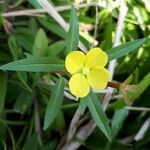
Ludwigia alternifolia
Rattlebox · Seedbox · Bushy Seedbox · Alternate-leaved Seedbox · Bushy water primrose
Description
Source: leafsnapLudwigia alternifolia, commonly known as bushy seedbox and rattlebox, is a herbaceous perennial plant of the family Onagraceae.It is native to southern Quebec and Ontario to Kansas and south to Texas and Florida. It grows in marshes, wet meadows, and swamps.
Care Guide
💧 Water
Seedbox, which originates from wetlands, thrives in consistently moist environments and benefits from being watered regularly each week. While it prefers consistent hydration, it can withstand short periods of dryness. Typically grown outdoors, seedbox is well-suited to natural rainfall patterns, reflecting its affinity for aquatic environments.
How do I water my Seedbox at different stages of growth?
The water requirements of the Seedbox can vary depending on its growth stages. In the early years and after transplanting, the Seedbox needs more water as it focuses on developing new roots to support future growth. These roots perform best with slightly more moisture. However, as the Seedbox matures, it requires less water. Additionally, during the bloom period, when the flowers are developing, the Seedbox may need more water to fulfill their increased moisture needs.
How should I water my Seedbox effectively?
To properly water the Seedbox plant, it is recommended to use filtered water at room temperature. This is because tap water may contain harmful particles. Additionally, it is important to avoid using cold water as the plant is accustomed to a warm environment and cold water can be a shock to its system. Instead of watering the plant from above, it is best to apply filtered room temperature water directly to the soil until it is completely soaked. This helps to moisten the roots and facilitate their growth and nutrient uptake.
What should I do if I give my Seedbox too much water or too little water?
Both overwatering and underwatering can harm the health of your Seedbox plant, but overwatering is more common. When the plant is overwatered, its stems and leaves may wilt and turn yellow. Overwatering for a long period can also cause diseases like root rot, mold, and mildew, which can kill the plant. Underwatering is less common because the Seedbox has good drought tolerance. However, it can still happen, and you'll notice brittle and brown leaves. It's important to recognize signs of overwatering early to avoid irreparable damage. If you see these signs, reduce your watering schedule and check the soil's drainage. If it drains poorly, replace it with well-draining potting mix. If your Seedbox shows signs of needing more water, simply water it more regularly until the signs go away.
How many times should I give water to my Seedbox?
If your plant is in a pot, the best way to tell if it needs water is to stick your finger in the soil. If the top two to three inches are dry, then it's time to water it. If your plant is in the ground outside, you can use the same method to check the soil. When the top few inches are dry, it's time to water. In spring and early fall, you'll likely need to water about once a week. But in very hot weather, you may need to water twice or more a week. However, mature Seedbox plants can handle drought well.
How much water is necessary for my Seedbox?
When you water your Seedbox, don't be shy about how much water you give. Make sure the first two to three inches of soil are dry before watering. Give the plant a thorough watering, soaking the soil completely. Add enough water so that it flows through the drainage holes at the bottom of the pot. If you don't see water draining from the pot, you may have underwatered the plant. However, don't let water accumulate in the soil as it can be harmful to the plant. If water doesn't drain properly from the pot, it could be due to poorly draining soil, which is not good for the plant's health. If the plant is outside, one inch of rain per week should be enough.
☀️ Light Full sun
Seedbox thrives in sites that receive plentiful daylight for most of the day, though it can also adapt to locations that experience softer light during parts of the day. Excessive or insufficient light can negatively impact its growth. This tendency comes from its origin in habitats that favor constant sun exposure.
What are the sunlight requirements for Seedbox?
Seedbox, known botanically as Ludwigia alternifolia, thrives under specific light conditions to ensure its health and growth. It requires full sun, meaning it should be placed in a location where it can receive more than 6 hours of direct sunlight daily. However, it can also adapt to partial sun conditions, where it receives about 3 to 6 hours of sunlight. When planning your garden or deciding where to place your Seedbox, observe the patterns of sunlight through the area to find spots that offer an optimal balance of light and shade, ensuring the well-being of your plants.
How does Seedbox grow in different lighting conditions?
Seedbox flourishes best in locations that are blessed with abundant daylight for the majority of the day but can also adapt to areas receiving softer, partial sunlight for parts of the day. The essence of its growth preference lies in its origin, which is tailored towards habitats that are abundantly soaked in sunlight. Nonetheless, the correct balance is crucial, as both excessive and insufficient light can have adverse effects on its growth. For indoor plants, artificial lighting can be a beneficial alternative during less sunny seasons or in spaces that do not receive enough natural sunlight, ensuring healthier and faster growth.
What are the artificial lighting requirements for Seedbox?
When natural sunlight is not sufficient, particularly during winter or in spaces less exposed to sun, artificial lighting becomes essential for the growth of indoor plants, including Seedbox. LED lights are often recommended for their ability to be customized to deliver specific wavelengths needed by plants. Full sun plants, such as Seedbox, require 30-50W/sq ft of artificial light, while partial sun and full shade plants need 20-30W/sq ft and 10-20W/sq ft respectively. The light source should be positioned 12-36 inches above the plant to mimic natural sunlight, ensuring the plant receives 8-12 hours of light per day.
What symptoms indicate Seedbox is receiving inadequate light?
Seedbox shows several symptoms when exposed to inadequate lighting conditions, signaling the need for intervention. These include small, underdeveloped leaves compared to previous ones, leggy or sparse growth due to elongated spaces between stems or leaves, premature leaf drop as a resource conservation method, and a halt in leaf production or plant growth indicating survival mode. New leaves might appear paler, indicating a lack of chlorophyll. Other symptoms include chlorosis, sunscald, leaf curling, wilting, and leaf scorching, which show either excessive sunlight exposure or an urgent need for more sunlight.
How can you enhance and manage the light exposure of Seedbox?
To optimize light exposure for Seedbox, gradually move plants to sunnier spots, ensuring at least 6 hours of direct sunlight daily, especially for indoor plants. Use south-facing windows and keep curtains open during daylight hours. For large or immovable plants, consider using artificial lighting such as desk or ceiling lamps for at least 8 hours a day or invest in professional grow lights. Outdoors, adapt plants to sunnier locations gradually to prevent sunburn. If certain areas block sunlight, such as trees, prune them to improve light penetration. For smaller plants, transplanting them during their dormant period to a location with ample sunlight and good drainage can benefit their growth. Note that parts of the plant that suffered from insufficient sunlight may not recover, but new growth will be healthy with increased light exposure.
🌡️ Temperature 5–32.2°C
Seedbox is indigenous to regions with mild climates. It grows best in temperatures from 41 to 89.6 °F (5 to 32 ℃). It tolerates seasonal variations but may need protection during severe winters or intense summer heat.
What is the native environment of Seedbox?
Seedbox is native to environments that have moderate climates. It can thrive in a wide range of temperatures, from 41 to 89.6 °F (5 to 32 °C). While it is adaptable to seasonal changes, it might need some protection during extremely harsh winters or very hot summers. Seedbox demonstrates strong cold resistance, typically not requiring frost protection measures in the winter, unless temperatures are expected to drop below -30°C.
How should Seedbox be protected during very cold winters?
For Seedbox, although special frost protection measures are generally not necessary due to its strong cold resistance, protection becomes important if winter temperatures are expected to plummet below -30°C. Providing cold protection can be as simple as covering the plant with soil or straw. It is also advisable to water the plant abundantly before the first freeze in autumn, ensuring the soil stays moist and freezes in that condition, which helps prevent drought and water scarcity for the plant during the colder months and early spring.
What are the symptoms and solutions for Seedbox in low temperatures?
Seedbox is quite tolerant to cold, thriving best when temperatures remain above 5°C and should be kept above -25°C during winter. If temperatures fall below -30°C, there might not be noticeable changes during the winter itself, but issues like decreased sprouting or absence of sprouting might occur in spring. The solution for such instances in spring involves removing parts of the plant that have failed to sprout.
What are the symptoms and solutions for Seedbox in high temperatures?
During the summer, it's crucial to keep Seedbox's temperature below 32°C. Exceeding 35°C can lead to symptoms like leaves becoming lighter, curling, becoming prone to sunburn, and in severe cases, the entire plant might wilt and dry up. The solution involves trimming away any parts that are sunburned or have dried up, moving the plant to a shaded location away from the midday and afternoon sun or using a shade cloth. Additionally, watering the plant in the morning and evening helps keep the soil moist and prevent drying.
💨 Humidity
🪴 Soil 6-7
🌱 Fertilizer
Fertilize a Seedbox in early spring, as it is coming out of dormancy and starting active growth. Fertilization supplies essential nutrients needed for healthy development. Although Seedbox requires relatively little fertilizer, an annual application can improve its survival and encourage better, longer-lasting flowers.
🪴 Pot & Repot
✂️ Pruning
Seedbox is characterized by its slender stems and yellow flowers. To maintain its shape, remove dead stems, and prevent overcrowding, it should be pruned from early to late spring. Use clean, sharp tools for pruning to minimize the risk of disease, which in turn helps maintain the plant's structure and improves air circulation for optimal growth.
🌿 Propagating
🐛 Diseases & pets
☠️ Toxicity
Characteristics
- Plant Type
- Herb
- Life Cycle
- Perennial
- Genus
- Ludwigia
- Family
- Onagraceae
- Hardiness Zone
- 4-8
- Mature Height
- 46 cm to 91 cm
- Mature Spread
- 30 cm to 46 cm
- Leaf Color
- Green, Blue
- Leaf Type
- Deciduous
- Flower Color
- Yellow
- Flower Size
- 2.54 cm
- Bloom Time
- Summer
- Planting Time
- Spring, Autumn
- Harvest Time
- Late summer, Early fall, Mid fall