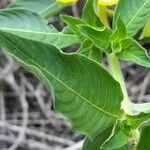
Ludwigia peruviana
Peruvian Primrose-Willow · Peruvian primrosebush · Primrose-willow · Water-primrose
Description
Source: leafsnapLudwigia peruviana, with the common names Peruvian primrose-willow or Peruvian water primrose, is an aquatic, sometimes deciduous species of flowering plant in the evening primrose family. It can grow to approximately 12 feet (3.7 m) in height. While native to Peru, it has been introduced in many other countries for its attractive simple yellow flowers, it is now a common weed in swampy areas around the world.
Care Guide
💧 Water
☀️ Light Full sun
For optimal growth, peruvian Primrose-Willow does best when it receives the maximum sunlight available throughout the day. In its native habitat, peruvian Primrose-Willow became adapted to being drenched in abundant daylight. Too little sun can restrict growth, and excessive exposure may cause slight stress, but overall it tolerates those conditions.
What are the sunlight requirements for Peruvian Primrose-Willow?
Peruvian Primrose-Willow thrives in full sun, needing above 6 hours of sunlight daily for optimal growth. It is adapted to bask in abundant daylight in its natural habitat. While it can tolerate some deviation in sunlight exposure, both too little and excessive sun may impact its growth, though it generally shows a good level of tolerance. It's important to observe the changes in sunlight patterns within your garden to find spots that offer a harmonious balance of light and shade, ensuring your plants' well-being.
How do you compensate for insufficient natural light for indoor Peruvian Primrose-Willow plants?
When natural sunlight is insufficient for indoor Peruvian Primrose-Willow plants, especially during winter or in less sunny spaces, artificial lighting can be vital for optimal growth. LED lights are recommended due to their ability to mimic natural sunlight and can be customized for your plant's specific needs. Full sun plants require 30-50W/sq ft of artificial light, partial sun plants need 20-30W/sq ft, and full shade plants need 10-20W/sq ft. The light source should be placed 12-36 inches above the plant, ensuring it receives 8-12 hours of light per day to mimic natural daylight hours.
What are the common symptoms of insufficient light in Peruvian Primrose-Willow?
When Peruvian Primrose-Willow is grown in indoor settings with insufficient light, it may exhibit several symptoms: New leaves might grow smaller, the plant could show leggy or sparse growth, and there might be faster leaf drop, indicating a conservation of resources. Growth might slow down or stop due to the plant entering survival mode. Leaves can appear lighter in color or develop chlorosis, becoming pale due to a lack of chlorophyll. Excessive sunlight exposure can cause symptoms like sunscald, leaf curling, wilting, and leaf scorching, where leaves may show brown, dry edges.
What solutions are available for addressing light-related issues in Peruvian Primrose-Willow?
To address light-related issues in Peruvian Primrose-Willow, a gradual approach to increasing sunlight exposure is recommended. For indoor plants, moving them to a south-facing window for at least 6 hours of direct sunlight or using artificial grow lights for 8 hours a day can help. Outdoor plants should be moved gradually to sunnier spots to prevent sunburn. Reducing obstructions, like pruning trees that block sunlight, and transplanting smaller plants to sunnier locations with ample sunlight and good drainage during their dormant period can significantly improve their growth and health. Note, parts of the plant that suffered from insufficient sunlight may not recover, but new growth will be healthy post adjustment.
🌡️ Temperature 15–37.8°C
Peruvian Primrose-Willow originates from habitats where temperatures are typically between 59 and 100.4°F (15 to 38 ℃). These plants favor warmer conditions, so ensure your peruvian Primrose-Willow stays sufficiently warm year-round, especially in winter.
What is the native climate for Peruvian Primrose-Willow?
Peruvian Primrose-Willow, scientifically known as Ludwigia peruviana, thrives in environments where the temperature typically ranges between 59 to 100.4°F (15 to 38°C). This plant prefers a warmer climate and requires sufficient warmth throughout the year, particularly during the winter months. It has some degree of cold tolerance and can generally withstand temperatures above -5°C without needing extra protection. However, if temperatures are expected to drop below -5°C, temporary cold protection measures, such as wrapping the plant in plastic film, fabric, or other materials, are recommended. These protective measures should be removed as soon as the temperature rises to avoid any potential harm to the plant.
How does Peruvian Primrose-Willow react to low temperatures?
Peruvian Primrose-Willow has a moderate tolerance to low temperatures and performs best when kept above 15°C. During winter, it's important to ensure the plant remains above -5°C to prevent damage. Should temperatures fall below -10°C, the leaves may begin to droop. While plants can recover from mild exposure, severe cases often result in the leaves wilting and eventually falling off. To protect the Peruvian Primrose-Willow from frost damage, trim off the affected parts and prepare for future cold spells by wrapping the plant with non-woven fabric or cloth and setting up a wind barrier.
What should I do if my Peruvian Primrose-Willow is exposed to high temperatures?
Peruvian Primrose-Willow should ideally be kept under temperatures of 38°C during the summer. Exposure to temperatures above 43°C can lead to symptoms such as lighter leaf color, dry and withered leaf tips, curling leaves, and increased susceptibility to sunburn. If your plant shows signs of heat stress, trim away the sunburned and dried parts of the plant. Additionally, it's advisable to move the plant to a shaded area during the midday and afternoon sun or use a shade cloth. Keeping the soil moist by watering in the morning and evening will also help the plant cope with high temperatures.
💨 Humidity
🪴 Soil
🌱 Fertilizer
🪴 Pot & Repot
✂️ Pruning
The Peruvian Primrose-Willow is known for its vibrant yellow flowers and rapid growth. To manage its size and shape, as well as to enhance air circulation and encourage flowering, it is best to prune this plant in early spring or late winter. Be sure to use sterilized tools during pruning to prevent disease. These practices are widely recommended by horticultural experts for promoting healthy and vigorous growth.
🌿 Propagating
🐛 Diseases & pets
☠️ Toxicity
Characteristics
- Plant Type
- Herb
- Life Cycle
- Perennial
- Genus
- Ludwigia
- Family
- Onagraceae
- Hardiness Zone
- 8-11
- Mature Height
- 3.66 m
- Mature Spread
- 1.83 m to 2.44 m
- Leaf Color
- Green
- Leaf Type
- Evergreen
- Flower Color
- Yellow
- Flower Size
- 2.54 cm to 5.08 cm
- Bloom Time
- Summer, Fall
- Planting Time
- Summer, Autumn
- Harvest Time
- Late summer, Fall, Early winter, Mid winter
- Native Area
- Colombia, Belize, Cuba, Honduras, Mexico, Guatemala, Bolivia, Venezuela, Peru, Brazil, El Salvador, Nicaragua, Ecuador, Costa Rica, Panama, Jamaica