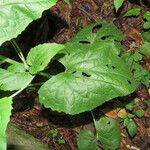
Lunaria annua
Honesty · Money Plant · Annual honesty · Penny Flower · Satin Flower
Description
Source: leafsnapLunaria annua, commonly known as the honesty or silver dollar plant, is a biennial flowering plant in the Brassicaceae family. Native to Europe and Asia, it has become naturalized in many parts of the world. The plant can grow up to 90 cm tall and features large, heart-shaped leaves that are green with a slightly hairy texture. The most distinctive feature of Lunaria annua is its flat, round seed pods that resemble silver coins or discs. These pods appear after the flowers have bloomed, adding ornamental value to the plant. The flowers themselves are small, with four petals, and come in shades of pink or purple. Lunaria annua prefers well-drained soil and partial shade but can also tolerate full sun. It blooms from late spring through early summer, attracting bees, butterflies, and other pollinators. Seeds can be collected from mature seed pods for propagation or left on the plants for self-seeding. Historically, Lunaria annua has been used for both medicinal and ornamental purposes. Overall, Lunaria annua is an attractive biennial flowering plant with unique seed pods that add visual interest to any garden while also benefiting pollinators such as bees and butterflies.
🌳 Annual honesty, prized for its decorative, translucent seedpods that earned it nicknames such as "money plant," also has lesser-known uses. In earlier times its seeds were boiled into a sweet syrup, a former sweetener used before the sugar boom. The seeds are edible when dried and hulled, offering a nutty flavor. Beyond culinary uses, the plant's oils have shown potential antibacterial properties, suggesting it could yield natural antimicrobial compounds.
🎭 Funds, honesty
Care Guide
💧 Water Every 7 days
Annual honesty, native to European woodlands, thrives in moist, well-drained soil. Although it can tolerate moderate drought once established, it should be watered every 1-2 weeks, allowing the soil to dry slightly between waterings. Typically grown as an outdoor annual, annual honesty needs sufficient moisture during its growing season to ensure optimal health and flowering.
How do I water my Annual honesty at different stages of growth?
The water needs of the Annual honesty plant can vary depending on the growth stages. In the early years and after transplanting, it requires more water because it is focused on developing new roots for future growth. During this time, the roots need extra moisture. As the plant matures, it will require less water. Additionally, during the bloom period, the flower development requires a significant amount of moisture, so you may need to water the plant more at this stage.
How should I water my Annual honesty plant to keep it healthy?
To properly water the Annual honesty, it is recommended to use room temperature filtered water. Tap water may contain harmful particles, so filtered water is a safer choice. The plant prefers warmer temperatures, so using cold water can be stressful for it. Avoid watering from above as it can cause issues with the foliage. Instead, thoroughly soak the soil with filtered room temperature water. This helps the roots to spread and absorb the necessary nutrients.
What's the difference between watering my Annual honesty plants inside and outside?
The Annual honesty plant is commonly grown indoors by gardeners who do not live in temperate and tropical regions. If you choose to grow it in a container, remember that the soil can dry out faster compared to ground soil. Additionally, if you have air conditioning units, they may cause the plant to dry out faster too. When planting it outside, you might not need to water it much, especially if you receive regular rainfall. However, if you grow it indoors, you will need to water it more frequently as you can't rely on rainwater to keep the soil moist.
What should I do if I give too much or too little water to my Annual honesty plant?
Overwatering is a common issue that can harm your Annual honesty plant, while underwatering is less likely but still a possibility. When the plant gets too much water, its stems and leaves may wilt and turn yellow. Over time, this can lead to diseases like root rot, mold, and mildew that can be fatal. On the other hand, underwatering is less common because the plant can tolerate drought. However, if it happens, the leaves will become brittle and brown. It's important to recognize the signs of overwatering early on. Some diseases caused by overwatering, such as root rot, may not be fixable if left too long. If you notice signs of overwatering, reduce your watering schedule immediately. Also, check the soil's drainage. If it's poor, replace it with a loose, well-draining potting mix. If you suspect your Annual honesty is not getting enough water, simply water it more regularly until the signs improve.
How often do I need to water my Annual honesty plant?
If your plant is in a pot or grown outdoors in the ground, you can determine if your Annual honesty needs water by checking the moisture level of the soil. For potted plants, simply insert your finger into the soil and if the top two to three inches are dry, it's time to water. The same method applies to plants in the ground; if the first few inches of soil are dry, it's time to water. Typically, watering once a week is sufficient during spring and early fall. However, in extremely hot weather, you may need to water twice or more per week. It's worth noting that mature and well-established Annual honesty plants have a remarkable ability to withstand drought.
☀️ Light Full sun
Annual honesty thrives with plentiful sunlight during the day, though it can tolerate some shading. In its native habitats it typically received abundant sun, which promotes vigorous growth. Either too little or too much sun can hinder the plant's development, producing weaker specimens.
What are the sunlight requirements for Annual Honesty?
Annual honesty thrives in environments that simulate its native conditions, which is abundant sun exposure throughout the day. However, it can also tolerate some shade. The plant's growth is vigorous under full sun but can adjust to partial shade. It’s important to ensure that the plant receives the right balance of sun and shade for optimal development. Full sun is defined as over 6 hours of sunlight per day, while partial sun is about 3-6 hours of sunlight. Excessive or insufficient sunlight can lead to weaker plants, underlining the importance of monitoring the light environment closely.
How can artificial lighting support Annual Honesty's growth?
When natural sunlight is not enough, especially during winter or in less sunny spaces, artificial lighting can be a crucial support for indoor plants like Annual Honesty. LED lights are recommended for their ability to be customized to specific wavelengths needed by plants. For full sun plants, 30-50W/sq ft is needed; partial sun plants require 20-30W/sq ft, and full shade plants need 10-20W/sq ft. The artificial light should be placed 12-36 inches above the plant, and it's advisable to mimic natural daylight duration, typically 8-12 hours daily, to promote healthier, faster growth.
What are common symptoms of light deficiency in Annual Honesty?
Annual Honesty shows several symptoms when suffering from insufficient light: newly formed leaves might be smaller, plant growth can become leggy or sparse, there may be a quicker shedding of older leaves to conserve energy, growth could halt altogether, new leaves could appear lighter in color indicating a lack of essential nutrients, and there could be cases of chlorosis where leaves lose their green hue and turn yellow. These symptoms are crucial for diagnosing light deficiencies and taking corrective actions to ensure the plant's health.
What are the symptoms and solutions for excessive sunlight exposure in Annual Honesty?
Excessive sunlight can cause symptoms such as sunscald, which appears as pale or necrotic spots on leaves or stems, leaf curling as a protective measure against water loss, wilting due to rapid water loss, and leaf scorching characterized by brown or crispy leaf edges. Managing sunlight exposure is key. Gradually acclimating the plant to sunlight, either by moving it closer to a window over time or using shading techniques, can prevent these symptoms. This gradual adjustment, alongside monitoring for signs of stress, will help maintain the plant's health under varying light conditions.
How can one mitigate the effects of insufficient outdoor sunlight on Annual Honesty?
To address insufficient sunlight for outdoor plants, consider gradually relocating your plants to sunnier spots each week to prevent shock from sudden changes in light exposure. For plants blocked by trees or buildings, pruning or transplanting may be necessary to ensure adequate sunlight reaches the plants. It’s critical to choose a suitable location with good sunlight and drainage when transplanting. Though damage from light deficiency might be irreversible for the affected parts, new growth can flourish with improved light exposure, restoring plant vitality.
🌡️ Temperature 5–35°C
Annual honesty is native to habitats with temperatures ranging from 68 to 95 °F (20 to 35 ℃). It favors warmer conditions and adapts to seasonal changes. In cooler climates, consider bringing the plant indoors or supplying extra heat.
What are the optimal temperature conditions for Annual Honesty?
Annual Honesty, or Lunaria annua, thrives in environments where temperatures range between 68 to 95 °F (20 to 35 °C). This plant prefers warmer climates and is adaptable to seasonal changes. It exhibits strong cold resistance, meaning special frost protection measures usually aren't necessary. However, if winter temperatures are expected to drop below -25°C, it's important to protect the plant from the cold by using materials like soil or straw for coverage. Additionally, watering the plant abundantly before the first freeze in autumn helps ensure the soil remains moist, which is beneficial for the plant during winter and early spring.
How does Annual Honesty react to low temperatures?
Annual Honesty is relatively cold-tolerant, thriving best in temperatures above 20°C but should be kept above 0°C during winter. In environments where the temperature dips below -25°C, the plant might not show noticeable changes during the winter, but a decrease in sprouting or even a lack of sprouting might occur in springtime. To address this, parts of the plant that have failed to sprout should be removed in spring.
What should be done if Annual Honesty is exposed to high temperatures?
During the summer months, it's crucial to ensure that Annual Honesty is kept below 35°C. Exposure to temperatures exceeding 38°C can cause the leaves to lighten in color, become prone to curling, suffer sunburn, and in severe cases, the entire plant may wilt and dry. To mitigate these effects, trim away the sunburned and dried parts of the plant. Relocating the plant to a shaded area or using a shade cloth to protect it from the midday and afternoon sun can be beneficial. Additionally, watering the plant in the morning and evening will help maintain soil moisture.
💨 Humidity
🪴 Soil 6-7
🌱 Fertilizer
Annual honesty are regarded as heavy feeders with respect to nutrients. They need frequent, low doses of nitrogen and potassium fertilizers and periodic applications of phosphorus, micronutrients, sulfur, and magnesium to maintain good growth and bright coloration. Continuous fertilization throughout the growing season is required to prevent deficiency symptoms and preserve optimal growth.
When is it best not to fertilize my Annual Honesty?
Fertilizing can sometimes harm Annual honesty instead of helping, especially if the plant is already stressed. It is best to avoid fertilizing if the plant is struggling with diseases or insect problems like aphids, spider mites, or whiteflies. The addition of fertilizer can weaken the plant's defenses and make it more susceptible to other pest problems or diseases. Avoid fertilizing when the soil surface is dry or hardened, as this can lead to fertilizer burn on the roots. Instead, water the potting soil slightly before applying fertilizer.
What kind of fertilizer should I use for my Annual honesty plant?
Fertilizers play a crucial role in promoting growth in Annual honesty, as they contain important elements like nitrogen, potassium, phosphorus, iron, manganese, and zinc. To ensure optimal growth, a balanced fertilizer with a 10-10-10 NPK number, or an all-purpose fertilizer, is recommended. Alternatively, natural fertilizers like blood meal or worm castings can be used. If you prioritize leaf development, fertilizers higher in nitrogen, like fish fertilizer, may be preferred. It's important to choose a fertilizer that aligns with your goal for the plant; if your focus is not on flowers or seeds, there's no need to provide excessive supplements for them.
How do I give nutrients to my Annual honesty plant?
If you are growing container plants and your potting soil has slow-release fertilizer in it, you don't need to fertilize the seeds when planting. The initial fertilizer, along with the nutrients in the seed’s endosperm, will be sufficient for the first few weeks. However, if your potting soil does not contain fertilizer, you should mix a small amount of slow-release starter fertilizer into the potting mix before filling the containers. Once the plants are around four weeks old, you should start fertilizing them every two weeks. Use one-third to one-half of the recommended rate listed on the product label. Keep following this schedule until the Annual honesty plant reaches full maturity. At that point, you can reduce fertilization to once every three to four weeks, using the same diluted strength, or fertilize at a rate of one-quarter of the recommended amount every two weeks.
Why should I use fertilizer on my Annual honesty plant?
Annual honesty plants are known for their colorful, leafy foliage, which requires nitrogen and potassium for rapid growth. Nitrogen not only helps the plants grow taller and fuller, but it also supports root development to firmly anchor them into the soil.
When should I fertilize my Annual honesty plant for the best results?
Annual honesty is a type of plant that grows quickly and has large leaves and a high water content. Because of this, they require a lot of nutrients and are considered heavy feeders. To ensure their optimal growth, it is important to provide them with fertilizer throughout the entire growing season, from germination until they reach the end of their life cycle. If they do not receive enough nutrients, you may notice deficiency symptoms appearing and their growth being affected. In the past, it was believed that once annual honesty plants started changing colors in the fall, their nutrient needs significantly decreased. This led to the assumption that fertilizer applications could be reduced or even stopped at this point. However, research has shown that providing small amounts of nitrogen fertilizer after maturity is actually beneficial for the plants. It does not significantly impact their coloration, but it helps to prevent the bottom leaves from turning yellow and falling off.
🪴 Pot & Repot Every 12 months
When repotting Annual honesty, choose a pot that is 1-2 inches (2.5–5.1 cm) larger in diameter and has good drainage. Use a well-draining potting mix and consider mixing in perlite for extra drainage. Repot in spring or early summer, water thoroughly afterward, and keep it in a shady spot for the initial period.
✂️ Pruning
Annual honesty plants have round seed pods and heart-shaped leaves. They thrive when pruned in early spring. To promote healthy growth, improve air circulation, and maintain their shape, trim away any damaged stems and spent flowers. Light pruning is advised to prevent stress, ensuring robust and vibrant development.
🌿 Propagating
🐛 Diseases & pets
☠️ Toxicity
Lunaria Annua is free from toxic effects. You can eat all parts of this plant. You can get fatty acid from the seeds that can be used for treating different sclerosis.
Characteristics
- Plant Type
- Herb
- Life Cycle
- Biennial, Annual, Perennial
- Genus
- Lunaria
- Family
- Brassicaceae
- Hardiness Zone
- 5-9
- Mature Height
- 91 cm
- Mature Spread
- 30 cm
- Leaf Color
- Green
- Leaf Type
- Deciduous
- Flower Color
- Purple, Lavender
- Flower Size
- 0.51 cm to 1.02 cm
- Bloom Time
- Mid spring, Late spring, Early summer
- Planting Time
- Spring, Summer
- Harvest Time
- Early summer, Mid summer
- Native Area
- western regions of Asia and southeastern part of Europe