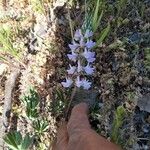
Lupinus densiflorus
Whitewhorl lupine
Description
Source: leafsnapLupinus microcarpus, the wide-bannered lupine or chick lupine, is a species of lupine native to western North America from southwestern British Columbia south through Oregon and California, including the Mojave Desert, and into Baja California. There is also a disjunct population in South America, with locations in central Chile and western Argentina.
Care Guide
💧 Water
Whitewhorl lupine flourishes in conditions with seasonal moisture variations, preferring moderate watering on a weekly basis to match its growth pattern. In temperate regions, this outdoor plant benefits from balanced rainfall and good drainage, which allows it to regulate its water intake according to seasonal needs.
☀️ Light Full sun
Whitewhorl lupine is a sun-loving, perennial herbaceous plant that comes from open habitats and often thrives in meadows and grasslands. It prefers full sun but can also tolerate partial sun.
What are the sunlight requirements for Whitewhorl lupine (Lupinus densiflorus)?
Whitewhorl lupine (Lupinus densiflorus) flourishes under specific sunlight conditions. It requires full sun, which means it needs more than 6 hours of sunlight daily to thrive. Alternatively, it can also grow in partial sun, receiving about 3-6 hours of sunlight. However, it's important to observe how sunlight moves through your garden. Selecting the right spots that provide a harmonious balance of light and shade is crucial for the health and happiness of your plants.
🌡️ Temperature 5–32.2°C
Whitewhorl lupine can tolerate a wide range of temperatures, though its distribution may still be restricted by particular combinations of moisture and heat. It does best in warm summer conditions with sufficient rainfall or watering. Extended periods of cloudy, rainy weather and prolonged high temperatures increase the chance of Whitewhorl lupine dying. In winter, proper protection from cold can raise the plant’s survival rate.
💨 Humidity
🪴 Soil 6-8
🌱 Fertilizer
One spring application of fertilizer generally suffices for Whitewhorl lupine, though multiple feedings can boost growth. Fertilize every month to a month and a half. Fertilization improves the leaves' appearance and function, helping maintain uniform color and a healthy texture. It also promotes root development and nutrient uptake for the plant's long-term health.
🪴 Pot & Repot
✂️ Pruning
Whitewhorl lupine is a vibrant and colorful legume that benefits from pruning in early to late spring to enhance its growth and shape. To improve airflow and reduce the risk of disease, be sure to remove any dead stems. Regularly deadhead spent flowers to encourage further blooming. Proper pruning also helps maintain the plant's structure, preventing it from becoming too leggy and ensuring a vibrant and attractive display.
🌿 Propagating
🐛 Diseases & pets
☠️ Toxicity
Characteristics
- Plant Type
- Herb
- Life Cycle
- Perennial
- Genus
- Lupinus
- Family
- Fabaceae
- Hardiness Zone
- 4-8
- Mature Height
- 30 cm to 91 cm
- Mature Spread
- 30 cm to 61 cm
- Leaf Color
- Light Green
- Leaf Type
- Deciduous
- Flower Color
- Purple, Blue
- Flower Size
- 1.02 cm to 2.03 cm
- Bloom Time
- Mid spring, Late spring, Early summer
- Planting Time
- Spring
- Harvest Time
- Summer
- Native Area
- Mexico