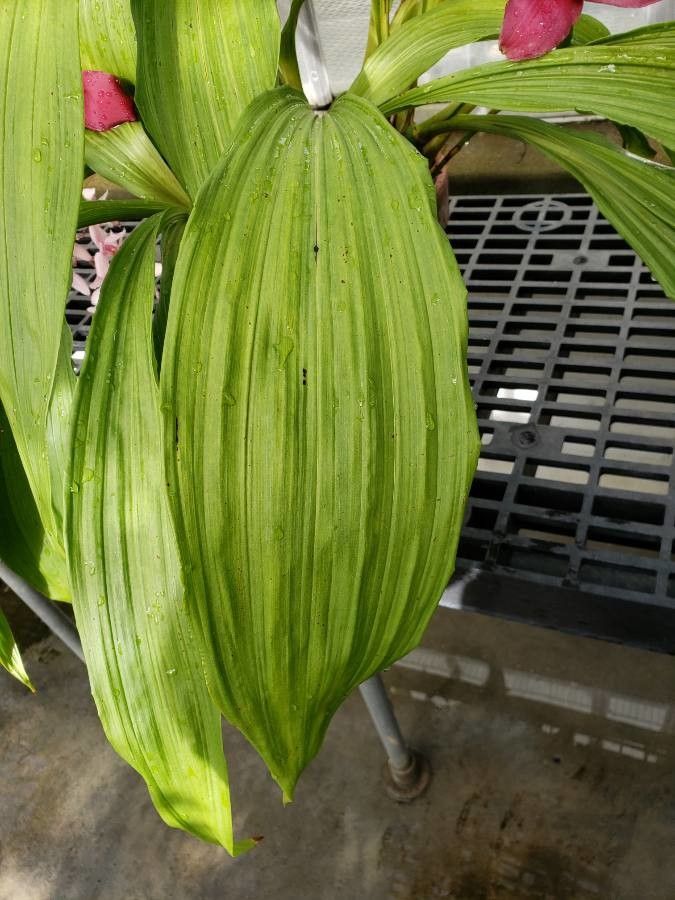
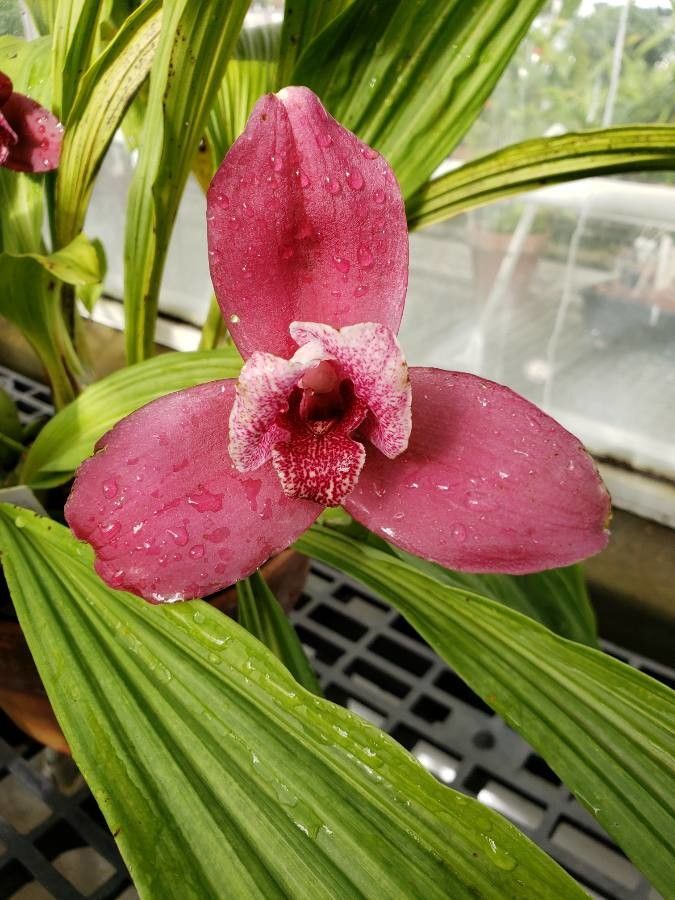
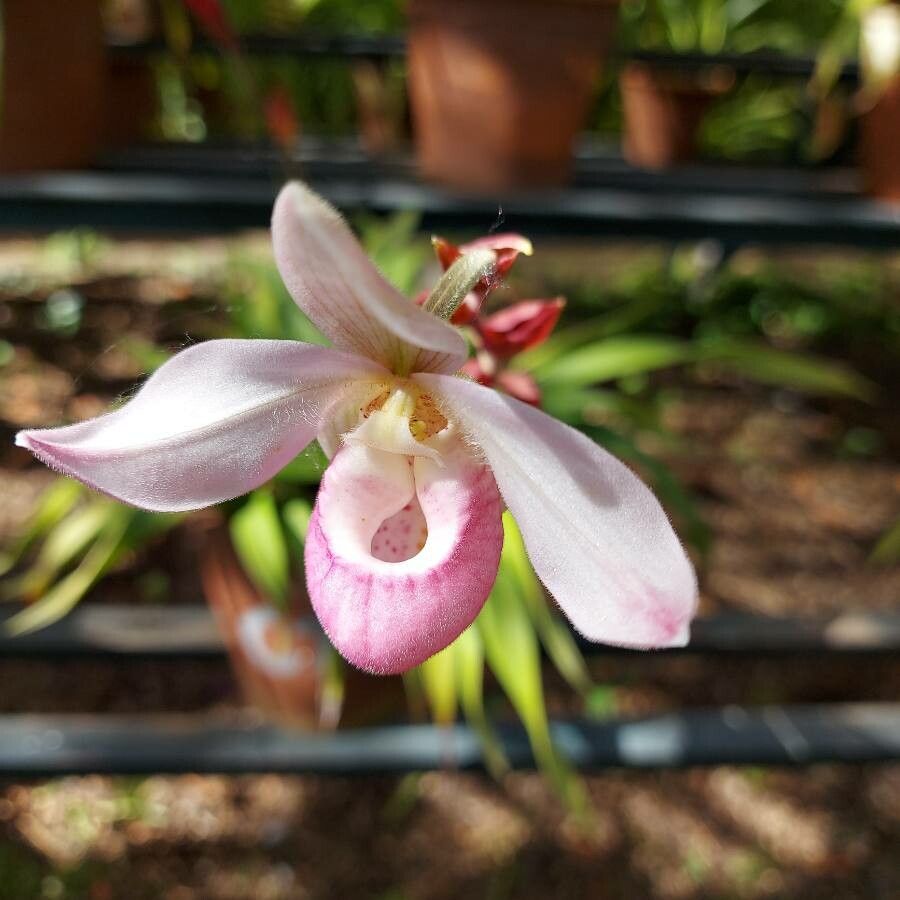
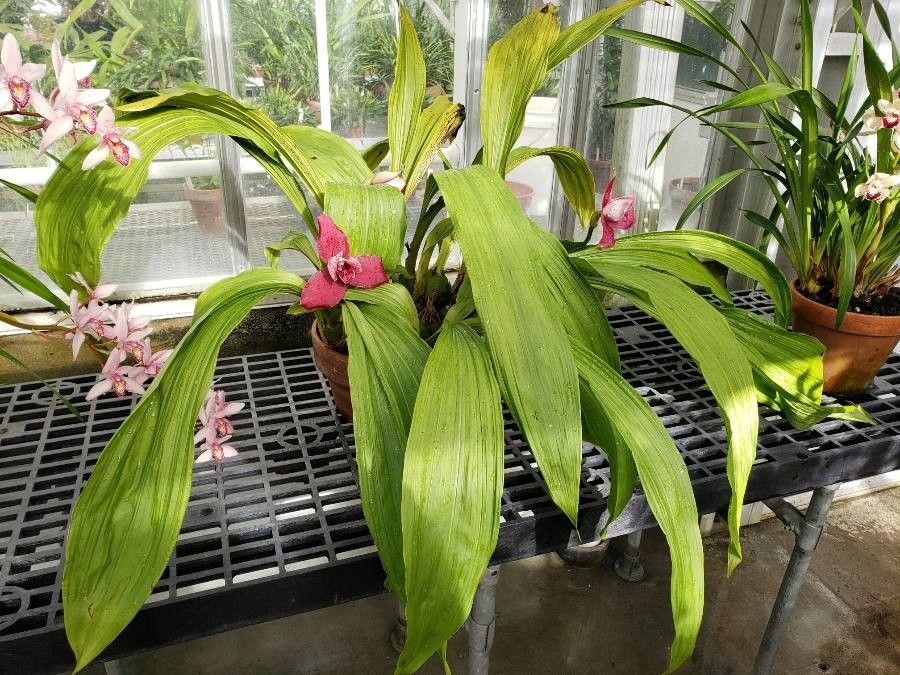
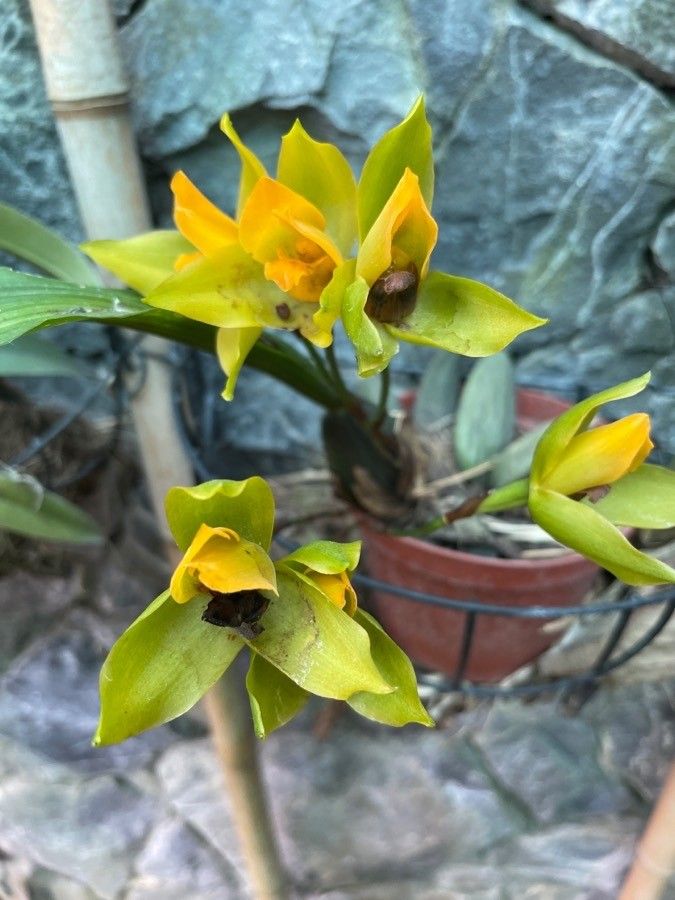
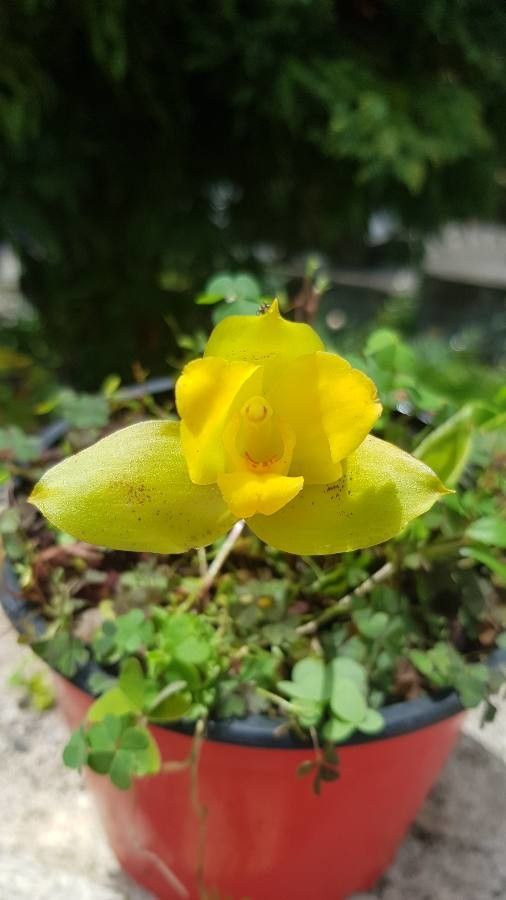
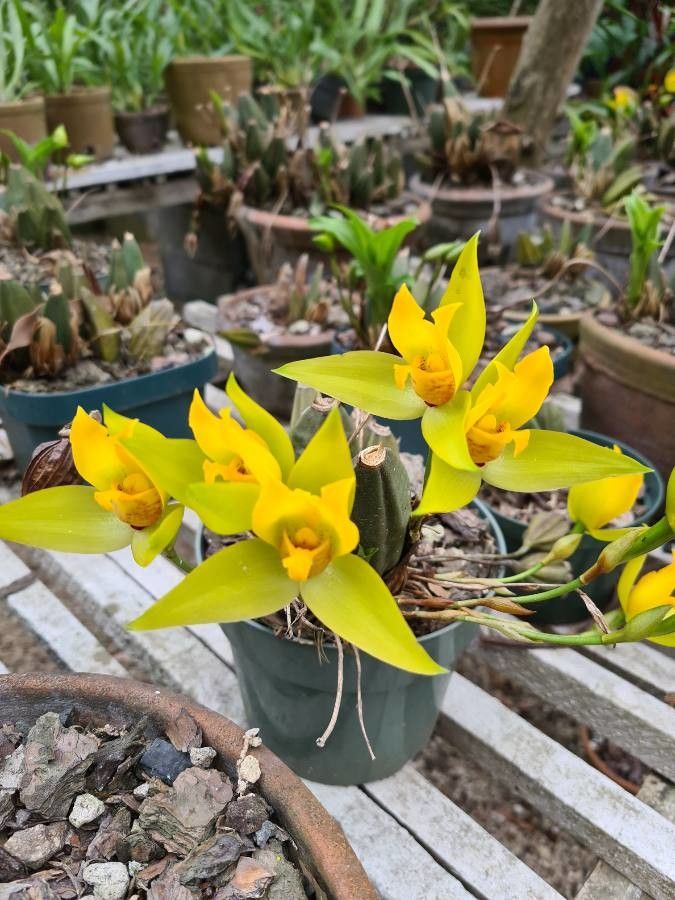
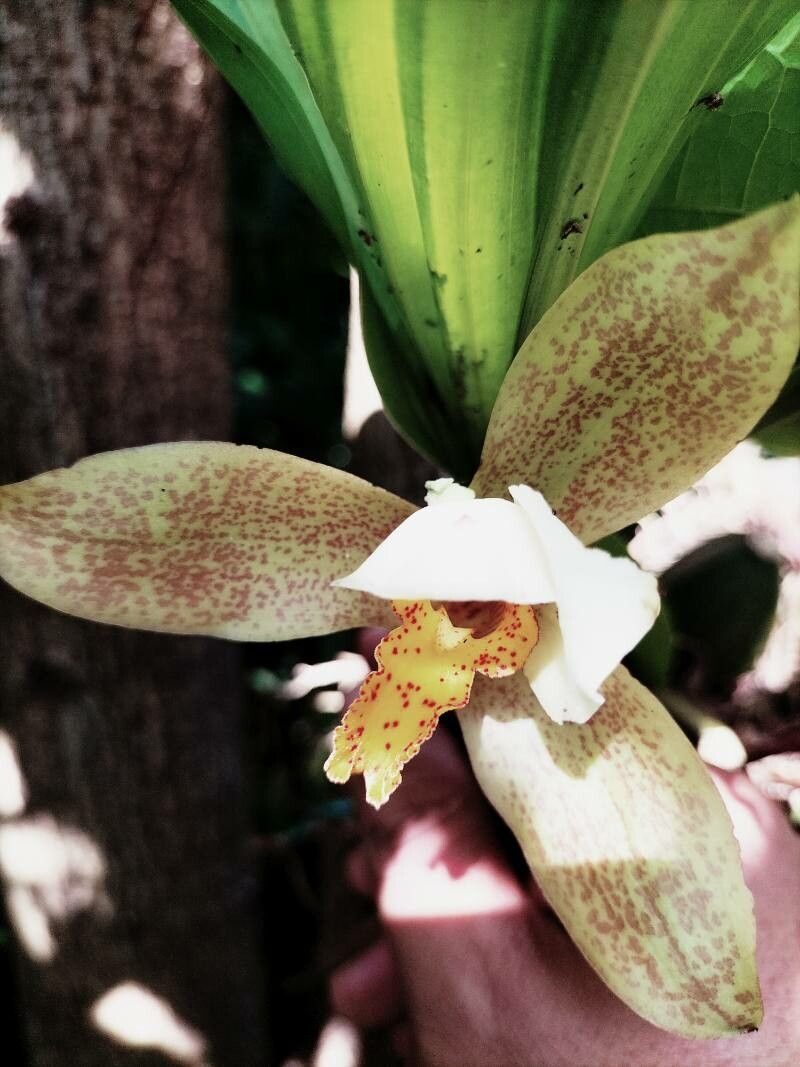
Lycaste skinneri, also known as Lycaste virginalis, is a species of epiphyte orchid that resides in the south of Mexico, Guatemala, El Salvador and Honduras, at an average altitude of 1650 meters above sea level.
The White Nun, a member of the orchid family, is also known by its scientific name, Lycaste virginalis. In Spanish, it is commonly referred to as "monja," which means nun. This name is inspired by the flower's appearance, as it resembles a small nun in prayer, dressed in white. The genus name, Lycaste, may have origins in Greek mythology. It is said that the Greek god Dionysus had a wet nurse named Lycaste.
White nun generally has strong resistance to disease and faces relatively few insect pests. Its care is considered difficult, because it needs a high-humidity yet well-ventilated environment with few harmful pathogens. Too much watering can cause root rot. Growing White nun is suitable for anyone, but keeping it healthy and getting it to flower again requires more growing experience.
How to keep Lycaste Virginalis.
Light
White nun prefers locations with filtered or reduced light rather than full sun exposure. This preference comes from its native habitats where light is scattered. While it tolerates lower light without immediate harm, too little light can impede its healthy, vigorous growth. Conversely, excessive light can harm the plant.
Water
The white nun plant originates from the understory of tropical rainforests, where it enjoys high humidity and consistent moisture. To keep it healthy, water it weekly to maintain moist soil, being careful not to waterlog it. This plant is typically grown indoors and benefits greatly from a humid environment, which can be achieved through misting or by placing it on a pebble tray.
Temperature
White nun originates from habitats with temperatures ranging from 68 to 100 °F (20 to 38 °C). It prefers warmth and does best in temperate conditions. Modify the temperature as seasons change to replicate its natural habitat.
Fertilizer
Proper fertilization is vital for the White nun's health and appearance. Fertilize the White nun in summer, applying fertilizer monthly throughout the season. Nutrients drive growth and preserve the plant's parts. Fertilization improves the White nun's floral display, ensuring the best blooms.
Pruning
The White Nun plant showcases striking white flowers and flourishes with careful pruning from early to late spring. To promote healthy growth, remove any damaged leaves to improve air circulation and trim away spent blooms. Consistent pruning helps maintain the plant's shape and vitality. Always use clean, sharp tools to prevent infection.
Pot & Repot
When repotting a White nun, pick a pot a bit larger with good drainage, ideally a clear orchid pot. Use an orchid-specific, well-draining mix that includes bark or moss. Gently clean the roots and remove any that are dead or rotting. Repot after flowering, usually in spring or fall, water thoroughly, and keep the plant in bright, indirect light. Avoid disturbing the roots once repotted.
Botanical profile.
- Plant Type
- Herb
- Life Cycle
- Perennial
- Genus
- Lycaste
- Family
- Orchidaceae
- Hardiness Zone
- 10-12
- Mature Height
- 52 cm to 61 cm
- Mature Spread
- 49 cm to 61 cm
- Leaf Color
- Light Green, Forest Green
- Leaf Type
- Deciduous
- Flower Color
- White
- Flower Size
- 15.24 cm to 30.48 cm
- Bloom Time
- Mid winter, Late winter, Early spring, Mid spring
- Planting Time
- Spring, Autumn
- Harvest Time
- Mid spring, Late spring, Early summer
Other names.
Reader questions.
What kind of fertilizer does my White nun plant need?
For the most ideal fertilizer for a White nun, look for one that contains a balanced mix of the three main plant nutrients, with slightly more phosphorus. Another option is to improve the soil for your White nun by adding organic materials like compost, worm castings, and manure. There are various forms of fertilizers available, and most will be suitable for your White nun. However, the best ones are generally found in liquid or powdered form. Whichever type you choose, be sure to dilute the fertilizer and apply it while watering your White nun.
What will happen if the White nun doesn't receive enough sunlight?
Epiphytic Orchids that prefer partial sun may not bloom as much if they don't get enough sunlight. In addition, their leaves may become darker green than usual. To prevent damage to the leaves and flowers, gardeners should make sure these plants get enough indirect light and shade.
Does White nun need warmer temperatures in the winter and cooler temperatures in the summer?
If you don't plan on growing White nun outside, then you don't need to worry about different temperatures for different seasons. However, if you have no space inside or in a greenhouse and must use an outdoor area, it's best to grow White nun in the summer. Just be sure that the temperatures in your area are between 75-90℉ (25-32℃), without going over. Controlling outdoor weather conditions can be difficult, so it's generally better to use an indoor space or greenhouse instead. White nun thrives with plenty of sunlight, so choose an area with ample natural light. If possible, a greenhouse is the ideal choice since it allows White nun to receive maximum direct sunlight while maintaining the necessary high temperatures.