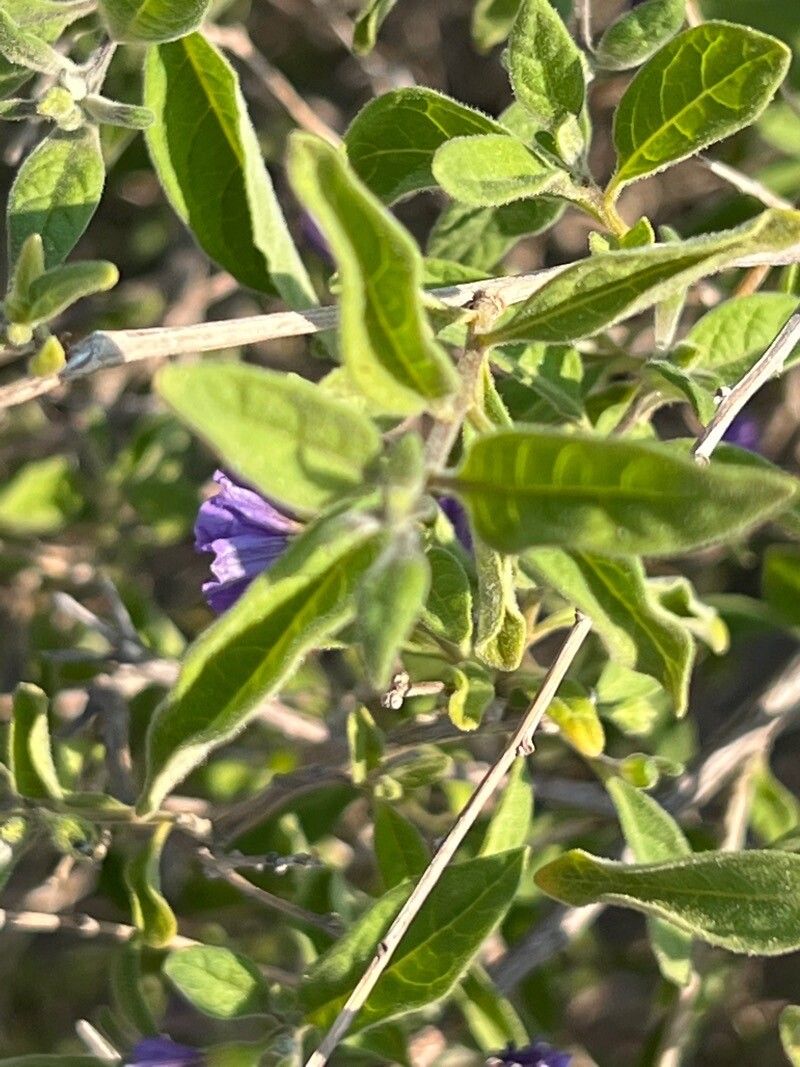
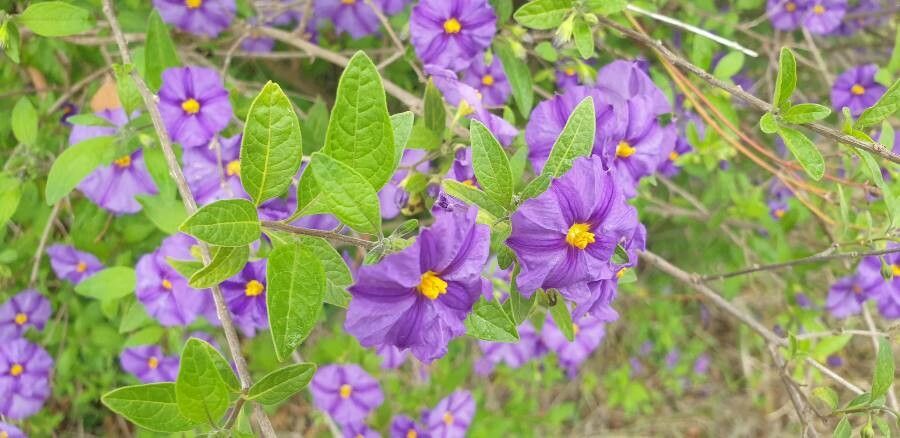
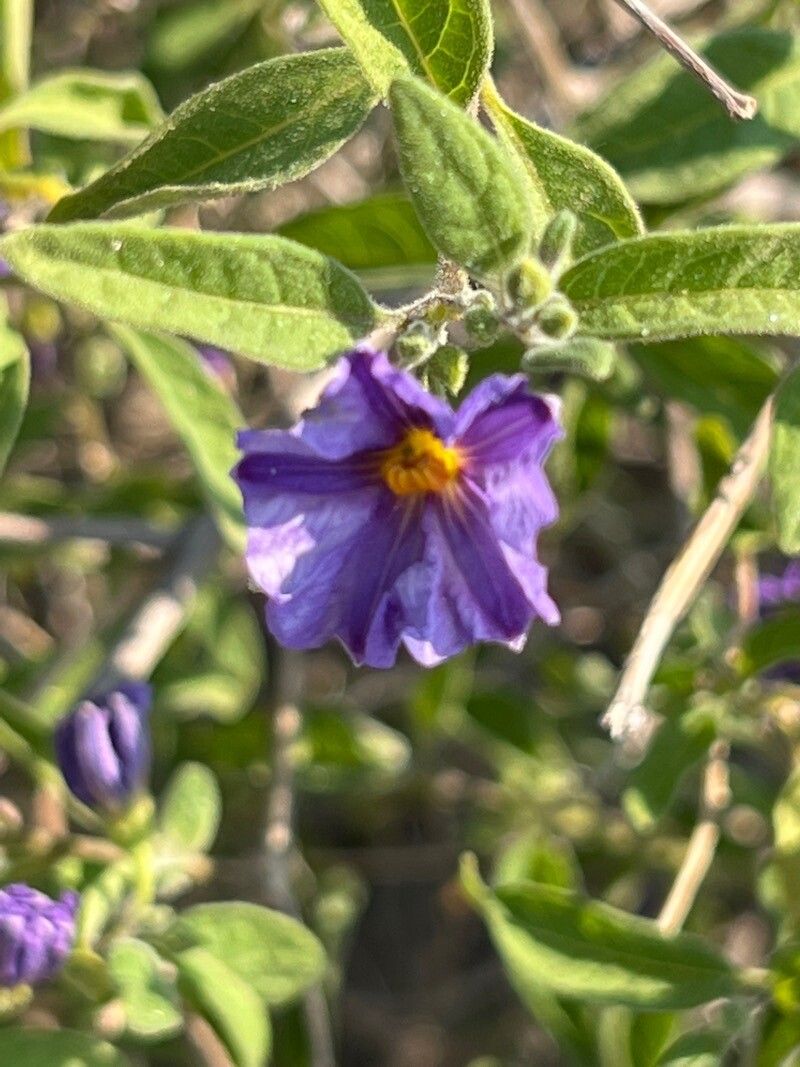
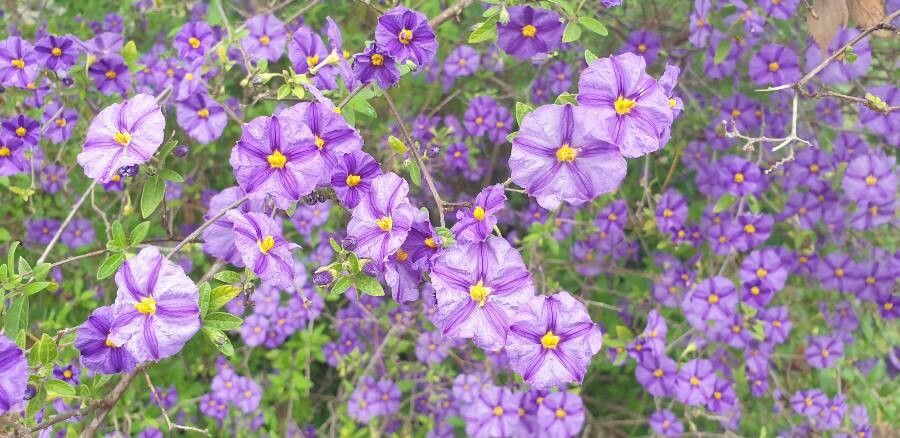
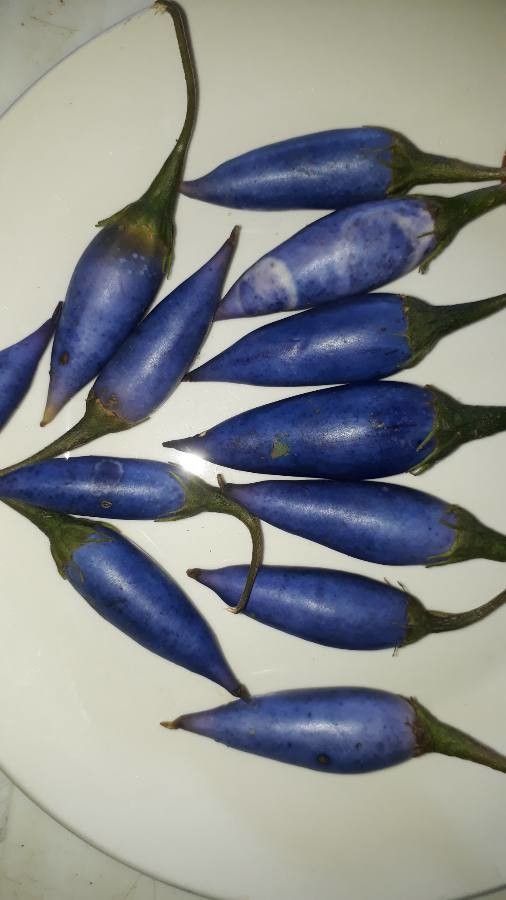
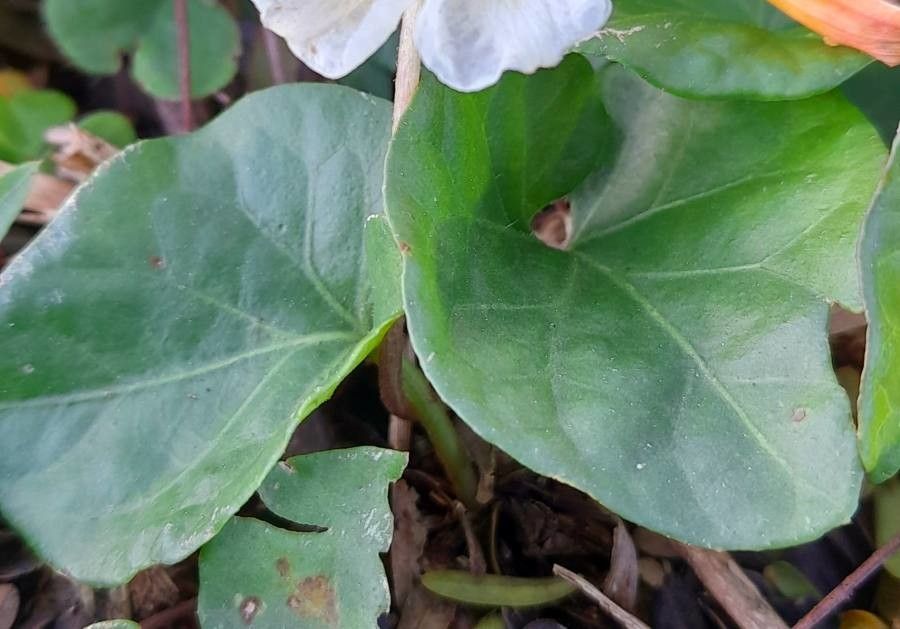
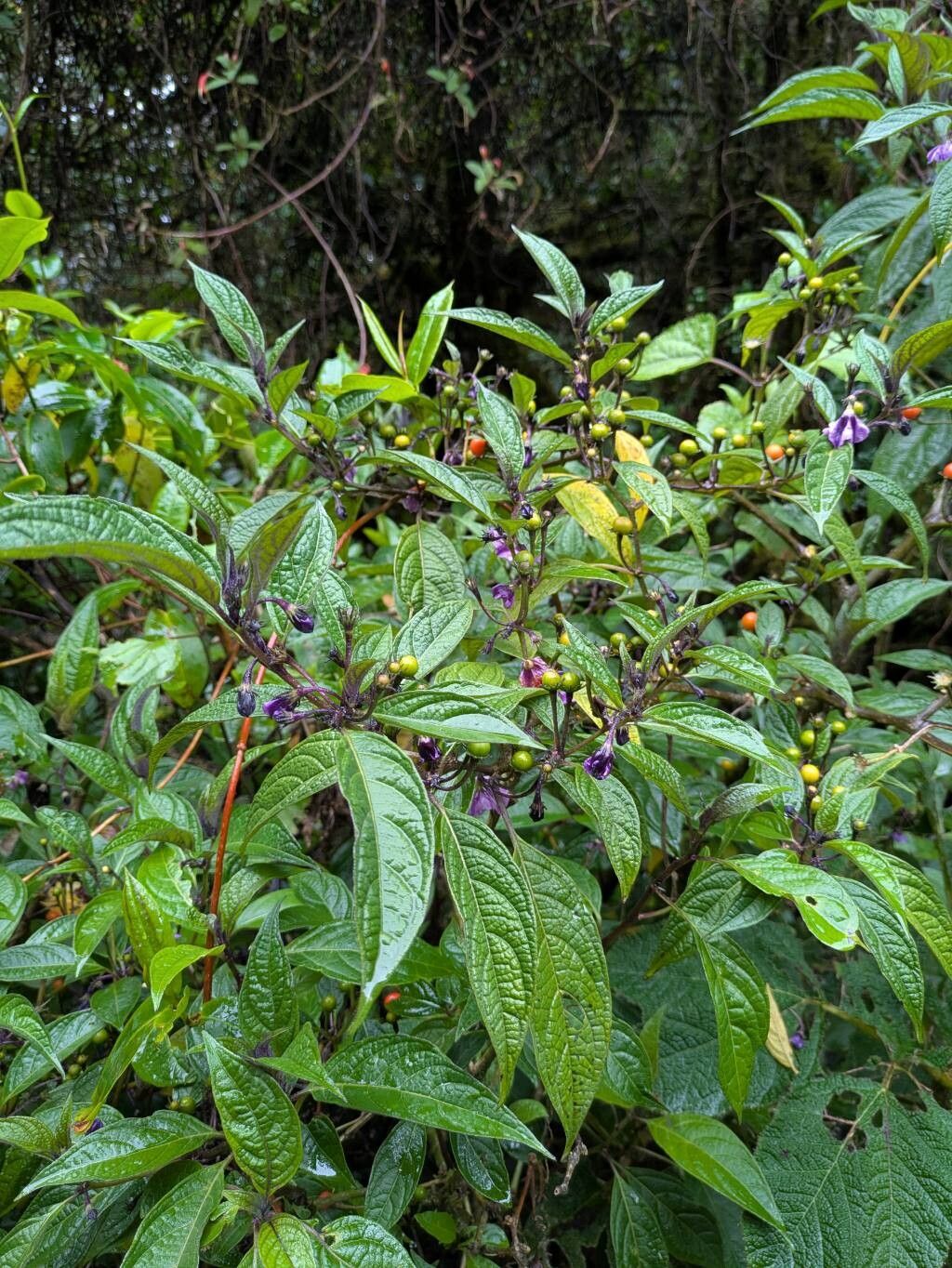
The lycium-like solanum is strongly resistant to disease and generally does not tend to get sick. In terms of upkeep, this plant is fairly low-maintenance. When grown outside it only needs light watering, and larger specimens usually do not require pruning. Smaller specimens, however, should be pruned after they finish blooming. lycium-like solanumt is appropriate for anyone with an outdoor area, such as a garden or deck, and does not demand much prior gardening experience.
How to keep Lycianthes Lycioides.
Light
lycium-like solanum is native to habitats such as forest understories or rocky areas, where it is subject to natural shade. It prefers partial sun but can adapt to both full sun and full shade, demonstrating its versatile and hardy nature.
Temperature
Lycium-like solanum has good temperature adaptability, able to withstand higher heat and fairly large temperature fluctuations. In hot weather, attention should be paid to watering and providing adequate shade to avoid sunburn. However, its resistance to low temperatures is relatively limited: it endures some cold but overly cold conditions can result in frost damage.
Fertilizer
To encourage healthy growth, fertilize your lycium-like solanum in early spring. Consistent fertilization boosts overall health, producing vigorous growth, improved tolerance of harsh conditions, and increased resistance to diseases and pests. Follow a regular fertilization schedule to maintain foliage that is vibrant, deeply colored, and lush.
Botanical profile.
- Plant Type
- Shrub
- Life Cycle
- Perennial
- Genus
- Lycianthes
- Family
- Solanaceae
- Hardiness Zone
- 9-11
- Mature Height
- 2.13 m to 3.05 m
- Mature Spread
- 1.52 m to 2.13 m
- Leaf Color
- Dark Green
- Leaf Type
- Evergreen
- Flower Color
- White
- Flower Size
- 1.02 cm to 1.52 cm
- Bloom Time
- Late spring, Summer
- Planting Time
- Spring, Summer, Autumn
- Harvest Time
- Late summer, Fall
- Native Area
- Colombia, Bolivia, Venezuela, Peru, Ecuador
Reader questions.
What are the sun requirements for Lycianthes lycioides?
Lycianthes lycioides, also known by its botanical name Lycianthes lycioides, has specific sun requirements to ensure its health and growth. It thrives in 'Full sun' conditions, which means it should receive above 6 hours of sunlight daily. However, it can also tolerate 'Partial sun' conditions, requiring about 3-6 hours of sunlight each day. It's important to observe the way sunlight moves through your garden, selecting locations that offer an ideal balance of light and shade. This careful placement helps guarantee the well-being of your plants.