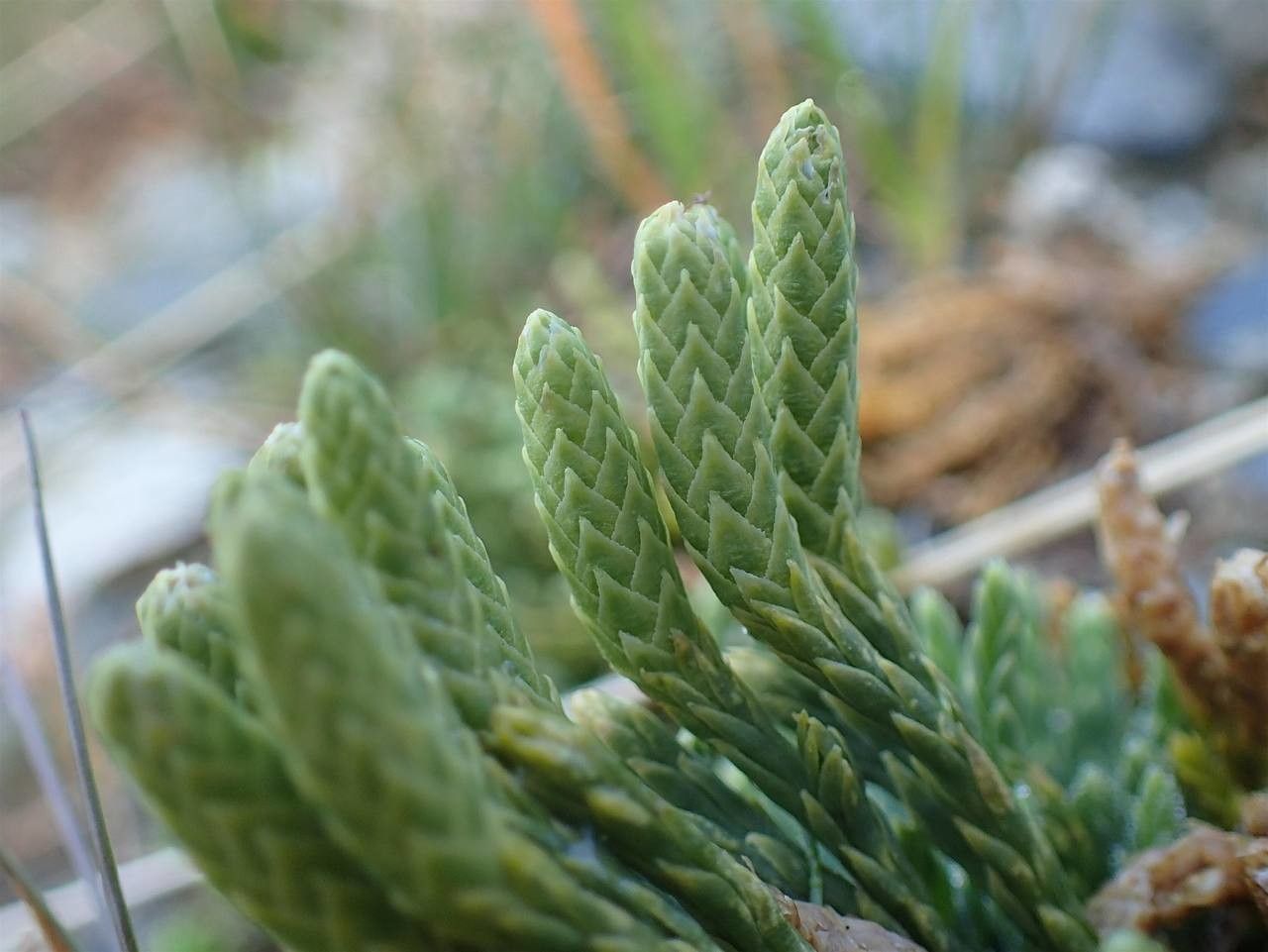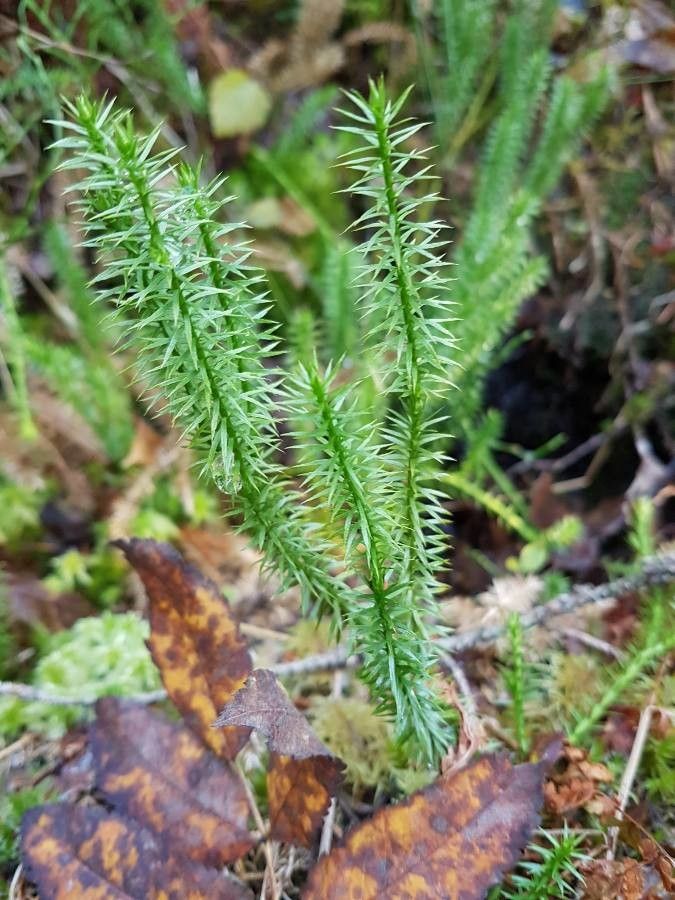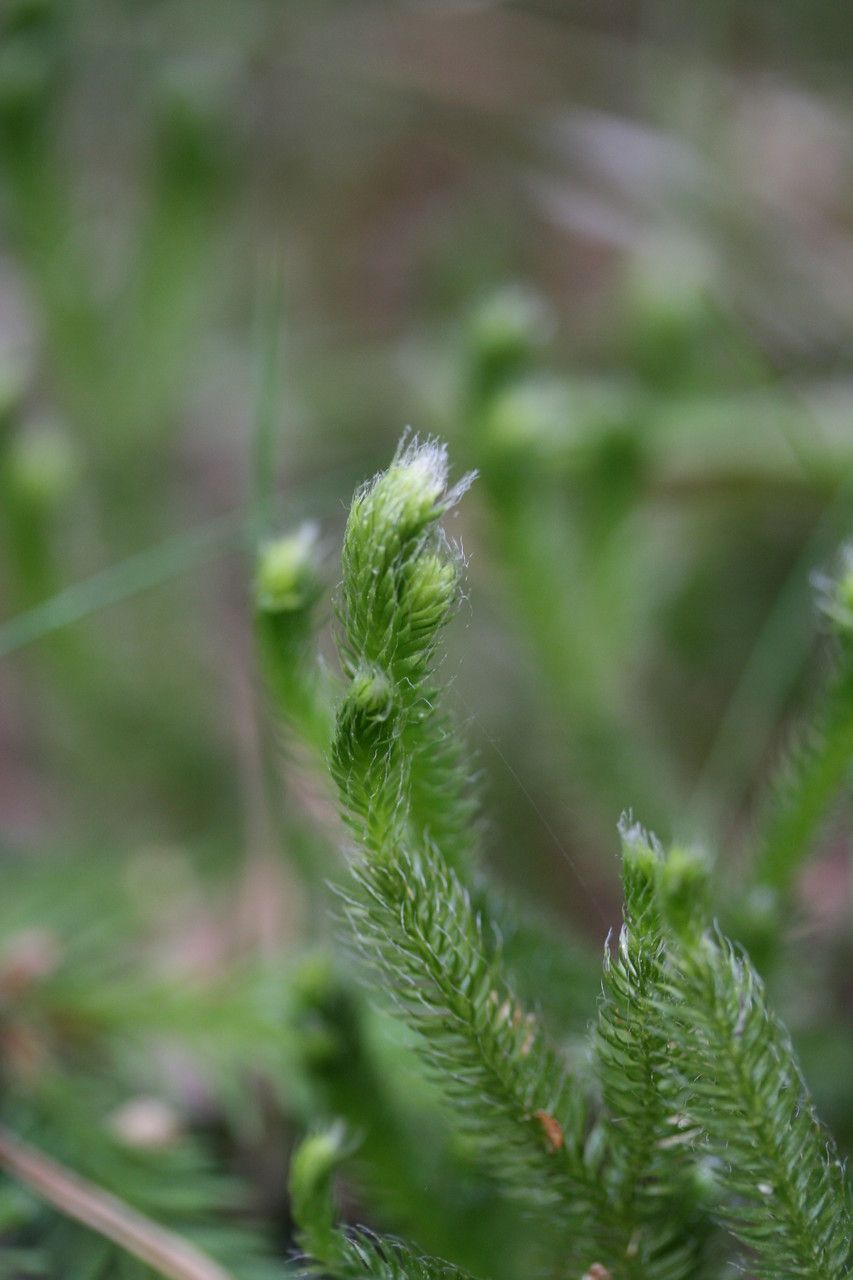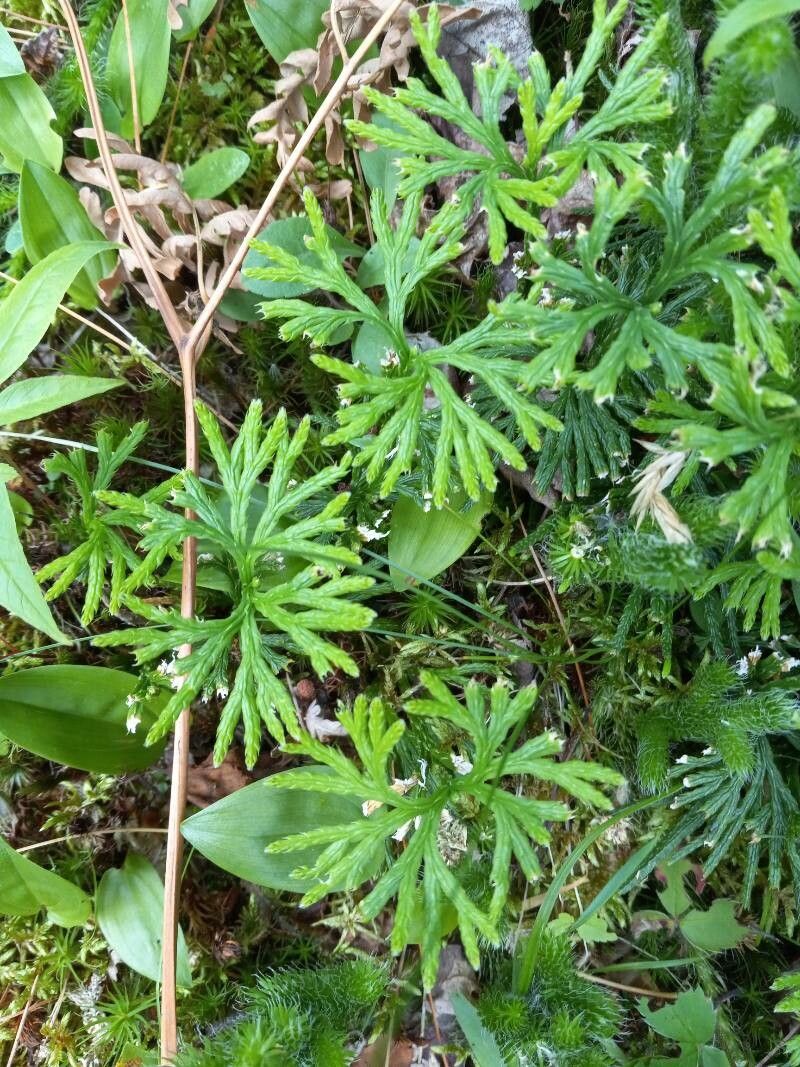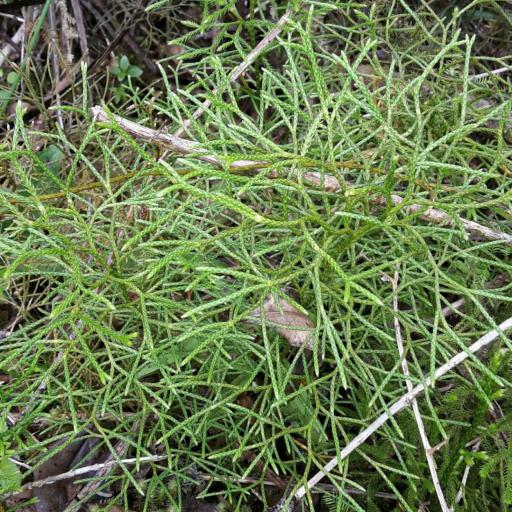
Pseudolycopodium is a genus of lycophyte in the family Lycopodiaceae with only one species, Pseudolycopodium densum, known as the bushy clubmoss. In the Pteridophyte Phylogeny Group classification of 2016 (PPG I), the genus is placed in the subfamily Lycopodioideae. Some sources do not recognize the genus, sinking it into Lycopodium. Pseudolycopodium densum is native to Australia, the North Island of New Zealand and New Caledonia. It is a spore-bearing vascular plant and grows up to a metre high. It is found in a wide variety of situations, often in high rainfall areas on sandy soils.
Bushy clubmoss is largely disease-resistant and usually not affected by illnesses. Nevertheless, it can be vulnerable to pests and diseases present in its environment. These problems tend to be mild. For care, the plant requires moderate maintenance. It should be pruned regularly to preserve a neat appearance and support healthy growth. Fertilizing can also aid in encouraging flowering. Bushy clubmoss is well-suited to people with outdoor spaces like a garden or patio and does not demand extensive experience in plant care. It may need more attention if grown indoors.
How to keep Lycopodium Deuterodensum.
Light
Bushy clubmoss naturally occurs in habitats like forest understories and rocky areas, where it grows under natural shade. It prefers partial sun but can tolerate full sun or full shade, illustrating its hardy, adaptable nature.
Fertilizer
Generally, one spring application of fertilizer is adequate for Bushy clubmoss, though repeated feedings can optimize growth. Apply fertilizer every month to month and a half. Fertilization improves the leaves’ appearance and function, helping maintain uniform color and a healthy texture. It also encourages root development and nutrient uptake, supporting the plant’s long-term health.
Botanical profile.
- Plant Type
- Herb
- Life Cycle
- Perennial
- Genus
- Lycopodium
- Family
- Lycopodiaceae
- Hardiness Zone
- 8-11
- Mature Height
- 30 cm to 61 cm
- Mature Spread
- 20 cm to 40 cm
- Leaf Color
- Dark Green
- Leaf Type
- Evergreen
- Flower Color
- Yellow, Green
- Native Area
- New Zealand