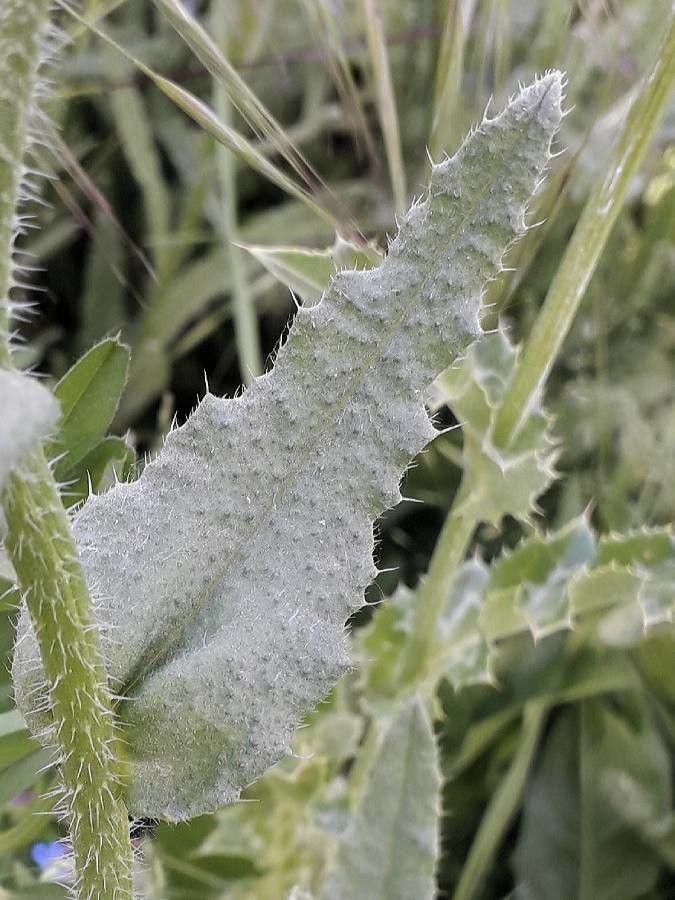
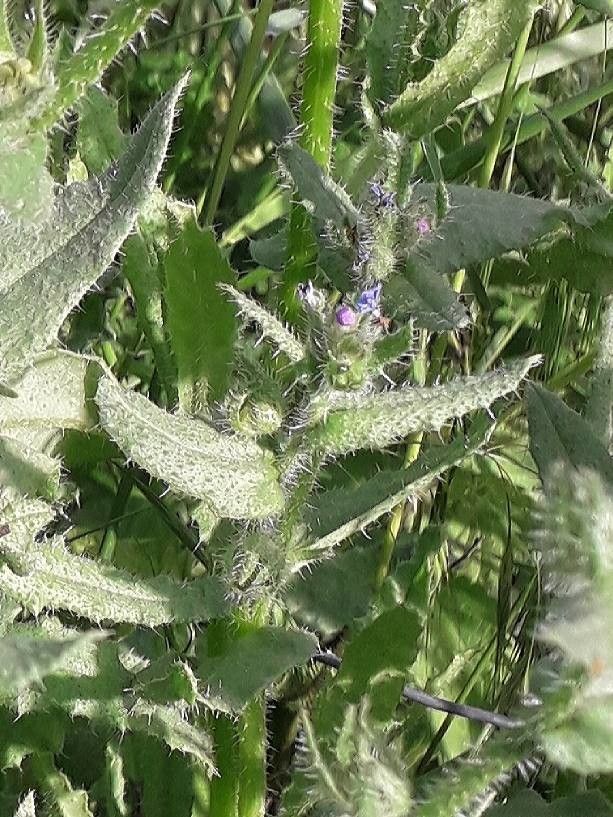
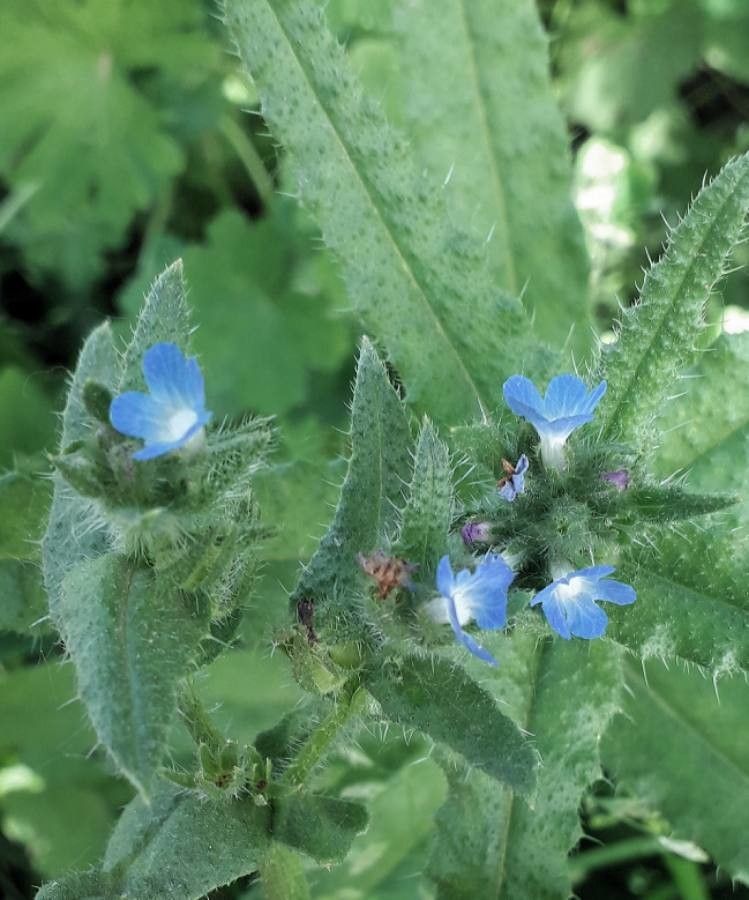
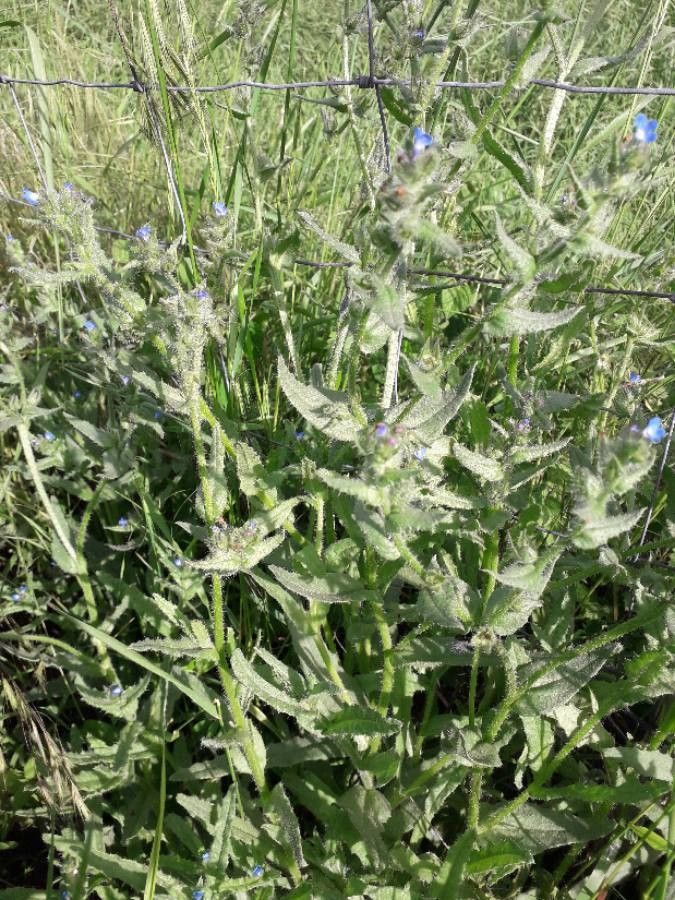
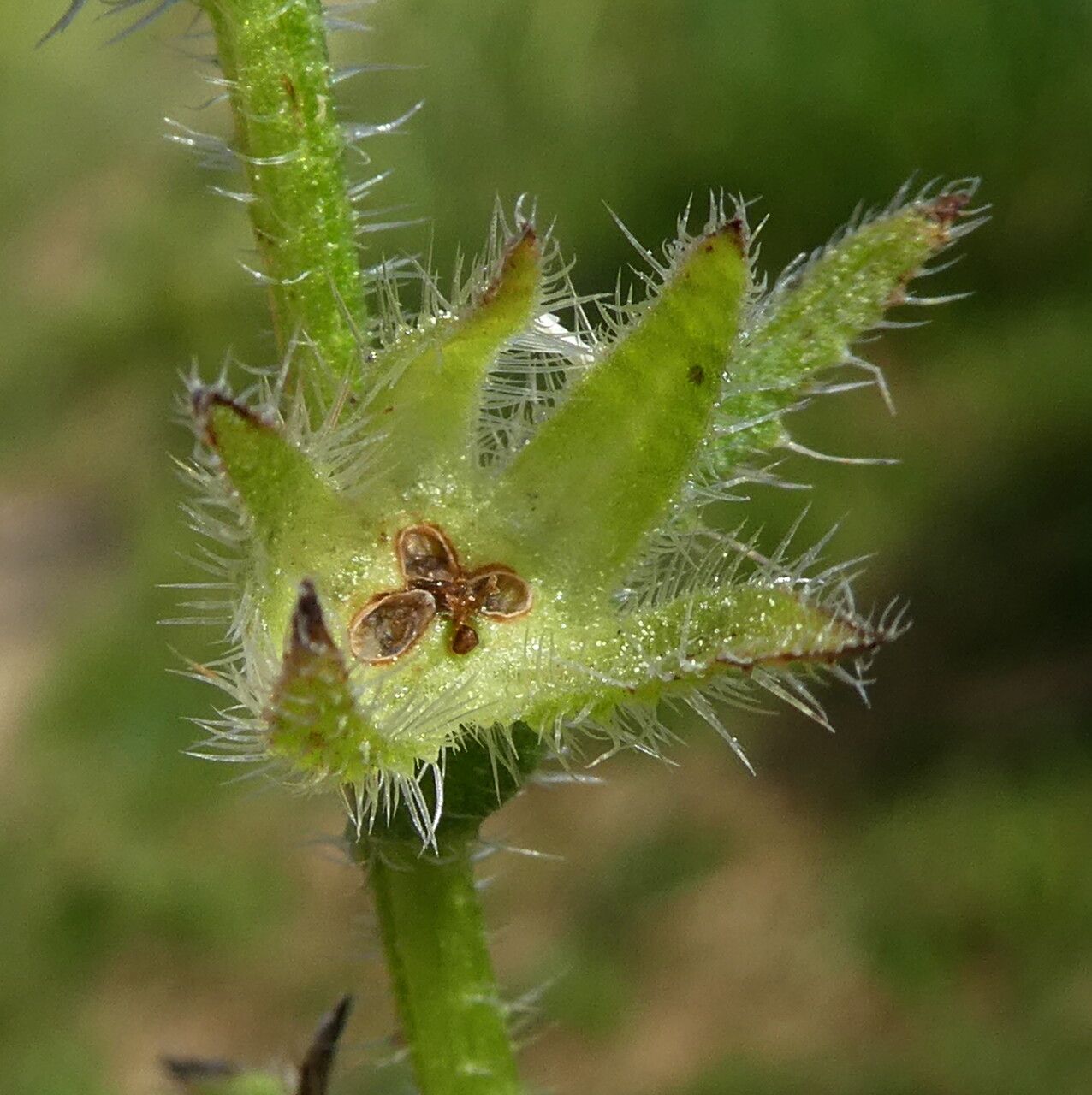
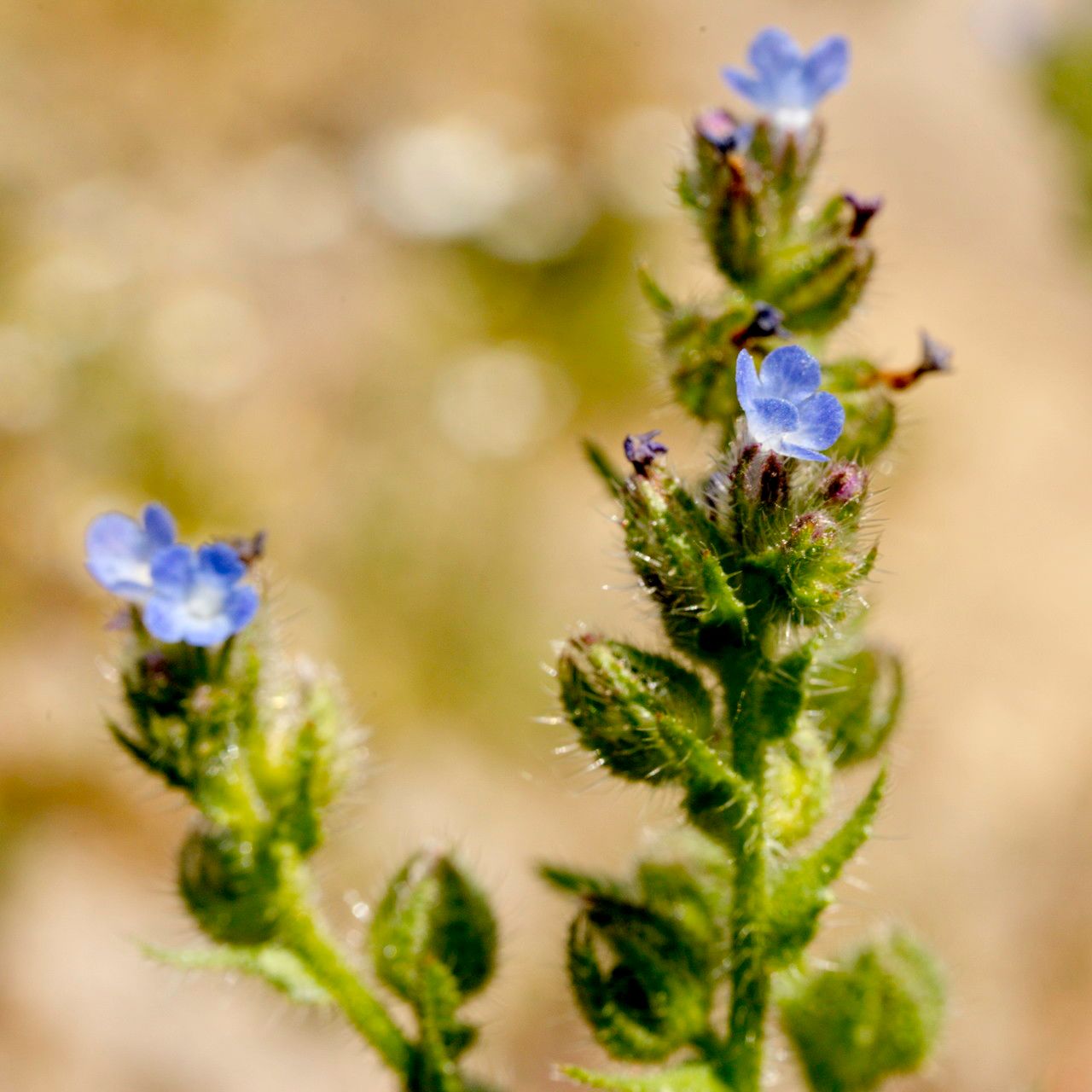
Anchusa arvensis is a plant species of the genus Anchusa. Its common names include small bugloss and annual bugloss.
Small bugloss has strong resistance to disease and is generally unlikely to become diseased. However, it can be vulnerable to pests and illnesses present in its environment. These infections are generally mild. In terms of care, this plant requires moderate maintenance. It should be pruned regularly to maintain a good appearance and healthy growth. Fertilizing can also help encourage flowering. Small bugloss is suitable for anyone with outdoor space, such as a garden or patio, and does not demand extensive care experience. It may need more attention when grown indoors.
How to keep Lycopsis Arvensis.
Light
Small bugloss prefers the maximum possible sun exposure. It thrives in such strong light. In its native environment it occurs in open locations with unobstructed sunlight. Too little sun can lead to poor growth, while too much sun generally does not harm it.
Water
Small bugloss thrives in moderate moisture and is well-adapted to manage changes in water conditions. To maintain its health, it should be watered weekly, with more frequent watering required during its growing season to support its vitality as an herbaceous plant.
Temperature
Native to temperate climates, small bugloss does best at 68 to 95 °F (20 to 35 ℃). Depending on prevailing weather conditions, occasional adjustments to temperature may be required.
Fertilizer
Small bugloss can thrive with regular, gentle applications of fertilizer to encourage healthy growth of leaves. Small bugloss should be fertilized roughly once a month throughout the summer. Nitrogen is essential for leaf growth, and augmenting with nitrogen-dense sources assists in the flourishing of Small bugloss.
Pruning
Small bugloss is a plant known for its vibrant blue flowers and hairy stems. To promote growth, shape the plant, control its spread, and improve air circulation, it is important to prune it in both early and late spring. During pruning, remove any dead stems and spent flowers. For detailed care techniques, consult horticultural guides.
Botanical profile.
- Plant Type
- Herb
- Life Cycle
- Annual, Biennial
- Genus
- Lycopsis
- Family
- Boraginaceae
- Hardiness Zone
- 1-3
- Mature Height
- 15 cm to 49 cm
- Mature Spread
- 10 cm to 49 cm
- Leaf Color
- Green
- Leaf Type
- Deciduous
- Flower Color
- Blue
- Flower Size
- 0.51 cm to 0.51 cm
- Bloom Time
- Mid spring, Late spring, Summer, Early fall, Mid fall
- Planting Time
- Spring, Summer, Autumn
- Harvest Time
- Summer, Fall, Early winter
Other names.
Reader questions.
How many times should I give water to my Small bugloss plant?
To ensure the healthy growth of small bugloss, it requires regular watering throughout the growing season. In the beginning of spring, watering once a week is sufficient. However, as the season progresses and the temperature rises, you may need to increase the frequency to two to three times per week. Going beyond this rate can harm the plant. It's important to maintain moist soil for small bugloss, but avoid making it too wet regardless of your watering schedule. When it comes to small bugloss in a pot, you'll need to water more frequently than those in the ground. Potted soil tends to heat up and dry out faster, so watering a few times per week is usually necessary compared to just once per week for in-ground plants.
What are the sunlight requirements for Small bugloss?
Small bugloss (Lycopsis arvensis) thrives in full sun, requiring above 6 hours of sunlight daily to flourish optimally. It's essential to observe your garden's sunlight patterns carefully, choosing locations that offer a balance of light and shade. This ensures that your plants receive the perfect amount of sunlight for healthy growth. In their native habitat, these plants grow in open areas with abundant sunlight, so mimicking these conditions by providing full sun exposure will promote their well-being. Insufficient sunlight can lead to poor growth, but Small bugloss generally handles overexposure to sunlight without negative effects.
What is the optimal temperature range for small bugloss?
Small bugloss, also known by its botanic name Lycopsis arvensis, thrives best in moderate environments, with an optimal temperature range between 68 to 95 °F (20 to 35 °C). It is important to adjust temperatures occasionally, depending on the prevailing weather conditions, to maintain this optimal range.
How should I water my Small bugloss plant?
Watering Small bugloss is a flexible process. You have several options for watering tools, such as a garden hose with a spray nozzle or a watering can. The type of water you use is not crucial; Small bugloss can thrive on rainwater, tap water, or filtered water. However, it is generally recommended to avoid watering this plant from above, as it can harm the leaves and flowers and potentially lead to disease. Instead, a drip irrigation system is often the best choice, as it delivers water evenly and directly to the soil. For container-grown Small bugloss, you can use similar watering methods but adjust the tools accordingly. Simply apply water directly to the soil using a cup, watering can, or tap.
How can artificial lighting support the growth of indoor Small bugloss plants?
When natural sunlight is not sufficient, especially during winter or in less sunny locations, artificial lighting can be a crucial support for indoor Small bugloss plants. For optimal growth, indoor plants might require artificial lights to promote faster, healthier development. Selecting the right type of light, such as LED lights, is critical as they can be optimized to emit specific wavelengths needed by your plants. Full sun plants require 30-50W/sq ft of artificial light, partial sun plants need 20-30W/sq ft, and shade plants need 10-20W/sq ft. The artificial light source should be placed 12-36 inches above the plant, simulating natural sunlight as closely as possible. It's also important to mimic natural daylight hours, typically providing 8-12 hours of light per day.
How does small bugloss handle cold weather and frost?
Small bugloss is highly cold-tolerant and does not require additional frost protection measures during winter. However, to help the plant through winter and early spring, it is recommended to water the plant generously before the first freeze in autumn. This ensures the soil remains moist and enters a frozen state, preventing drought and water scarcity for the plant.
What should I do if I give my Small bugloss plant too much or too little water?
To prevent underwatering Small bugloss, water it more regularly when you notice it lacks moisture. Overwatering, on the other hand, can be a more serious problem. Overwatered Small bugloss can develop diseases that lead to its decline and death. To avoid this, choose a growing location with plenty of sunlight and good drainage. If you overwater Small bugloss in a pot, consider changing it to a new pot with better drainage and loose soil.
What are the symptoms of inappropriate light exposure in Small bugloss?
Inappropriate light exposure can cause several symptoms in Small bugloss. Insufficient light may lead to smaller new leaves, leggy or sparse growth, faster leaf drop, slower or halted growth, and lighter-colored or pale new leaves. These symptoms indicate poor light exposure and limited chlorophyll and nutrient production. Excessive sunlight, on the other hand, may cause chlorosis (yellowing of leaves), sunscald (damaged areas on leaves or stems), leaf curling, wilting, and leaf scorching (brown, dry edges on leaves). Each of these symptoms reflects stress due to incorrect lighting, affecting the plant's ability to photosynthesize and maintain good health.
What should be done if small bugloss experiences temperatures below its cold tolerance level?
Although small bugloss is extremely cold-tolerant, capable of withstanding winter temperatures above -45°C, temperatures dropping below this threshold could hinder sprouting in spring or even result in no sprouting. If this occurs, the solution is to remove any parts of the plant that have failed to sprout in spring.
How much water does my Small bugloss plant need?
To determine how much water to give your Small bugloss, there are a few options. Some gardeners prefer to check the soil moisture by feeling it, and they suggest watering until the top six inches of soil feel damp. Another method is to use a specific measurement, such as about two gallons of water per week, taking into account the temperature and soil dryness. However, this approach may overwater the plant if it requires less than two gallons per week. When growing Small bugloss in a container, a different method is needed. You should moisten all the dry layers of soil by checking for moisture with your finger or letting excess water drain out of the pot's holes.
What solutions can address lighting issues for Small bugloss, both indoors and outdoors?
To optimize growth for Small bugloss facing lighting issues, gradual adaptation to the correct light conditions is key. For indoor plants, gradually move them to sunnier locations each week until they receive at least 6 hours of direct sunlight daily, utilizing south-facing windows for best light exposure. If moving the plant isn't feasible, consider using artificial lights, such as desk lamps or professional grow lights, for at least 8 hours a day. Outdoor plants should also be moved gradually to sunnier spots to prevent sunburn, taking care to adapt them to changing light intensity gently. Addressing light obstructions is essential too; if trees are blocking sunlight, pruning may help. For smaller plants, transplanting during their dormant period to a location with ample sunlight and good drainage can be beneficial.
How does small bugloss respond to high temperatures, and what measures should be taken?
Small bugloss is not tolerant of high temperatures. When temperatures exceed 35°C, the growth of the plant will stop, and it becomes more susceptible to rot. In such cases, sunburned and dried-up parts should be trimmed away. The plant should be moved to a location that offers shade during the midday and afternoon sun or covered with a shade cloth. Additionally, watering the plant in the morning and evening can help keep the soil moist and support the plant's health in high temperatures.